Human Rights Council
Working Group on the Universal Periodic Review Twenty-eighth session
6–17 November 2017
National report submitted in accordance with paragraph 5 of the annex to Human Rights Council resolution 16/21*
Zambia
* The present document has been reproduced as received. Its content does not imply the expression of
Advance version Distr.: General 26 October 2017 Original: English
Foreword
Zambia’s commitment to uphold the protection and promotion of human rights is heightening. During the period under review, this was motivated by the amendment of the Constitution of Zambia by Parliament that followed a rigorous consultation process.
Although the Bill of Rights which was subjected to a Referendum alongside the General Election of 2016 was not successful as it did not meet the required threshold, Zambia remains resolute on enhancing human rights for the well-being of all persons without distinction as to the race, colour, sex, language, religion, political or other opinion, national or social origin, property, birth or other status.
As part of its commitment to the protection and promotion of human rights, Zambia endeavoured to implement a number of recommendations which were agreed upon during the second cycle of the Universal Periodic Review.
Zambia’s achievements in implementing some of the recommendations were complemented by the United Nations Systems which provided appropriate support within their areas of mandates. The Government, in conjunction with Civil Society Organisation, also carried out awareness campaigns that provided basic information about human rights in order to encourage all persons to be more proactive in claiming their human rights.
However, Zambia was unable to meet some of the pledges the nation made due to completing needs.
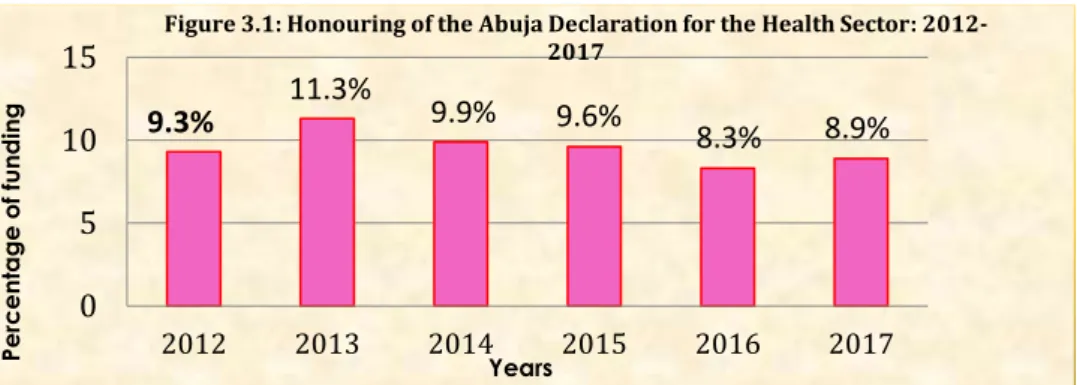
In further advancement of human rights, Zambia has also pledged to continue addressing the outstanding challenges that may inhibit the fulfilment of human rights under the Seventh National Development Plan (7NDP: 2017-2021).
The third cycle of the Universal Periodic Review highlights the achievements on the implementation of the agreed recommendations from the second cycle and some of the strategies under the 7NDP for protection and promotion of human rights in Zambia.
Hon. Given Lubinda, M.P Minister of Justice Republic of Zambia
Acronyms
ACC: Anti-Corruption Commission CAT: Convention Against Torture CAMFED: Campaign for Female Education CSO: Central Statistical Office CSOs: Civil Society Organisations
CESCR: Committee on Economic, Social and Cultural Rights DNA: Deoxyribonucleic acid
DSW: Department of Social Welfare GBV: Gender-Based Violence
GIDD: Gender in Development Division GRZ: Government of the Republic of Zambia
HIV/AIDS: Human Immunodeficiency Virus/ Acquired Immunodeficiency Syndrome HRC: Human Rights Commission
IBA: Independence Broadcasting Authority ICC: International Criminal Court
ICERD: International Convention on the Elimination of All Forms of Racial Discrimination
ICCPR: International Covenant on Civil and Political Rights
ICESCR: International Covenant on Economic, Social and Cultural Rights IOM: International Organisation for Migration
ILO: International Labour Organisation JCC: Judicial Complaints Commission LCMS: Living Conditions Monitoring Survey LEA: Law Enforcement Agencies
LIMS: Land Information Management System
MLNREP: Ministry of Lands, Natural Resources and Environmental Protection MoF: Ministry of Finance
OP-CAT: Optional Protocol to the Convention Against Torture
OP-CEDAW: Optional Protocol to the Convention on the Elimination of All Forms of Discrimination against Women
OP-CRC-AC: Optional Protocol to the Convention on the Rights of the Child on the involvement of Children in Armed Conflict
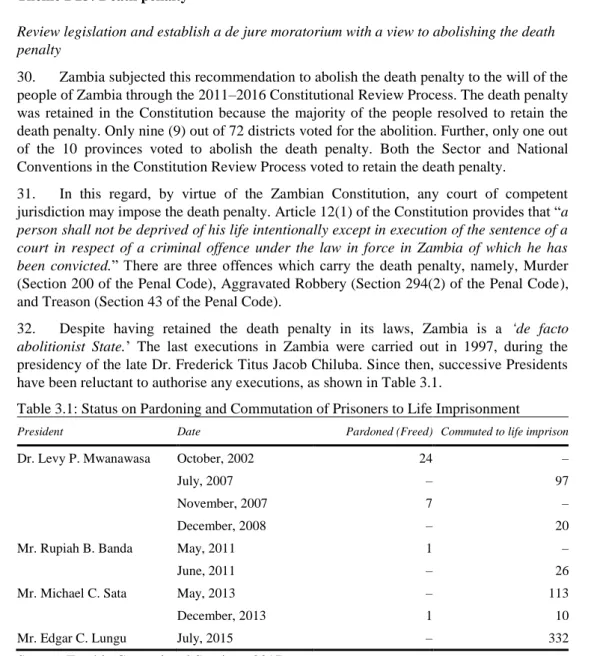
OP-CRC-SC: Optional Protocol to the Convention on the Rights of the Child on the sale
OPIC: Optional Protocol to the Convention on the Rights of the Child on a Communications Procedure
OP-ICCPR: Optional Protocol to the International Covenant on Civil and Political Rights
NELMP: National Employment and Labour Market Policy NPA: National Prosecution Authority
PLEED: Program for Legal Empowerment and Enhanced Justice Delivery PPCC: Police Public Complaints Commission
SADC: Southern Africa Development Community 7NDP: Seventh National Development Plan SI: Statutory Instrument
SCTS: Social Cash Transfer Scheme SDG: Sustainable Development Goals
STI/TB: Sexually Transmitted Infection / Tuberculosis UNHCR: United Nations High Commissioner for Refugees UNICEF: United Nations Children’s fund
UN: United Nations
VSU: Victim Support Unit
ZLDC: Zambia Law Development Commission ZP-CPU: Zambia Police Child Protection Unit ZCS: Zambia Correctional Service
ZDHS: Zambia Demographic and Health Survey ZEMA: Zambia Environmental Management Agency ZPS: Zambia Prisons Service
Contents
Page
Foreword ... 2
Acronyms ... 3
I. Process for the preparation of the report ... 6
II. Implementation of recommendations from the previous cycles ... 7
A. Full implementation of recommendations ... 7
B. Partial implementation of recommendations ... 22
C. Pending recommendations ... 23
D. Noted recommendations ... 24
E. New and emerging issues ... 25
F. Status of implementation of voluntary pledges ... 26
G. Challenges which would require the support of the international community ... 27
Conclusion ... 27
References ... 29 List of tables
Table 3.1 Status on Pardoning and Commutation of Prisoners to Life Imprisonment Table 3.2 Trends of Human Trafficking for the period 2012-2016
Table 3.3 State Land Offers by Province and Sex, 2011-2013
Table 3.4 Statistical Data on Convictions for reported incidents of rape and defilement
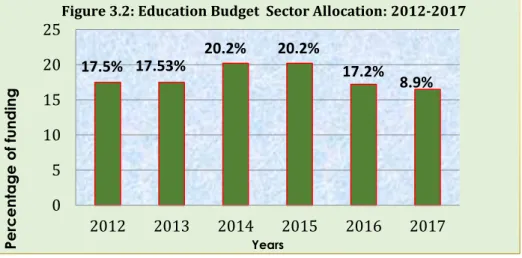
Table 3.5 Budgetary Allocations and Releases for Human Rights Commission for the Period January 2013 to December 2016
List of figures
Figure 3.1 Honouring of the Abuja Declaration for the Health Sector: 2012-2017 Figure 3.2 Education Budget Sector Allocation: 2012–2017
Figure 3.3 Graphical Representation of Statistical Data on Convictions of Rape and Defilements
I. Process for the preparation of the report
Introduction
1. This Universal Periodic Review (UPR) Report was prepared by the Government of the Republic of Zambia through the Ministry of Justice in line with Gazette Notice No. 836 of 2016. This Gazette Notice mandates the Ministry of Justice to deal with matters relating to human rights and governance.
2. The Human Rights Council of the United Nations passed resolution 16/21 which was adopted on 25 March 2011, to provide that the Universal Periodic Review (UPR) should focus on, among other things, the implementation of the accepted recommendations and developments of the human rights situations in the States under review. Therefore, in the second cycle of the Universal Periodic Review, recommendations were upheld by Zambia and this Report now aims to address the recommendations which were agreed upon in the second cycle of the Universal Periodic Review.
Methodology
3. In order to respond to the recommendations from the second cycle of the Universal Periodic Review, the Ministry of Justice conducted stakeholder consultations with government institutions and civil society organisations. Following the stakeholder consultations, all information was collated and compiled into a draft Report. Finally, a validation workshop was held where all stakeholders who were consulted in the initial stage were then invited to a five-day validation workshop to confirm the content of the draft Report and to provide updated information. The Report was then finalised by the Ministry of Justice and submitted to Cabinet for approval.
National follow-up process
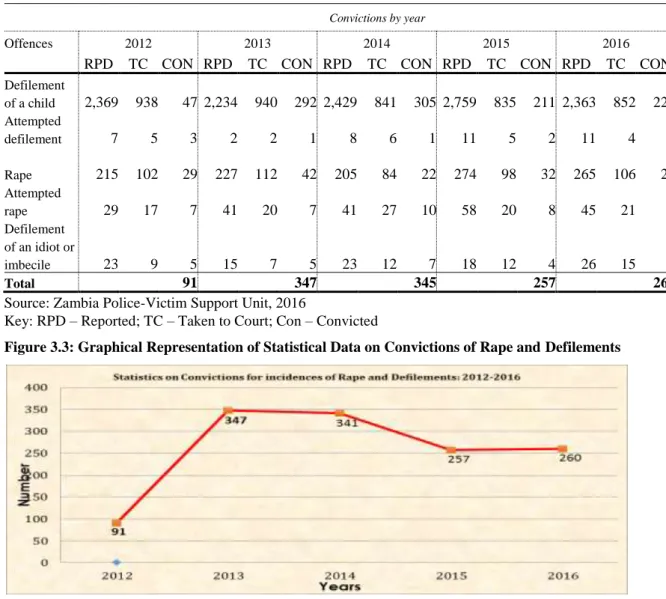
4. During the period under review, Zambia had no standing coordinating body for implementation and reporting of the UPR activities. However, the Ministry of Justice in conjunction with key stakeholders assumed the role of monitoring related activities under the mandate of the Governance Sector Advisory Group through the National Development Planning.
Institutional consultations
5. The Government held a workshop through a joint programme with members of the Civil Society Organisations responsible for the promotion of human rights in Zambia in March 2017. The purpose of the workshop was to review the recommendations from the second cycle of the UPR, to raise awareness of the UPR process to the general public, and to reach consensus between the Government and CSOs for implementing the UPR.
Data/ information collection
6. The Ministry of Justice conducted desk reviews of the information which was in line with the agreed recommendations from the second cycle of the UPR. Further, the Ministry
of Justice requested various institutions to provide evidence-based information/ data on the progress made in implementing the corresponding recommendations on human rights.
Compilation of the report and validation
7. The information collected was compiled into a draft UPR Report. The draft UPR Report was then subjected to validation by relevant stakeholders, including Civil Society Organisations. All comments from the validation workshop were incorporated into the final report.
II. Implementation of recommendations from the previous cycles
Introduction
8. This part of the Report analyses recommendations that were supported by Zambia during the second cycle of the UPR and is divided into the following sections:
(a) Full implementation of recommendations;
(b) Partial implementation of recommendations;
(c) Pending recommendations;
(d) Noted recommendations;
(e) New and emerging issues;
(f) Status of implementation of voluntary pledges; and
(g) Challenges which would require the support of the international community.
9. The recommendations are further divided according to their respective thematic areas.
A. Full implementation of recommendations
1. Theme A28: Cooperation with other international mechanisms and institutions
Cooperation with the mechanisms of the United Nations
10. There is robust cooperation between the UN Systems and key stakeholders in the UPR process. The UNDP has supported awareness creation on UPR in all provinces. Whilst UNFPA has facilitated capacity building on sexual reproductive health and rights; and the UPR process.
Engagement with the United Nations Human Rights Office
11. Zambia’s main engagements with the United Nations Human Rights Office have been through local interactions with UN agencies. In June 2015, a multi-stakeholder working group was created to advance public dialogue on the implications of the implementation of the Guiding Principles on Business and Human Rights and the roles that each private business organisation had to play in the process.
12. Other key engagements with the UN Human Rights Office relate to the visits by Special Rapporteurs. For instance, in April 2016, Zambia hosted the Special Rapporteur on the rights of persons with disabilities.
2. Theme A2A: Voluntary human rights goals and other commitments
Steps to honour its commitments under the Abuja Declaration with a view to provide adequate resources for the health sector
13. Zambia did not reach the threshold of 15% of budget allocation set to honour the Abuja Declaration for the health sector as shown in Figure 3.1. The highest percentage reached was 11.3 percent in 2013 while the lowest was 8.3 percent in 2016. The average of the trend for the period of analysis was 10.5 percent.
Source: National Budget (Zambia)
3. Theme A41: Constitutional and legislative framework
Reviewing of national laws to bring them in line with international human rights obligations
14. Zambia has reviewed and formulated legislation in its efforts to align its domestic laws with international human rights obligations. During the period under review, the following national laws have been enacted:
(a) Persons with Disabilities Act No. 6 of 2012;
(b) Higher Education Act, 2013;
(c) Gender Equity and Equality Act No. 22 of 2015;
(d) Public Protector Act No. 15 of 2016;
(e) Passports Act No. 28 of 2016; and
(f) Refugees Law under Refugees Act No. 1 of 2017.
15. Zambia also enacted the Ratification of International Agreements Act No. 34 of 2016, which provides for the procedure for ratification and domestication of international agreements.
4. Theme A44: Structure of the national human rights machinery
Efforts to strengthen the national mechanism for the advancement of women
16. In fulfilling its obligation to promote and enhance the rights of women, Zambia has put in place legal, administrative and policy measures. Among these measures is the introduction of progressive clauses in the Constitution such as the establishment of the
9.3% 11.3%
9.9% 9.6%
8.3% 8.9%
0 5 10 15
2012 2013 2014 2015 2016 2017
Percentage of funding
Years
Figure 3.1: Honouring of the Abuja Declaration for the Health Sector: 2012- 2017
Gender Equity and Equality Commission; enactment of enabling legislation (Gender Equity and Equality Act) which domesticates appropriate clauses of CEDAW; the Protocol to the African Charter on Human and Peoples’ Rights on the Rights of Women in Africa; and SADC Protocol on Gender and Development.
17. Zambia has also established the coordinating Ministry (Ministry of Gender) and the formulation of the National Gender Policy; and introduced Focal Point Persons in all Ministries, Provinces and other Spending Agencies meant to strengthen the national mechanism for the advancement of women.
5. Theme A47: Good governance
Continue working on its capacity-building programme for good governance
18. Zambia has in place coordinated bodies which undertake capacity-building programs for good governance for legal enforcement agencies. Notable among such bodies are the following:
(a) Program for Legal Empowerment and Enhanced Justice Delivery (PLEED);
(b) Human Rights Organisations; and (c) Civil Society Organisations.
19. In addition, the Government, in collaboration with the Human Rights Commission and CSOs conducts capacity building workshops in Human Rights, Gender and Development, and Psycho-Social Counselling.
Lobby for and implement access to information legislation to encourage greater transparency and government ability
20. During the period under review, Zambia reports that it has formulated the Freedom of Information Bill which now awaits to be enacted.
Establish or strengthen independent public accountability mechanisms which contribute to the fight against corruption
21. The following public accountability mechanisms exist in Zambia:
(a) Anti-Corruption Commission (ACC);
(b) Office of the Public Protector;
(c) Office of the Auditor General;
(d) National Assembly of Zambia; and (e) Civil Society Organisations.
22. Since the previous review, the following measures have been put in place to strengthen these institutions:
• Re-instatement of the offence of Abuse of Office;
• Establishment of Integrity Committees in public institutions;
• Decentralisation of the Office of the Public Protector to the provinces and progressively to districts; and
• Strengthening of the Public Accounts Committee of the National Assembly.
23. Additionally, Zambia established the National Prosecution Authority (NPA) and decentralised the NPA to all provinces resulting in improved efficiency and effectiveness in the prosecution of crimes.
6. Theme A5: Human rights education, trainings and awareness raising
Continue efforts to ensure that human rights education is effectively included into the primary and secondary education curriculum
24. Human rights has been included in the school curriculum from primary to secondary levels of education. Further, Zambia has created an enabling environment for other stakeholders such as CSOs to undertake human rights education and awareness activities countrywide. The Government has continued to improve human rights education efforts by including human rights topics in the curriculum of the Defence and Security divisions of Government.
7. Theme A51: Human rights education – General
Human rights education and awareness – raising in the Government’s plans, strategies and programmes
25. Zambia notes this recommendation and during the period under review, the Government continued to prioritise human rights education and awareness by formulating, revising and updating Government plans, strategies and programmes.
8. Theme B31: Equality and non-discrimination
Impartial investigation into all allegations of attacks and threats against individuals targeted because of their sexual orientation or gender identity
26. There are no restrictions under Zambian law towards the investigation and prosecution of crimes committed against a person. All allegations of attacks and threats against individuals, irrespective of the offence are required by law to be effected without discrimination of any kind.
9. Theme B71: Human rights and the environment
Strengthen the governance of natural resources to ensure, amongst others, their sustainable utilization
27. Zambia operationalised the Environmental Management Act No. 12 of 2011 which resulted into the formation of the Zambia Environmental Management Agency (ZEMA).
28. The Environmental Management Act provides a comprehensive legal framework for effective and sustainable environmental management. The Act mandates ZEMA, among other things, to provide advice on policy formulation and to make recommendations for the sustainable management of the environment. Under the 7NDP, Zambia has also prioritised governance of natural resources to ensure their sustainable utilisation.
29. Further, Article 253 (1)(d) and 255 of the Constitution of Zambia outlines principles for sustainable use of land; and management and development of Zambia’s environment and natural resources, respectively.
10. Theme D23: Death penalty
Review legislation and establish a de jure moratorium with a view to abolishing the death penalty
30. Zambia subjected this recommendation to abolish the death penalty to the will of the people of Zambia through the 2011–2016 Constitutional Review Process. The death penalty was retained in the Constitution because the majority of the people resolved to retain the death penalty. Only nine (9) out of 72 districts voted for the abolition. Further, only one out of the 10 provinces voted to abolish the death penalty. Both the Sector and National Conventions in the Constitution Review Process voted to retain the death penalty.
31. In this regard, by virtue of the Zambian Constitution, any court of competent jurisdiction may impose the death penalty. Article 12(1) of the Constitution provides that “a person shall not be deprived of his life intentionally except in execution of the sentence of a court in respect of a criminal offence under the law in force in Zambia of which he has been convicted.” There are three offences which carry the death penalty, namely, Murder (Section 200 of the Penal Code), Aggravated Robbery (Section 294(2) of the Penal Code), and Treason (Section 43 of the Penal Code).
32. Despite having retained the death penalty in its laws, Zambia is a ‘de facto abolitionist State.’ The last executions in Zambia were carried out in 1997, during the presidency of the late Dr. Frederick Titus Jacob Chiluba. Since then, successive Presidents have been reluctant to authorise any executions, as shown in Table 3.1.
Table 3.1: Status on Pardoning and Commutation of Prisoners to Life Imprisonment
President Date Pardoned (Freed) Commuted to life imprison
Dr. Levy P. Mwanawasa October, 2002 24 –
July, 2007 – 97
November, 2007 7 –
December, 2008 – 20
Mr. Rupiah B. Banda May, 2011 1 –
June, 2011 – 26
Mr. Michael C. Sata May, 2013 – 113
December, 2013 1 10
Mr. Edgar C. Lungu July, 2015 – 332
Source: Zambia Correctional Services, 2017
33. President Mr. Edger Chagwa Lungu commuted the sentences of 332 death-row prisoners to life imprisonment. Official records indicate that this number represented all death-row prisoners in Zambia at the time.
34. As at 31st August, 2017, there are 174 inmates on death row. However, only 13 out of 174 had completed internal appeal procedures and were eligible for commutation to life imprisonment.
35. In light of the foregoing, Zambia has had an official moratorium on the use of the death penalty for close to 20 years now.
36. Progressively, in October 2016, the Zambian Cabinet passed a resolution to support the United Nations Resolution to establish a Global Moratorium on the issue of the Death Penalty.
11. Theme D25: Prohibition of torture and cruel, inhuman or degrading treatment
Measure to ensure the effective implementation of CAT
37. The Constitution of Zambia under Article 15 prohibits torture. Currently, there is no law that defines torture. However, during the period under review, Zambia prepared the Anti-Torture Draft Bill and the Zambia Correctional Services Bill. The Anti-Torture Bill defines and criminalises torture while the Zambia Correctional Services Bill incorporates regional and international standards, specifically addressing issues of torture in correctional facilities.
12. Theme D26: Conditions of detention
Improve conditions in prisons and detention centres vis-à-vis their overcrowding, including inmates’ access to food and hygiene
38. In its efforts to improve prison conditions and detention centres, Zambia has constructed new Correctional Centres throughout the country. During the period under review, between 2013 and 2016, a total of four (4) correctional facilities were constructed catering for over 1,050 inmates.
39. Furthermore, two (2) correctional facilities with holding capacities of 2000 each, are currently under construction.
40. Considering that most of the prisons were built in the colonial era, most lack acceptable health and sanitation standards such as proper ventilation. However, the Correctional Facilities are currently being renovated to provide proper water reticulation and sewer systems.
41. The Ministry of Health carries out regular health inspections to ensure that correctional facilities adhere to approved international standards. In addition, the Zambia Correctional Services has its own specialised staff in Environmental Health and Nutrition.
Technologists advise the Correctional Services on matters related to general environment in which inmates live and recommends the closure of facilities that fall short of the set standards or contravenes the provisions of the Public Health Act.
Rehabilitation of prisoners
42. A Constitutional change from the previous Zambia Prisons Service (ZPS) to the Zambia Correctional Service (ZCS) has transformed the penal system from punitive to correctional.
43. In addition, the following activities have been introduced to promote rehabilitation of prisoners:
(a) Certifiable educational programmes to increase access to education by inmates;
(b) Skills training;
(c) Open air farming correctional facilities;
(d) Faith based activities; and
(e) NGO and Faith Based Organisation engagements.
13. Theme D27: Prohibition of slavery, trafficking
Cooperation with development partners in order to improve its financial and technical capacity to implement the anti-trafficking law
44. Zambia has engaged the International Organisation for Migration (IOM), the International Labour Organisation (ILO) and the United Nations Children’s Fund (UNICEF) in the implementation of the following activities:
• Supporting activities that seek to change public attitudes to exploitative child work;
• Supporting improved data collection and reporting on trafficking and other offences against victims;
• Support to the implementation of the Government’s Communication Strategy aimed at raising public awareness of the nature and dangers of human trafficking;
• Supporting training and capacity building of trade union officials, employers’
representatives and labour inspectors;
• Support to the 990 toll-free Counter Trafficking Talkline, covering Zambia’s 10 provinces, and operating 24 hours a day;
• Reinforcement of capacities for provision of appropriate services to meet the needs of victims of trafficking through a referral network of safe-houses, one-stop centres, and women’s and children’s shelters;
• Reinforcement of capacities of Law Enforcement Agencies and Civil Society Organisations to operationalise the Anti-Trafficking legislation; and
• Direct assistance to victims of trafficking, including the provision of safe and secure shelter, medical and psycho-social care, and repatriation and reintegration assistance.
Step up its efforts towards the full implementation of the Anti-Human Trafficking Act of 2008
45. The Anti-Human Trafficking Act is being implemented through the following:
(a) Development of a National Policy to Combat Human Trafficking;
(b) Inter-Ministerial National Steering Committee which works with non-state actors to achieve improved public awareness, and the provision of appropriate and accessible services to victims of trafficking;
(c) Anti-human trafficking Secretariat which coordinates activities of the National Steering Committee; and
(d) Monitoring trends of the Human Trafficking in Zambia.
46. The data from Monitoring activity is indicated in Table 3.2.
Table 3.2: Trends of Human Trafficking for the period 2012-2016
Year Reported Taken to Court Convicted
2012 24 17 1
2013 164 52 32
2014 166 165 26
2015 13 12 6
Source: Zambia Police Victim Support Unit, 2017
14. Theme D6: Rights related to name, identity, nationality
Access to free birth registration
47. In Zambia, birth registration is compulsory and is a legal requirement. However, the rate of birth registration in Zambia is low with a national prevalence of 23 percent. The proportion of children who do not have birth certificates is much higher in rural areas at 86.7 percent than in urban areas at 59.6 percent.
48. Several factors account for Zambia’s low birth registration rates. Among them is a highly centralised registration system, inadequate awareness of the legal provisions, low demand as a certificate is not always required for children to access basic services, fear of disclosure of personal information, and lack of penalties for non-registration of children.
49. The birth registration procedures in Zambia are free. However, Zambia still experiences low coverage of birth registration which presents critical vulnerability for children. In this regard, the following measures have been put in place:
(a) Boosting birth registration by decentralising the services to health facilities in line with Births and Deaths Registration, putting in place Statutory Instrument No. 44 of 2016, which provides for the certification of births at district level. To this effect, birth registration desks have been established in 222 health facilities in six (6) provinces. In these communities, parents access birth registration services for their children as part of a “health package” at birth or during their visits to a health facility for services such as immunisation.
The goal is to reach at least 50 percent of the 2000 health care facilities by year 2020;
(b) Nation-wide awareness campaigns among the citizens on the importance of birth registration;
(c) Creation of sectoral platforms for stakeholders involved in national registration such as the involvement of traditional leaders and midwives in birth registration of children;
(d) Capacity development of the Department of National Registration, Passport and Citizenship through training and provision of computers and transport;
(e) Establishment of a National Strategy Action Plan (5-year plan) in collaboration with Cooperating Partners;
(f) The late registration fee was scraped under this Act; and
(g) Integrated National Registration System under the support of the Electoral Cycle in Zambia.
15. Theme E1: Economic, social and cultural rights – General measures of implementation
Provide adapted solutions to the problems identified in the rural areas
50. Zambia rolled out massive infrastructure development countrywide. These include roads and bridges, hospitals, schools, water reticulation systems and other support infrastructure thereby creating an enabling environment for socio-economic development.
51. During the period under review, the Government completed 490 health posts out of the 650; and a total of 158 secondary schools. With regard to roads, Zambia initiated a programme for improvement of a total of 13,422.9 km of primary feeder roads by 2024. By the end of 2016, a total of 3,358.90 km had been improved.
16. Theme E32: Right to just and favourable conditions of work
Continue to create just and favourable conditions of work
52. Zambia has continued to create just and favourable conditions of work by reviewing and formulating policies such as the National Employment and Labour Market Policy (NELMP) as well as the Zambia Decent Work Country Program (2013–2016). These are aimed at enhancing the functioning of labour markets to facilitate employment creation through approaches that combine promotion of employment and upholding of workers’
rights. Emphasis is placed on working towards elimination of gross human rights violations, such as worst forms of child labour. Zambia is also currently conducting labour law reforms to introduce principles of equity, equality and confidentiality and personal privacy in employment and provide for the welfare of employees.
53. Zambia’s amendment of the Employment Act Chapter 268 of the Laws of Zambia in 2015 and the Minimum Wages and Conditions of Employment Act, Chapter 276 in 2011 and 2012, respectively strengthened the legislative framework on the protection of employers and workers’ rights. For instance, among others, the amendment to the Employment Act bans casualization whilst the amendments to the Minimum Wages and Conditions of Employment Act provides a framework for the working conditions for disadvantaged workers including domestic workers who were not initially covered by the said legislation.
17. Theme E41: Right to health – General
Efforts to combat HIV/AIDS
54. Zambia has in place a Revised National HIV and AIDS Strategic Framework (R- NASF) 2014–2016 which guides efforts to combat HIV. Recently, Zambia launched a campaign for routine HIV testing, counselling and treatment in all public health institutions in response to the Government's agenda of ending HIV by 2030.
55. The Ministry of Health developed a National Health Strategic Plan (2011–2015) which includes efforts to combat various ailments including HIV/AIDS. The Government has also continued to support the operations of the National HIV/AIDS/STI/TB Council.
56. Zambia also carries out HIV awareness and education, particularly among young people. The awareness raising is aimed at encouraging people to have voluntary testing on their HIV status and receive appropriate counselling.
Remedy the lack of human resources in the area of health
57. In a continued effort to address staff shortages, in 2015, Zambia recruited health workers comprising nurses (203), doctors (144) and administrative officers (82). In 2016, a total of 1,422 health workers were recruited. Of this figure, the highest was Nurses (670) followed by Environmental Health Officers (250) and Midwives (196).
58. According to the World Health Organisation, the normal doctor-patient ratio is 1 doctor per 5,000 patients but in Zambia, the doctor-patient ratio now stands at 1 doctor per 12,000 patients.
59. The internationally set Nurse – Patient ratio is 2.5 per 1,000 population. Zambia’s current Nurse – Patient stands at 0.8 Nurse to a 1,000 population.
60. The remedy to address the human resources crisis that Zambia has relied on is training of more staff in health sector. In this regard, the newly established Copperbelt
the newly recruited medical staff in various health facilities in Zambia. These efforts will help increase the number of medical personnel in Zambia, in addition to the number the University of Zambia, School of Medicine, is producing.
18. Theme E51: Right to education – General
Improve school infrastructure in rural areas
61. Zambia sets aside funds on the national budget to rehabilitate and construct more schools so that educational standards are taken to higher levels both in rural and urban areas. According to the Education Statistical Bulletin (2016), in 2015, a total of 9,115 classroom spaces were created. This increased to 10,113 in 2016. This resulted in an aggregate increase in enrolment by 7,316, thus 4,018,064 in 2015 to 4,025,380 in 2016.
Strengthen efforts to broaden access to education
62. In order to broaden access to education, Zambia revised the Education for All National Policy and opened the door for more than 1.2 million additional learners. Zambia also endeavoured to honour the Dakar Declaration of 20% allocation to the Education Sector.
63. This target of 20% allocation to the Education Sector (Dakar Declaration) was met twice (in 2014 and 2015) during the period under review as shown in Figure 3.2 when Zambia allocated 20.2% of Budget to the Education Sector for each year.
64. However, in all other years, Zambia did not meet the 20% budgetary allocation target which was set in the Dakar Declaration. The allocation of 8.9% in 2017 was the lowest during the period under review.
Source: National Budget (Zambia)
19. Theme F12: Discrimination against women
Incorporate CEDAW into the national legislation
65. The Constitution (Amendment) Act No. 2 of 2016 establishes the Gender Equity and Equality Commission. According to Article 231 of the Constitution (Amendment) Act, the Gender Equity and Equality Commission will have offices in provinces and, progressively, in districts; and promote the attainment and mainstreaming of gender equality.
66. In addition, Zambia enacted the Gender Equity and Equality Act No. 22 of 2015, which domesticates CEDAW.
17.5% 17.53%
20.2% 20.2%
17.2%
8.9%
0 5 10 15 20 25
2012 2013 2014 2015 2016 2017
Percentage of funding
Years
Figure 3.2: Education Budget Sector Allocation: 2012-2017
Measures to guarantee that statutory law prevails in case of conflict with customary practices, especially in family relations
67. Article 1 (1) of the Constitution of Zambia (Amendment) No. 2 of 2016 provides that:
“This Constitution is the supreme law of the Republic of Zambia and any other written law, customary law and customary practice that is inconsistent with its provisions is void to the extent of its inconsistency.”
68. Further, Section 12 (1) (a) of the Local Court Act, CAP 29 of the Laws of Zambia, which is mandated to administer Customary Law provides that: “Subject to the provisions of this Act, a local court shall administer the African customary law applicable to any matter before it in so far as such law is not repugnant to natural justice or morality or incompatible with the provisions of any written law”.
69. These provisions guarantee that statutory law prevails in case of conflict with customary practices.
Special temporary measures in all areas where women are underrepresented
70. There have been affirmative measures to ensure representation of women in all areas. The Constitution of Zambia (Amendment) No. 2 of 2016 sets out a new affirmative framework for an equality rule for elective and appointive positions while recognising equal rights and the establishment of a Gender Equality Commission. To this effect, the law now states that the Government is obligated to "take special measures aimed at achieving equality between women and men".
71. In addition, the Gender Equality and Equity Act No. 22 of 2015 empowers the Minister responsible for gender affairs to put in place affirmative actions, with particular interest to women, in order to eliminate all barriers which prevent women from participating meaningfully in all spheres of undertakings. For instance, in a quest to promote gender equality in access to ownership of land, Zambia developed an affirmative policy which reserves 30 percent of all land on offer to women in line with the SADC Protocol on Gender and Development. In 2014, this was increased to 40 percent of all land allocation for women, while both men and women competed for the remaining 60%.
72. Table 3.3 shows that State Land offered to women increased from 25% in 2013 to 31% in 2015 and reduced by 1% in 2016.
Table 3.3: State Land Offers by Province and Sex, 2011-2013
2013 2015 2016
Female Male Total Female Male Total Female Male Total Offers 883 2,682 3,565 1,061 2,408 3,469 4,094 9,373 13,467
Percent 25 75 31 69 30 70
Source: MLNREP, LIMS, 2014 20. Theme F13: Violence against women
Statistical data on convictions for reported incidents of rape and defilement
73. Table 3.4 shows statistical data regarding convictions for reported incidents of rape and defilement for the period 2012–2016.
Table 3.4: Statistical Data on Convictions for reported incidents of rape and defilement Convictions by year
Offences 2012 2013 2014 2015 2016
RPD TC CON RPD TC CON RPD TC CON RPD TC CON RPD TC CON Defilement
of a child 2,369 938 47 2,234 940 292 2,429 841 305 2,759 835 211 2,363 852 223 Attempted
defilement 7 5 3 2 2 1 8 6 1 11 5 2 11 4 1
Rape 215 102 29 227 112 42 205 84 22 274 98 32 265 106 29
Attempted
rape 29 17 7 41 20 7 41 27 10 58 20 8 45 21 3
Defilement of an idiot or
imbecile 23 9 5 15 7 5 23 12 7 18 12 4 26 15 4
Total 91 347 345 257 260
Source: Zambia Police-Victim Support Unit, 2016
Key: RPD – Reported; TC – Taken to Court; Con – Convicted
Figure 3.3: Graphical Representation of Statistical Data on Convictions of Rape and Defilements
Source: Zambia Police-Victim Support Unit, 2016
74. The statistical data indicate that convictions for reported incidents of rape and defilement remained high during the period under review. The total figure of convictions in 2012 (baseline year for this report) was 91. This increased to 347 convictions in 2013. The trend continued with a slight drop to 341 convictions in 2014. Although in 2015, there was a drop to 257 convictions, the figure slightly increased to 260 convictions in 2016.
Steps to ensure effective implementation of the Anti-Gender-Based Violence Act
75. Zambia is undertaking a number of sensitisation programmes to enable members of the general public be aware of the provisions of the Anti-Gender–Based Violence Act.
Further, in line with the provisions of the Act, Zambia has established three shelters for victims of GBV and has secured land for construction of two additional shelters; and One- Stop-Centre for providing comprehensive services of victims of GBV. Furthermore, in accordance with the Anti-Gender-Based Violence Act, victims of GBV have also continued to seek Relief Orders such as Protection Order and Occupation Orders.
Establish the Anti-Gender–Based Violence Fund as provided for in the Act of 2011
76. Zambia has established the Anti-Gender-Based Violence Fund through the national budget allocation. The Fund provides for basic material support and any matter connected to counselling and rehabilitation of survivors of GBV.
Addressing high prevalence of violence against women and girls
77. Awareness of the rights provided under CEDAW has been enhanced though the enactment of Gender Equity and Equality Act No. 22 of 2015 to empower women and achieve gender equity and equality by giving effect to the CEDAW. The Government of the Republic of Zambia, in conjunction with the Civil Society Organizations undertook a number of awareness campaigns on the principles of CEDAW. The sensitisation programmes included routine planned activities under the Sixth and the Revised Sixth National Development Plan; consultation during the Mapping of Legislation on the CEDAW which culminated into the Gender Equity and Equality Act No. 22 of 2015. Other or programme based events such as “He for She campaign”; the 16 Days of Activism against Gender-Based Violence; and establishment of shelters for survivors of GBV contributed towards raising awareness on GBV to the general public.
78. In 2014, Zambia conducted a nationwide survey on violence against children. The purpose of the survey was to raise awareness on the prevalence of violence against children and factors attributed to violence against children. The information was disseminated to the stakeholders. Government is now in the process of implementing the findings of the survey.
79. Cooperating Partners supported the Ministry of Gender in implementing the “He for She” campaign through a Boys to Men Project, which aims at encouraging men and boys to be active participants in the fights against GBV.
80. Cooperating Partners have supported Zambia financially in developing and strengthening support systems that ensure survivors of violence are treated with dignity and respect and have access to the justice they deserve.
81. There has also been capacity building and sensitisation amongst members of Law Enforcement Agencies.
21. Theme F31: Children: definition; general principles; protection
Prohibit corporal punishment of children in all settings
82. Zambia has enacted legislation to protect children from abuse and torture. The Constitution prohibits torture, inhuman, degrading punishment or other like treatment as provided for under Articles 15 and 24 of the Constitution.
83. The Constitution of Zambia (Amendment) No. 2 of 2016 also prohibits corporal punishment in the home, schools and other institutions. Further, the Education and Prisons Acts, respectively, were amended to abolish corporal punishment as a form of discipline.
84. Zambia has also put in place monitoring units to protect children from abuse and torture. These include the Human Rights Commission, the Zambia Police Victim Support Unit, the Zambia Police Child Protection Unit and the Department of Social Welfare.
Efforts to promote awareness of the rights of the child
85. The Government, through responsible Ministries, Districts and Agencies (MDAs), has developed interventions to work with traditional leaders in the promotion of children’s rights.
86. The Government has also translated the Convention on the Rights of a Child into seven media languages and incorporated civic education in the school curriculum.
87. Zambia has also established Child Protection Units, District Child Protections Committees, Children’s Rights Clubs in schools, the use of traditional ceremonies, Parliamentary Caucus on Children under the National Assembly and District Child Labour Committees.
88. The involvement of traditional leaders in awareness raising of the rights of a child has been eased with the creation of the Ministry of Chiefs and Traditional Affairs. Some of these campaigns include: He for She; and Eradication of Early Child marriages. The recognition of traditional authority in the Constitution of Zambia (Amendment) No. 2 of 2016 and subsidiary legislation have facilitated the consolidation of this process.
Mainstreaming of the rights of women and children
89. Zambia launched the Seventh National Development Plan (7NDP) under the theme:
“Accelerating development efforts towards vision 2030 without leaving anyone behind”
which departs from the traditional sectoral-based planning to an integrated (multi-sectoral) approach.
90. Under this Plan, Zambia, will in line with SDG No. 1, implement nationally appropriate social protection systems to achieve substantial coverage of the poor and vulnerable. This will ensure that all men and women, in particular the poor and the vulnerable, have equal rights to economic resources, and access to basic services, ownership and control over land and other forms of property, inheritance, natural resources, appropriate new technology and financial services, including microfinance. This is with a view to reduce social exclusion and enhance their productive capacities.
91. Poverty among female headed households is 78.9 percent compared to male headed households at 76.0 percent in 2015 (LCMS, 2015). In this regard, Zambia is supporting the marginalised women and girls, through the following programmes:
(a) Girls Education Women Empowerment and Livelihood Support Project which is targeting vulnerable households. The project is currently supporting 14,000 girls country-wide;
(b) The Women Empowerment and Livelihood Support component provides resources to extremely poor households which are disbursed through a Social Cash Transfer Scheme. This project is currently supporting 75,000 girls; and
(c) The Girl’s Education component of the project which provides resources to girls in extremely poor households to pay school fees and purchase other school requisites with the aim of keeping them in school from grades eight to twelve.
22. Theme F33: Children: protection against exploitation
Measures to address the sexual abuse and exploitation of children
92. Zambia enacted the Anti-Gender-Based Violence Act No.1 of 2011 to provide for the protection of victims of gender based violence. According to the Act, the Ministry of Community Development and Social Welfare is mandated to engage in the following activities:
(a) Establish shelter of victims of GBV. Currently, one shelter is operational in Mansa. Another shelter is under construction at Kapiri Mposhi; and one shelter is being renovated in Chongwe. The Ministry of Community Development and Social Welfare has secured land for the construction of two more shelters in Chirundu and Sioma.
(b) Constitute the Anti-Gender-Based Violence Committees; establish the Anti- Gender Based Violence Fund; and provide for matters connected with, or incidental to, the foregoing.
93. Further, the Gender Equity and Equality Act No. 22 of 2015 of the Laws of Zambia establishes the Gender Equity and Equality Commission whose functions and powers, among others, is to, prohibit harassment, victimisation and harmful social, cultural and religious practices; provide for public awareness and training on issues of gender equity and equality; and provide for the elimination of all forms of discrimination against women.
94. Section 133 of the Penal Code (Amendment) Act No. 2 of 2011 has stiffened the penalty/punishment for the offence of rape by introducing a mandatory minimum sentence of 15 years and the offender may be liable to imprisonment for life.
95. Section 18 of the Education Act No. 23 of 2011 prohibits the marrying off of a learner who is a child; or preventing or stopping a learner who is a child from attending school for the purpose of marrying him or her off. Any person who contravenes this provision is liable upon conviction to a period of not less than 15 years and may be liable to imprisonment for life. This provision protects a learner from marrying or being married off at a tender age.
96. In 2014, Zambia revised the National Gender Policy of 2000 which seeks to address the following limitations: limited understanding of gender mainstreaming in institutions;
inadequate monitoring and evaluation framework; inadequate policy implementation framework; and limited coordination between ministries.
97. The GRZ-UN Joint Programme on Gender-Based Violence has the overall objective of establishing an integrated and multi-sectoral mechanism for the implementation of the Anti-GBV Act. Under this programme, Zambia has been training officers, monitoring, and introduced victim friendly administrative measures. Further, the Zambia Police Service has acquired a DNA Analysis machine for the effective investigation of crimes including GBV and sexual offences. Fast Track Courts were introduced to expedite GBV related cases.
Measures to eliminate the practice of child labour exploitation
98. Zambia has put in place legislative measures and plans aimed at protecting children from economic exploitation including child labour. The Anti-Human Trafficking Act, the National Child Labour Policy and the National Child Policy all place priority on the protection of children; and formulation of a Plan of Action for Children.
99. The Employment of Young Persons Act, Chapter 274 of the Laws of Zambia prohibits the employment of children below the age of 15 in accordance with the ILO Convention 138 and outlines guidelines for the employment of children. The Act also domesticates the ILO Convention 182 on the worst forms of child labour. In order to address the challenges associated with Child Labour, Zambia has also introduced bursaries schemes, social protection and empowerment programmes for caregivers of vulnerable families. In 2013, Zambia enacted Statutory Instrument No. 121 of 2013 to prohibit employment of young persons in any type of hazardous labour.
23. Theme F34: Children: Juvenile justice
Update at its mid-term review on the number of detention centres in the country containing separate facilities for juvenile offenders
100. As at 31st August 2017, there were 304 male and one (1) female juvenile convicts;
and 293 male juvenile and 10 female juvenile remandees across the country in correctional