Proceedings
Protein subcellular localization prediction of eukaryotes using a
knowledge-based approach
Hsin-Nan Lin
1,2,3, Ching-Tai Chen
1,2,3, Ting-Yi Sung
2, Shinn-Ying Ho
3and Wen-Lian Hsu*
2Addresses:1Bioinformatics Program, Taiwan International Graduate Program, Academia Sinica, Taipei, Taiwan, Republic of China,
2Bioinformatics Lab., Institute of Information Science, Academia Sinica, Taipei, Taiwan, Republic of China and3Institute of Bioinformatics,
National Chiao Tung University, Hsinchu, Taiwan, Republic of China
E-mail: Hsin-Nan Lin - [email protected]; Ching-Tai Chen - [email protected]; Ting-Yi Sung - [email protected]; Shinn-Ying Ho - [email protected]; Wen-Lian Hsu* - [email protected]
*Corresponding author
from Asia Pacific Bioinformatics Network (APBioNet) Eighth International Conference on Bioinformatics (InCoB2009) Singapore 7-11 September 2009
Published: 3 December 2009
BMC Bioinformatics 2009, 10(Suppl 15):S8 doi: 10.1186/1471-2105-10-S15-S8
This article is available from: http://www.biomedcentral.com/1471-2105/10/S15/S8 © 2009 Lin et al; licensee BioMed Central Ltd.
This is an open access article distributed under the terms of the Creative Commons Attribution License (http://creativecommons.org/licenses/by/2.0), which permits unrestricted use, distribution, and reproduction in any medium, provided the original work is properly cited.
Abstract
Background: The study of protein subcellular localization (PSL) is important for elucidating protein functions involved in various cellular processes. However, determining the localization sites of a protein through wet-lab experiments can be time-consuming and labor-intensive. Thus, computational approaches become highly desirable. Most of the PSL prediction systems are established for single-localized proteins. However, a significant number of eukaryotic proteins are known to be localized into multiple subcellular organelles. Many studies have shown that proteins may simultaneously locate or move between different cellular compartments and be involved in different biological processes with different roles.
Results: In this study, we propose a knowledge based method, called KnowPredsite, to predict the
localization site(s) of both single-localized and multi-localized proteins. Based on the local similarity, we can identify the“related sequences” for prediction. We construct a knowledge base to record the possible sequence variations for protein sequences. When predicting the localization annotation of a query protein, we search against the knowledge base and used a scoring mechanism to determine the predicted sites. We downloaded the dataset from ngLOC, which consisted of ten distinct subcellular organelles from 1923 species, and performed ten-fold cross validation experiments to evaluate KnowPredsite’s performance. The experiment results show that
KnowPredsite achieves higher prediction accuracy than ngLOC and Blast-hit method. For
single-localized proteins, the overall accuracy of KnowPredsiteis 91.7%. For multi-localized proteins, the
overall accuracy of KnowPredsite is 72.1%, which is significantly higher than that of ngLOC by
12.4%. Notably, half of the proteins in the dataset that cannot find any Blast hit sequence above a specified threshold can still be correctly predicted by KnowPredsite.
Conclusion: KnowPredsite demonstrates the power of identifying related sequences in the
knowledge base. The experiment results show that even though the sequence similarity is low, the local similarity is effective for prediction. Experiment results show that KnowPredsiteis a highly
accurate prediction method for both single- and multi-localized proteins. It is worth-mentioning the prediction process of KnowPredsiteis transparent and biologically interpretable and it shows a
set of template sequences to generate the prediction result. The KnowPredsiteprediction server is
available at http://bio-cluster.iis.sinica.edu.tw/kbloc/.
Background
Protein subcellular localization (PSL) is important to elucidate protein functions as proteins cooperate towards a common function in the same subcellular compartment [1]. It is also essential to annotate genomes, to design proteomics experiments, and to identify potential diag-nostic, drug and vaccine targets [2]. Determining the localization sites of a protein through experiments can be time-consuming and labor-intensive. With the large number of sequences that continue to emerge from the genome sequencing projects, computational methods for protein subcellular localization at a proteome scale become increasingly important.
Most existing PSL predictors are based on machine learning algorithms. They can be categorized by the feature sets used for building prediction models. A group of methods use features derived from primary sequence [3-7]; some utilize various biological features extracted from literature or public databases [2,8-13]. Other features are also used in different methods, e.g., phylogenetic profiling [14], domain projection [15], sequence homology [5], and compartment-specific features [16].
A simple and reliable way to predict localization site is to inherit subcellular localization from homologous pro-teins. Therefore, in [5] a hybrid method was proposed, which combined an SVM based method with a sequence comparison tool to find homology to improve the performance. However, some homologous proteins are not similar in sequences, but in structures. For example, the sequence identity between proteins 1aab and 1j46 is only 16.7% but they are structurally homologous and classified into the same family (HMG-box) in the SCOP classification. For such cases, it is difficult to discover the homologous relationship using sequence comparison methods. Profile-profile alignment methods [17-21] are capable of identifying remote homology; nevertheless, they are relatively slow.
Most of the PSL prediction systems are established particularly for single-localized proteins. A significant number of eukaryotic proteins are, however, known to
be localized into multiple subcellular organelles [22,23]. In fact, proteins may simultaneously locate or move between different cellular compartments and be involved in different biological processes with different roles. This type of proteins may take a high proportion, even more than 35% [22]. In addition, the majority of existing computational methods have the following disadvantages [23]: 1) they only predict a limited number of locations; 2) they are limited to subsets of proteomes which contain signal peptide sequences or with prior structural/functional information; 3) the datasets used for training are for specific species, which is not sufficiently robust to represent the entire pro-teomes. Thus, most of the computational methods are not sufficient for proteome-wide prediction of PSL across various species.
Thus in this study, we propose a knowledge based approach, called KnowPredsite, using local sequence
similarity to find useful proteins as templates for site prediction of the query protein. It is designed to predict localization site(s) of single- and multi-localized pro-teins and is applicable to proteome-wide prediction. Furthermore, it only requires protein sequence informa-tion and no funcinforma-tional or structural informainforma-tion is required. Notably, prediction results can be explained by the template proteins which are used to vote for the localization sites. The Knowledge-based prediction scheme has been shown to be effective in predicting protein secondary structure [24,25] and local structure [26]. To evaluate our knowledge-based site prediction method, we used the ngLOC dataset [23] to perform ten-fold cross validation to compare with existing methods. The dataset consists of ten subcellular proteomes from 1923 species with single- and multi-localized proteins. KnowPredsite achieved 91.7% accuracy for
single-localized proteins and 72.1% accuracy with both sites correctly predicted for multiple localized proteins.
Methods
The main idea behind KnowPredsite
KnowPredsite predicts PSL based on a knowledge base,
of two proteins even when they have sequence identity less than 25%. However, such local similarity is difficult to be detected using the traditional alignment algorithm due to the low sequence similarity. Therefore we adopt the transitivity relationship, which was firstly used in [27] for clustering protein sequences, to capture local similarity between protein sequences. Transitivity refers to deducing a possible similarity between protein A and protein C from the existence of a third protein B, such that A and B as well as B and C are homologues if the sequence identity between A and B as well as that between B and C is above the predefined threshold. Figure 1(a) shows an example of transitivity relationship among protein A, protein B, and protein C. Protein A and protein B share sequence identity of 34%, and protein B and protein C share sequence identity of 27%, whereas protein A and protein C only share sequence identity of 12%. Using the transitivity relationship, remote homologous relationship and local similarity between protein A and protein C can be detected. In this paper, we apply the transitivity concept to peptide fragments instead of the protein sequences to obtain local similarities between remotely homologues. Protein A and protein C share local similarity if there is a peptide fragment similar (formal definition of peptide similarity will be discussed in next subsection) to subsequences in protein A and protein C. Figure 1(b) illustrates the idea, in which protein A and C are aligned with protein B1 and protein B2 (B1 and B2 can be identical, homologous or non-homologous). If there is a peptide fragment shared by both B1 and B2, the corresponding peptide fragments in protein A and protein C are inferred as locally similar
between protein A and protein C. The shared peptide may represent a possible sequence variation in evolu-tion. Moreover, if protein A and protein C are remotely homologous, there is likely more “shared” sequence fragments in different protein B’s to characterize their similarity. However, not all such proteins A and C which share local similarity are homologous. Some local similarities may arise without common ancestry. Short sequences may be similar by chance, and sequences may be similar because both are selected to bind to a particular protein. In order to avoid ambiguity, we define such proteins A and C which share local similarity as “related sequences”.
Construction of the knowledge base SPKB
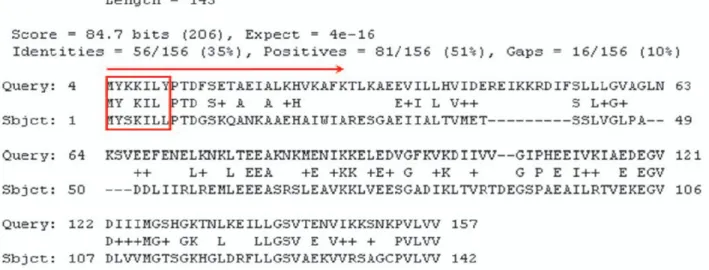
Given a dataset of proteins with known localization sites, we construct a knowledge base, called Similar-Peptide Knowledge Base (or SPKB in short). The dataset used to construct SPKB will be described in the Result section. To construct the knowledge base, we first use the native sequence of each protein in the dataset to extract the fixed-length peptide fragments by using a sliding window of length w. Each peptide sequence as well as its protein source and the localization site information are stored in SPKB. Since the performance of knowledge-based methods relies on the size of the knowledge base, we then perform PSI-BLAST search with parameters j = 3, e = 0.001 on each protein in the dataset against the NCBInr database to find similar sequences. Since the NCBInr database contains only the protein sequence information, the localization annotation of peptides generated by similar sequences is determined as follows. Specifically, given a query protein sequence q, PSI-BLAST would generate a large number of significant local pairwise alignments called high-scoring segment pairs (HSPs) between q and its similar proteins. An example of an HSP is shown in Figure 2. Statistically significant BLAST hits usually signify sequence homology. We assumed that in an HSP, the similar peptide sequences in the counterpart sequence (denoted by“Sbjct”) represent the possible sequence variations to the corresponding peptide in the query (denoted by “Query”), i.e., the protein q. We use the same sliding window of length w to generate all peptide fragments in each HSP. Two amino acids aligned together in an HSP are said to be interchangeable if they have a positive score in the BLOSUM62 (an interchangeable residue pair is repre-sented as an amino acid letter or a plus symbol in an HSP). The number of amino acid pairs being inter-changeable within a sliding window represents the similarity level of the two peptide fragments. A peptide in Sbjct is called a similar peptide if it has at least k residues interchangeable to those of the corresponding peptide in Query. A similar peptide is used to signify local sequence Figure 1
Two different transitivity relationships. (a) Protein A and protein B share sequence identity of 34%, and protein B and protein C share sequence identity of 27%, whereas protein A and protein C only share sequence identity of 12%. We infer the homologous relationship between A and protein C through protein B. (b) Protein A and protein C are aligned with protein B1 and protein B2. The peptide fragments of B1 and B2 besieged by the rectangles are identical, the two corresponding peptide fragments of A and C are considered to be similar.
similarity between Sbjct and Query and thus is assigned the localization annotation of the protein q.
Performing PSI-BLAST search for all proteins in the dataset, we can generate a huge number, possibly multi-millions, of similar peptides with localization annota-tion. Each record in the knowledge base is indexed by a similar peptide, and stores its similar peptide sequences and protein sources (those that are used as query proteins in the PSI-BLAST searches), similarity level and localization site information (inferred from the corresponding protein sources). Note that a similar peptide may occur multiple times in different HSPs of a single PSI-BLAST search result, i.e., derived from different similar proteins found in the PSI-BLAST search. We cluster them together and store the frequency in the peptide record. Table 1 shows a record of the similar peptide MYSKILL (assuming that the window size is 7), which is generated by performing PSI-BLAST search on
the three proteins (A, B, and C) with known localization sites, respectively. The frequencies of MYSKILL in the PSI-BLAST search results of proteins A, B, and C are 21, 12, and 17, respectively. The localization site informa-tion is inherited from the three protein sources.
KnowPredsite: a localization prediction method
using SPKB
The main idea of KnowPredsite is illustrated in Figure 3.
Given a target protein t, whose localization annotation is unknown and to be predicted, we perform PSI-BLAST search and use the same procedure as described in the last subsection for knowledge base construction to generate all similar peptides of t and their frequencies from its native sequence and HSPs. Each similar peptide hp is then matched against SPKB, and the peptide record with index hp is called a hit. For each hit, we calculate two types of scores associated with each localization site Figure 2
A real example of HSP found by PSI-BLAST. We define that MYSKILL (assuming that the window size is 7) is a similar peptide of MYKKILY and we treat it as an extended sequence feature of the query protein. The similarity level of MYSKILL and MYKKILY is 5 since there are five interchangeable residue pairs within that window. We can generate multiple similar peptides from protein gi|2622094 (Sbjct) for the query protein.
Table 1: A similar peptide example Similar Peptide: MYSKILL
Protein Source Localization Sites Native Peptide Sequence Similarity Level Frequency
A Cytoplasm MYKKILY 5 21
B Nuclear MYSSIIL 4 12
C Cytoplasm Extracellular MYSSILY 5 17
Three protein sources with known localization sites contain peptides that are aligned and similar to the peptide MYSKILL in their HSPs. The similarity level indicates the number of amino acid pairs that are interchangeable between the native peptide sequence and the similar peptide sequence. The frequency represents the number of occurrences they are aligned in HSPs.
i: the voting score siand the confidence score CS(i). The
calculation of the voting score si is as follows: Let f
denote the frequency of hp found in all t’s HSPs. For each record in SPKB, we calculate the score wiassociated with
each localization site by summing up the frequencies of the similar peptides that contain the specific site. For example, for the peptide record MYSKILL shown in Table 1, the score of cytoplasm is 38 (21+17; since protein source A and C are both localized into cytoplasm), and those of nuclear and extracellular are 12 and 17, respectively. Then the voting score si is
defined as f multiplied by (wi/total frequencies in that
record). For example, if MYSKILL is a similar peptide of t and its frequency is 10 in t’s HSPs, then the voting scores of cytoplasm, nuclear, and extracellular are 7.6 (=10 × 38/50), 2.4 (=10 × 12/50), and 3.4 (=10 × 17/50), respectively, while those of other localization sites are all 0.
The localization site prediction of the protein t is determined by the confidence score CS(i), which is the total voting score aggregated from all hit records. Finally, each CS(i) is divided by the summation of all frequen-cies f of all t’s hits and then multiplied by 100 to normalize the confidence score in the range of 0 and 100. KnowPredsitepredicts t being localized into the site
with the highest confidence score for single-localized proteins or into the sites with the two highest confidence scores for multi-localized proteins (All multi-localized proteins in ngLOC dataset have two localization sites).
To differentiate single-localized proteins from those that are multi-localized, we followed King and Guda’s method [23] to calculate the multi-localized confidence score (MLCS) associated with a protein t, which gives a relative measure of the likelihood that the protein t is multi-localized. It is derived from the two highest confidence scores (denoted as CS1 and CS2) and is
defined as follows: MLCS t( ) (CS CS ) (CS CS ) . , = 1+ 2 − 1− 2 22 100 0
and MLCS(t) is bounded by 100, i.e., when the calculated MLCS(t) is over 100, it is assigned 100.
BLAST-hit prediction method
Since BLAST is the most popular method for sequence comparison, we implemented a simple prediction method based on the BLAST search result. Given a dataset of proteins with known localization site(s), to predict the localization site(s) of a test protein t we first perform the BLAST search against the dataset and then assign the localization annotations of the best BLAST hit to the protein t. If there is no hit at the e-value cutoff 0.001, no annotation will be assigned to the protein t. As reported by Jones and Swindells, the e-value of 0.001 generally produces a safe searching [28]. The perfor-mance of BLAST-based prediction method is usually Figure 3
treated as the baseline to compare with those of other methods [29].
Evaluation measure
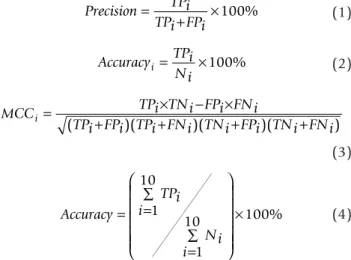
The performance is estimated using the following measurements. To assess the performance in each localization site, precision, accuracy and Matthew’s correlation coefficient (MCC) are calculated by Equations (1) to (3), respectively. The overall accuracy is defined in Equation (4). Precision TPi TPi FPi = + ×100% (1) Accuracy TPi Ni i = ×100% (2)
MCC TPi TNi FPi FNi
TPi FPi TPi FNi TNi FPi TNi FNi
i= + +× − ×+ + ( )( )( )( ) (3) Accuracy TPi i Ni i = = ∑ = ∑ ⎛ ⎝ ⎜ ⎜ ⎜ ⎜⎜ ⎞ ⎠ ⎟ ⎟ ⎟ ⎟⎟ × 1 10 1 10 100% (4)
where TPi, TNi, FPi, FNi, and Ni are, respectively, the
number of true positives, true negatives, false positives, false negatives, and proteins in localization site i. MCC, which considers both under- and over-predictions, provides a complementary measure of the predictive performance, where MCC = 1 indicates a perfect prediction, MCC = 0 indicates a completely random assignment, and MCC = -1 indicates a perfectly reverse correlation.
Results
KnowPredsite was implemented as a parallel program
under the Linux environment. It was implemented using C++ and MPICH library. We used the ngLOC dataset [23] to construct the knowledge base and test the performance of KnowPredsite. The dataset is compiled
from 1923 different species and contains 28056 protein sequences (listed in Additional file 1), including 25887 single localized proteins and 2169 multi-localized proteins. There are ten different subcellular locations among these proteins, which are Cytoplasm (CYT), Cytoskeleton (CSK), Endoplasmic Reticulum (END), Extracellular (EXC), Golgi Apparatus (GOL), Lysosome (LYS), Mitochondria (MIT), Nuclear (NUC), Plasma Membrane (PLA), and Perixosome (POX).
We conducted two types of experiment on the dataset. First, in order to take advantages of local similarities
from as many proteins as possible, we conducted the leave-one-out cross validation experiment to determine the parameters and to evaluate the performance of KnowPredsite. In this experiment, each protein was in
turn used as the test protein and the remaining 28055 proteins were used to construct the knowledge base. Second, we compared the performance of KnowPredsite
with existing methods. Since the dataset is from ngLOC and ngLOC has been shown to be better than PSORT [30], pTARGET [31] and PLOC [32] using the same dataset, we directly compare KnowPredsite against
ngLOC using ten-fold cross validation. In this experi-ment, all proteins were partitioned into 10 subsets, and each subset was in turn used as the test set and the remaining nine subsets were used to construct the knowledge base.
Determining window size w and similarity threshold k for KnowPredsite
KnowPredsiteaims to utilize the localization annotations
of similar peptides. The determination of similar relations, which depends on the window size w and the threshold of similarity level k, can affect the performance of KnowPredsite. Using a smaller w, similar
peptides have a higher probability to be hit against the knowledge base; however, shorter peptide sequences are likely to appear in many unrelated proteins. Given a fixed w, there is also a trade-off in choosing the threshold of similarity level k. A smaller k produces looser similarity relations, which leads to extracting more, but less reliable, similar peptides. To make an appropriate selection of w and k, we conducted a leave-one-out cross validation experiments on only the single-localized proteins in the ngLOC dataset for w ranging from 3 to 11 and k ranging from 0 to w.
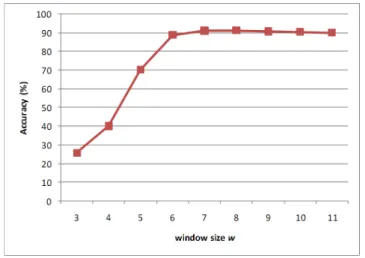
Figure 4 shows the overall accuracies of KnowPredsite
using different window size w with fixed similarity threshold (k = 0). It shows that the appropriate window size is 7 or 8. Then we further investigate the performance using different thresholds of similarity levels. Table 2 shows the overall accuracies ranging from 90.9% to 92.0% for all combinations of window sizes (w = 7, 8) and similarity thresholds. According to the experiment results, we chose the combination of w = 7 and k = 6 for the following experiments since they provided the best accuracy 92.0%.
Prediction performance of KnowPredsite
After the best parameters have been determined, we conducted a ten-fold cross validation experiment on the entire dataset to compare KnowPredsitewith ngLOC and
Blast-hit prediction. We used the top N accuracy for evaluation, where N ranges from 1 to 4. A protein is
considered to be correctly predicted when the real localization site(s) rank among the top N of the predicted sites. (Top 1 accuracy is simply the Accuracy defined in Equation (4).) Notably, for multi-localized proteins, the accuracy is measured in two ways: first, at least one site correctly predicted and second, both sites correctly predicted. Using the first measurement, a true positive is a multi-localized protein with at least one localization site correctly predicted; whereas a true positive using the second measurement is a multi-localized protein with both sites correctly predicted. The prediction performance of KnowPredsite, ngLOC,
and Blast-hit is summarized in Table 3, in which KnowPredsite performance is reported with ten-fold
cross validation and leave-one-out cross validation as denoted by #KnowPredsite and *KnowPredsite,
respec-tively. It is observed that KnowPredsite outperforms
ngLOC and Blast-hit. (The prediction results of single-and multi-localized proteins by KnowPredsite can be
found in Additional file 2 to Additional file 5. Additional file 2 lists the prediction results for single-localized proteins using leave-one-out cross validation; Additional file 3 lists the prediction results for single-localized
proteins using ten-fold cross validation; Additional file 4 lists the prediction results for multi-localized proteins using leave-one-out cross validation; Additional file 5 lists the prediction results for multi-localized proteins using ten-fold cross validation.)
For single-localized proteins, the overall accuracies of KnowPredsite are from 91.7 to 98.1 when the correct
prediction is considered within the top 1 to top 4 most probable sites. Those of ngLOC are from 88.8% to 96.3%. The accuracy of Blast-hit is 86.0%, which means 86.0% of single-localized proteins could be correctly predicted by BLAST searches. It is noteworthy that 2114 sequences among all single-localized proteins failed to find significant similar proteins by Blast-hit method; however, 58.8% of them were correctly predicted by KnowPredsite. It shows that the local similarity helps
identify related sequences for subcellular localization prediction.
The experiment result shows that KnowPredsite has
much higher accuracy on multi-localized proteins than the other methods. Using the first accuracy measure-ment, i.e., at least one site correctly predicted, Know-Predsite achieves more than 90% of the top 1 accuracy,
which is higher than ngLOC by 8.2%. Using the tighter second accuracy measurement, KnowPredsite achieves
72.1% of the top 2 accuracy, which is higher than ngLOC by 12.4%. Further observing the top N accuracy, we find that KnowPredsite is more able to narrow down the
number of false positives than ngLOC.
The top 1 and top 2 accuracies of the Blast-hit method are 78.8% and 45.7% for the two accuracy measure-ments. Notably, 318 proteins among all multi-localized proteins failed to find any significant Blast hit; however, 73.3% and 49.7% of them were correctly predicted by KnowPredsite using the two accuracy measurements,
respectively.
Site-specific prediction performance
In contrast to the overall accuracy of the dataset reported in Table 3, we further analyze the prediction perfor-mance on each of the 10 distinct localization sites. The Figure 4
The overall accuracies of KnowPredsiteusing
different size of similar peptide length.
Table 2: The overall accuracies using different thresholds of similarity levels for window size 7 and 8
Similarity Level Threshold k 0 1 2 3 4 5 6 7 8
Overall Accuracy (%) w = 7 91.2 91.2 91.3 91.4 91.5 91.8 92.0 91.6 -Overall Accuracy (%) w = 8 91.4 91.4 91.4 91.4 91.4 91.5 91.6 91.7 90.9
The combination of w = 7 and k = 6 provides the best accuracy. Some results are shown to have identical overall accuracies due to the rounding off to the first decimal place.
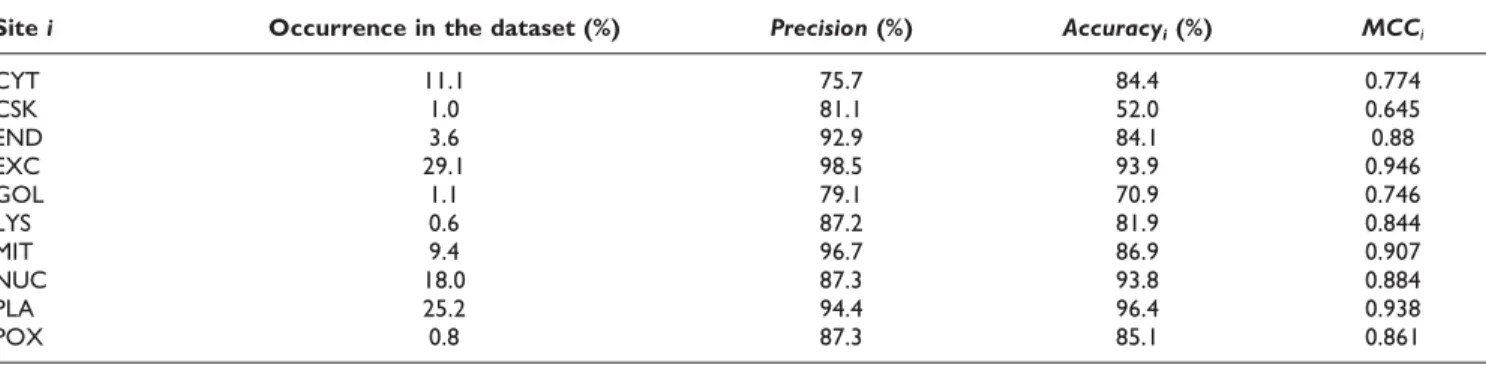
results are summarized in Table 4. Among the 10 localization sites, the precision ranges from 75.7% to 98.5% and the accuracyiranges from 52.0% to 96.4%. It
is observed that higher occurrence of the localization site, e.g., EXC (29.1%) and PLA (25.2%), leads to better prediction, e.g., the precision and accuracy on EXC are 98.5% and 93.9%, respectively. Low occurrence of the localization site can deteriorate prediction, for example,
CSK (1%) and GOL (1.1%) have MCCi of 0.645 and
0.746, respectively. However, if the similar peptide records of a site have higher specificity, prediction performance can be good despite low occurrence. For example, the precision and accuracy on LYS (0.6%) and POX (0.8%) are 87.2% and 81.9%, and 87.3% and 85.1%, respectively. Furthermore, it is noteworthy that although CYT represents 11.1% of the dataset, its MCCi
is 0.774, much lower than other highly occurring sites. Its low MCCiis due to low precision since KnowPredsite
yields more false positives for CYT. High false positives usually occur when the similar peptide records of a site have lower specificity and higher diversity. As a result,
proteins of other localization sites are misclassified as CYT.
Figure 5 shows the site-specific comparison between KnowPredsiteand ngLOC in terms of accuracy and MCC.
KnowPredsite outperforms ngLOC in eight localization
sites (CSK, END, EXC, GOL, MIT, NUC, PLA, POX) in terms of MCC. The two sites where ngLOC performs better are CYT (0.777 for ngLOC and 0.774 for KnowPredsite) and LYS (0.902 for ngLOC and 0.844 for
KnowPredsite). In terms of accuracy, KnowPredsite
out-performs ngLOC in all sites except for LYS (representing around 0.6% of the whole dataset), where ngLOC and KnowPredsite yields 85.5% and 81.9% of accuracy, respectively.
Evaluation of the multi-localized confidence score (MLCS)
A significant number of eukaryotic proteins are known to be localized into multiple subcellular organelles;
Table 4: Prediction performance of KnowPredsitefor each site using precision, accuracy, and MCC
Site i Occurrence in the dataset (%) Precision (%) Accuracyi(%) MCCi
CYT 11.1 75.7 84.4 0.774 CSK 1.0 81.1 52.0 0.645 END 3.6 92.9 84.1 0.88 EXC 29.1 98.5 93.9 0.946 GOL 1.1 79.1 70.9 0.746 LYS 0.6 87.2 81.9 0.844 MIT 9.4 96.7 86.9 0.907 NUC 18.0 87.3 93.8 0.884 PLA 25.2 94.4 96.4 0.938 POX 0.8 87.3 85.1 0.861
Table 3: Prediction performance of KnowPredsite, ngLOC, and Blast-hit
Overall Accuracy (%) Methods Top 1 Top 2 Top 3 Top 4
Single-localized *KnowPredsite 92.0 95.7 96.8 98.1
#
KnowPredsite 91.7 95.4 96.6 97.9
ngLOC 88.8 92.2 94.5 96.3
Blast-hit 86.0 - -
-Multi-localized (at least 1 correct)
*KnowPredsite 90.8 96.4 98.2 98.9 # KnowPredsite 90.1 96.1 98.1 98.9 ngLOC 81.9 92.0 96.1 97.4 Blast-hit 78.8 - - -Multi-localized (both correct) *KnowPredsite 74.3 83.3 88.7 #KnowPred site 72.1 82.2 87.5 ngLOC 59.7 73.8 83.2 Blast-hit 45.7 -
-*KnowPredsite represents the experiment result using leave-one-out cross validation; #KnowPredsite represents the experiment result using 10-fold cross validation.
therefore, it is important to differentiate single-localized proteins from multi-localized proteins. We used the entire ngLOC dataset to compare different MLCS thresh-olds on the correct distinction between single-localized and multi-localized proteins. Specifically, we used the portions of true positives in the multi-localized proteins and true negatives in the single-localized proteins as the performance measures. A true positive represents a
multi-localized protein whose MLCS is above the threshold and a true negative represents a single-localized protein whose MLCS is below the threshold. We illustrate the cumulative percentages of true positive and true negative versus the MLCS threshold in Figure 6, which shows that the true negative curve is increasing along the MLCS axis whereas the true positive curve is decreasing. If the MLCS threshold is set to be 40, 60.7% of multi-localized proteins are true positives and 96.5% of single-localized proteins are true negatives. It shows that 60.7% of multi-localized proteins obtained MLCS of 40 or better, whereas only 3.5% of single-localized proteins within this range. If the MLCS threshold is set to be 20, 86.3% of multi-localized proteins are true positives and 82.8% of single-localized proteins are true negatives. In ngLOC, the best result shows that 76% of multi-localized proteins belong to true positives and 81% of single-localized proteins belong to true negatives when 40 of MLCS threshold is applied. The result shows that KnowPredsite better differentiate multi-localized
proteins from those that are single-localized.
Discussion
Unlike most machine learning methods that the para-meters of the prediction models are not biologically interpretable, the prediction result of KnowPredsite is
Figure 6
MLCS analysis. A true positive represents a multi-localized protein whose MLCS is above the threshold and a true negative represents a single-localized protein whose MLCS is below the threshold. We compare the ratio of true positives/true negatives to the total number of multi-/single-localized proteins.
Figure 5
Matthew's correlation coefficient (MCC) and accuracy comparison between KnowPredsiteand
interpretable and the prediction process is transparent and traceable. To predict the localization sites of a protein, KnowPredsiteshows the template sequences and
their associated contributive confidence scores for a query protein. Such information is useful for interpreta-tion of the predicinterpreta-tion results. In this secinterpreta-tion, we select the four sequences EF1A2_RABIT, RASH_HUMAN, MCA3_MOUSE, and CFDP2_BOVIN from the ngLOC dataset, to demonstrate the interpretation of
KnowPred-site prediction results.
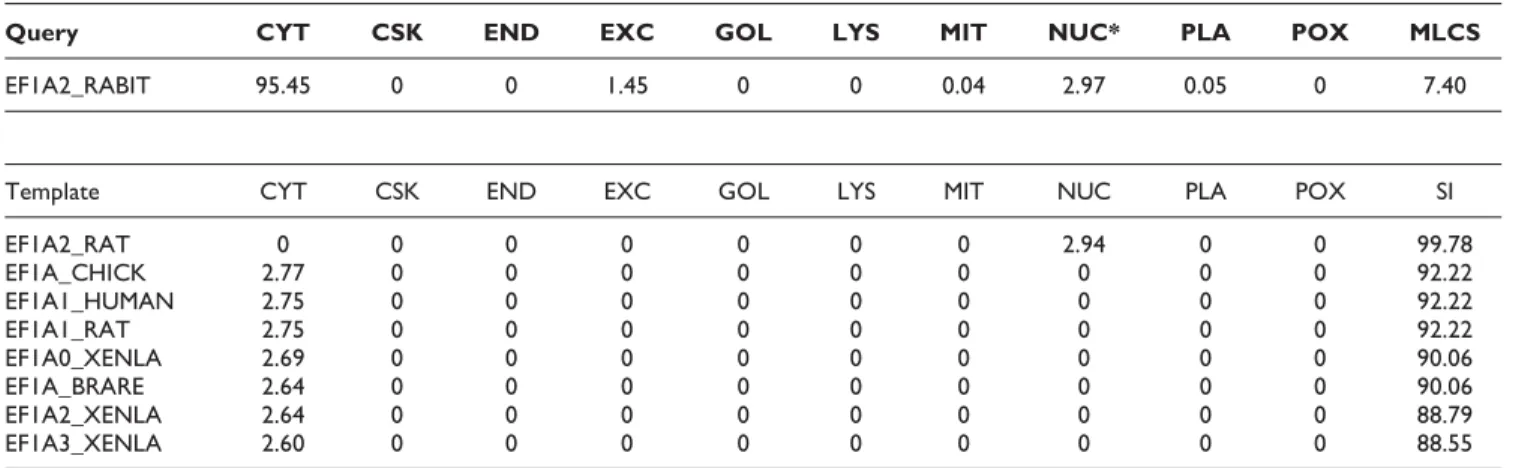
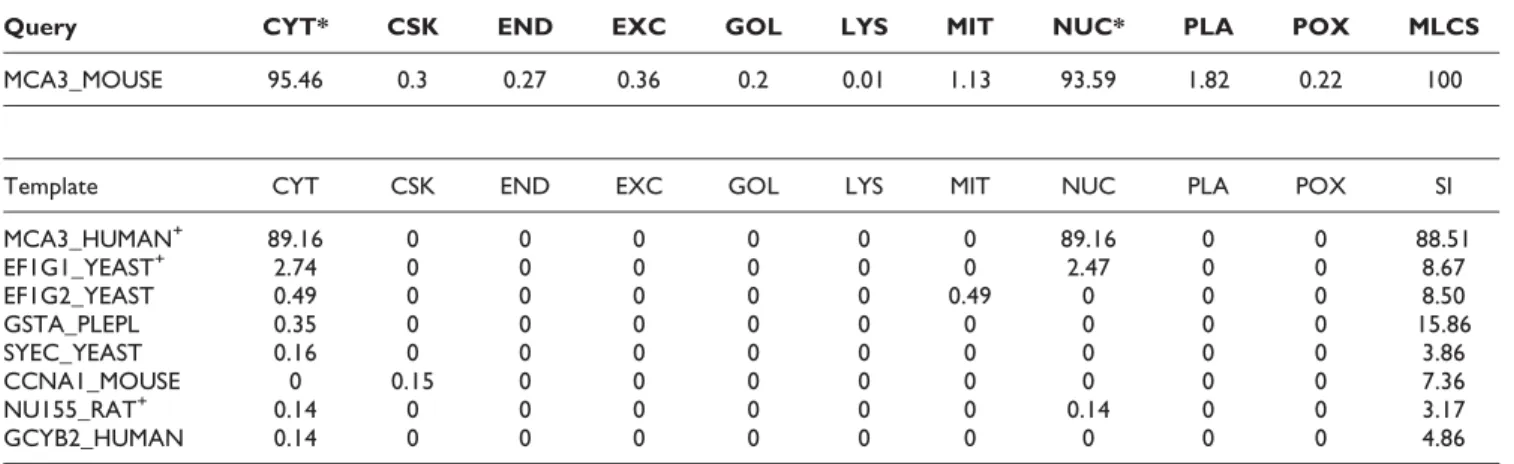
The prediction result of each of the first three proteins and its template sequences extracted from the knowledge base used for prediction are shown in Table 5, 6, 7, respectively. In each table, the prediction result shows the MLCS and the confidence score of each localization site that the query protein would be localized into. Moreover, the template proteins which are used to vote for the localization sites are shown in each table. We
only list the top eight template proteins which con-tribute most to the confidence scores of the query sequence. For each template sequence, its contribution to confidence score of each localization site and the sequence identity to the query protein calculated by ClustalW (denoted by SI) are shown.
In the example of EF1A2_RABIT shown in Table 5, KnowPredsite predicts it being single-localized at
cyto-plasm (CYT) since MLCS is very low (7.40) and CYT has the highest confidence score. However, the localization site of EF1A2_RABIT reported in the ngLOC dataset is nuclear (NUC). Examining the eight template proteins, we find that they all have high sequence identities with EF1A2_RABIT and most of them are localized into CYT except EF1A2_RAT localized into NUC. According to the Gene Ontology annotation, it is localized into CYT and NUC, which are the two sites with the highest confidence scores in KnowPredsite’s prediction.
Table 6: Prediction result of RASH_HUMAN
Query CYT* CSK END EXC GOL* LYS MIT NUC PLA POX MLCS
RASH_HUMAN 18.95 0.06 0.09 0.09 13.74 0.04 0.24 0.25 83.61 0 36.24
Template CYT CSK END EXC GOL LYS MIT NUC PLA POX SI
RASK_HUMAN 0 0 0 0 0 0 0 0 13.88 0 86.32 RASK_MOUSE 0 0 0 0 0 0 0 0 13.81 0 86.32 RASN_HUMAN 13.19 0 0 0 13.19 0 0 0 0 0 85.19 LET60_CAEEL 0 0 0 0 0 0 0 0 10.55 0 74.07 RAS3_RHIRA 0 0 0 0 0 0 0 0 5.05 0 57.07 RAS1_RHIRA 0 0 0 0 0 0 0 0 4.88 0 58.62 RAS2_RHIRA 0 0 0 0 0 0 0 0 4.33 0 35.20 RAS_LIMLI 0 0 0 0 0 0 0 0 4.15 0 46.03
*: correct answer; SI: sequence identity. Table 5: Prediction result of EF1A2_RABIT
Query CYT CSK END EXC GOL LYS MIT NUC* PLA POX MLCS
EF1A2_RABIT 95.45 0 0 1.45 0 0 0.04 2.97 0.05 0 7.40
Template CYT CSK END EXC GOL LYS MIT NUC PLA POX SI
EF1A2_RAT 0 0 0 0 0 0 0 2.94 0 0 99.78 EF1A_CHICK 2.77 0 0 0 0 0 0 0 0 0 92.22 EF1A1_HUMAN 2.75 0 0 0 0 0 0 0 0 0 92.22 EF1A1_RAT 2.75 0 0 0 0 0 0 0 0 0 92.22 EF1A0_XENLA 2.69 0 0 0 0 0 0 0 0 0 90.06 EF1A_BRARE 2.64 0 0 0 0 0 0 0 0 0 90.06 EF1A2_XENLA 2.64 0 0 0 0 0 0 0 0 0 88.79 EF1A3_XENLA 2.60 0 0 0 0 0 0 0 0 0 88.55
In the example of RASH_HUMAN shown in Table 6, KnowPredsite predicts RASH_HUMAN being localized
into plasma membrane (PLA) and cytoplasm (CYT). However, the correct localization site is cytoplasm and Golgi apparatus (GOL). Referring to the prediction result, the confidence score of PLA is much higher than those of CYT and GOL. It is also observed that most of the template proteins are localized into PLA. According to the annotation in Gene Ontology and SwissProt, RASH_HUMAN is localized into PLA and GOL, and the template protein, RASN_HUMAN, is also localized into PLA and GOL. If applying the new annotation data, KnowPredsitecan predict RASH_HUMAN correctly.
As for MCA3_MOUSE shown in Table 7, KnowPredsite
predicts its MLCS 100 and it being localized into cytoplasm (CYT) and nuclear (NUC) correctly. Examin-ing the template proteins, we observe that KnowPredsite
identifies some related proteins, i.e., which have the same localization with the query protein. EF1G1_YEAST and NU155_RAT, even though they share very low sequence identity 8.67% and 3.17%, respectively, with the query protein. Notably, the two template proteins rank second and seventh, respectively, among all template proteins. Furthermore, though GSTA_PLEPL has higher sequence identity (15.86%) with the query protein than EF1G1_YEAST, the confidence score con-tributed by EF1G1_YEAST is much higher than that by GSTA_PLEPL (2.74 vs. 0.35). It shows that the con-tributive confidence score is not necessary to be positively correlated with the sequence identity when template sequences are dissimilar with the query sequence. In this example, EF1G1_YEAST shares more local similarities (peptide fragments) with the query protein than GSTA_PLEPL does. If MCA3_HUMAN, the one that shares 88.51% sequence identity with the query protein, is taken out from the template pool,
KnowPredsite can still predict correctly for protein
MCA3_MOUSE.
For the multi-localized proteins, there are 318 proteins unable to find similar sequences by the Blast-hit method. However, the localization sites of around half of them can be correctly predicted by KnowPredsite. We randomly
choose an example, CFDP2_BOVIN, to demonstrate the KnowPredsite’s capability of identifying related sequences
from the template pool. The two highest confidence scores of CFDP2_BOVIN are 32.07 (CYT) and 41.18 (NUC). Among the top 100 templates (ranked by the contribution to the confidence scores), 12 of them are localized into CYT and NUC, 18 are localized into CYT only, and 32 are localized into NUC only. Their sequence identities against CFDP2_BOVIN are very low, ranging from 3.47% to 13.8%. The result suggests that local similarity captured by our method is beneficial for PSL prediction when global sequence similarity is very low.
Conclusion
In this paper, we propose a highly accurate subcellular localization prediction method for single- and multi-localized proteins, called KnowPredsite, which is based
on a knowledge base instead of frequently used machine learning approaches. The knowledge base, called SPKB, is constructed from a given dataset of proteins with known localization site annotation to capture local similarity between proteins so that related proteins with the same localization can be identified. Using these related proteins obtained form the knowledge base, the localization site of a query protein can be better predicted.
We used the ngLOC dataset to evaluate the performance of KnowPredsite. The dataset consists of 25887 single-localized
Table 7: Prediction result of MCA3_MOUSE. Templates marked with '+' are those that have the same localization annotation with the query protein
Query CYT* CSK END EXC GOL LYS MIT NUC* PLA POX MLCS
MCA3_MOUSE 95.46 0.3 0.27 0.36 0.2 0.01 1.13 93.59 1.82 0.22 100
Template CYT CSK END EXC GOL LYS MIT NUC PLA POX SI
MCA3_HUMAN+ 89.16 0 0 0 0 0 0 89.16 0 0 88.51 EF1G1_YEAST+ 2.74 0 0 0 0 0 0 2.47 0 0 8.67 EF1G2_YEAST 0.49 0 0 0 0 0 0.49 0 0 0 8.50 GSTA_PLEPL 0.35 0 0 0 0 0 0 0 0 0 15.86 SYEC_YEAST 0.16 0 0 0 0 0 0 0 0 0 3.86 CCNA1_MOUSE 0 0.15 0 0 0 0 0 0 0 0 7.36 NU155_RAT+ 0.14 0 0 0 0 0 0 0.14 0 0 3.17 GCYB2_HUMAN 0.14 0 0 0 0 0 0 0 0 0 4.86
proteins and 2169 multi-localized proteins of ten subcellular proteomes from 1923 species. In order to compare Know-Predsitewith ngLOC and the baseline Blast-hit method, we
performed ten-fold cross validation on the dataset. The experiment results show that KnowPredsite achieves higher
prediction accuracy than ngLOC and Blast-hit. Particularly, on multi-localized sequences KnowPredsite outperformed
ngLOC by 8.2% in accuracy when a protein is correctly predicted if at least one site is correctly identified and by 12.4% in accuracy when a protein is correctly predicted if both sites are correctly identified.
A major advantage of knowledge base approaches is that the prediction process is transparent and interpretable. We can examine the prediction process to see how KnowPredsitegenerates the prediction. Furthermore, with
close observation from the prediction results in our experiments as described in the Discussion section, we find that KnowPredsitecan efficiently use local similarity
to identify related sequences even when their sequence identity is low so as to predict localization site with high accuracy.
When more proteins have known localization sites, most machine learning based methods need to retrain the prediction models, In contrast, KnowPredsite can be
easily improved by incrementally expanding the knowl-edge base, i.e., adding new peptide records or updating existing records with new protein sources and their localization site information. This feature indicates the expansibility and efficiency in maintaining the KnowPredsiteprediction system.
Competing interests
The authors declare that they have no competing interests.
Authors’ contributions
Hsin-Nan Lin developed the method, carried out the computational predictions. Ching-Tai Chen and Hsin-Nan Lin were involved in the literature survey, result interpretation, statistical analysis, and manuscript writ-ing. Ting-Yi Sung, Shinn-Ying Ho and Wen-Lian Hsu coordinated the study and revised the manuscript. All authors read and approved the final manuscript.
Note
Other papers from the meeting have been published as part of BMC Genomics Volume 10 Supplement 3, 2009: Eighth International Conference on Bioinformatics (InCoB2009): Computational Biology, available online at http://www. biomedcentral.com/1471-2164/10?issue=S3.
Additional material
Additional file 1
ngLOC dataset. The file contains whole ngLOC dataset, in which the row starts with '>' represents the protein name, the next row represents localization site. The localization site is numbered from 1 to 10, denoting Cytoplasm (CYT), Cytoskeleton (CSK), Endoplasmic Reticulum (END), Extracellular (EXC), Golgi Apparatus (GOL), Lysosome (LYS), Mitochondria (MIT), Nuclear (NUC), Plasma Membrane (PLA), and Perixosome (POX). The ngLOC dataset can be also downloaded via http://bio-cluster.iis.sinica.edu.tw/kbloc/DataSet. htm.
Click here for file
[http://www.biomedcentral.com/content/supplementary/1471-2105-10-S15-S8-S1.txt]
Additional file 2
KnowPredsiteprediction results for single-localized proteins using
leave-one-out cross validation. Each row is a prediction result for a protein sequence. Columns A, and B represent protein name and localization site annotation, respectively. Columns C to L are the confidence scores corresponding to each localization site. Columns N to Q are the Top 1 to Top 4 accuracies.
Click here for file
[http://www.biomedcentral.com/content/supplementary/1471-2105-10-S15-S8-S2.csv]
Additional file 3
KnowPredsiteprediction results for single-localized proteins using
ten-fold cross validation. The columns' definition is the same as that for Additional File 2.
Click here for file
[http://www.biomedcentral.com/content/supplementary/1471-2105-10-S15-S8-S3.csv]
Additional file 4
KnowPredsiteprediction results for multi-localized proteins using
leave-one-out cross validation. Each row is a prediction result for a protein sequence. Columns A to L are the same to Additional File 2. Columns N to Q are the Top 1 to Top 4 accuracies based on the "at least one correct" criterion. Columns S to U are Top 2 to Top 4 accuracies based on the "both correct" criterion.
Click here for file
[http://www.biomedcentral.com/content/supplementary/1471-2105-10-S15-S8-S4.csv]
Additional file 5
KnowPredsiteprediction results for multi-localized proteins using
ten-fold cross validation. The columns' definition is the same as that for Additional file 4.
Click here for file
[http://www.biomedcentral.com/content/supplementary/1471-2105-10-S15-S8-S5.csv]
Acknowledgements
Thanks to all who developed PSI-BLAST and made it publicly available. We also appreciate Chia-Yu Su for helpful discussions.
This article has been published as part of BMC Bioinformatics Volume 10 Supplement 15, 2009: Eighth International Conference on Bioinformatics
(InCoB2009): Bioinformatics. The full contents of the supplement are available online at http://www.biomedcentral.com/1471-2105/10? issue=S15.
References
1. Nair R and Rost B: Better prediction of sub-cellular localiza-tion by combining evolulocaliza-tionary and structural informalocaliza-tion. Proteins 2003, 53(4):917–930.
2. Gardy JL, Laird MR, Chen F, Rey S, Walsh CJ, Ester M and Brinkman FS: PSORTb v.2.0: expanded prediction of bacterial protein subcellular localization and insights gained from comparative proteome analysis. Bioinformatics 2005, 21(5):617–623.
3. Hoglund A, Donnes P, Blum T, Adolph HW and Kohlbacher O: MultiLoc: prediction of protein subcellular localization using N-terminal targeting sequences, sequence motifs and amino acid composition. Bioinformatics 2006, 22(10):1158–1165. 4. Wang JR, Sung WK, Krishnan A and Li KB: Protein subcellular
localization prediction for Gram-negative bacteria using amino acid subalphabets and a combination of multiple support vector machines. BMC Bioinformatics 2005, 6:174. 5. Yu CS, Chen YC, Lu CH and Hwang JK: Prediction of protein
subcellular localization. Proteins 2006, 64(3):643–651. 6. Yu CS, Lin CJ and Hwang JK: Predicting subcellular localization
of proteins for Gram-negative bacteria by support vector machines based on n-peptide compositions. Protein Sci 2004, 13(5):1402–1406.
7. Chang JM, Su EC, Lo A, Chiu HS, Sung TY and Hsu WL: PSLDoc: Protein subcellular localization prediction based on gapped-dipeptides and probabilistic latent semantic analysis. Proteins 2008, 72(2):693–710.
8. Bhasin M, Garg A and Raghava GP: PSLpred: prediction of subcellular localization of bacterial proteins. Bioinformatics 2005, 21(10):2522–2524.
9. Chou KC and Cai YD: Predicting protein localization in
budding yeast. Bioinformatics 2005, 21(7):944–950.
10. Gardy JL, Spencer C, Wang K, Ester M, Tusnady GE, Simon I, Hua S, deFays K, Lambert C and Nakai K, et al: PSORT-B: Improving protein subcellular localization prediction for Gram-nega-tive bacteria. Nucleic Acids Res 2003, 31(13):3613–3617. 11. Lee K, Kim DW, Na D, Lee KH and Lee D: PLPD: reliable protein
localization prediction from imbalanced and overlapped datasets. Nucleic Acids Res 2006, 34(17):4655–4666.
12. Nair R and Rost B: Mimicking cellular sorting improves prediction of subcellular localization. J Mol Biol 2005, 348 (1):85–100.
13. Huang WL, Tung CW, Ho SW, Hwang SF and Ho SY: ProLoc-GO: utilizing informative Gene Ontology terms for sequence-based prediction of protein subcellular localization. BMC Bioinformatics 2008, 9:80.
14. Marcotte EM, Xenarios I, Bliek van Der AM and Eisenberg D: Localizing proteins in the cell from their phylogenetic profiles. Proc Natl Acad Sci USA 2000, 97(22):12115–12120. 15. Mott R, Schultz J, Bork P and Ponting CP: Predicting protein
cellular localization using a domain projection method. Genome Res 2002, 12(8):1168–1174.
16. Su EC, Chiu HS, Lo A, Hwang JK, Sung TY and Hsu WL: Protein subcellular localization prediction based on compartment-specific features and structure conservation. BMC Bioinfor-matics 2007, 8:330.
17. Rychlewski L, Jaroszewski L, Li WZ and Godzik A: Comparison of sequence profiles. Strategies for structural predictions using sequence information. Protein Science 2000, 9(2):232–241. 18. Sadreyev R and Grishin N: COMPASS: A tool for comparison of
multiple protein alignments with assessment of statistical significance. Journal of Molecular Biology 2003, 326(1):317–336. 19. Przybylski D and Rost B: Consensus sequences improve
PSI-BLAST through mimicking profile-profile alignments. Nucleic Acids Research 2007, 35(7):2238–2246.
20. Pietrokovski S: Searching databases of conserved sequence regions by aligning protein multiple-alignments. Nucleic Acids Research 1996, 24(19):3836–3845.
21. Yona G and Levitt M: Within the twilight zone: A sensitive profile-profile comparison tool based on information the-ory. Journal of Molecular Biology 2002, 315(5):1257–1275. 22. Zhang S, Xia X, Shen J, Zhou Y and Sun Z: DBMLoc: a Database
of proteins with multiple subcellular localizations. BMC Bioinformatics 2008, 9:127.
23. King BR and Guda C: ngLOC: an n-gram-based Bayesian
method for estimating the subcellular proteomes of eukar-yotes. Genome Biology 2007, 8(5):.
24. Lin HN, Chang JM, Wu KP, Sung TY and Hsu WL: HYPROSP II–a knowledge-based hybrid method for protein secondary structure prediction based on local prediction confidence. Bioinformatics 2005, 21(15):3227–3233.
25. Wu KP, Lin HN, Chang JM, Sung TY and Hsu WL: HYPROSP: a hybrid protein secondary structure prediction algorithm–a knowledge-based approach. Nucleic Acids Res 2004, 32(17):5059–5065.
26. Chen CT, Lin HN, Sung TY and Hsu WL: HYPLOSP: a
knowledge-based approach to protein local structure pre-diction. J Bioinform Comput Biol 2006, 4(6):1287–1307.
27. Bolten E, Schliep A, Schneckener S, Schomburg D and Schrader R: Clustering protein sequences-structure prediction by tran-sitive homology. Bioinformatics 2001, 17(10):935–941.
28. Jones DT and Swindells MB: Getting the most from PSI-BLAST. Trends in Biochemical Sciences 2002, 27(3):161–164.
29. Forslund K and Sonnhammer ELL: Predicting protein function from domain content. Bioinformatics 2008, 24(15):1681–1687.
30. Nakai K and Horton P: PSORT: a program for detecting
sorting signals in proteins and predicting their subcellular localization. Trends Biochem Sci 1999, 24(1):34–36.
31. Guda C and Subramaniam S: pTARGET: a new method for
predicting protein subcellular localization in eukaryotes. Bioinformatics 2005, 21(24):4434–4434.
32. Park KJ and Kanehisa M: Prediction of protein subcellular locations by support vector machines using compositions of amino acids and amino acid pairs. Bioinformatics 2003, 19(13):1656–1663.
Publish with BioMed Central and every scientist can read your work free of charge
"BioMed Central will be the most significant development for disseminating the results of biomedical researc h in our lifetime."
Sir Paul Nurse, Cancer Research UK
Your research papers will be:
available free of charge to the entire biomedical community peer reviewed and published immediately upon acceptance cited in PubMed and archived on PubMed Central yours — you keep the copyright