國立臺灣大學公共衛生學院環境與職業健康科學研究所 碩士論文
Institute of Environmental and Occupational Health Sciences College of Public Health
National Taiwan University Master Thesis
臺灣新興熱帶臭蟲 (半翅目:臭蟲科) 之調查 Survey on new emerging Cimex hemipterus (Hemiptera:
Cimicidae) in Taiwan
王崇羽
Chung-Yu Wang
指導教授:蔡坤憲 博士 Advisor: Kun-Hsien Tsai, Ph.D.
中華民國 109 年 7 月 July 2020
致謝
獻給因臭蟲而結緣的所有人。Let's suffer the wonderful journey of finding bed bugs!
Abstract
Bed bugs are hematophagous, wingless, temporary ectoparasites in the family Cimicidae of order Hemiptera and spread out mainly by passive dispersal, e.g., hitchhiking on personal belongings. Two well-known species of bed bugs feeding on human are Cimex lectularius L. (common bed bug) and Cimex hemipterus (Fabricius) (tropical bed bug). Although bed bugs have not been proved to transmit disease but their bites may cause clinical symptom such as severe skin allergy and itching. In Taiwan, severe infestation of bed bugs rarely happened since DDT residual house spraying of malaria control program was conducted in 1952. There were occasional news reports but research on bed bugs was limited. However, current records showed bed bugs are rapidly widespread among urban area in developed countries since 1990s. To prevent introduction of bed bugs in Taiwan, the aims of this study are to understand bed bug species, infested premises, distribution, and population genetic composition. The sampling strategies are collaborating with 4 pest control companies and survey on 138 fishery harbors and 7 second-hand furniture plants of Environmental Protection Administration (EPA) in Taiwan. To compare COI gene of bed bug, 90 bed bugs in 9 sites shared from Universiti Sains Malaysia and 17 bed bugs in 1 site collected in Indonesia with Diponegoro University cooperation. The collected samples were initially conducted
morphological identification. The common and tropical bed bug was mainly distinguished by pronotum whether more than 2.5 times as wide as long at the middle;
furthermore, to observe haplotype diversity among population, mtDNA of bed bugs and its endosymbiont were observed by PCR products of partial sequences, COI and wsp (Wolbachia surface protein). In this study, total 26 collected sites of bed bugs, cooperating with pest control operators (PCOs) in 2019, were from worker dorms of foreign worker (N = 8), fishing vessels (N = 6), hotel rooms (N = 5), residential rooms with caregiver (N
= 5), and unknown sources which were PCO shared (N = 2) since 2018 to 2019; location of collections was distributed in 10 counties including 42.3% (11/26) were from Taichung city; the nationality of migrant workers and travelers had 76.9% (20/26) were Southeast Asia countries, especially 80% (16/20) were Indonesia. The results of oral survey on fishery harbors showed 23.9% (33/138) harbors were reported infestation of bed bugs encountered in September, 2019. Also, infestation of bed bugs was not found in any second-hand furniture plants of EPA. The results of morphological and molecular identification showed 100% were Cimex hemipterus. To compare haplotype diversity among Taiwan and reference samples (N = 35), COI sequences showed 5 haplotypes and haplotype 1 was similar to sequences from China, Malaysia, Thailand, Iran, India, Bangladesh, Kenya, and Senegal. The wsp sequences showed 10 sequences were similar
the haplotype 1 was similar to sequences from Malaysia, Indonesia, and India. According to collection data and haplotype results, samples collected from residential room and fishing vessel had higher genetic diversity. In the future, preventing introduction of tropical bed bugs will require more monitoring effort and research; also, hotel and living environment of migrant workers need to enhance management of bed bugs to stop the invasion and dispersal of bed bugs.
Keywords: Bed bug, Cimex hemipterus, invasion species, genetic diversity, Wolbachia
摘要
臭蟲屬於半翅目臭蟲科 (Hemiptera: Cimicidae),翅退化且具吸血特性,為暫時 停留的騷擾性外寄生蟲,族群擴散主要因宿主移動而被動傳播,如躲藏在私人物品 上。取食人類血液的二種重要臭蟲是溫帶臭蟲 (Cimex lectularius L.) 和熱帶臭蟲 (Cimex hemipterus (Fabricius)),雖然未被證明可傳播疾病,但其叮咬後可能造成嚴 重的皮膚過敏和發癢等臨床症狀。在臺灣,自從 1952 年抗瘧時期施行室內噴灑 DDT 後,嚴重的臭蟲為害事件便十分少見,偶有新聞報導但相關臭蟲研究有限。
根據文獻:自 1990 年代以來,臭蟲正迅速傳播在已發展國家都會地區。為了預防 臭蟲再度傳入臺灣造成危害,本研究針對在臺灣危害的臭蟲種類、出沒場所、地理 分佈、族群基因組成進行調查。採樣策略與 4 家病媒業者合作,並訪查全臺 138 個 漁港及環保署轄下二手家具回收廠 7 間。為了比對臭蟲之 COI 基因,向馬來西亞 理科大學 (Universiti Sains Malaysia) 分讓 9 個樣點 90 隻蟲體,以及與印尼迪波內 戈羅大學 (Diponegoro University) 合作採集到 1 個樣點 17 隻蟲體。採集的樣品首 先以形態鑑定物種,根據前胸背板長寬比 1 : 2.5 與邊緣延伸程度,做溫帶與熱帶 臭蟲分類,再透過分子生物學的 PCR 方法分析臭蟲粒線體 DNA 的 COI 與其內共 生物 Wolbachia 的 wsp 基因片段,以了解臭蟲族群多樣性。本研究於 2019 年間與 病媒業者合作,共收集了 26 個樣點的臭蟲,分別來自外籍工人的宿舍 (N = 8)、漁 船 (N = 6)、飯店房間 (N = 5)、有看護的居家 (N = 5) 與病媒業者未提供採樣環境 的樣點 (N = 2;時間點 2018~2019);樣點分布於 10 個縣市,其中有 42.3 % (11/26) 的樣本點來自台中市;採集環境為東南亞籍占 76.9% (20/26) ,其中 80% (16/20) 來自印尼。於 2019 年 9 月間漁港的訪查結果中,經口頭詢問各港口漁工與漁民,
在 23.9% (33/138) 的漁港中宣稱遇到臭蟲問題;另外,二手家具回收廠的調查並無 發現臭蟲。在物種鑑定結果裡,分子與形態鑑定的結果全是熱帶臭蟲。而比對國內 外共 35 個樣點的單倍體多樣性,COI 序列上發現有 5 個單倍體型,其中第一型單 倍體序列與來自中國、馬來西亞、泰國、伊朗、印度、孟加拉、肯亞、塞內加爾的 序列相同;在 wsp 序列上,有 10 條序列比對為 B 群 Wolbachia 且一致相同;27 條 序列比對為 F 群共有 3 個單倍體型,其中第一型單倍體序列與來自馬來西亞、印 尼、印度的序列相同。根據以上採集資料和單倍體型的結果,發現在居家與漁船採 集的臭蟲基因多樣性較高,在未來,防範熱帶臭蟲的引入需要更多的監測與研究投 入,並多加管理外籍移工的生活環境與飯店旅館,以早期阻斷臭蟲入侵與擴散。
Study Framework
Content
口試委員審定書
致謝 ... I
Abstract ... II 摘要 ... V
Study Framework ... VI Content ... VII List of Figures ... IX List of Tables ... XI
Chapter 1 Introduction ... 1
1.1 Biology of bed bugs ... 1
1.2 COI barcode gene ... 3
1.3 Endosymbiont Wolbachia in bed bugs ... 3
1.4 The medical importance of bed bugs ... 4
1.5 Resurgence of bed bugs ... 5
1.6 Distribution history and collection records of bed bugs in Taiwan ... 6
1.7 Foreigner arrivals by residence place in Taiwan ... 8
1.8 Study aims and hypothesis ... 9
Chapter 2 Materials & Methods ... 10
2.1 Overview of study design ... 10
2.2 Sample collection ... 10
2.3 Morphological identification ... 12
2.4 Molecular analysis ... 13
2.5 Sequence analysis ... 18
2.6 Collection records and statistical analysis ... 19
Chapter 3 Results ... 20
3.1 Sampling results and infested premises of bed bugs in Taiwan ... 20
3.2 Identification of bed bugs ... 22
3.3 Genetic diversity results ... 23
Chapter 4 Discussion ... 27
4.1 Prevalence of bed bugs and potential infestation risk in Taiwan... 27
4.2 Genetic diversity of Cimex hemipterus and possible source of bed bug invasion ... 28
4.3 Integrated pest control of bed bug infestation ... 30
4.4 Conclusion ... 31
References ... 33
Appendix ... 73
List of Figures
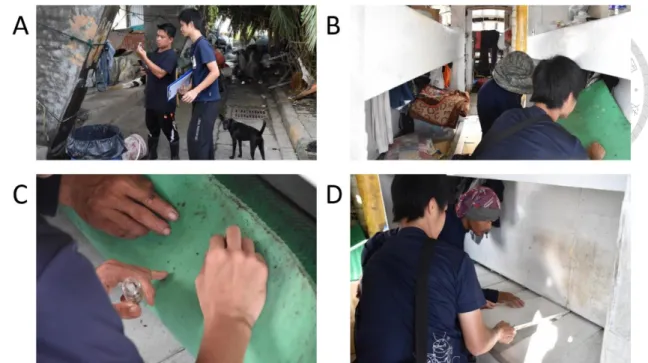
Figure 1 Scenario of sampling bed bugs in fishing vessel. ... 38
Figure 2 Collection sites of tropical bed bug (Cimex hemipterus) in Taiwan. ... 39
Figure 3 Collection sites (N = 26) grouped by 10 counties in Taiwan. ... 40
Figure 4 Collection sites (N = 26) grouped by 6 infested premises in Taiwan. ... 41
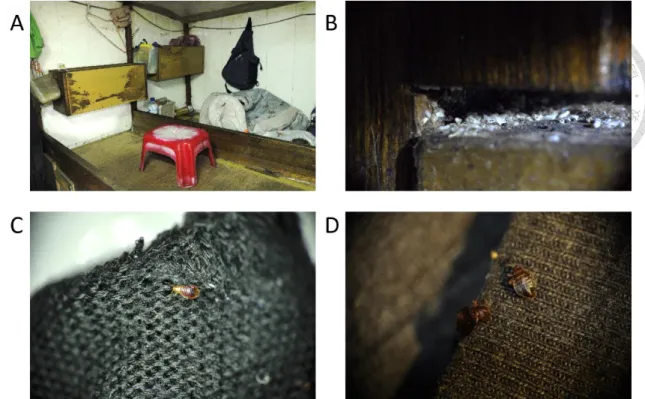
Figure 5 Infestation of bed bugs in fishing vessel. ... 42
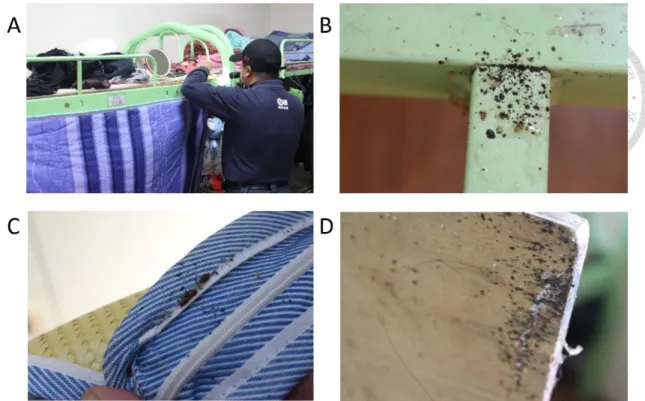
Figure 6 Infestation of bed bugs in worker dorm. ... 43
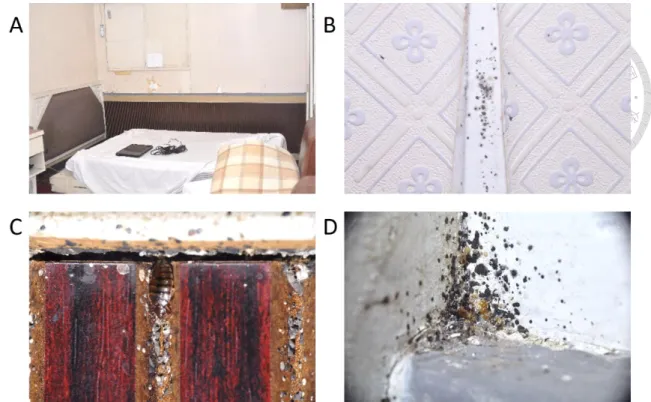
Figure 7 Infestation of bed bugs in hotel room. ... 44
Figure 8 Infestation of bed bugs in residential room... 45
Figure 9 Biting behavior of bed bug and allergy reaction after biting. ... 46
Figure 10 Identification of Cimex hemipterus and Cimex lectularius... 47
Figure 11 Gel electrophoresis result of PCR and PCR-RFLP. ... 48
Figure 12 Haplotype maps and networks extracted from COI and wsp haplotype data of Cimex hemipterus in Taiwan. ... 49
Figure 13 Minimum spanning haplotype network of Cimex hemipterus based on COI partial sequences (536 bp) in 10 countries (total sequences = 70). ... 50 Figure 14 Phylogenetic tree of 19 COI haplotypes of Cimex hemipterus by UPGMA
Figure 15 Minimum spanning haplotype network of Cimex hemipterus based on wsp partial sequences (552 bp) in 4 countries (total sequences = 30). ... 52 Figure 16 Phylogenetic tree of 3 wsp haplotypes of Cimex hemipterus by UPGMA method. ... 53
List of Tables
Table A Primer list used in the study……….………16
Table 1 Reference samples of Cimex hemipterus from Malaysia and Indonesia ... 54 Table 2 Sampling location of 7 second-hand furniture plants of EPA were investigated in December, 2019 and January, 2020 ... 55 Table 3 Information of 138 fishery harbors investigated during September 1-6, and 25, 2019 ... 56 Table 4 Details of 26 collection sites in Taiwan since 2014-2019 ... 57 Table 5 County collection site, infested premises, and foreigner nationality of each collect site in Taiwan since 2014-2019 ... 59 Table 6 Successfully obtained sequences in this study ... 60 Table 7 Details of COI and wsp haplotype of Cimex hemipterus in each sample site obtained in this study ... 61 Table 8 Haplotype diversity (h), nucleotide diversity (π), and neutrality test for 5 populations of C. hemipterus grouped by infested premises in Taiwan based on COI sequences ... 64
Table 10 The 19 haplotype traits of COI sequences of Cimex hemipterus in 10 countries ... 66 Table 11 Details of 46 variable site in 19 haplotyes of COI sequences of Cimex hemipterus ... 67
Table 12 Reference wsp sequences of host Cimex hemipterus in the study ... 70 Table 13 The 3 haplotype traits of wsp sequences of host Cimex hemipterus in 4 countries. ... 71 Table 14 Details of 2 variable site in 3 haplotyes of wsp sequences of host Cimex hemipterus ... 72
Chapter 1 Introduction
1.1 Biology of bed bugs
Bed bugs are “true bugs” in the order Hemiptera, and belong to the family Cimicidae.
The Cimicidae family consists of 24 genera and 110 species, around two-thirds of species are related to bats [1]. There are 3 species, Cimex lectularius L. (common bed bug), Cimex hemipterus (Fabricius) (tropical bed bug), and Leptocimex boueti Brumpt (bat bug or
West African bed bug), associated with human; but, common and tropical bed bug are major ectoparasites on human. In the Cimex genus, there are 23 species, 20 species related to bats and 1 species related to birds. This genus were traditionally divided into 4 groups:
(1) lectularius group, (2) hemipterus group, (3) pilosellus group, and (4) pipistrelli group based on their principal hosts, distribution, pronotum, hind femora, and shape of paragenital sinus [2]. The main distribution of lectularius group, included Cimex lectularius, are temperate region; hemipterus group, included Cimex hemipterus, are
tropical region [1, 3]. The characteristics of common and tropical bed bugs are dorsal- ventral flat, 5–6 mm long in adult stage, brown or reddish brown. They are temporary ectoparasites and obligate hematophagous insects. At night, human bed bugs would begin host seeking by heat, and carbon dioxide cues. After feeding on blood, they return to their harborages which are tiny crevices and gap; also, bed bugs tend to aggregate near the host
sleeping area. Without blood meals, female bed bugs cannot produce eggs autogenously
and male cannot produce sperm to breed the next generation. Bed bugs have a unique mode of copulation, called ”traumatic insemination” (TI) [4], and the female counter
adaptation to TI in spermalege (organ of Berlese) where the male deposits sperm [5]. In general, female tropical bed bug had a fecundity up to 50 eggs per lifetime, over 11–14 oviposition cycles; the egg incubation period usually lasted 5–7 days before first instar nymph emerged; then, nymphs went through five instars in 2 to 3 weeks before turning adults at a gender ratio of 1 : 1 in population [6]. Each life stage requires blood meals in order to molt to the next instar. In their communication behavior, pheromone takes an important role in bed bugs population. The pheromone of bed bugs can be classified into alarm, aggregation, and anti ‐ mating pheromone and those pheromone can have an influence on their activity, aggregation, and even dispersal pattern. Single or few mated female bed bugs are considered as a dispersing phenotype because new infestation can cause by just few bed bugs introduction; this kind of new population will have gone through bottle-neck effect due to inbreeding. Therefore, bed bugs population seems to have low genetic diversity within infestations (population). However, bed bugs are hard to eliminate due to their insecticide resistance behavior and phenotypes in spite of low gene flow within population.
1.2 COI barcode gene
Measuring the dispersal of any insect species among populations can use molecular tools to explore genetic diversity and relatedness within minor sample size [7, 8].
Cytochrome c oxidase subunit I (COI) gene is one of most popular used target to study species diversity and even genetic structure among populations [9, 10]. In addition, species barcoding is chosen conserved gene among species level and COI gene can be candidate for molecular identification. Although distinguishing Cimex hemipterus and Cimex lectularius can use PCR-RFLP method [11], it is not suitable for further genetic
diversity analysis. Another reason why choosing this marker is that reference sequences are the most abundant and higher diversity compared with r16s and VSSC kdr-associated gene in NCBI database [12].
1.3 Endosymbiont Wolbachia in bed bugs
Bed bugs are obligate blood-feeding insects; but, blood lacks biotin (B7) and riboflavin (B2), two essential vitamin B cannot synthesize by bed bugs [13]. To overcome this limitation, bed bugs have an obligate nutritional mutualism with endosymbiotic Wolbachia, found in both sex and all life stages of Cimex lectularius [14]. For instance, a
Wolbachia strain, wCle in Cimex lectularius, shows providing the host with vitamin B
and having essential role in host’s growth and reproduction [15]. This Wolbachia symbiont belongs to supergroup F which has been shown in some evidences to provide
nutritional benefits to the host by study of antibiotic treatment and biotin functional gene detection study [14, 16]. This endosymbiont mainly restricted to symbiotic organs and gonads of host rather than throughout whole tissue. The location of symbiotic organs is close to the ovaries or testes and this feature was suggested an adaptive positioning as vertical transmission of Wolbachia [17]. The symbiont organ was recognized as bacteriome or mycetome [2], consisting of bacteriocyte or cells where Wolbachia harbored; densities of wCle, found in Cimex lectularius, in bacteriome were 30 times higher than in the ovary and 2,000–900,000 times higher than in other organs [17].
Transovarial transmission of wCle in C. lectularius would be main route and horizontal transmission might unlikely success [18]. Co-cladogenesis between F group Wolbachia and their bed bug hosts are reasons why choosing this Wolbachia as genetic diversity marker to observe diversity among populations (sample sites) [16]; also, this kind of Wolbachia is nearly 100% prevalence in bed bugs and above features might support to
infer population diversity of host. The Wolbachia surface protein gene (wsp) is routinely used for supergroup designation and this gene is main target in this study.
1.4 The medical importance of bed bugs
More than 40 human diseases have been related to bed bugs, but there are lake of evidence that such transmission has ever occurred [19]. Vector competence of Cimex lectularius on Chagas disease, hepatitis B virus [20], and Bartonella quintana [21] had
been evaluated but epidemiological survey did not support their vector efficiency [22].
However, human bed bugs may be potential vector on multidrug resistant (MDR) bacteria such as methicillin-resistant Staphylococcus aureus (MRSA) and vancomycin-resistant Enterococcus faecium (VRE) by mechanical transmission in hospital environment [23].
In addition, their feces, molts, odor would pollute environment and they can harbor pathogen and transmit pathogen mechanically. Although bed bugs do not transmit disease‐causing pathogens by their bites, their feeding behavior can cause adverse impact on physical and psychological health. In mental health, bed bug bites would trigger bad allergy and their biting behavior would impact on sleep quality of human; therefore, working efficiency, memories and behavior of human would have adverse influence such as irascibility, insomnia, and even entomophobia of mental alterations [24].
1.5 Resurgence of bed bugs
Two bed bug species, Cimex lectularius and Cimex hemipterus are related to human and have wide population distribution [2, 24]. Since widely used of the DDT among the world in the 1940s, bed bugs have been considered as disappeared in well-developed countries and urban areas. However, bed bug infestations started to become noticeable and possibly as a result of artificial selection with insecticides [25]; around the beginning of the 21st century, a new wave of insecticide resistance reports was found on bed bugs, especially Cimex lectularius. The reasons why bed bug emerging and resurgence are still
unclear. Some hypotheses on bed bug resurgence were the spatial barrier of geography was broken by human frequent migration and modern transportation [26]. In Southeast Asia, C. hemipterus seems to be the main species and in other parts of Asia such as China, Japan and Korea, C. lectularius is more common [24]. Some new records of Cimex hemipterus infestation in Iran [27] and Russia [28] show the species niche boundaries are
gradually broken. Immigrants, visitors, and migrant workers may play a significant role in introduction of bed bugs. In addition, buildings crowded and cluttered, may offer bed bugs many places to hide very close to their host, this environmental factor may cause bed bug infestations occur more frequently to lower socioeconomic classes [26].
1.6 Distribution history and collection records of bed bugs in Taiwan
Infestations of bed bugs were prevalent before indoor spraying DDT of malaria control in 1950s [29, 30]. Back to early stage of Japanese occupation, physiological studies were conducted to know the influence of low temperatures on tropical bed bugs [31]; also, this literature was a record showing Cimex hemipterus was widely distributed among Formosa, Taiwan in 1934. After world war II ended, Taiwan regions were restored to the Republic of China. To improve hygiene and public health system, the insect-control campaigns had been in operation since 1948 [30]. Synthetic insecticides, DDT, were used to control malaria’ vectors, Anopheles mosquitoes. Indoor DDT residual spraying was started in 1952 and came to implement entire Taiwan household in 1955. This period,
repeatedly spraying insecticides, can be seen as an anti-bed-bug period. By the middle of 1963, malaria was expected to have been eradicated and use of DDT was reduced.
However, insecticide resistance was observed in DDT-resistant strain of Cimex hemipterus at Pingtung county and infestations were found to have markedly increased.
Those bed bugs were tested by DDT, BHC (lindane), and mixtures of both insecticides;
the results showed Cimex hemipterus were not physiological resistance to BHC [30].
Infestation records of Cimex hemipterus were mainly reported in south central regions, Taichung Chingshui, Lanyu, Taitung County, Kaohsiung Fengshan (Military Camp), and Pingtung County (Kenting, Hengchun, Checheng, Fangshan, Eluanbi and Haikou) [29].
After this period, few research and literature were reported. A report was conducted Trypanosoma cruzi infected in Cimex lectularius to measure its vector competence [32].
Therefore, bed bugs were taken as new emerging pest and there were few reports or infestation cases found in nearly 40 years. Based on current reports of pest control operators (PCOs) and research project of Environmental Protection Administration (EPA), possible infested premises were migrant worker dorm, hotel room, fishing vessel, residential room (Appendix 1). In above EPA reports, Cimex lectularius was main species in those bed bug infestations and conducted 10 insecticides bioassay to evaluate insecticide resistance; but, infestation severity and possible introduction sources of bed bugs are still unclear in Taiwan.
1.7 Foreigner arrivals by residence place in Taiwan
Bed bug may spread nationwide through public transportation and human migration [24]. By tracking human migration, it may infer possible source of bed bug introduction.
Two major groups of foreigner arrival are visitors (short period) and migrant workers (long period) in Taiwan. The annual number of foreigner visitor arrivals and workers in Taiwan are around 12,000,000 and 700,000 respectively. In Asia region, visitor residence where > 1,000,000 visitor arrivals in 2019 mainly are China, included Hong Kong and Macao, Japan, Korea, and Southeast Asia countries, included Malaysia, Singapore, Indonesia, Philippines, Thailand and Vietnam; visitors from USA, Canada, and Australia have also > 100,000 visitor arrivals in 2019 [33]. In other hand, migrant workers mainly are from Indonesia, Vietnam, Philippines, and Thailand by rank of total number of workers; industrial distribution of migrant workers mainly is separated to 2 groups which are industrial (61%) and social worker (36%). Industrial workers mainly work in manufacturing of fabricated metal products (22.9%), electronic components (16.5%), mechanical equipment (9.3%), plastic products (6.8%), and food products (6.5%). Social workers mainly are caregiver in hospital or domestic household and their gender around 99% is female; also, around 80% female are from Indonesia, 12% are from Philippines, and 7% are from Vietnam [34].
1.8 Study aims and hypothesis
Since the population of bed bugs were almost eliminated by DDT spray, the current infestation status of bed bugs is unknown in Taiwan. In this study, the aims are to understand bed bug species, infested premises, distribution, and genetic population dynamics in Taiwan. To explore current infestation of bed bugs, this study gives priority to survey on environments where PCOs and reports of EPA were mentioned and those premises were considered with higher probability of bed bug infestation. Also, fishing vessels are investigated with oral survey in domestic fishery harbors as a pilot study of bed bugs prevalence. To explore infestation status of domestic household, second-hand furniture plant of EPA is investigated as an indicator of infested furniture from home. Two genetic markers, COI and wsp, are target on bed bug mitochondria DNA and its endosymbiont Wolbachia to explore genetic population structure respectively; here, the hypothesis is that those markers are congruent with source population of bed bugs and can be a tool to observe intraspecific genetic diversity. Furthermore, the genetic data were compared with NCBI database to observe sequences similarity and to infer possibilities of multiple introductions of bed bugs.
Chapter 2 Materials & Methods
2.1 Overview of study design
To obtain bed bug samples, sampling design include pest control operators (PCOs) cooperation, fishery harbors survey, and investigation of second-hand furniture plant of Environmental Protection Administration (EPA). To distinguish bed bug species, morphological and molecular method is conducted; furthermore, to know genetic population dynamics of bed bugs, two molecular markers are included to evaluate intraspecific diversity and similarity with reference sequences from NCBI. Finally, the results of genetic data and collection data are compared to infer possible sources of bed bug introduction.
2.2 Sample collection
2.2.1 Sampling strategy
To compare genetic variation in bed bugs, samples from other countries, Malaysia and Indonesia, were shared by researchers from Universiti Sains Malaysia and Diponegoro University (Table 1). Each sample site from Malaysia was 10 bed bugs;
samples from Indonesia were 17 bed bugs. Also, one sample site of C. lectularius was from Malaysia. In Table 1, data only showed sample sites of C. hemipterus. Based on reports of Taiwan PCOs and EPA, sampling environment was chosen worker dorm, hotel room, fishing vessel, residential room, and second-hand furniture plant of EPA.
Sampling fishing vessel was conducted by visiting each fishery harbor in Taiwan Main land (N = 138) in September, 2019. The data of fishery harbor is based on announcement of Council of Agriculture (Number: 1031313239A). Oral survey on respondents from each fishery harbor is taken as a pilot study of bed bugs prevalence.
Here, the main content of oral survey is to observe encounter experience of bed bugs from respondents in each harbor. Simple questions on oral survey are such as “Do you have ever seen bed bugs here” or “Do you have ever been bitten by bed bugs at night when you sleep and feel itching”. In addition, pictures and specimens of bed bugs are together showing to respondents when asking; also, the survey is conducted in the daytime and respondents are chosen 3 to 5 person per harbor. To compare harbors’ characteristics with results of bed bug encounter, fishery harbors were classified by the biggest type of fishing vessels harboring in each harbor during investigation because fishing vessels are correlated to operating area of fishery.
Sampling second-hand furniture plant of EPA was investigated in December, 2019 and January, 2020 (Table 2) with research permission of EPA. In this study, PCOs shared some samples of bed bugs and records since 2014-2019.
2.2.2 Collection method
Record of sampling environment is included sampling year, date, address, county or city, infested premises (source), and foreigner nationality if possible. Infestation status of
bed bug in each collection site was taken some pictures. Visual inspection with flashlight is the main method used for detecting bed bugs in this study. To start investigation, asking simple questions where they got bed bug bites at night is an efficient and economical method to identify bed bug activity [35]. The main point of visual inspection is looking for blood feces, molt (exuviae), and blood stains as signs of infestation. Mostly, bed bugs clustered and hid in cracks at the bed frame or furniture if infestation of bed bug was light.
Each sampling site of each bed or room was investigated at least 10 minutes if seeing any possible breeding source of bed bug. Both alive and dead bed bugs were collected by using soft forceps or sweeping and preserved with 75% ethanol solution (aq) in container.
2.3 Morphological identification
Adult bed bug is around 5 to 7 mm in length, wingless, red-brown or brown color, and oval body. Morphological identification methods are based on the book, monograph of Cimicidae [2]. Main characteristics of lectularius and hemipterus group in the genus Cimex are that their paragenital sinus is cleft with bristles on right side at spermalege; the
paragenital sinus is on fifth (fourth visible) ventral abdominal segment. To separate Cimex hemipterus from Cimex lectularius, pronotum is the main point. The dorsal pronotum of
Cimex hemipterus is moderately excavated in anterior margin and rarely extend in lateral
margin; pronotum is a little more than twice as wide as long at middle but less than 2.5 times and lateral margin (lobes) of pronotum is a little flatten. On male adult, genital
segment of C. hemipterus is curved apically to right side on dorsal view and genital segment of C. lectularius is curved evenly; also, the pointed tips of dorsal bristles on lateral margin of pronotum and genital segment were without lateral bifurcation in C.
hemipterus.
To separate adult and immature, dorsal ecdysial line and partial membranization of first to third segments of abdomen can been seen in all instar of nymph. To identify adult male and female, male genitalia in last segment of abdomen has a paramere (aedeagus) and groove, curving to left side on dorsal view. Female has a paragenital sinus (ectospermalege), site of copulation called traumatic insemination, in left side of fifth segment of ventral abdomen; also, yellow round-shape mesospermalege is inside the abdomen.
2.4 Molecular analysis
For each collection site, adult female bed bugs were randomly selected for molecular analysis. If specimens of collection sites were few, adult male bed bugs or nymphs were selected for molecular analysis. Number of specimens used in each collection sites was dependent on success of amplifying each gene and at least one sequence of each gene was obtained. Main target is mtDNA observed on COI partial sequences and Wolbachia surface protein of Wolbachia supergroup F observed on wsp partial sequences for further genetic analysis.
2.4.1 DNA extraction
DNA (deoxyribonucleic acid) was extracted from individual bed bug or partial tissue using Genomic DNA mini kit (Geneaid® , New Taipei city, Taiwan) based on the commercial protocol slightly modified. Firstly, specimen was placed into petri dish and recovered in ddH2O (double-distilled water) to remove ethanol twice in 1 h and then conducted dissection in dorsal intersegmental membrane between 7th to 8th segment by insect pins with little GT buffer. In female bed bug, ovaries, mycetomes, lateral oviduct, and mesospermalege are separated for DNA extraction; in male bed bug, testis, mycetomes, and seminal vesicle are separated for DNA extraction; in nymph bed bug, whole bug are homogenized in 1.5 ml microcentrifuge tube. After dissection, whole bed bug and tissue with GT buffer was pipetted to 1.5 ml microcentrifuge tubes, added GT buffer to 200 µl and 20 µl of proteinase K, then vortexed vigorously and incubated on dry bath at 60°C for at least 2 h and optimal overnight (12 h-18 h) [36]. After the lysis step, the tube was centrifuged for 1 min at 16,000 x g and the supernatant was transferred to a new 1.5 ml microcentrifuge tube, added 200 µl of GBT buffer, and incubated on dry bath at 60°C for at least 30 min. After lysate was transparent without any precipitate, 200 µl of absolute ethanol (99%) was added and vortex for 10 s; then lysate was transferred to GS column with a 2 ml collection tube below and centrifuged for 2 min at 16,000 x g.
Flow-through was discarded then place the GS column back in the 2 ml collection tube.
400 µl of W1 buffer were added to the GS column; then column was centrifuged for 1 min at 16,000 x g and flow-through was discarded. 600 µl of Wash buffer were added and conducted same last step. Before DNA was eluted with 100 µl pre-heated RNase free- H2O or autoclaved ddH2O at 60°C, GS column was centrifuged for 3 min at 16,000 x g to dry the column matrix and then column was transferred to a clean 1.5 ml microcentrifuge tube. The DNA was eluted and stored at 4°C after column was centrifuged for 1 minutes at 16,000 x g.
2.4.2 PCR condition and primers
PCR (polymerase chain reaction) mixture contained 12.5 µl Taq polymerase (KAPA Taq readymix PCR kit, KK1024), 1 µl of each forward and reverse primer (Table A), and
available volume of RNase-free water and DNA template, in a total volume of 25 µl for optimal operation. The PCR thermocycler profile was under the following settings: one cycle (5 min at 95°C), 35 cycles (1 min at 94°C, 1 min at 47°C (COI) and 55°C (wsp), 1 min at 72°C), and one cycle (10 min at 72°C). RNase-free water or autoclaved ddH2O was added to replace DNA template as negative control in each PCR.
For the detection of cytochrome c oxidase subunit I (COI) partial sequence, all eluted DNA were conducted to amplify it with primer LCO1490F and HCO2198R. If COI partial sequence was successfully amplified, the eluted DNA was conducted to amplify wsp partial gene with primer wsp81F and wsp691R (Table A).
Table A Primer list used in the study
Gene Gene product Primer name Primer sequence (5' to 3') Annealing ( °C ) Amplicon size (bp) Reference
COI Cytochrome c oxidase subunit I
LCO1490F GGTCAACAAATCATAAAGATATTGG 47 658 [37]
HCO2198R TAAACTTCAGGGTGACCAAAAAATCA
wsp Wolbachia surface protein
wsp81F TGGTCCAATAAGTGATGAAGAAAC 55 550-600 [38]
wsp691R AAAAATTAAACGCTACTCCA
2.4.3 PCR-RFLP by enzyme HindIII
In pilot study, wsp PCR product show single band in agarose gel and results of sequences may exist two templates, mainly identified as supergroup B and F of Wolbachia in NCBI BLAST. To distinguish B and F group Wolbachia in agarose gel reading, PCR- RFLP (restriction fragment length polymorphism) was conducted by enzyme HindIII (Figure 11). The online web, molbiotools (http://molbiotools.com/) restriction analyzer, help comparative restriction analysis of two DNA sequences. The HindIII (NEB) restriction enzyme used for wsp PCR products can distinguish B and F group Wolbachia by cutting into 2 (predicted fragment size: 443 bp and 109 bp) and 3 (predicted fragment size: 326 bp, 148 bp and 96 bp) fragments respectively. The condition of operation was at 37°C, 30 min, 1 ul restriction enzyme, 1 ul 10X buffer, optimal 2 ul PCR-product, and 6 ul ddH2O to achieve total volume 10 ul in each test; then, the 5 µl of mixture was loaded into 2% agarose gel and run electrophoresis for reading results.
2.4.4 Electrophoresis and gel visualization system
DNA ladder (Star-100 bp DNA ladder, One-Star Biotech., Taiwan) ranging in size from 100 bp to 3 kb and the amplified PCR product were pipetted 4 µl and mixed with less 1 µl of loading dye (EZ-Vision Three, Amresco, Pennsylvania, USA). Then, the 4 µl of mixture was loaded into 2% agarose gel well with TBE (Tris/Borate/EDTA) buffer at 100V optimal for 40 min. After electrophoresis finished, agarose gel was placed in image
system under UV light and photos were snapped, printed out, and saved as .jpeg or .tiff files.
2.5 Sequence analysis
Each sample site was chosen one sequence as a population representative to analyze genetic population diversity. All sequences data were achieved by Mission Biotech Inc.
The forward and reversed sequences in each sample were assembled as one contig, and trimmed off primer nucleotides by bioinformatics software SeqMan (Lasergene, DNASTAR Inc., V. 7.1.0). The contig was saved as *.fasta file and consensus sequences were aligned on software Bioedit (V. 7.2.0) by ClustalW multiple alignment tool. In addition, each query contig was submitted to NCBI database by nucleotide BLAST (basic local alignment search tool) and to find biological information of similar sequences. The haplotype diversity and phylogenetic network were conducted by following steps.
Original sequences *.fasta files were put in software DnaSP (DNA Sequence Polymorphism, V. 6.12.03) to compute haplotype sequences data; the sites of sequences with gaps were not considered and invariable sites of sequences were included to generate
*.arp and *.nex file; the haplotype parsimony network was constructed by minimum spanning networks method using phylogenetic network software (PopART version 1.7 for Windows) for inferring intraspecific phylogeny; also, the parameter value of epsilon was 0 by default. The haplotype traits were classified by source countries and computed
*.csv files for drawing haplotype network in PopART. Haplotypes and diversity indices were conducted by software (Arlequin version 3.11) under Windows system. The output result *.html files were opened by Microsoft internet explorer (IE) and reorganized in excel files. Domestic population composition was grouped by infested premises to analyze molecular diversity indices, and population neutrality. In molecular diversity indices, molecular distance were computed by pairwise difference. In neutrality tests, value of Tajima’s D and Fu’s Fs was computed in infinite site model by default. Phylogeny reconstruction was computed using the unweighted pair group method with arithmetic mean (UPGMA) method; nucleotide substitution models and Gamma parameter were determined by software (MEGA X) and model selection were the lowest Bayesian information criterion (BIC) scores one by default. Test of phylogeny tree were based on bootstrap method testing 1000 replications; substitutions were included transitions and transversions; pattern among lineages were same (Homogeneous); Treatment of Missing data was partial deletion with 95% coverage cutoff.
2.6 Collection records and statistical analysis
Each sampling sites and in Taiwan was mapped by using QGIS (V. 2.28). Map of Taiwan administrative region was downloaded from website:
(https://data.gov.tw/dataset/7442) as base map. Image results and summary statistic were rearranged on software of Adobe CS 6 suite, Microsoft Office 2013.
Chapter 3 Results
3.1 Sampling results and infested premises of bed bugs in Taiwan
Total 138 fishery harbors were investigated with oral survey during September 1-6, and 25, 2019; results showed 23.9% (33/138) harbors were that respondents reported infestation of bed bugs encountered, 5.1% (7/138) harbors were unknown whether encountered bed bugs, and 71% (98/138) harbors were negative (Table 3). However,
sampling in fishing vessels and worker dorms near harbors was a little difficult without owner’s permission because most respondents were migrant workers and had regulation
that foreigners were not allowed inside. Only 3.6% (5/138) harbors were collected bed bugs during investigation; in addition, the time of sampling bed bugs in fishing vessel were limited to 10 min because respondents had works in the daytime (Figure 1). In oral survey, those respondents encountering bed bugs mainly were clustered in harbors from Keelung city, Yilan county, and Kaohsiung city. To compare harbors’ characteristics with results of oral survey, fishery harbors were classified by the biggest type of fishing vessels in each harbor during investigation; also, different type of fishing vessels had unique hull number, CT code [39], and were restricted their operating area, classified as coastal, offshore, exclusive economic zone and far sea fisheries (Table 3). The fishery of 56.5%
(78/138) harbors belonged to coastal fisheries had highest negative rate of encounter
experience of bed bugs; in other hand, the fishery of 24.6% (34/138) harbors belonged to exclusive economic zone and far sea fisheries had highest positive rate. Details of each harbor visiting showed in Appendix 2.
Total 7 second-hand furniture plants of EPA were investigated in December, 2019 and January, 2020 and had not any infestation of bed bugs during investigation (Table 2).
This result can infer 2 things: (1) infestation spread of bed bugs is unlikely out from second-hand furniture plants of EPA, and (2) the infestation of bed bugs in domestic household is light or not prevalent. The furniture was repainted and repaired in most second-hand furniture plants of EPA. If quality of furniture was not achieved repairing criteria, those furniture would be exchanged to fuel or fertilizer. Those criteria of second- hand furniture plants of EPA may be another possible reason why the furniture did not find any infestation of bed bugs.
Total collection sites of bed bugs were 26 in this study, 57.6% (15/26) sites were contributed by PCOs, during 2014-2019 in Taiwan (Table 4). Based on research ethics, the location of data, GPS, were obscured. Collection data showed 10 counties had infestation of bed bugs (Figure 2) and 42.3 % (11/26) collection sites were from Taichung city because PCOs, who shared samples in this study, were mostly work in there (Figure 3). Collection information of infested premises showed 30.8% (8/26) sites were from worker dorm, 23.1% (6/26) sites were from fishing vessel, 19.2% (5/26) sites were from
residential room, 19.2% (5/26) sites were from hotel room, and rest 2 sites was unknown and laboratory colony (Figure 4). The nationality of migrant workers and travelers had 76.9% (20/26) were Southeast Asia countries, especially 80% (16/20) were Indonesia (Table 5). Samples from worker dorm and fishing vessel all were related to male migrant workers.
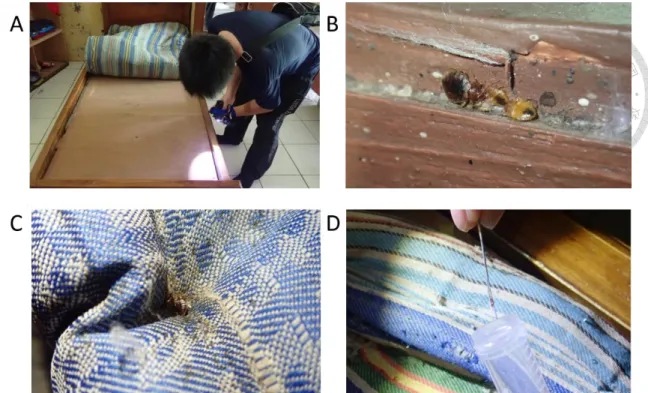
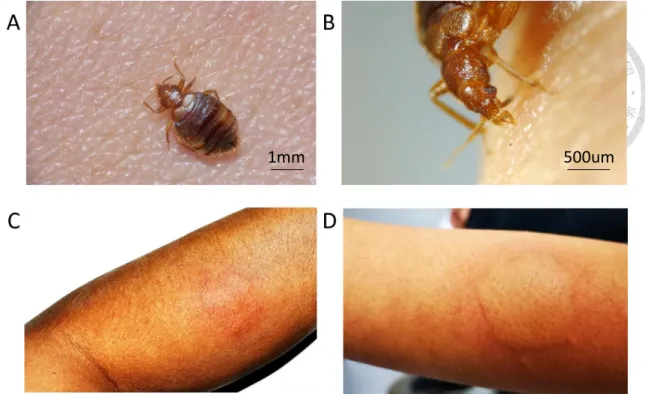
The 4 kinds of infested premises were showed in Figure 5 - 8. In infested premises, bed bugs can be found in bed frame and along mattress piping which are similar to crevices. In addition, skin allergy caused by bites of bed bug vary widely (Figure 9);
allergic reaction on migrant workers and caregivers could disappear quickly within few day without severe itching.
3.2 Identification of bed bugs
Results of morphological identification were revised to 100% recognized as Cimex hemipterus (Figure 10) by checking whether pronotum less than 2.5 times as wide as
long at middle and pointed tip of bristles. The tropical bed bug would be misrecognized with the key that width of pronotum is about 2 times the length at middle. Some pronotum of tropical bed bugs would more than 2 times as wide as long at middle but less than 2.5 times. Also, the detector distinguishing the degree of extension margin of pronotum would need more experience; in some samples, lateral margin of pronotum was a little flattened and light could transmit easily through extension margin of pronotum. By
molecular identification, 88.5% (23/26) sample sites were successfully amplified and sequenced COI partial sequences, 658 bp trimmed off primer regions; all sequences were 99.5%-100% similarity to the species Cimex hemipterus compared with NCBI data.
3.3 Genetic diversity results
3.3.1 Diversity of COI sequences in Cimex hemipterus
The COI sequence in each collection site was chosen at least 1 bed bug to amplify and sequence. A single band, around 700 bp (Figure 11), was successfully amplified and sequenced in 88.5% (23/26) sample sites from Taiwan and 100% (9/9) sample sites from Malaysia and Indonesia (Table 6). Also, 5 COI haplotypes which include 4 haplotypes in Taiwan samples were obtained in this study. COI haplotype of each sample site obtained in this study is showed in Table 7. The map of COI haplotype grouped by county showed samples from north Taiwan had higher diversity (Figure 12-A).
To observe which variables is related to COI haplotypes network of bed bugs in Taiwan, the variables from collection data such as foreigner nationality, infested premises, collection location, and date are considered; however, the foreigner nationality mostly were Southeast Asia countries, especially Indonesia (Table 5) and this variable was not suitable for grouping with COI haplotypes; also, the collection location was not suitable variable because the biggest percentage of sample location were from Taichung city (Figure 3); the collection date was not randomly sampling in each month due to study
limitation and this variable was also not suitable for grouping haplotype. Therefore, only the variable of infested premises was analyzed with COI haplotypes. The haplotype and nucleotide diversity of COI haplotype is showed in Table 8. The main finding is that samples collected from hotel room were shared same haplotype; however, samples collected from residential room and fishing vessel had higher haplotype and nucleotide diversity than others. Although all neutrality test were not statistically significant, the low diversity of COI among all sequences (populations) may infer that diversity of source population was low or the introduction of source population was restricted.
In this study, total 32 COI sequences in each sample site were obtained to analyze haplotype diversity with 38 reference sequences obtained from NCBI database(Table 9).
The COI reference sequences of Cimex hemipterus were from 8 countries included Malaysia, Thailand, Bangladesh, China, India, Iran, Kenya, and Senegal. Haplotypes of COI partial sequences, trimmed to equal length 536 bp, in 10 countries were 19
haplotypes and haplotype 1 had the largest proportion in 62.9% (44/70) sequences and 90% (9/10) countries (Table 10). Haplotype 2 to 5 were not found same sequences in NCBI; haplotype 2 and 3 were only found in Taiwan samples; haplotype 5 were only found in reference samples from Malaysia. Parsimony haplotype network was constructed by minimum spanning method and showed sequences were cluster to haplotype 1 (Figure 13); also, sequences from Iran had higher haplotype diversity than
other countries.
Sequences of 19 haplotypes were obtained to observe similarity and genetic distance by constructing UPGMA phylogenetic tree. For constructing UPGMA phylogenetic tree, the estimated substitution pattern and rates were computed under the Tamura (1992) model (+G) and the estimated gamma parameter for site rates was computed 0.05 (Figure 14). Here, the phylogenetic tree showed haplotype 1-4 obtained from Taiwan samples was similar with haplotype 5, 6, 7, 19 in the lowest bootstrap value and those haplotypes were from Malaysia, Kenya, Senegal, and Thailand. Details of variable site in 19 COI haplotypes are showed in Table 11.
3.3.2 Diversity of wsp sequences in Cimex hemipterus
The wsp sequence in each collection site was chosen at least 1 bed bug to analyze.
A single band, around 600 bp (Figure 11), was successfully amplified and sequenced in 88% (17/26) sample sites from Taiwan and 89% (8/9) sample sites from Malaysia and Indonesia (Table 6). The result of sequences showed mainly 3 different length sequences, 552 bp, 570 bp, and 573 bp, were similar to Wolbachia supergroup B, F, and unknown, respectively. Also, sequences similar to Wolbachia supergroup B were not discussed in previous bed bug research but these sequences were easily observed in experiment; here, total 10 sequences in 8 sample sites were found this kind of sequences. Those sequences were totally same and had 100% similarity with AB469186 and AB024572 from NCBI,
which is Wolbachia endosymbiont of Cadra cautella (Walker). Therefore, sequences similar to F group of Wolbachia were main target for further analysis. 3 wsp haplotypes which include 2 haplotypes in Taiwan samples were obtained in this study. The wsp haplotype of each sample site obtained is showed in Table 7. The map of wsp haplotype grouped by county showed samples from Keelung city and Changhua county had higher diversity (Figure 12-B). Due to low diversity of wsp sequences, the haplotype, nucleotide diversity, and neutrality test of wsp haplotype was not computed.
Total 25 wsp sequences in each samples site were obtained to analyze genetic diversity with 5 reference sequences obtained from NCBI database (Table 12). The wsp reference sequences of host Cimex hemipterus were from 3 countries, included Malaysia, India, and Indonesia. Haplotypes of wsp partial sequences, trimmed to equal length 552 bp, in 4 countries were 3 types; also, haplotype 1 had the largest percentage of 76.7%
(23/30) sequences and 100% (4/4) countries (Table 13); haplotype 3 were only found in Indonesia samples. Parsimony haplotype network showed sequences were cluster to haplotype 1 (Figure 15). Sequences of 3 haplotypes were obtained to observe similarity and genetic distance by constructing UPGMA phylogenetic tree; the estimated substitution pattern was computed under the Tamura (1992) model and uniform rates (Figure 16). Here, the phylogenetic tree showed those haplotype were similar with each other. Details of variable site in 3 wsp haplotypes are showed in Table 14.
Chapter 4 Discussion
4.1 Prevalence of bed bugs and potential infestation risk in Taiwan
In this study, tropical bed bugs, Cimex hemipterus, were confirmed by morphological and molecular identification and none of Cimex lectularius was found due to sampling limitation. There were a few infestation reports on common bed bug mentioned by PCOs in hotels. In some cases, students overseas and backpackers brought back bed bugs by accident. Although bed bugs in public transportation was seldom reported in Taiwan, bed bug infestations were found on bus, subway, train, passenger ship with sleeper in other countries news; it would be another possible route of bed bug dispersal and introduction. The result of oral survey of 138 fishery harbors showed 23.9%
(33/138) harbors were reported infestation of bed bugs encountered but only 3.6% (5/138) harbors were collected bed bugs during investigation. In the future, timing of sampling may change at night because the migrant workers need to stay in fishing vessels. The fishery of 24.6% (34/138) harbors belonged to exclusive economic zone and far sea fisheries can give priority to sampling bed bugs. Although the evidence of bed bug resurgence still lacking due to unclear incidence rate per year, infestations of tropical bed bug in neighbor countries are gradually severe. Resurgence of tropical bed bugs was reported mainly on Asia countries, such as China, India, Malaysia, Singapore, Thailand,
in hotel, residential house, and workers dormitories; infestation rate or severity rank are defined to evaluate population density of bed bug [41, 42]. In their severity rank, the infested premises of fishing vessels and worker dorm may all be ranked in highest level,
> 40 bed bugs observed. In China, infestations were reported in 23 provinces of China and the most severe infestations were in Guangdong province and Pearl river delta region during 2000-2012. Cimex lectularius and Cimex hemipterus were reported and the probability of detecting bed bugs in migrant worker’s dormitories was high [43]. The evidence of infestations related to migrant worker were similar in this study (Table 5).
According to collection data, nationality of respondents was highly related to Southeast Asia countries and the highest number of infested premise was worker dorms. In addition, infested premise of residential room were related to caregiver. If bed bugs spread through caregiver migration, it may impact on long-term care, medical system, and healthcare facilities. There are some case reports that bed bug were found in the emergency department and up to 42% subjects reported having bed bugs at home [44]. If bed bugs show in care system, it may increase potential risk of acquiring the infestation to patients by mechanical transmission.
4.2 Genetic diversity of Cimex hemipterus and possible source of bed bug invasion Inbreeding is a common feature of bed bug infestations and results in low genetic diversity within infested sites [45]; therefore, the genetic population structure among
infested sites may reflect possible dispersal pattern or source population of bed bugs.
Haplotypes of COI and wsp sequences (Figure 14 & Figure 16) show high similarity 99.5-100% among infestation sites in Taiwan. The COI and wsp were considered as maternal transmission and were conserve with lower variance within population [46, 47].
In intraspecific level, COI haplotype showed higher diversity than wsp haplotype in this studies; but, both markers showed low diversity of population in Taiwan (Figure 12).
However, samples collected from residential room and fishing vessel had higher haplotype and nucleotide diversity than others in both haplotype results. These phenomena with low haplotype diversity and absence of geographic separation were similar in research in Malaysia and European countries [7, 9]. Although mtDNA often lacks the resolution to contemporary gene flow, it has proved valuable in revealing ancestral associations based on spatial barrier. The low diversity of both markers among all sequences (populations) may infer that diversity of source population was low or the introduction of source population was restricted. But, transportation and migration of human break the spatial border among countries and it would impact on dynamic of bed bug invasion. By comparing with reference sequences, COI and wsp haplotype network show a cluster to haplotype 1 (Figure 13 & Figure 15). In COI haplotype network, the presence of haplotype 1 may indicate an international connection between 9 countries, excluded Senegal. In Wolbachia haplotype diversity, few studies were focus on Cimex
lectularius or Cimex hemipterus and only discussed Wolbachia strain of supergroup F in
bed bugs. Phylogenetic congruence of bed bugs and Wolbachia, F group were related to their nutritional mutualism [16]. In this study, wsp sequences similar to Wolbachia strain of supergroup B were commonly existed. In the future, the evidence of supergroup B Wolbachia in bed bugs should have more study to support because this kind of Wolbachia
was not considered as mutual relationship to host. In addition, result of wsp haplotype showed sample from Semarang, central Java, Indonesia, had a unique haplotype 3 giving a point that introduction route of bed bug cannot be simply revealed.
4.3 Integrated pest control of bed bug infestation
People may have difficulty in distinguishing bed bugs from other household arthropods [48]; but, respondents whom were Indonesian migrant workers were familiar with bed bugs, called “Tinggi”. In their personal experience, they seldom saw bed bug in well-developed city but bed bugs were seen in farmstead; however, several caregivers said they got bites before working in Taiwan; the dormitories of human resources agencies in Indonesia were infested premises and it would be another possible route of bed bug introduction. Type of infested premise may influence bed bug active time such as C.
lectularius is able to altering their feeding times in an office environment, where hosts
were only present at the daytime [49]. Infestation in fishing vessels may have same phenomenon on bed bug behavior changing because the bedroom of fishing vessels was
mainly in the dark. To obtain successful elimination of bed bugs, integrated pest control strategies include regular monitoring to detect early-stage infestation and combine multiple treatments [50]. Insecticide resistance of bed bugs was studied in several types of mechanism such as penetration, metabolic, and knockdown resistance [40]. There are 3 main methods of monitoring insecticide resistance which is toxicity bioassays, biochemical assays, and molecular detection. In Taiwan, toxicity bioassays of Cimex lectularius were conducted in 10 products, mainly were pyrethroids [51] since 2014.
Based on integrated pest control strategies, alternative control methods of bed bugs need to introduce in Taiwan. There are several methods such as heat or steam treatment [52], fungal biopesticide [53], interceptors, and diatomaceous earth [54]. Prevention of bed bug introduction is same important as treatment of bed bug infestation and the cost of bed bug treatment is generally higher and harder than other urban pests. Furthermore, the education and effective communication in bed bug control would help people stop infestation of bed bugs in early stage.
4.4 Conclusion
In this study, Cimex hemipterus is the major species and can be found in migrant worker dorm, fishing vessels, hotel rooms, and residential room. Infestation cases of bed bugs were among at least 10 counties in Taiwan and have a close relationship to nationality of respondents, especially Southeast Asia countries. In oral survey of 138
fishery harbors, 23.9% harbors were reported had respondents experienced bed bugs.
There are no bed bug found in 7 second-hand furniture plants of EPA in Taiwan. 4 haplotypes of COI sequences and 2 haplotypes of wsp sequences were observed in Taiwan.
The haplotype frequency of COI sequences with reference showed cluster to haplotype 1 and this evidence indicates an international connection between 9 countries, excluded Senegal. The low diversity of both markers among all sequences (populations) may infer that diversity of source population was low or the introduction of source population was restricted. However, samples collected from residential room and fishing vessel had higher haplotype and nucleotide diversity than others in both haplotype results. This study reveals the species, infested premises, distribution, and genetic population composition of Cimex hemipterus; further studies on insecticide resistance, monitoring infestation cases, and integrated pest control strategies are essential to properly prevent severe infestations of bed bugs in Taiwan; also, hotel and living environment of migrant workers need to enhance management of bed bugs to stop the invasion and dispersal of bed bugs.
References
1. Akhoundi, M., D. Sereno, R. Durand, A. Mirzaei, C. Bruel, P. Delaunay, P.
Marty, and A. Izri. 2020. Bed bugs (Hemiptera, Cimicidae): Overview of classification, evolution and dispersion. International Journal of Environmental Research and Public Health 17: 4576. doi:10.3390/ijerph17124576
2. Usinger, R. L. 1966. Monograph of Cimicidae (Hemiptera, Heteroptera). USA:
Entomological Society of America, College Park, Maryland. 572 pp.
3. Balvín, O., S. Roth, and J. VilÍMovÁ . 2015. Molecular evidence places the swallow bug genus Oeciacus Stål within the bat and bed bug genus Cimex Linnaeus (Heteroptera: Cimicidae). Systematic Entomology 40: 652-665.
4. Pfiester, M., P. G. Koehler, and R. M. Pereira. 2009. Sexual conflict to the extreme: traumatic insemination in bed bugs. American Entomologist 55: 244- 249.
5. Moriyama, M., R. Koga, T. Hosokawa, N. Nikoh, R. Futahashi, and T.
Fukatsu. 2012. Comparative transcriptomics of the bacteriome and the spermalege of the bedbug Cimex lectularius (Hemiptera: Cimicidae). Applied Entomology and Zoology 47: 233-243.
6. How, Y. F. and C. Y. Lee. 2010. Fecundity, nymphal development and longevity of field-collected tropical bedbugs, Cimex hemipterus. Medical and Veterinary Entomology 24: 108-116.
7. Booth, W., O. Balvin, E. L. Vargo, J. Vilimova, and C. Schal. 2015. Host association drives genetic divergence in the bed bug, Cimex lectularius. Molecular Ecology 24: 980-992.
8. Meyer, C. P. and G. Paulay. 2005. DNA barcoding: error rates based on comprehensive sampling. PloS Biology 3(12): e422.
9. Seri Masran, S. N. A. and A. H. Ab Majid. 2017. Genetic diversity and phylogenetic relationships of cytochrome c oxidase subunit I in Cimex hemipterus (Hemiptera: Cimicidae) populations in Malaysia. Journal of Medical Entomology 54: 974-979.
10. Talbot, B., M. J. Vonhof, H. G. Broders, B. Fenton, and N. Keyghobadi. 2016.
Range-wide genetic structure and demographic history in the bat ectoparasite Cimex adjunctus. BMC Evolutionary Biology 16: 268.
11. Tawatsin, A., K. Lorlertthum, A. Phumee, U. Thavara, J. Boon-Long, R.
Boonserm, and P. Siriyasatien. 2013. Discrimination between tropical bed bug Cimex hemipterus and common bed bug Cimex lectularius (Hemiptera: Cimicidae)
12. Lewis, C. D., B. A. Levine, E. L. Vargo, C. Schal, and W. Booth. 2020. Recent detection of multiple populations of the tropical bed bug (Hemiptera: Cimicidae) exhibiting kdr-associated mutations in Hawaii. Journal of Medical Entomology 57: 1077-1081.
13. Evison, S. E. F., W. T. Hentley, R. Wilson, and M. T. Siva-Jothy. 2018. Bed bug biology. pp. 149-161. In: S. L. Doggett, D. M. Miller, and C. Y. Lee (eds).
Advances in the Biology and Management of Modern Bed Bugs. John Wiley &
Sons Ltd., UK.
14. Fisher, M. L., D. W. Watson, J. A. Osborne, H. Mochizuki, M. Breen, and C.
Schal. 2018. Growth kinetics of endosymbiont Wolbachia in the common bed bug, Cimex lectularius. Scientific Reports 8: 11444.
15. Nikoh, N., T. Hosokawa, M. Moriyama, K. Oshima, M. Hattori, and T.
Fukatsu. 2014. Evolutionary origin of insect-Wolbachia nutritional mutualism.
Proceedings of the National Academy of Sciences of the United States of America 111: 10257-10262.
16. Balvin, O., S. Roth, B. Talbot, and K. Reinhardt. 2018. Co-speciation in bedbug Wolbachia parallel the pattern in nematode hosts. Scientific Reports 8: 87- 97.
17. Hosokawa, T., R. Koga, Y. Kikuchi, X. Y. Meng, and T. Fukatsu. 2010.
Wolbachia as a bacteriocyte-associated nutritional mutualist. Proceedings of the National Academy of Sciences of the United States of America 107: 769-774.
18. Correa, C. C. and J. W. O. Ballard. 2016. Wolbachia associations with insects:
winning or losing against a master manipulator. Frontiers in Ecology and Evolution 3: 153. doi: 10.3389/fevo.2015.00153
19. Burton, G. J. 1963. Bedbugs in relation to transmission of human diseases. Public Health Reports 78: 513-524.
20. Zorrilla-Vaca, A., M. M. Silva-Medina, and K. Escandón-Vargas. 2015.
Bedbugs, Cimex spp.: their current world resurgence and healthcare impact. Asian Pacific Journal of Tropical Disease 5: 342-352.
21. Leulmi, H., I. Bitam, J. M. Berenger, H. Lepidi, J. M. Rolain, L. Almeras, D.
Raoult, and P. Parola. 2015. Competence of Cimex lectularius bed bugs for the transmission of Bartonella quintana, the agent of trench fever. PloS Neglected Tropical Diseases 9: e0003789.
22. Delaunay, P., V. Blanc, P. Del Giudice, A. Levy-Bencheton, O. Chosidow, P.
Marty, and P. Brouqui. 2011. Bedbugs and infectious diseases. Clinical Infectious Diseases 52: 200-210.
23. Lowe, C. F. and M. G. Romney. 2011. Bedbugs as vectors for drug-resistant bacteria. Emerging Infectious Diseases 17: 1132-1134.
24. Zorrilla-Vaca, A., M. M. Silva-Medina, and K. Escandón-Vargas. 2015.
Bedbugs, Cimex spp. their current world resurgence and healthcare impact. Asian Pacific Journal of Tropical Disease 5: 342-352.
25. Romero, A. 2018. Insecticide resistance. pp. 273-284. In: S. L. Doggett, D. M.
Miller, and C. Y. Lee (eds). Advances in the Biology and Management of Modern Bed Bugs. John Wiley & Sons Ltd., UK.
26. Alalawi, A. H. 2015. Bed bugs epidemic in the United States. Entomology, Ornithology & Herpetology 4: 143. doi:10.4172/2161-0983.1000143
27. Chegeni, A. H., G. Gidiglo, and J. Khedri. 2019. The first record of the tropical bed bug Cimex hemipterus (Hemiptera: Cimicidae) in Iran. Iranian Journal of Animal Biosystematics 15: 77-86.
28. Gapon, D. A. 2016. First records of the tropical bed bug Cimex hemipterus (Heteroptera: Cimicidae) from Russia. Zoosystematica Rossica 25: 239-242.
30. Liu, S. Y. 1958. A summary of recent insecticidal tests on some insects of medical importance in Taiwan. Bulletin of the World Health Organization 18: 623-649.
31. Ohmori, N. 1934. Experimental studies on the influence of low temperatures upon the tropical bed bug (Cimex hemipterus Fabricius). first report. Government Research Institute, Formosa, Japan.
32. Chang, C. and D. Chao. 1999. Comparative study on the insect forms of a low virulence isolate of Trypanosoma cruzi (Kinetoplastida: Trypanosomatidae) developed in cimicid bugs and in its regular insect vector species. Chinese Journal of Entomology 19: 145-152.
35. Cooper, R. and C. Wang. 2018. Detection and monitoring. pp. 241-255. In: S. L.
Doggett, D. M. Miller, and C. Y. Lee (eds). Advances in the Biology and Management of Modern Bed Bugs. John Wiley & Sons Ltd., UK.
36. Sakamoto, J. M., J. Feinstein, and J. L. Rasgon. 2006. Wolbachia infections in the Cimicidae: museum specimens as an untapped resource for endosymbiont surveys. Applied and Environmental Microbiology 72: 3161-3167.
37. Folmer, O., M. B. Black, H. Wr, R. Lutz, and R. C. Vrijenhoek. 1994. DNA primers for amplification of mitochondrial cytochrome c oxidase subunit I from diverse metazoan invertebrates. Molecular Marine Biology and Biotechnology 3:
294-299.
38. Zhou, W., F. Rousset, and S. O'Neil. 1998. Phylogeny and PCR-based classification of Wolbachia strains using wsp gene sequences. Proceedings of the Royal Society B: Biological Sciences 265: 509-515.
40. Dang, K., S. L. Doggett, G. Veera Singham, and C. Y. Lee. 2017. Insecticide resistance and resistance mechanisms in bed bugs, Cimex spp. (Hemiptera:
Cimicidae). Parasites & Vectors 10: 318.
41. How, Y. F. and C. Y. Lee. 2010. Survey of bed bugs in infested premises in