Original Paper
J Biomed Sci 2002;9:299–302
Protective Effect of
Tetramethylpyrazine on Absolute
Ethanol-Induced Renal Toxicity in Mice
Chi-Feng Liu
aMei-Hsiu Lin
bChun-Ching Lin
eHui-Wen Chang
dSong-Chow Lin
caNational Taipei College of Nursing, bMedical Research Institute, cDepartment of Pharmacology,
Taipei Medical University, dDepartment of Experimental Diagnosis, Taipei Medical University Hospital, Taipei, eGraduate Institute of Natural Products, Kaohsiung Medical University, Kaohsiung, Taiwan, ROC
Received: October 1, 2001 Accepted: December 28, 2001
Prof. Song-Chow Lin, PhD Professor of Pharmacology
Department of Medicine, Taipei Medical University 250, Wu-hsing Street, Taipei, Taiwan (ROC)
Tel. +886 2 27361661 (ext. 3196), E-Mail [email protected]
ABC
Fax + 41 61 306 12 34 E-Mail [email protected] www.karger.com
© 2002 National Science Council, ROC S. Karger AG, Basel
1021–7770/02/0094–0299$18.50/0 Accessible online at:
www.karger.com/journals/jbs
Key Words
AntioxidantW Absolute ethanolW TetramethylpyrazineW
Lipid peroxidationW Malonic dialdehydeW Cytochrome C
Abstract
Acute administration of absolute ethanol (10 ml/kg) per os to fasted mice produced extensive renal failure as measured by a rise in blood urea nitrogen and creatinine. Pretreatment with oral administration of tetramethylpy-razine (TMP) prevented such failure. The maximal effect against absolute ethanol-induced renal failure could be observed 1 h after TMP administration. In order to further investigate the renal protective mechanism of TMP, ex-periments on lipid peroxidation and superoxide scav-enging activity were conducted. Renal homogenates made from mice treated with ethanol showed that TMP pretreatment had an antioxidant effect. Mice in acute renal failure had higher malonic dialdehyde concentra-tions than those pretreated with TMP. The renal protec-tive mechanism of TMP was attributed, in part, to its prominent superoxide scavenging effect, which protects the kidney from superoxide-induced renal damage.
Copyright © 2002 National Science Council, ROC and S. Karger AG, Basel
Reactive oxygen species have been implicated in the pathogenesis of a variety of acute injury models, including ischemia-reperfusion injury [1, 17, 22] and ethanol-induced renal failure [19]. Acute ingestion of absolute eth-anol (5 g/kg) has been reported to lead to an accelerated increase in lipid peroxidation, an index of oxidative stress [9]. Protection against renal injury can be achieved by a variety of agents, including scavengers of hydroxylation [2, 3, 8, 16] and superoxide dismutase, which converts superoxide to hydrogen peroxide [7]. Previous studies have shown that renal failure is often associated with isch-emic injury [12] and nephrectomy [14]. Absolute ethanol-induced renal failure is a useful model in mice [9], but the detailed mechanism of its pathogenesis is still not fully clear.
Oxygen is essential for life, but it may also be danger-ous. Reduction of oxygen in tissue produces a number of oxygen free radicals which may induce cellular damage and even cell death. Oxygen-handling cells have different systems, e.g. superoxide dismutase, peroxidases and cata-lases, which protect them against the toxic effects of oxy-gen free radicals [24].
Tetramethylpyrazine (TMP) is a constituent of
Ligus-ticum wallichii French [18]. It not only blocks the entry of
extracellular calcium through calcium channels but also inhibits the release of intracellular stored calcium in
vas-300 J Biomed Sci 2002;9:299–302 Liu/Lin/Lin/Chang/Lin cular smooth muscle cells [4, 13, 14, 18]. In 1997, Feng et
al. [4] reported that pretreatment with TMP in hypoxic isolated rat heart enhances prostaglandin I2 outflow and
attenuates the release of thromboxane A2 in rat heart
dur-ing normoxia, hypoxia and reoxygenation, and hence could significantly protect the myocardium from hypoxic injury. Actually, TMP could be useful as a therapeutic agent in ischemic heart disease with coronary artery dis-ease by suppressing coronary vasoconstriction and isch-emic changes in the tissues produced by endothelin-1 [6, 19, 29].
Since TMP has been confirmed to be a true calcium antagonist, it may play very important roles in the area of tissue protection and preservation. In addition, in its use as a highly potent antihypertensive drug, it may exert favor-able effects on renal hemodynamics related to the reversal of renal vasoconstrictors [13]. Although the mechanisms of action of TMP in the setting of chronic renal failure are not yet fully established, its beneficial effects may be related to protective actions such as the reduction of renal hypertro-phy, modulation of mesangial cell uptake of macromole-cules, changes in the permselectivity of the glomerulus and decreased free radical formation.
Acute administration of absolute ethanol often leads to tissue damage, especially in the renal system [26]. The aims of the present study were to investigate whether TMP administration per os in mice could protect the kid-ney from absolute ethanol-induced lesions, and if TMP did offer protection, what its mechanism of action might be.
Methods
Animals and Treatment
Male ICR mice (about 20–25 g) were purchased from the animal center, College of Medicine, National Yang-Ming University, Tai-wan. They were kept for at least 1 week on commercial diets (Fu-So Co., Taipei, Taiwan) under controlled environmental conditions (25 B 1° C, 55 B 5% humidity) with free access to food and water. ICR mice were randomly divided into eight groups of 10 animals each. Group 1 (control) received saline (0.9% sodium chloride solution, 10 ml/kg p.o.), group 2 received absolute ethanol (10 ml/kg p.o.) and groups 3–5 received ethanol and TMP at doses of 10, 25 and 50 mg/ kg p.o., respectively. TMP was administrated orally 30 min before oral administration of 10 ml/kg absolute ethanol. The animals were killed 1 h after administration of absolute ethanol. The procedure was described in detail in a previous report of Zhang et al. [30].
Assessment of Renal Failure Index
All blood samples were collected by cutting the carotid artery and were allowed to coagulate at room temperature for 1 h. A serum sam-ple was used in the determination of blood urea nitrogen (BUN) and creatinine levels [26].
Determination of Lipid Peroxidation by Measurement of Thiobarbituric Acid Reactive Substance in vivo
The effect of TMP on mice renal homogenate with lipid peroxida-tion was determined using malonic dialdehyde (MDA)-thiobarbitu-ric acid according to the modified method described by Yuda et al. [28]. Both the kidneys of the animals were removed and placed in an incubator for 1 h at 37° C for homeostasis. After incubation, 9 ml of
distilled water and 2 ml of 0.6% thiobarbituric acid were added to the incubated mixture, which was then subjected to vigorous shaking. The mixture was heated for 30 min in a boiling water bath. After cooling, 5 ml of n-butanol was added and the mixture was again shak-en vigorously. The n-butanol layer was separated by cshak-entrifugation at 1,000 g for 10 min, and MDA production was measured at 532 nm [27].
Cytochrome C Test in vitro
Superoxide anions were assayed spectrophotometrically accord-ing to the reduction method described by McCord and Fridovich [11]. Xanthine oxidase converts uric acid to yield superoxide anions, followed by direct reduction of ferricytochrome C to ferrocyto-chrome C, which has a specific UV absorbance at a wavelength of 550 nm. When a compound shows superoxide scavenging activity, there is a decrease of the UV absorbance spectra in the reduction of ferricytochrome C.
Drugs and Chemicals
Absolute ethanol, BUN kit, creatinine kit, thiobarbituric acid, sodium dodecyl sulfate, ferric chloride, n-butanol, xanthine oxidase and cytochrome C were all purchased from Sigma Chemical Compa-ny (St. Louis, Mo., USA). Acetic acid was obtained from a local com-pany in Taipei, Taiwan. TMP was a gift of the Institute of Chinese Materia Medica, China Academy of Traditional Chinese Medicine, Beijing, PROC.
Statistical Analysis
All data are shown as mean B SE (n = 10). Statistical analysis was assessed by one-way analysis of variance coupled with Dunnett’s test or the Newman-Keuls test. The level of significance was chosen as p ! 0.05.
Results
Renal Protective Effect of TMP on Absolute Ethanol-Induced Acute Renal Toxicity
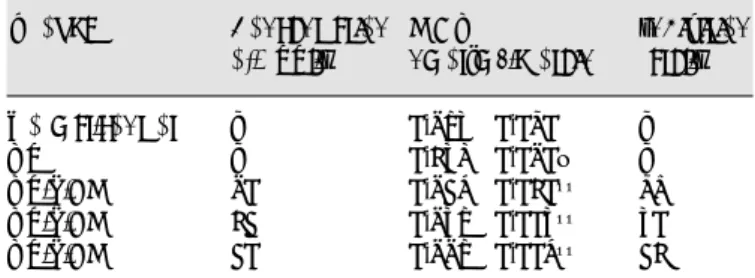
The results show a rise in BUN and creatinine values produced by ethanol (table 1); however, when various doses (10, 25 and 50 mg/kg) of TMP were administered as pretreatment, these values were significantly reduced.
Positive Control by TMP
TMP at 10, 25 and 50 mg/kg was able to significantly improve renal function. It is interesting to find that TMP could inhibit lipid peroxidation-induced MDA forma-tion, even in normal control kidney (table 2).
Protective Effect of Tetramethylpyrazine on Renal Toxicity
J Biomed Sci 2002;9:299–302 301
Table 1. Effect of TMP on absolute ethanol-induced serum BUN and creatinine increases in mice
Groups BUN, g/dl Creatinine, g/dl
Normal saline p.o. 17.9B1.4 0.07B0.04
AE p.o. 27.9B1.7*** 0.21B0.01***
AE + TMP (10 mg/kg) p.o. 18.1B1.3## 0.20B0.01##
AE + TMP (25 mg/kg) p.o. 13.6B1.2### 0.06B0.03##
AE + TMP (50 mg/kg) p.o. 13.4B1.3### 0.06B0.03##
Each value represents mean B SE (n = 10). AE = Absolute etha-nol. *** p ! 0.001 compared to the normal control group; ##p ! 0.05, ###p ! 0.001 compared to the absolute ethanol group
(Newman-Keuls test).
Table 2. Effect of various doses of TMP (10, 25, 50 mg/kg) on lipid peroxidation in vivo
Groups MDA, nmol/mg protein
Normal control 0.194B0.030
TMP (10 mg/kg) 0.197B0.007###
TMP (25 mg/kg) 0.179B0.005###
TMP (50 mg/kg) 0.133B0.004###
Each value represents mean B SE (n = 10). ###p ! 0.001
com-pared to the normal control group (one-way analysis of variance cou-pled with Dunnett’s test).
Table 3. Inhibitory effect of TMP on absolute ethanol (10 ml/kg)-induced lipid peroxidation in mice renal homogenate in vivo
Groups Concentration MDA Inhibition
of PEE, % nmol/mg protein rate, %
Normal control – 0.194B0.030 –
AE – 0.248B0.010* –
AE + TMP 10 0.156B0.020## 37
AE + TMP 25 0.149B0.004## 40
AE + TMP 50 0.119B0.006## 52
Each value represents mean B SE (n = 10). PEE = Propolis etha-nol extract; AE = absolute ethaetha-nol. * p ! 0.05 compared to the normal control group; ##p ! 0.05 compared to the absolute ethanol group
(Newman-Keuls test).
Table 4. IC50 of three different concentrations of TMP in the in vitro
assay of the inhibition of lipid peroxidation
Groups IC50, ÌM
TMP (0.01 mg/ml) 0.114B0.001
TMP (0.1 mg/ml) 0.112B0.002
TMP (1.0 mg/ml) 0.102B0.001
The data shown are those derived from a concentration response tested with three different concentrations of TMP. Each value repre-sents the mean B SE of three independent assays in concentration determination studies; each assay was done in triplicate.
Inhibitory Effect of TMP on Tissue Lipid Peroxidation in Absolute Ethanol-Induced Acute Renal Toxicity in vivo
It has been reported that absolute ethanol stimulates lipid peroxidation in the kidney [9]. Ethanol treatment in the present study caused a rise in the MDA value (table 3). Various doses of TMP (10, 25, 50 mg/kg) inhibited abso-lute ethanol-stimulated lipid peroxidation in mice kidney (table 3).
Cytochrome C Test in vitro
In the cytochrome C test, the IC50 of three different
concentrations of TMP in the in vitro assay of the inhibi-tion of lipid peroxidainhibi-tion ranged from 0.114 B 0.001 to 0.102 B 0.002 ÌM. TMP at 1.0 mg/ml exhibited the strongest superoxide scavenging activity (table 4).
Discussion
In the present study, the renal protective effect of TMP on absolute ethanol-induced renal injury was investigated in ICR mice. Serum levels of BUN and creatinine and superoxide scavenging activity were used as indicators of renal protection. As one might suspect, an increase in the serum BUN level may also be induced by muscle protein breakdown [10, 21], but muscle protein breakdown could not lead to an increase in the creatinine level [15]. As many authors have reported that an increase in both serum BUN and creatinine levels could be used clinically to imply renal insufficiency [5, 20], we decided to choose the tests of serum BUN and creatinine levels as the indica-tion of renal damage.
The acute administration of absolute ethanol (10 ml/ kg) to mice leads to a marked elevation of serum BUN and creatinine levels. This elevation of BUN and creati-nine levels reflects the degree of renal injury. In the
302 J Biomed Sci 2002;9:299–302 Liu/Lin/Lin/Chang/Lin present study, pretreatment of absolute
ethanol-intoxi-cated mice with TMP significantly decreased renal toxici-ty and the serum BUN and creatinine levels (table 1). It can be concluded from these results that TMP possesses a remarkable protective effect on absolute ethanol-induced renal injuries.
With respect to the lipid peroxidative product MDA, many researchers have reported that overproduction of MDA may also lead to renal damage [23, 25]. Compared to the positive control, TMP, administered orally at var-ious concentrations (10, 25 and 50 mg/kg), exhibited sig-nificant inhibition of lipid peroxidation and hence signifi-cantly decreased MDA formation in vivo (table 2). From table 3, it can be seen that TMP also exhibited significant
inhibition of absolute ethanol-induced lipid peroxidation in vivo. These findings indicate that the decrease in MDA formation is likely to play an important role in the pre-vention of renal injuries induced by absolute ethanol.
Taken together, the results of the present study indi-cate that the production of free radicals may be involved in the pathogenesis of renal injuries induced by absolute ethanol. They also show that TMP significantly inhibits the formation of renal injuries induced by absolute etha-nol, probably through its inhibitory effect on membrane lipid peroxidation and free radical formation or due to its free radical scavenging ability, and that it can thereby simultaneously decrease BUN and creatinine increases induced by absolute ethanol.
References
1 Baud L, Ardaillou R. Reactive oxygen species: Production and role in the kidney. Am J Physi-ol 251:F765–F776;1986.
2Bird JE, Evan AP, Peterson OW, Blantz RC. Early events in ischemic renal failure in the rat: Effects of antioxidant therapy. Kidney Int 35: 1282–1289;1989.
3 Bird JE, Milhoan K, Wilson CB, Young SG, Mundy CA, Parthasarathy S, Blantz RC. Isch-emic acute renal failure and antioxidant thera-py in the rat. The relation between glomerular and tubular dysfunction. J Clin Invest 81: 1630–1638;1988.
4 Feng J, Liu R, Wu G, Tang S. Effects of tetra-methylpyrazine on the release of PGI2 and
TXA2 in the hypoxic isolated rat heart. Mol
Cell Biochem 167:153–158;1997.
5 Gonzalez-Michaca L, Soto-Ramirez LE, Rodri-guez R, Gamba G. Viral hepatitis C in patients with terminal chronic renal insufficiency. 3. Viral quantification (in Spanish). Rev Invest Clin 53:21–27;2001.
6 Grisold M, Koppel H, Gasser R. First descrip-tion of the effect of a non-sulfonylurea com-pound, tetramethylpyrazine, on coronary re-sponse to desoxyglucose-induced ischemia. Acta Med Austriaca 25:16–20;1998. 7 Hansson R, Jonsson O, Lundstam S,
Petters-son S, Schersten T, Waldenstrom J. Effects of free radical scavengers on renal circulation af-ter ischemia in the rabbit. Clin Sci (Lond) 65: 605–610;1983.
8 Kako K, Kato M, Matsuoka T, Mustapha A. Depression of membrane-bound Na+-K+
-ATPase activity induced by free radicals and by ischemia of kidney. Am J Physiol 254: C330–C337;1988.
9 Kera Y, Komura S, Ohbor Y, Kiriyama T, Inoue K. Ethanol induced changes in lipid peroxidation and nonprotein sulfhydryl con-tent. Different sensitivities in rat liver and kid-ney. Res Commun Chem Pathol Pharmacol 47: 203–209;1985.
10 Lowell BB, Goodman MN. Protein sparing in skeletal muscle during prolonged starvation. Dependence on lipid fuel availability. Diabetes 36:14–19;1987.
11 McCord JM, Fridovich I. The reduction of cytochrome c by milk xanthine oxidase. J Biol Chem 243:5753–5760;1968.
12Nath KA, Paller MS. Dietary deficiency of antioxidants exacerbates ischemic injury in the rat kidney. Kidney Int 38:1109–1117;1990. 13 Neumayer HH, Kunzendorf U. Renal
protec-tion with the calcium antagonists. J Cardiovasc Pharmacol 18(suppl 1):S11–S18;1991. 14 Ni Z, Wang XQ, Vaziri ND. Nitric oxide
me-tabolism in erythropoietin-induced hyperten-sion: Effect of calcium channel blockade. Hy-pertension 32:724–729;1998.
15 Nosaka K, Clarkson PM, Apple FS. Time course of serum protein changes after strenu-ous exercise of the forearm flexors. J Lab Clin Med 119:183–188;1992.
16 Paller MS, Hedlund BE. Role of iron in post-ischemic renal injury in the rat. Kidney Int 34: 474–480;1988.
17 Paller MS, Hoidal JR, Ferris TF. Oxygen free radicals in ischemic acute renal failure in the rat. J Clin Invest 74:1156–1164;1984. 18 Pang PK, Shan JJ, Chiu KW.
Tetramethylpyra-zine, a calcium antagonist. Planta Med 62:431– 435;1996.
19 Pu Z, Zhu W, Jing Z, Zeng Z, Zuo W. Effect of tetramethyl pyrazine on coronary vasoconstric-tion induced by endothelin-1 in dogs (in Chi-nese). Zhongguo Yi Xue Ke Xue Yuan Xue Bao 18:133–137;1996.
20 Saad SY, Najjar TA, Al-Rikabi AC. The pre-ventive role of deferoxamine against acute doxorubicin-induced cardiac, renal and hepat-ic toxhepat-icity in rats. Pharmacol Res 43:211–218; 2001.
21 Schaefer RM, Weipert J, Moser M, Peter G, Heidbreder E, Horl WH, Heidland A. Reduc-tion of urea generaReduc-tion and muscle protein deg-radation by adrenalectomy in acutely uremic rats. Nephron 48:149–153;1988.
22 Shah SV. Role of reactive oxygen metabolites in experimental glomerular disease. Kidney Int 35:1093–1106;1989.
23 Somani SM, Husain K, Whitworth C, Tram-mell GL, Malafa M, Rybak LP. Dose-depen-dent protection by lipoic acid against cisplatin-induced nephrotoxicity in rats: Antioxidant de-fense system. Pharmacol Toxicol 86:234–241; 2000.
24 Szelenyi I, Brune K. Possible role of oxygen free radicals in ethanol-induced gastric muco-sal damage in rats. Dig Dis Sci 33:865–871; 1988.
25 Tarasova NS. Lipid peroxidation in chronic alcoholics with renal lesions (in Russian). Ter Arkh 70:23–25;1998.
26 Tsuboi N, Yoshida H, Shibamura K, Hikita M, Tomonari H, Kuriyama S, Sakai O. Acute renal failure after binge drinking of alcohol and non-steroidal antiinflammatory drug ingestion. In-tern Med 36:102–106;1997.
27 Wong SH, Knight JA, Hopfer SM, Zaharia O, Leach CN Jr, Sunderman FW Jr. Lipoperox-ides in plasma as measured by liquid-chro-matographic separation of malondialdehyde-thiobarbituric acid adduct. Clin Chem 33:214– 220;1987.
28 Yuda Y, Tanaka J, Hirano F, Igarashi K, Satoh T. Participation of lipid peroxidation in rat pertussis vaccine pleurisy. 3. Thiobarbituric acid (TBA) reactant and lysosomal enzyme. Chem Pharm Bull (Tokyo) 39:505–506;1991. 29 Zeng Z, Zhu W, Zhou X, Jin Z, Liu H, Chen X,
Pan J, Demura H, Naruse M, Shi Y. Tetra-methylpyrazine, a Chinese drug, blocks coro-nary vasoconstriction by endothelin-1 and de-creases plasma endothelin-1 levels in experi-mental animals. J Cardiovasc Pharmacol 31(suppl 1):S313–S316;1998.
30 Zhang SR, Cui GJ, Xu RM, Han C, Guo JY. Antiulcer effect of polycyclicamine compound HH01 on experimental gastric ulcer in rats (in Chinese). Yao Xue Xue Bao 30:103–106; 1995.