
Islamic Republic of Afghanistan Afghanistan National Development Strategy 1387 – 1391 (2008 – 2013)
301
0
0
全文
(2)
(3) . Islamic Republic of Afghanistan Afghanistan National Development Strategy 1387 – 1391 (2008 – 2013) A Strategy for Security, Governance, Economic Growth & Poverty Reduction.
(4) .
(5) ﺑﺴﻢ اﷲ اﻟﺮﺣﻤﻦ اﻟﺮﺣﻴﻢ In the Name of Allah, the Most Compassionate, the Most Merciful. ﺴ ِﻬ ْﻢ ِ ﺣﺘﱠﻰ ُﻳ َﻐ ﱢﻴﺮُو ْا ﻣَﺎ ِﺑ َﺄ ْﻧ ُﻔ َ ن اﻟّﻠ َﻪ َﻻ ُﻳ َﻐﻴﱢ ُﺮ ﻣَﺎ ِﺑ َﻘ ْﻮ ٍم ِإ ﱠ Verily, never will Allah change the condition of people unless they change it themselves (013,011). VISION FOR AFGHANISTAN By the solar year 1400 (2020), Afghanistan will be: . A stable Islamic constitutional democracy at peace with itself and its neighbors, standing with full dignity in the international family.. . A tolerant, united, and pluralistic nation that honors its Islamic heritage and the deep seated aspirations toward participation, justice, and equal rights for all.. . A society of hope and prosperity based on a strong, private-sector led market economy, social equity, and environmental sustainability.. OUR GOALS The Afghanistan National Development Strategy (ANDS) serves as Afghanistan’s Poverty Reduction Strategy Paper (PRSP) and uses the pillars, principles and benchmarks of the Afghanistan Compact as a foundation. The pillars and goals of the ANDS are: 1. Security: Achieve nationwide stabilization, strengthen law enforcement, and improve personal security for every Afghan. 2. Governance, Rule of Law and Human Rights: Strengthen democratic processes and institutions, human rights, the rule of law, delivery of public services and government accountability. 3. Economic and Social Development: Reduce poverty, ensure sustainable development through a private-sector-led market economy, improve human development indicators, and make significant progress towards the Millennium Development Goals (MDGs). A further vital and cross-cutting area of work is eliminating the narcotics industry, which remains a formidable threat to the people and state of Afghanistan, the region and beyond.. Afghanistan National Development Strategy (ANDS). i.
(6)
(7) Map of Afghanistan. iii. Afghanistan National Development Strategy (ANDS).
(8) Foreword. iv. Afghanistan National Development Strategy (ANDS).
(9) In the name of Allah, the most Merciful, the most Compassionate Six and half years ago, the people of Afghanistan and the international community joined hands to liberate Afghanistan from the grip of international terrorism and to begin the journey of rebuilding a nation from a past of violence, destruction and terror. We have come a long way in this shared journey. In a few short years, as a result of the partnership between Afghanistan and the international community, we were able to create a new, democratic Constitution, embracing the freedom of speech and equal rights for women. Afghans voted in their first-ever presidential elections and elected a new parliament. Today close to five million Afghan refugees have returned home, one of the largest movements of people to their homeland in history. Thousands of schools have been built, welcoming over six million boys and girls, the highest level ever for Afghanistan. Hundreds of health clinics have been established boosting our basic health coverage from a depressing 9 percent six years ago to over 85 percent today. Access to diagnostic and curative services has increased from almost none in 2002 to more than forty percent. We have rehabilitated 12,200 km of roads, over the past six years. Our rapid economic growth, with double digit growth almost every year, has led to higher income and better living conditions for our people. With a developing road network and a state-of-the-art communications infrastructure, Afghanistan is better placed to serve as an economic land-bridge in our region. These achievements would not have been possible without the unwavering support of the international community and the strong determination of the Afghan people. I hasten to point out that our achievements must not distract us from the enormity of the tasks that are still ahead. The threat of terrorism and the menace of narcotics are still affecting Afghanistan and the broader region and hampering our development. Our progress is still undermined by the betrayal of public trust by some functionaries of the state and uncoordinated and inefficient aid delivery mechanisms. Strengthening national and sub-national governance and rebuilding our judiciary are also among our most difficult tasks. To meet these challenges, I am pleased to present Afghanistan’s National Development Strategy (ANDS). This strategy has been completed after two years of hard work and extensive consultations around the country. As an Afghan-owned blueprint for the development of Afghanistan in all spheres of human endeavor, the ANDS will serve as our nation’s Poverty Reduction Strategy Paper. I am confident that the ANDS will help us in achieving the Afghanistan Compact benchmarks and Millennium Development Goals. I also consider this document as our roadmap for the long-desired objective of Afghanization, as we transition towards less reliance on aid and an increase in self-sustaining economic growth. I thank the international community for their invaluable support. With this Afghan-owned strategy, I ask all of our partners to fully support our national development efforts. I am strongly encouraged to see the participation of the Afghan people and appreciate the efforts of all those in the international community and Afghan society who have contributed to the development of this strategy. Finally, I thank the members of the Oversight Committee and the ANDS Secretariat for the preparation of this document.. Hamid Karzai President of the Islamic Republic of Afghanistan Foreword. v.
(10) Message from the Oversight Committee For the preparation of the Afghanistan National Development Strategy. vi. Afghanistan National Development Strategy (ANDS).
(11) In the name of Allah, the most Merciful, the most Compassionate We are pleased to present the Afghanistan National Development Strategy, which reflects the commitment of the Islamic Republic of Afghanistan to poverty reduction and private sector-led economic growth for a prosperous and stable Afghanistan. The ANDS Oversight Committee (OSC) was mandated by the Government to produce a Millennium Development Goals-based national strategy that is Afghan-owned and meets the requirements for a Poverty Reduction Strategy Paper. The OSC met on a regular basis to design, discuss and oversee the development of the strategy, including the identification of the needs and grievances of the people, and the prioritization of resource allocations and actions. To embrace ‘Afghanization” and ownership, the OSC facilitated inclusive and extensive consultations both at national and sub-national levels. Sustained fiscal support and continuous evaluation and monitoring are essential now to meet the challenges ahead related to ANDS implementation. The democratic aspirations of the Afghan people are high, yet financial resources remain limited. While much has been accomplished since 2001, more remains to be done as we move from “Compact to Impact”. The Afghan Government with support from the international community must act decisively, strategically, and with an absolute commitment to the ANDS goals and vision. We look forward to working with our government colleagues, civil society representatives, tribal elders and religious scholars, the private sector, the international community and, most importantly, fellow Afghans to implement the ANDS, to help realize the Afghanistan Compact benchmarks and Millennium Development Goals.. Prof. Ishaq Nadiri Senior Economic Advisor to the President Chair, ANDS and JCMB. Ahmad Zia Masoud First Vice-President. Dr. Anwar-ul-Haq Ahady Minister of Finance. Sarwar Danish Minister of Justice. Dr. Jalil Shams Minister of Economy. Dr. Zalmay Rassoul National Security Advisor. Dr. Rangin Dadfar Spanta Minister of Foreign Affairs. Dr. Amin Farhang Minister of Commerce and Industry. Haneef Atmar Minister of Education. Message from the Ovresight Committee. vii.
(12) Acknowledgments. viii. Afghanistan National Development Strategy (ANDS).
(13) In the name of Allah, the most Merciful, the most Compassionate The Afghanistan National Development Strategy (ANDS) could not have been developed without the generous contribution of many individuals and organizations. The ANDS was finalized under the guidance of the Oversight Committee, appointed by HE President Hamid Karzai and chaired by H.E. Professor Ishaq Nadiri, Senior Economic Advisor to the President and Chair of the ANDS Oversight Committee. The committee included: H.E. Rangeen Dadfar Spanta, Minister of Foreign Affairs; H.E. Anwar-ul-Haq Ahady, Minister of Finance; H.E. Jalil Shams, Minister of Economy; H.E. Sarwar Danish, Minister of Justice; H.E. Haneef Atmar, Minister of Education; H.E. Amin Farhang, Minister of Commerce; and H.E. Zalmai Rassoul, National Security Advisor. We would like to sincerely thank the First Vice-President and Chair of the Economic Council, H.E. Ahmad Zia Massoud. Special thanks are also due to H.E. Hedayat Amin Arsala, Senior Minister and H.E. Waheedulah Shahrani, Deputy Minister of Finance and the Ministry of Finance team. In addition, we would like to thank the Supreme Court, the National Assembly, Government Ministries and Agencies, Provincial Authorities, Afghan Embassies abroad, national Commissions, the Office of the President, Civil Society Organizations, and International Community. All Ministers, deputy ministers and their focal points, religious leaders, tribal elders, civil society leaders, all Ambassadors and representatives of the international community in Afghanistan; and all Afghan citizens. National and international agencies participated actively in the ANDS consultations. Their contributions, comments and suggestions strengthened the sectoral strategies, ensuring their practical implementation. Thanks are also due to the Ministry of Rural Rehabilitation for their significant contributions to the subnational consultations. Special thanks are further due to the Presidents Advisors, Daud Saba and Noorullah Delawari for their contributions, as well as Mahmoud Saikal for his inputs. We are also indebted to the Provincial Governors and their staff for their contributions, support and hospitality to the ANDS preparations. Special thanks go to Wahidullah Waissi, ANDS/PRS Development Process Manager, for his invaluable contribution and for the efforts of his team of young Afghan professionals who dedicated themselves tirelessly to completing the I-ANDS, Afghanistan Compact and the full ANDS in consultation with both national and international partners. The Sector Coordinators included Rahatullah Naeem, Farzana Rashid Rahimi, Shakir Majeedi, Attaullah Asim, Mohammad Ismail Rahimi, Zalmai Allawdin, Hedayatullah Ashrafi, Shukria Kazemi, Saifurahman Ahmadzai, and; the Sub-National Consultations Team consisted of Mohammad Yousuf Ghaznavi, Mohammad Fahim Mehry, Shahenshah Sherzai, Hekmatullah Latifi, Sayed Rohani and Osman Fahim; and Prof. Malik Sharaf, Naim Hamdard, Saleem Alkozai, Mir Ahmad Tayeb Waizy, Sayed Shah Aminzai, Khwaga Kakar and Mohammad Kazim. Thanks to Nematullah Bizhan for his special contribution from the JCMB Secretariat. We are also indebted to the many national and international advisers who supported this effort. In particular, we would like to thank Zlatko Hurtic, Paul O’Brien, Jim Robertson, Barnett Rubin, Peter Middlebrook, Richard Ponzio, Anita Nirody, Shakti Sinha, Ashok Nigam, Christopher Alexander and Ameerah Haq. Finally, I would like to thank all who contributed towards this endeavor in preparation of the first Afghanistan National Development Strategy, a milestone in our country’s history and a national commitment towards economic growth and poverty reduction in Afghanistan.. Adib Farhadi, Director, Afghanistan National Development Strategy, and Joint Coordination and Monitoring Board Secretariat See complete list of contributors in next page.. Acknowledgments. ix.
(14) In addition to the mentioned names, tens of other Afghans (men and women) had direct role in the preparation of this first ever Afghanistan’s noble development strategy, who devoted their time and energy, and without their valuable efforts, the completion of this huge and highly important task would have been impossible. And, it would have unjust not mentioning their names. These names, categorized as under, include: FROM THE ANDS & JCMB SECRETARIATS Shahpoor Taqat, Ahmad Fahim Ebrat, Khaled Hares, Lutfullah Dinarkhil, Mohammad Arif Hushang, Ahmadullah Kakar, Nazeef-ur-Rahman Jawad, Mursal Asmati, Samiullah Nazemi, Fardeen Sediqi, Habib Noor Marwat, Sousan Rasuli Rahimi, Assadullah Zarmalwal, Durukhshan Esmati, Abdul Moien Jawhary, Ellaha Baheer, Khwaga Kakar, Wida Yalaqi, Fauzia Asefi, Ziauddin Zia, Gul Ghutai Najeeb, Hamid Majidee, Sayed Mohammad Ameen Habibi, Jawid Shinwari, Zabiullah Zaki, Mohammad Karim Osmani, Qais Mehraban, Abdul Mateen Walizada, Babrak Noorzad, Abdul Razeq Fakur, Qahir Shafai, Khwja Gharib Fitri, Shafiqullah Qaderi, M. Nabi Sroosh, Mir Mohammad Javid Qahari, Sameera. Muheb, Sayed Hamed Daqiq, Ahmad Siroos Popal, Ahmad Shah Safi, Ahmad Shah Aminzai, Ahmad Khalid Asghari, Abdul Sabour fazil, Hamid Hashimi, Mohammad Ilyas, Hameed Sayedy, Shafiqullah Ibrahimi, Ab.Ghafar, Habibullah Maiwand, Mustafa Ahmadzai, Haji Shamsuddin, Eng. Bahawuddin Baha, Barat Ali, Khalid Malik Asghar, Ahmad Zia Kechkini, Muhammad Mustafa Mustaan, Abdullah Waziry, Mohammad Naeem, Husnia Hushang, Khalid Islam, Jafar Asifi, Ajmal Payman, Abdullah Barakzai Herawi, Sear Zafar, Emilie Jelinek, Helen Ólafsdóttir, Amy Paunila, Sorabh Sinha, Subhash Misra, Atul Gupta, Kara Johnston Molina, Ismail Ali Khan, Peter Middlebrook, Shanthini Dawson, Nipa Banerjee, Andrew Pinney, Sarah Lister and Andja Cosic. EDITORS Azam Rahnaward Zaryab, Habibullah Rafi, Sarwar Azarakhsh, Razaq Mamoon, Jawid Farhad, Prof Mohammad Yunus Toghyan, Prof Mohammad Nabi Salehi, Prof Sayed Jamaluddin Hashimi, Martha Fay, Trent Bertrand, Richard Filmer and James Corbishley. GOVERNMENT OFFICIALS Their Excellencies, Mohammad Karim Khalili, General Abdul Rahim Wardak, Zarar Ahmad Moqbel, Abdul Karim Khoram, Noor Mohammad Qarqeen, Dr. Mohammad Azam Dadfar, Mohammad Ismail Khan, Hamidullah Qaderi, Hosn Bano Ghazanfar, Sohrab Ali Saffary, Dr. Sayed Mohammad Amin Fatimie, Obaidullah Ramin, Eng. Mohammad. Ibrahim Adel, Eng. Amirzai Sangin, Mohammad Ehsan Zia, Karim Barahowie, Eng. Yousef Pashtun, Gen. Khodaidad, Sher Mohammad Etebari, Dr. Farooq Wardak, Abdul Salam Azimi, Mohammad Omar Zakhilwal, Amrullah Saleh, Abdul Qadeer Fitrat, Mir Abdul Ahad Sahiby, Dr. Abdul Jabbar Sabit, Abdul Bari Rashid, M. Anwar Jigdalak, Dr. Abdul Matin Edrak, Dr. Sharif Sharifi, Mustafa Zahir, Ahmad Mushahid, Abdul Rahman Ghafori, Abdul Rauf Bari, Fatima Gilani, Dr. Seema Samar, Azizullah Lodin and Ezatullah Wasifi. Some former ministers, who have contributed to the ANDS process during their postings with the government are the followings: Dr. Abdullah Abdullah, Ali Ahmad Jalali, Sayed Makhdoom Raheen, Eng. Nematullah Ehsan Jawid, Habibullah Qaderi, Mohammad Akbar Akbar and Jawid Lodin. NATIONAL ASSEMBLY Their Excellencies, Prof. Sebghatullah Mojadidi, Mohammad Yunus Qanoni, Khial Mohammad Hussaini, Abdul Jabbar Shelgari, Zahira Ahmadyar Mowlai, Tahira Mirzad, Sultan Jan Khaksar, Taiba Zahidi, Mohammad Nasir Attai, Rahima Jami, Saadat Fatai, Sayed Mustafa Kazimi, SafarMohammad kakar, Mohammad Amin Qani, Dr. Fatima Aziz, Mohammad Rangeen, Mushwani, Dr. Habiba Danish, Samia Aziz Saddat, Haji Musa Khan, Roshanak Wardak, Pacha Khan Zadran, Gul Pacha Majeedi, Fazl-u-Rehman Samkani, Sayed Ghulam Farooq Meerani, Haji Faqir, Delbar Nazari, Eng. Mohammad Arif Zarif, Alhaj Mula Tarakhil, Quderia Yazdan Parast and Shinkai Zaheen Karookhil. PROVINCIAL GOVERNORS Their Excellencies, Haji Din Mohammad, Habiba Sarabi, Meerajuddin Pattan, Shir Ahmad Khosti, Dr. Usman Usmani, Abdul Jabar Naeemi, Abdullah wardak, Abdul Jabar Taqwa, Abdul Satar Murad, Bahlol Bahej, Gul Agha Shirzai, Gulab Mangal, Lutfullah Mashal, Sayed Fazlullah Wahidi, Haji Shahlezi Dedar, Assadullah Wafa, Mohammad Tamim, Nuristani, Arsala Jamal, Rehmatullah Rehmat, Juma Khan Hamdard, Dr. Akram Khpalwak, Assadullah Khalid, Delbar Jan Arman, Assadullah Hamdam, Abdul Hakim Munib, Alhaj Mawlawi Bahruddin Baloch, Sayed Hussain Anweri, Alhaj Baz Mohammad Ahmedy, Mohammad Ashraf, Nasiri, Abdul Jabar Haqbeen, Mohammad Haleem Yousufzai, Eng. Mohammad Ismail, Abdul Latif Ibrahimi, Munshi Abdul Majeed, Atta Mohammad Noor, Mohammad Hashim Zaray, Sayed Mohammad Iqbal Munib, Abdul Haq Shafaq, Qazi Enyatullah Enayat, Eng. Mohammad Essa, Sultan Ali Uruzgani and Khawaja Khalilullah Seddiqi.. x. Afghanistan National Development Strategy (ANDS).
(15) HEADS OF PROVINCIAL COUNCILS Qari Samiullah, Habib-u-Rehman, Mohammad, Janan, Ustad Abdul Hakim, Farid Shafaq, Munawar Khan, Mawlawi, Ihsanullah, Fazal Hadi Muslim, Iamaaduddin Abdul Rahimzai, Abdul Wali, Rahmatullah Rashidi, Taj Ali Khan Sabir, Miakhil Zazai, Waziri, Ahmad Wali Karzai, Haji Mohammad Hashim, Mawlawi Hamdullah, Haji Mohammad Gul, Haji Sediq Khan, Abdul Qais Roshan, Dr. Hamayun Azizi, Daud Ghafoori, Qari Dawlat, Dr. Mahiuddin, Mawlawi Abdullah, Mawlawi Lutfullah, Rehmani, Farhad Azeemi, Mawlawi Abdul Hai, Mawlawi Abdul Ghani, Haji Sarajuddin, Sayed Farukh Shah Jinab, Raihana Azad and Poya. THOSE NATIONALS AND INTERNATIONALS WHO HAD CONTRIBUTED IN THE FOLLOWING ANDS SECTORS: SECURITY SECTOR Ab. Malik Qurishi, Acbar Quraishi, Hamayon Tandar, General Abdul Hadi Khalid, General Muhebullah Muheb, General Mohammad Taher Nazem, General Muslim, General Mashodullah, Col. Mohammad Taher, Abudul Zia,, General Ghiasee, Jamil Shamyana, Sayed Zahoor Rasuli, Aziz Ahmadzai,, Khalid Zekria and Dr. Mohammad Haider Reza. GOVERNANCE & PUBLIC ADMINISTRATION REFORM SECTOR Sultan Shah Akifi, M. Akbar Akramzada, Abdul Qadeer, Barna Karimi, Gheyas Wardak, Rahela Sidiqi, Sayed Zabiullah Sawayz, Asmatullah Ramzi, M. Sami Nabi, Dr, Daud Najafi, Monema Mansoor, Abdul Saboor, S. Noorullah Hashimi, Eng. Abdul Wasi, Amanullah Afshari, Zia Langahary, Fouzia Amini, Shazia Darwish, Moh. Ibrahim Safai, Ajmal Ayan, Zalmai Hotak, Amin Shafiee, Diana Nawazi, Jamal Nasir, Eng. Moh. Emal Azimi, Qurban Ali Rahimi, Mahesh Shukla, Verginia Sheffield, Kawun Kakar and Zia Frahmand. JUSTICE & RURAL OF LAW SECTOR Dr. Abdul Malik Kamawi, Dr. Qasem Hshimzai, Mohammad Isahq Alko, Abdul Aleem Samadi, Temorsha Stanekzai, Mohammad Sediq Zhobal, Dr. Arif, Kawun Kakar, Hamidullah Amiry, Sayed Jalal Jalal, Munir Ahmad Pathang, Afizullah Noorestani, Zia Frahmand, Najim Animashaun, Sara Rezogli, Daniele Canistri,, Katherine Blanchette and Dr. Martine Lau. RELIGIOUS AFFAIRS SECTOR Shir Ali Zarif, Abdul Wali Basirat, Dr. Rezai, Sayed Norrullah Murad, Maulawi Esrarullhaq, Maulawi Dahee-ulHaq, Maulawi Muslem, Prof Asadullah Jahidi and Prof Lutfurahaman Sayedi. TRANSPORT & CIVIL AVIATION SECTOR Raz Mohammad Alami, Ghulam Ali Rasikh, Dr. Mohammad Yaqub Rassuli, Mohammad Ramazan Shafaq, Robert Kamphuis, G.K.Singh, Dr. Mohammad Wali Rassoli, Adel Shah, Saleem Bedya, Eng. Assadullah Oriakhel, Sohail Kaker, Patyal Ghorzang, Delbar Abdi, Eng. Qiamudin Jalalzada, Jamal Nasir, Raz Mohammad, Eng. Wais Ahmad, Salem Shah Ibrahimi, Eng. Khalilurahman, Eng. Satar Salim, Arsalan Ghalieh, Roya Husseni, Amin Shafiee, Diana Nawazi, Eng. Mohammad Azim, Eng. Waheedullah, Azizi, Pushpa Pathak, Dr. Hassan Abdullahi, General Munir Mangal, General Noorudin, Greg Gajewski, Barna Karimi, Mohammad Qurban Haqqjo and Ahmad Shah Hemat. ENERGY SECTOR Eng. Mir M. Sediq Ashan, Eng. Zia Gul Saljuki, Eng. Ghulam Rabani, Eng. Hashim, Eng. Sarwar, Eng. Wahid, Mary Louise, Arsalan Ghalieh, Salem Shah Ibrahimi, Eng. Khuzhman Ulomi, Eng. Mohmmad Farid Fazaly, Eng. Abdul Qudos Hamidi, Eng. Wais Ahmad, Roya Husseni, Amin Shafiee, Diana Nawazi, Russell Profozich and Matthew W. Addison. WATER RESOURCE MANAGEMENT SECTOR Eng. Shojaudin Ziaie, Eng. Sultan Mahmood, Hans Husselman, Paul Collins, Eng. Sayed Sharif Shobair, Mohammad Qasim Naimi, Eng. Pir Mohammad Azizi, Eng. Dad Mohammad Baheer, Ghulam Hassan, Eng. Mohammad Naim Tokhi, Eng. Qiamudin Jalalzada, Mohammad Qasim Salehi, Abdul Hashim Hikmat, Eng. Abdul Waheed Hamidi, Eng. Fahimullah Ziaee, Eng. Waheedullah Majeed, Eng. M. Ali Akbari, Roya Husseni, Amin Shafiee, Diana Nawazi and Jamal Nasir. INFORMATION & COMMUNICATION TECHNOLOGY SECTOR Baryalai Hassam, Ajmal Ayan, Muhammad Aimal Marjan, Oliver Dziggel, Bhupal Nanda URBAN DEVELOPMENT SECTOR Eng. Said Osman, Eng. Abdul Hasib Latifi, Jamal Nasir, Richard Geier, Pushpa Pathak, Fernando Da Cruz, Jolyon Leslie,, Eng. Abdul Khaliq Nemat, Eng. Ibrahimi, Srinivasa Rao Podipireddy, Barna Karimi, Eng. Qiamudin Djalalzada PhD, Dr. Hassan Abdullahi, Eng. Waheedullah Azizi, Mahmoud Saikal, Mohammad Qurban Haqjo and Ahmad Shah Hemat. Acknowledgments. xi.
(16) MINES & NATURAL RESOURCES SECTOR Eng. Chaman Shah Ahmadi, Eng. Abdul Wakil, Eng. Sadeq, Eng. Khuzhman Ulomi, Eng. Mohmmad Farid Fazaly, Eng. Masoom, Eng. Mohammad Akram Ghiasi, Eng Abdul Qudos Hamidi and M. Heydari. EDUCATION AND CULTURE SECTOR Dr. Abdul Ghafor Ghaznavi, Abdul Wassay Arian Mohammad Azim Karbalai, Asadullah Zamir Mohmmand, Ab.Rahim Husainyar, Mohammad Esa Rezaie, Mohammad Ghous Bashir, Mohammad Hussain Farahmand, Abdul Rahim Wardak, Abdul Rahim Nasiri, Mohammad Musa Rahimi, Deen Mohammad Safi, Fazel Ahmad Fazelyar, Richard Filmer, Sardar Mohammad Roshan, Mohammad Ibrahim, Dr. Mohammad Yahya Wiar, Mohammad Razaq Noori, Javeed Attaee, Jena Haidari, Wakil Ahmad Bayan and Stephen Vardigans. MEDIA, CULTURE AND YOUTH SECTOR Sayed Omar Sultan, Mohammad Zahir Ghauss, Najibullah Manalai, Shams Zardasht, Shams, Zalami Hotak, Brendan Cassar, Yadgar Safi, Mohammad Ismail Aslami, Masonari, Rasuli and Ghulam Farooq Sawab. HEALTH & NUTRITION SECTOR Dr. Faizullah Kakar, Dr. Aqila Noori, Dr. Ahmad Jan, Dr. Wali, Dr. Daud Karimi, Dr. Zarmina, Nazira Rahman, Charlotte Dufour and Marghalry Khara. AGRICULTURE & RURAL DEVELOPMENT SECTOR Pir Mohammad Azizi, Mohammad Asif Rahimy, Eng. Rahman Habib, Nasrullah Bakhtani, Eng. Wais Aahmad Barmak, Salem Shah Ibrahimi, Arsalan Ghalieh, Amin Shafiee, Diana Nawazi, Roya Husseni, Cristy Ututalum, Joji Tokeshi, Loren Flaming and Clemence J. Weber. SOCIAL PROTECTION SECTOR Wasil Noor Mohmand, Mohammad Ghous Bashiri, Mazari Safa, Mazhgan Mustafawi, Naqibullah Hamdard, Sayed Asghar Haidari, Samimullah Sultani, Sanjeev Shirvastav, Zahidullah, Wahidullah Barekzai, Dr. Sayed Ahmad Zia Bina, Feroz Ali, Shahbaz Khan, Khawaja Gharib Fitri, Zia Ahmad Jalal, Eng. Habibullah Yanoor, Eng. Sardar Mohammad, Eng. M. Sediq Hasani, Ajmail Karimi, Seeta Giri, Nasir Ahmad Popal, Nooria Banwal, Hussain Ali Moeen, Mohammad Ibrahim Safi, Mohammad Yahya Wiar, Dr. Shir Shah Bayan, Samiulhaq Sami, Elisabeth Rousset, Carol Le Duc, Abdul Ghani Kazimi, Naseer Ahamd Ayani, Naysan Adlparvar, Khalid Khoshbin, Abdul Rahim Wardak, Abdul Rahim Nasiri and Zlatko Hurtic. REFUGEES, RETURNEES & IDPS SECTOR Abdul Qadir Ahadi, Fazel Ahmad Azimi, Abdul Bari Rostaee, Khwja Gharib Fitri, Zia Ahmad Jalal, Abdul Qader Zazai, Zahida Shahidi, Sayed Rahim, Dr. Mohammad Yahya Wiar, Mohammad Zia Farahmand, M. Daud Panjshiri, Mohammad Erfani Ayoob, Mohammad Sediq Rasoli, Eng. Habibullah Yahoor, Naseer Ahmad Ayani, Khalid Khoshbin, Ahmad Qais Munhazim, Malang Ibrahimi, Sardar Wali Wardak, Mohammad Nader Farhad, Salwator Lembardo and Ewen Macleod. PRIVATE SECTOR DEVELOPMENT SECTOR Dr. Mustafa Mastor, Dr. Shah Mehrabi, Waheed Qaderi, Ahmad Farid Nabi, Anwar Aryan, Mozaml Shinwari, Ateeq Nosher, Mustafa Aria, Ghazaal Habibyar, Waleed Payenda, Zia Ur Rahman, Lejla Catic Hurtic, Lisa Pinsley, Mohammad Mamoon Sarwary, Mirwais Ahmadzai, Ziauddin Zia, Sharif Sharifi, Said Azim Hossainy, Hafizullah Wali Rahimi, Mohammad Shah Hashimi, Abdul Wassay Haqiqi, Bashir Ahamd Seyat, Heydayatullah Watanyar, Mohammad Yousuf Rajabi, Shah Mohammad Jan, Mohammad Azim Wardak, Tarana Wafi, Ahmad Feroz Rasikh, Mohammad Yousuf Jabarkhail, Khalid Yousufzai, Najib Wardak, Ahmad Shah Taheri, Yousuf Nuristani, Haji Khalilurahman, Mohammad Asif Ferozan, Shakib Noori, Seliman Fatimi, Gulam Mohammad Aylaqi, Shiren Aga Sakhi, Khanjan Alkozai, Popalzai Popal, Omar Zakhiwal, Eng. Rahman Habib, Wahidullah Nosher, Sayed Hassan, Safi Popalzai, Sardar Mohammad Nabard, Jaweed Zeerak, Megal Leric, Derin Daivs, Nick Polite, Martin Kipping, Shafiq Gaohari, Garig Alison, Trend Brathernad, James Corbishly, Kety Walsh, Flip Kabnis and Mikaila Eglan. GENDER EQUITY Sayeda Mujgan Mustafavi, Palwasha Kakar, Mazari Safa, Fauzi Habibi, Nafisa Kohistani, Marghaler Khara, Ghulam Farooq Sawab, Karima Salik, Jeena Haidary, Monema Mansoor, Nooria Banwal, Gulrukh Badakhshy, Hassan Ali Moeen, Ahmad Zai Munsef, Mohammad Jahid, Mohammad Zahir, Nazia Faizee, DR. Hamida, Tamim Lomani, Gul Ghotai, Zohera Hafizi, Eng. Najiba, Noorzia Kohistani, Cliana Nawazi, Shahperay, Latifa, Meryam Aslan, Ermie Valdeavilla, Huma Sabri, Latifa Hamidi, Ahmad Sulaiman Hedayat, Ajab Niaji, Marzia Alam, Henri-Francois Morand, Ian Holland, Shipra Bose, Blanka Simunkova, Habibullah Wahidi, Mirwaise Sadaat, Rosanita Serrano, Hasin Safi, Jan Reynders, Muhahid Rustaqi, Barbara Ammirati, Nesrin Hannoun, Murwarid Ziaee, Saleha Kaliq, Shah Mahmood Miakhail, Husai Wardak, Mohammad Payab, Palwasha Hassan, Nabila xii. Afghanistan National Development Strategy (ANDS).
(17) Musleh, Wahidullah Popalzai, Makiko Kabota, Raju Malla-Dhakal, Sousan Reesor, Saifora Paktiss, Sara Rezoagli, Laura Raccion, Sofia Orrebrink, Inger Sangnes, Pieter Leenlingt, Amina Omeri, Ishaq Shanwari, S. M. Shah, Anna Wordsworth and Deborah Smith. COUNTER NARCOTICS Dr. Zafar Khan, Dr. Mohammad Yahyia Wiar, Abdul Haleem Wahidi, Mohammad Farooq Yaqoobi, Abdul Salaam Ghiasi, Abdul Samad, Hamidulalh Amiri, Homayoon Paikar, Nicola Lee, Divid Macdonald, Tesbehullah Kan Shinwari and Amin Shaifee ANTI CORRUPTION Dr. Mohammad Qasim Hashimzai, Kawun Kakar, Hamidullah Amiry, Ali-Reza Mowhadi, Dr. Kamawi, Dr. Arif, Mohammd Qasim Halimi, Mohammad Monir Patang, Sayed Jalal Jalal, Rahela Hashim Sidiqi, Zabiullah Sawayz, Abdul Halim Marefat Almas, Mohammd Yuosuf Jalal, Sayed Amin Amin, Ibrahim Safi, Zai Frahmand,, Jamal Nasir, Ghulam Dastgir Meezan, Sanzer Kakar, Micheal Mota, Lary Sage, Jack Dougherty, Khwaga Kakar and Divad Watt. REGIONAL COOPERATION Enayatullah Nabiel, Eng. Zia Gul Saljuki, Kadir Nur, Mir Mohammad Sediq Eshan, Shakti Sinha, Mohammad Ramazan Shafaq, Eng. Hashim, M. Ghous Bashiri, Ziauddin Zia, Said Azim Hossainy, Azim Wardak, Mahmoud Saikal, Mohammad Mamoon Sarwary, Fazel Ahamd Bahrami, Feroz Rasikh, Saifullah Abid, Dr. Elham, Jack Dawtri, Eng. Salik and Mohammad Reza Jawad. ENVIRONMENT Mustapha Zaher, Eng. Dad Mohammad Baheer, Sayd Mohmmad Rahimi, Asif Zaidi, Belinda Bowling, Fatemah Shams, Suliman Salari and Erin Hannan. THE NON GOVERNMENTAL AND CIVIL SOCIETY ORGANIZATIONS Mohammad Hashim Mahyar, Eng. Aziz Rafiee, Afifa Azim, Lida Yaqoubi, Sayed Fazlullah Wahidi, Anja de beer, Dr. M.Saeed Niazi, Eng. Jan Mohammad, Rahmatullah Kamran, Asmatullah Alizai, Roya Rahmani, Jamila Afghani, Sultan Maqsood Fazel, Fahim Hakim, Jawid Nader, Naysan Adalparvar, Haroon Shams, Grant Walton, Christen Dyness, Michael Scott Braunschweig, Tilly Reed, Razia Hassani, Sohiala yarzad, Eng. Hakim Gul Ahmadi, Eng. Sayed Rahim Sattar,Eng. Bariali Omerzai, Abdul Ahad Maihanyar, Naeem Asghari, Abdul Halim, Firoz Ali Alizada, Saifora Barekzai, Sheila Sameme, Sayed Jawed Quanee, Eng. Khial Shaha, Bahara Sarwary, Soraya Parlika, Laila Langari, Mary Akrami and Richard Blane. MINISTRY REPRESENTATIVE IN SUBNATIONAL CONSULTATIONS Pair Mohammad Khan, Mohammad Nasim, Safar ali, Sakhi khan, Mohammad Akbar, Abdul Samad, Said Abdulqahar, Zabihullah, Zakrya khan, Mohammad Kazim, Wahidullah, Mohammad Yousuf, Qasim khan, Mohammad Sarwar, Mohammad shah, Abdul Wakel, Bakht Muner, Amir Muhammad Noori, Abdulghafoor, Abdul Ghiyas khan, Painda Mohammad khan, Mohibullah, Ahmad Nabi Farahi, Khwaja Dawa jan, Wafiullah, Abdul Mukhtar, Abdullkhaliq,, Tasbihullah Shinwari, Eng. Khalil Mangal, Mir Abdullah, Abdul Khaliq Faizi, Bismellah Khan, Ali Reza Mohadi, Said Ahmadllah, Abdull Rahman Azizi, Asadullah Wahdat, Said Abdullah, Haji Abdul Qader, Abdul Qadir, Haji Bismellah, Qazi Fazluddin, Dawlat mohammad, Mohammad Ibrahim Safai, Sadiqullah Reshtya, Muhibullah, Abdul Alim, Mohammad.Zia farahmand, Mohammad farooq Azizi, Nasir Ahmad Karimzai, Sultan Ahmad, Haji Abdul Wasy, Lal Mohammad Noori, Asdullah barakzai, Hamidullah, Mehrabuddin, Fida, Ghulam, mohammad, Sultan mohammad, Hamdullah, Sultanullah, Mohammad Naem, Nahed Nazari, Sahed baqi Amiri, Gull ghutai, Arifa Samadi, Tamim lonami, Sallahudin Faizi, Sayed baqir Amiri, Ahmad zubair rahel, Gullrokh, Ismail, Shirin Sahar, Khan Muhamad, Abdul Mallek Qazi, Abdul Muheb, Ali dost Shahab, Muhamad Tayeb, Munir Mahrwar, M.meelad, Mahrwar, Abdul Rafi Sahel, Mohammad Humayoon, Dr. Noormuhamad Niyazi, Pacha khan, Mirza Ahmad, Abdul Rahim Hassanyar, Dr. Habibullah, Sayed Ahmad, Dr. Dost, Dr. Mohammad Naem Abi, Hasan Husainy, Dr. Raoufi, Said Ahmad Gawhari, Dr. Sadiq, Mohammad Nasim, Zahidullah, Dr. Irag Feroz, Dr. Mohamad Said, Dr. Dawood, Said Ahmad Ghori, Dr. Ahmad Jawed, Dr. Rabi, Dr. zekrya, Dr. Shokohmand, Dr. Mohammad Tawab, Dr. Dostyar, Mahbob Wazirwall, Nazar Mohammad, Mohammad Ibrahim, Abdul Saboor Qazi, Said Ahmad Shah, Miram Jan, Hamidullah Baha, Mohammad Nasim, Eng. Hashim, Azizullah, Eng. Faiz, Eng. Ashuqullh, Eng. Rozbeh, Eng. Dad Mohammad, Eng, Mohammad Qasem, Eng. Ali Ahmad, Eng. Mohammad Nabi, Dawood, Eng. Gull bahram, Dr. Mohammad Den, Eng. Abdullah Eng. Ali Ahamd, Eng. Alif Khan, Aminullah Mahmod, Mohammad Musa Afzali, Abdul Qasim, Ali Mohammad, Eng. Rahmatullah, Eng. Saifurahman, Eng. Idress Angar, Eng. Zaringul Sarter, Eng. Maruf, Eng. Ajmal, Mohammad Ashraf, Ahmad khlid, Azizurahman, Humayoun, Eng. Zaringull Shinwari, Eng. Kabir, Eng. Abdul Razeq, Shawali Khan, Mohammad Reshad, Abdul Mohib, Mohammad Akbar Lodin, Mohammad Farooq Umer Yar, Abdul Sabor, Roullah, Mahram Ali, Mohammad Naeem Khan, Mohammad Ali, Dinullah, Mohammad Omer, Ghulam Nabi, Niaz Mohammad, Hassibullah Amini, Muhamad mateen, Muhammad Mehdi, Yar Muhammad, Haseeb Mehridin, Khwga Mehrabudin, Abdul Basir, Taheera, Shahnawaz Khan, Abdul Rashid, Acknowledgments. xiii.
(18) Shah Muhammad, Hamidi, Abdul Raziq, Mohammad Sabor, Mir Husain, Abdul Salam Shanawaz, Sabur Shirzad, Shah Muhamood, Ghulam Rabani, Abdul Salam Khan, Abdul Ghiyas, Dr Fazilludin, Hafizullah, Abdulraziq, Rahimi, Nasrullaha Bakhtani, Shah Muhammad, Dr. Akram Karimi, Mohammad Karim Banwal, Eng. Abdulqader Zahin, Eng. Shabir Ahamad, Muheburahman, Abdul Maruf Panjshiri, Eng. Mohammad Jafar, Abdul Nasir Qani, Eng. Mohammad Rahim, Eng. Habibulllah, Eng. Abdul Wali, Eng. Omer, Eng. Shafiq Zhobal, Noor Ali, Eng. Lutfullah, Ahamdullah, Feridoon Ahmadi, Eng. Asadullah, Hamyoon, Abdul Baqi Shaidi, Eng. Jan Mohammad, Eng. Mohammad Ismail, Abdulwajeed Wajeed, Sayed Gulam Shah, Eng. Mohammad Ameen, Eng. Mohammad Essa, Aminullah Nasiri and Eng. Faizullah. ANDS PROVINCIAL FOCAL POINTS Wais Munib, Lal Mohammad Walizada, Faiz Mohammad Daqiq, Jan Mohammad, Eng. Shabir Ahmad, Eng. Noorzai, Aziz-ur-Rehman, Amin Ahmad Daqiq, Ahmad Wali Hakimi, Aminudin Baidar, Shah Muhamood, Hazrat Gul Abid, Eng Hamid Shah, Mohammad Tahir, Haji Mohammad Ayoub Zurmati, Mohammad Rahim Rahimi, Dr. Habib Rehman Romal, Eng. Mohammad Hashim, Khawaja Khalilullah Sediqi, Eng. Fariadoon Ahmady, Eng. Abdul Nasir, Eng. Taj Mohammad Zulal, Abdul Bayes, Abdullah Samandari, Eng. Shah Hussain Atif, Abdul Rashid, Abdul Wasay Muslih, Haji Abdul Rehman, Eng. Sayed Hamidullah, Bismilah Bariz, Ghulam Abu Baker Hajizada, Eng. Mohammad Hashim Eshphary, Salman Ali Sediqi and Mohmmad Ali Najafi.. xiv. Afghanistan National Development Strategy (ANDS).
(19) Acknowledgments. xv.
(20) Table of Contents. xvi. Afghanistan National Development Strategy (ANDS).
(21) Map of Afghanistan ......................................................................................................................................... iii Foreword............................................................................................................................................................. iv Message from the Oversight Committee...................................................................................................... vi Acknowledgments.......................................................................................................................................... xvi Acronyms and Abbreviations......................................................................................................................... xx Glossary of Afghan Terms .......................................................................................................................... xxiii INTRODUCTION .............................................................................................................................................. 1 Background .......................................................................................................................................................... 1 Achievements Since 2001.................................................................................................................................... 1 Afghanistan’s Challenges .................................................................................................................................. 3 International Support for Afghanistan ............................................................................................................. 5 The Afghanistan National Development Strategy ......................................................................................... 5 PART I .................................................................................................................................................................. 3 PROCESS, GOALS AND POLICY DIRECTIONS....................................................................................... 3 CHAPTER 1 ......................................................................................................................................................... 5 THE ANDS: AN OVERVIEW .......................................................................................................................... 5 Security.................................................................................................................................................................. 5 Governance, rule of law, justice and human rights ........................................................................................ 6 Economic and social development .................................................................................................................... 7 Cross-Cutting Issues.......................................................................................................................................... 13 Enhancing Aid Effectiveness and Aid Coordination.................................................................................... 14 Implementation and Monitoring of the ANDS ............................................................................................. 15 CHAPTER 2 ....................................................................................................................................................... 17 THE PARTICIPATORY PROCESS AND PROVINCIAL DEVELOPMENT PLANS ......................... 17 Organizing principles and participation process ....................................................................................... 17 Consultation process ......................................................................................................................................... 19 Provincial Development Plans (PDPs)............................................................................................................ 20 Prioritization and sequencing of the PDPs..................................................................................................... 21 Integration of the PDPs into ANDS ................................................................................................................ 21 Outcomes from the provincial development planning process .................................................................. 22 Prioritization of the pillars................................................................................................................................ 22 Regional variation in priorities ........................................................................................................................ 24 Conclusion .......................................................................................................................................................... 25 CHAPTER 3 ....................................................................................................................................................... 27 THE POVERTY PROFILE ............................................................................................................................... 27 Data collection, poverty measurements and estimates ................................................................................ 27 Poverty estimates............................................................................................................................................... 28 Poverty in Afghanistan: main characteristics of inequality ......................................................................... 29 Most important causes of poverty: poverty correlates ................................................................................. 31 Who the poor are: the most vulnerable groups ............................................................................................. 33 Policy framework for poverty reduction........................................................................................................ 33 High priority sector policies for poverty reduction ...................................................................................... 34 Conclusion .......................................................................................................................................................... 36 PART II............................................................................................................................................................... 37 THE NATIONAL DEVELOPMENT STRATEGY ...................................................................................... 37 CHAPTER 4 ....................................................................................................................................................... 39 MACROECONOMIC FRAMEWORK ......................................................................................................... 39 Linking growth with poverty reduction and employment creation .......................................................... 40. Contents. xvii.
(22) Growth Projection and Strategy ...................................................................................................................... 44 Fiscal policy ........................................................................................................................................................ 46 Monetary policy ................................................................................................................................................. 49 Financing the ANDS.......................................................................................................................................... 51 Conclusion .......................................................................................................................................................... 52 CHAPTER 5 ....................................................................................................................................................... 54 SECURITY ......................................................................................................................................................... 54 Current situation................................................................................................................................................ 54 Policy framework............................................................................................................................................... 56 Security institutions........................................................................................................................................... 57 ‘Right-Financing’ Security Sector Reform ...................................................................................................... 59 Sound Administration, Justice and Judicial System ..................................................................................... 60 Relations with nieghbors and international allies......................................................................................... 60 Conclusion .......................................................................................................................................................... 60 CHAPTER 6 ....................................................................................................................................................... 62 GOVERNANCE, RULE OF LAW & HUMAN RIGHTS ........................................................................... 62 Governance, Public Administration Reform and human rights ................................................................. 62 Justice .................................................................................................................................................................. 65 Religious affairs ................................................................................................................................................. 69 Conclusion .......................................................................................................................................................... 71 CHAPTER 7 ....................................................................................................................................................... 75 ECONOMIC AND SOCIAL DEVELOPMENT .......................................................................................... 75 Private sector development.............................................................................................................................. 75 Energy ................................................................................................................................................................. 79 Water and irrigation .......................................................................................................................................... 84 Agriculture and rural development................................................................................................................ 89 Transport............................................................................................................................................................. 95 Information and Communications Technology ............................................................................................ 98 Urban development......................................................................................................................................... 103 Mining ............................................................................................................................................................... 108 Health and Nutrition....................................................................................................................................... 111 Education .......................................................................................................................................................... 116 Culture, youth and media .............................................................................................................................. 123 Social protection............................................................................................................................................... 126 Refuges, returnees and internally displaced persons ................................................................................. 132 Conclusion ........................................................................................................................................................ 136 CHAPTER 8 ..................................................................................................................................................... 146 CROSS-CUTTING ISSUES .......................................................................................................................... 146 Regional cooperation....................................................................................................................................... 146 Counter narcotics............................................................................................................................................. 147 Anti-corruption ................................................................................................................................................ 149 Gender equity................................................................................................................................................... 150 Capacity development .................................................................................................................................... 152 Environment..................................................................................................................................................... 153 Conclusion ........................................................................................................................................................ 154 PART III ........................................................................................................................................................... 155 AID EFFECTIVENESS AND COORDINATION..................................................................................... 155 CHAPTER 9 ..................................................................................................................................................... 157 AID EFFECTIVENESS AND COORDINATION..................................................................................... 157 Paris Declaration and Afghanistan Compact............................................................................................... 157. xviii. Afghanistan National Development Strategy (ANDS).
(23) Current situation: assessment of aid effectiveness...................................................................................... 157 Aid effectiveness strategy framework .......................................................................................................... 158 Implementation and monitoring ................................................................................................................... 162 Conclusion ........................................................................................................................................................ 164 PART IV ........................................................................................................................................................... 165 IMPLEMENTATION AND MONITORING ............................................................................................ 165 CHAPTER 10 ................................................................................................................................................... 167 IMPLEMENTATION FRAMEWORK ........................................................................................................ 167 Lessons learned during the Interim ANDS.................................................................................................. 167 Implementation framework and integrated approach ............................................................................... 168 Implementation Plan and the ANDS implementation cycle ..................................................................... 168 Implementation Cycle..................................................................................................................................... 169 Role of the National Budget and the MTFF ................................................................................................. 170 Role of the MTFF ............................................................................................................................................. 172 Role of the Control and Audit Office (CAO) ............................................................................................... 173 Budget management framework, prioritization and funding requirements for the implementation of the ANDS.......................................................................................................................................................... 173 National implementation structures ............................................................................................................. 174 Sub-national implementation structures ...................................................................................................... 174 Coordination structures.................................................................................................................................. 175 Integrating conflict management into sector strategies.............................................................................. 175 Conclusion ........................................................................................................................................................ 175 CHAPTER 11 ................................................................................................................................................... 177 MONITORING FRAMEWORK .................................................................................................................. 177 ANDS monitoring and evaluation principles.............................................................................................. 177 Institutional structure...................................................................................................................................... 178 Monitoring and evaluation reporting ........................................................................................................... 180 Indicators for monitoring ............................................................................................................................... 180 Monitoring and evaluation framework ........................................................................................................ 182 Conclusion ........................................................................................................................................................ 182 CHAPTER 12 ................................................................................................................................................... 187 CONCLUSION................................................................................................................................................ 187 APPENDICES.................................................................................................................................................. 190. Contents. xix.
(24) Acronyms and Abbreviations. xx. Afghanistan National Development Strategy (ANDS).
(25) AC ACBAR ADB ADC AfCERT AFMIS AGO AIHRC AISA ANA ANDMA ANP ANSA ity ANSF ANWP APPPA ARCSC ARDS ARDZ ARTF ASYCUDA ATRA AUWSSC BPFA BPHS CAO CAR CARD CAREC CASA CBN CCCG CDCs CEDAW CG CIS CMRS CN CNPA CNTF CSO CSTI. Afghanistan Compact Agency Coordinating Body for Afghan Relief Asian Development Bank Area Development Councils Afghanistan Cyber Emergency Response Team Afghanistan Financial Management System Attorney General’s Office Afghanistan Independent Human Rights Commission Afghanistan Investment Support Agency Afghanistan National Army Afghanistan National Dis-aster Management Authority Afghan National Police Afghanistan National Standards AuthorAfghan National Security Forces Afghanistan National Welfare Program Afghanistan Participatory Poverty Assessment Administrative Reform and Civil Service Commission Afghan Reconstruction & Development Services Agriculture and Rural Development Zones Afghanistan Reconstruction Trust Fund Automated System for Customs Data Afghanistan Telecommunication Regulation Authority Afghanistan Urban Water Supply and Sewerage Corporation Beijing Platform for Action basic package of health services Control and Audit Office Central Asian Republics Comprehensive Agriculture and Rural Development Central Asian Regional Economic Cooperation Central and South Asia Cost of Basic Needs Cross Cutting Consultative Group Community Development Councils Convention on the Elimination of all forms of Discrimination against Women Consultative Group Commonwealth of Independent States Central Monitoring and Reporting System counter narcotics Counter Narcotics Police of Afghanistan Counter Narcotics Trust Fund Central Statistics Office Civil Services Training Institute. DAB DABM DAC DCN EC ECOTA EPAA EPHS EU FCCS FDI FSMS GDP GIAAC GIS GoA GSM Ha HCS HIPC HIV HIV/AIDS. HNS HNSS IAGs I-ANDS IARCSC IATA ICAO ICCD ICE ICT IDLG IDP IDPs IEC ILO IMF ISAF IT IWRM JCMB Km KWH LOTFA M&E MoCIT MCN MDGs. Da Afghanistan Bank (Central Bank of Afghanistan) Da Afghanistan Breshna Moassessa (the Afghan electric utility) District Advisory Committee District Communication Network European Commission Economic Cooperation Organization Trade Agreement Export Promotion Agency of Afghanistan essential package of hospital services European Union Foundation for Culture and Civil Society Foreign Direct Investment Food Security Monitoring Survey Gross Domestic Product General and Independent Administration Against Corruption and Bribery Geographical Information System Government of Afghanistan Global System Mobile Hectare Health Care Service Heavily Indebted Poor Countries Human immunodeficiency virus Human Immune-deficiency Virus/Acquired Immune Deficiency Syndrome Health and Nutrition Sector Health and Nutrition Sector Strategy Illegal Armed Groups Interim Afghanistan National Development Strategy Independent Administrative Reform and Civil Service Commission International Air Transport Association International Civil Aviation Organization Inter-ministerial Commission for Capacity Development Inter-Ministerial Commission on Energy Information and Communications Technology The Independent Directorate for Local Governance Internally Displaced Persons Internally Displaced Persons Independent Electoral Commission International Labor Organization International Monetary Fund International Security Assistance Force Air Command Information Technology Integrated Water Resources Management Joint Monitoring and Coordination Board Kilometer Kilowatt-Hour (Unit of electric energy) Law and Order Trust Fund Monitoring and Evaluation Ministry of Communications & Information Technology Ministry of Counter Narcotics Millennium Development Goals. Acronyms and Abbreviations. xxi.
(26) MEAs MIS MoD MoE MoE MoF MoFA MoHE MoI MoJ MoLSAMD MoM MoPH MoU MoUD MoWA MRRD MTFF MW NABDP NAPWA NATO NDCS NEPA NEPS NGO. Multilateral Environmental Agreements Management Information Systems Ministry of Defense Ministry of Economy Ministry of Education Ministry of Finance Ministry of Foreign Affairs Ministry of Higher Education Ministry of Interior Ministry of Justice Ministry of Labor, Social Affairs, Martyrs and the Disabled Ministry of Mines Ministry of Public Health Memorandum of Understanding Ministry of Urban Development Ministry of Women’s Affairs Ministry of Rural Rehabilitation and Development Medium Term Financial Framework Megawatt National Area-Based Development Program National Action Plan for the Women of Afghanistan North Atlantic Treaty Organization National Drug Control Strategy National Environmental Protection Agency (GoA) North-East Power System Non-Governmental Organization. NIRA. National Internet Registry of Afghanistan. NRAP NRVA. National Rural Accessibility Program National Risk and Vulnerability Assessment National Statistical Council National Skills Development Program National Solidarity Program Proposed National Vocational Education and Training Authority Official Development Assistance Organization for Economic Cooperation and Development Operation Enduring Freedom Open Market Operations Oversight Committee Organization for Security and Cooperation in Europe Pay and grading Policy Action Group. NSC NSDP NSP NVETA ODA OECD OEF OMO OSC OSCE P&G PAG. xxii. Afghanistan National Development Strategy (ANDS). PAR PAYG PDPs PFM PIO PIP PPA PRDP PRSP PRT PRTs RBA RED RIMU SAARC SCO SCWAM SEPS SMEs SNC SOE SPECA SPS TA TAG TWG TWGs UN UNAMA UNCAC UNDP UNHCR UNICEF UNIFEM UNODC USAID WATSAN WB WCS WTO. Public Administration Reform Pay-as-you-go Provincial Development Plans Public Financial Management Project Implementation Office Public Investment Program Power Purchase Agreement Pro-active Regional Diplomacy Program Poverty Reduction Strategy Paper Provincial Reconstruction Team Provincial Reconstruction Teams River Basin Agency Rural Road Evaluation Model Reform Implementation Management Unit South Asian Association for Regional Cooperation Shanghai Cooperation Organization Supreme Council for Water Affairs Management South-East Power System Small and Medium Enterprises Sub-National Consultation State Owned Enterprises Special Program for the Economies of Central Asia Sanitary and Phyto-sanitary Tripartite Agreement Technical Advisory Group Technical Working Group Technical Working Groups United Nations United Nations’ Assistance Mission to Afghanistan United Nations Convention Against Corruption United Nations Development Program United Nations High Commission for Refugees United Nations International Children's Emergency Fund United Nations Development Fund for Women United Nations Office on Drugs and Crime United States Agency for International Development Water and Sanitation Committees World Bank Wildlife Conservation Society World Trade Organization.
(27) Glossary of Afghan Terms Amu Darya. A river originated from Pamir mountain and flowing in the northern region of Afghanistan. Bank-e-Milli. National Bank. Darya. River. Gozar. Smallest Administrative Unit inside the Urban area. Imam. An Islamic leader, often the leader of a mosque. Jirgas. Local Consultation Meetings. Kareze. Underground canals connecting wells uses as traditional irrigation system. Kuchi. Nomad. Loya Jirga. Grand Council, ”Grand Assembly of elders”. Madrassa. A school, where mostly Islamic Studies are concerned. Meshrano Jirga. Senate (Upper House of Assembly). Mirab. A person responsible for water management in a community. Sharia. Islamic Laws. Shura. Traditional or Local Council (Shuras, pl). Taqnin. Law making, legislation. Ulama. Religious Scholars. Wolosi Jirga. National Assembly (Lower House of Assembly. Zakat. Islamic concept of tithing and alms. It is an obligation on Muslims to pay 2.5% of their wealth to specified categories in society when their annual wealth exceeds a minimum level. In addition, Zakat is one of the basic principles of Islamic economics, based on social welfare and fair distribution of wealth. AFGHAN CALENDAR. 1.. Hamal. March 21. 7.. Meezaan. September 23. 2.. Saur. April 21. 8.. Aqrab. October 23. 3.. Jawza. May 2. 9.. Qaus. November 22. 4.. Sarataan. June 22. 10. Jaddi. December 22. 5.. Asad. July 23. 11. Dalwa. January 21. 6.. Sunbula. Aug 23. 12. Hoot. February 20. Glossary of Afghan Terms. xxiii.
(28)
(29) INTRODUCTION BACKGROUND Following almost three decades of war, the challenges facing Afghanistan’s development remain immense. By 1380 (2001/02), the ravages of conflict had bestowed upon Afghan citizens and the incumbent administration an inheritance of debt not wealth. With the Taliban dominating the political landscape from 1375 (1996) onwards, Afghanistan had been moving backwards in all aspects. The results of war, the destruction of core institutions of state and a heavily war torn economy led to unrivaled levels of absolute poverty, national ill health, large scale illiteracy and the almost complete disintegration of gender equality. Today, despite six years of reconstruction, at a cost of billions of dollars, the path to prosperity from extreme poverty remains as distant as ever. Insecurity, poverty, corruption and the expanding narcotics industry signify that while the challenges facing Afghanistan have changed in nature, they have not necessarily changed in magnitude. Yet, the price of securing peace and freedom at this pivotal moment in history will be nothing compared to the long term costs of failure to both Afghanistan and the international community. Averting failure and establishing Afghanistan on a virtuous path towards peace, stability and prosperity are therefore the cornerstones of the new Afghan National Development Strategy (ANDS). At the core of the ANDS is a policy of Afghanization, meaning that ANDS has been fully developed and owned by Afghanistan.. ACHIEVEMENTS SINCE 2001 In 2001 Afghanistan was a devastated country in virtually every respect. The political, social and economic structures of the country had been severely damaged or completely destroyed. Massive numbers of Afghans had left the country as refugees, had died during the conflict or were severely disabled. Every family paid a price; many were left to cope with the loss of main breadwinner. For the young people who remained, education had been dis-. rupted or in many cases, ended, as it was for all girls and women... Today Afghanistan has among the highest rates of illiteracy in the world. Yet despite these desperate conditions, the country can claim some remarkable achievements since 2001. The progress that has been made should be measured against the desperate conditions that prevailed at the time of the fall of the Taliban. While Afghanistan still faces enormous challenges, the progress that has been made gives cause for optimism that with the Afghan people’s determination to rebuild their lives and their country, a transformation to a peaceful and prosperous can be achieved. The goals of the ANDS for the next five years ought to be viewed against what has been accomplished during the last six years. Only some of the most significant achievements can be mentioned here.. Political achievements: In 1380 (2001/02) the Bonn Agreement established a roadmap for the political transformation of Afghanistan to a legitimate democratic state. The targets set in the Bonn Agreement were fully met on time and included: The Transitional Administration was established to guide the process. It derived its authority through an Emergency Loya Jirga, the first genuinely representative Afghan national meeting in decades. In 1383 (2004) Afghanistan adopted its first constitution in 30 years, which laid the political and development foundation for the country and established legal protections for private property and a market economy. Free and fair democratic elections for President, the National Assembly and Provincial Councils were conducted. Seventy-six percent of eligible voters participated in the presidential election. Women were elected. Introduction. 1.
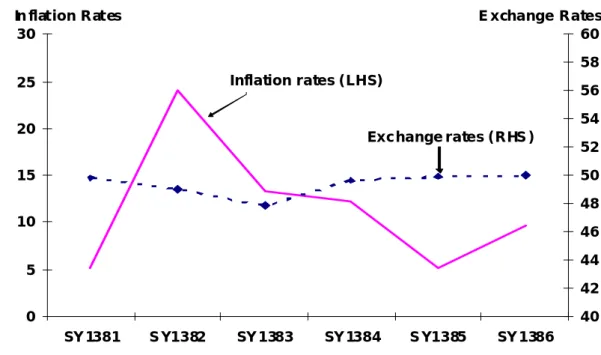
(30) to 27 percent of the seats in the National Assembly. After the successful completion of the Bonn Agreement, Afghanistan and the international community entered into a new partnership, based upon the Afghanistan Compact, which was agreed to at the London Conference of 1384 (2005). The Compact set ambitious goals for comprehensive state building, setting benchmarks in all sectors of security, governance, and development, including the cross-cutting goals of counter-narcotics and regional cooperation. In 1385 (2006) the new National Assembly began its work, including the approval of a new cabinet; a new Chief Justice and other judges for the Supreme Court; and the National Budget. A new Attorney General with a mandate to fight corruption was appointed. New Provincial Governors were named. The disarmament, demobilization and reintegration of ex-combatants have been completed. Today the national army and police forces are close to full strength. Afghanistan is no longer a safe haven for terrorists.. Social and Humanitarian Achievements: Since 1381 (2002), more than five million Afghan refugees have returned home. In 1385 (2006) 342,925 Afghan refugees returned from Pakistan and Iran and 1,004 from other countries. More than 150,000 returnees benefited from the assistance package provided by UNHCR. The Government has so far distributed 30,000 residential plots of land to needy returning refugee families. From under one million in 2001 the school population has grown to 5.7 million in 2007 and new enrolments into Grade 1 have ranged between 12-14 percent per annum in the last 5 years. Two million of the children enrolled are girls—a 35 percent increase in five years. The number of schools has trebled to 9,062 in 2007, including 1,337 all girls and 4,325 co-educational schools. Similarly, the number of teachers has increased seven-fold to 142,500 of whom 2. Afghanistan National Development Strategy (ANDS). nearly 40,000 are female. Fifty thousand of these teachers have received in-service teacher training. Major advances have been made in extending health care services throughout the country and in rebuilding a decimated educational system. The percentage of the population living in districts where the Basic Package of Health Services is being implemented has increased from 9 percent in 2003 to 82 percent in 2006. Over 2.5 million people have benefited from social protection arrangements covering (i) martyrs’ families; (ii) disabled due to warrelated disabilities; (iii) orphans and children enrolled in kindergartens; (iv) victims of natural disasters; (v) pensioners; and (vi) unemployed. Measurable progress has been achieved since 2003 in improving rural livelihoods. Almost 20,000 km of rural access roads (i.e., all weather, village-to-village and villageto-district centre roads) have been constructed or repaired, increasing access to markets, employment and social services. More than 500,000 households (36 percent of villages) have benefited from small-scale irrigation projects. Currently, 32.5 percent of the rural population has access to safe drinking water and 4,285 improved sanitation facilities have been provided. More than 336,000 households have benefited from improved access to financial services. Some 18,000 Community Development Centers [CDCs] have been established and are implementing community-led development projects. Efforts have made to assist the poorest and most vulnerable.. Economic Achievements: Macroeconomic stability has been maintained, based upon disciplined fiscal and monetary policies. A new unified currency was successfully introduced; inflation has remained low while the exchange rate has been stable. Sixteen private commercial banks have been licensed; a leasing and financing company is operating; an equity fund is underway to invest in local businesses. There are also 13 microfinance institutions providing ser-.
(31) vices to almost 200,000 active clients in 27 provinces. State owned enterprises are being privatized, corporatized or liquidated. A lively, free and privately owned media sector has developed, encouraging people to express their political views freely – and daily. The legal and commercial infrastructure is being put in place for a market oriented economy. Electricity capacity has almost doubled compared to 2002. Over 12,000 kilometers of roads have been rehabilitated, improved, or built. This includes the ring road system, national highways, provincial roads and rural roads. Kabul International Airport has been expanded and extensively rehabilitated. Private airlines have entered the aviation sector and established air links throughout the region. A key bridge investment has opened up direct road links to Tajikistan and greatly reduced transportation time to Urumqi in China, one of the fastest growing trade hubs in the world. Two million urban residents have benefited from investments in water supply; 12 percent of the populations benefited from investment in sanitation in major cities between 2002 and 2007. About 35,000 water points, 59 water networks and 1,713 reservoirs and 23,884 demonstration latrines have been constructed. More than three million people have benefited directly from the rural water supply and sanitation activities in the country. Approximately one third of the provinces reported some improvement in access to clean drinking water during the consultative process under the ANDS. Irrigation Rehabilitation has been given high priority over the past four or five years. Of some 2,100 rehabilitation projects, approximately 1,200 have been completed and placed back into commercial service.. Major advances have been made in opening up the telecommunications sector to private sector investment under an “investment friendly” regulatory framework aimed at maintaining a competitive market for services, and phone subscribers have increased from less than 20 thousand to more than five million in less than six years. A rapid urbanization process has seen the urban population increase to almost a quarter of the total population. Despite the pressures of rapid urbanization, two million urban residents (31 percent of the total urban population) have benefited from investments in water supply; investment in sanitation in major cities between 2002 and 2007 has helped 12 percent of the population. Afghanistan has world class mineral deposits that are being opened up for exploration and development. The first major investment for developing the Aynak copper deposits in central Logar province was recently announced, an almost $3 billion investment that followed on an extensive evaluation of tenders from nine major international mining companies. When seen against the desperate conditions that prevailed in the country in 2001, these achievements constitute an impressive record. The ANDS sets goals for the next five years that will require even greater achievements.. AFGHANISTAN’S CHALLENGES Few countries have simultaneously faced the range and extent of challenges with which the people and Government of Afghanistan must now contend. After nearly three decades of continuous conflict, the country emerged in late 2001 as a truly devastated state with its human, physical and institutional infrastructure destroyed or severely damaged. In late 1380 (2001/02), the UN Human Development Report ranked Afghanistan as the second poorest country in the World. In addition to the widespread poverty, the Government must deal with continuing threats to security from extremists and terrorists, weak capacity of governance and corruption; a poor environment for private sector investment, the corrosive efIntroduction. 3.
(32) fects of a large and growing narcotics industry; and major human capacity limitations throughout the public and private sectors. Meeting these challenges and rebuilding the country will take many years and require consistent international support. The successful transformation of Afghanistan into a secure, economically viable state that can meet the aspirations of the Afghan people, live at peace with itself and its neighbors and contribute to regional and international stability will depend upon the effective utilization of all available human, natural and financial resources. In this partnership a critical role must be played by the private sector. Significantly reducing poverty will require substantially increasing employment, which depends on maintaining high rates of economic growth in the years ahead. It is not sufficient to rely on the Government and the international community to sustain the high rates of investment needed to generate levels of employment necessary to have a major impact on reducing poverty. As the macroeconomic projections presented in Chapter 4 indicate, a substantial increase in private investment will be essential if significant progress is to be realized in meeting the social and economic objectives of the country. Afghanistan is a country with significant potential for economic development. It has substantial water, agricultural and mineral resources and is well positioned to become a trade and business hub linking the markets of Central Asia, the Middle East, South Asia and China. The potential exists for sustainable economic growth in the future. However, there are a number of fundamental limitations in the economic environment that must be addressed if these efforts are to succeed: The country’s “hard infrastructure,” including roads and reliable supplies of water and power, is inadequate to support rapid and sustained economic growth. The corresponding “soft infrastructure”, which includes the human and institutional capacity necessary for an economy to function, is also extremely limited. Considerable emphasis is being given to developing capacity in both the public and private sectors and to institutional development, but these efforts will take time.. 4. Afghanistan National Development Strategy (ANDS). Economic governance is weak. The Government is pursuing comprehensive economic reform, including the introduction of new commercial laws and regulations, but the establishment of institutions needed for effective implementation and enforcement are largely lacking and will take years to develop.1 Afghanistan’s commercial connections to regional and global economies were severely disrupted and must be redeveloped. The development of a competitive private sector will depend on establishing access to foreign markets and developing viable export activities. Critical markets for land and finance are largely undeveloped, limiting the ability of private investors to establish and operate businesses. Property rights are often contested or difficult to defend. Afghanistan is experiencing high population. Continued rapid population growth will dramatically increase the levels of investment that will be required to substantially reduce poverty. Both the Government and the international community recognize that prolonged aid dependency will undermine the chances of achieving sustained economic growth and poverty reduction. However, given the major limitations in the economic environment that must be addressed, the successful transition to a competitive market economy will require sustained commitment by the Government, with the support of the international community. Simply creating conditions in which the private sector can operate alone will not be sufficient. Increased efforts by both the Government and the donor community to attract Afghan and foreign investors are needed if the goals of the ANDS are to be realized. Social and economic development will also be severely curtailed if the insecurity problem is not resolved. Despite the considerable efforts of the Government and the international commu-. 1 Many of the government’s initiatives in this area are described in “A Policy for Private Sector Growth and Development” presented at the Enabling Environment Conference, Kabul, June 2007..
數據

+7
相關文件
The results contain the conditions of a perfect conversion, the best strategy for converting 2D into prisms or pyramids under the best or worth circumstance, and a strategy
Management Committees/ School Management Committees of their sponsored schools (hereafter collectively referred to as “school governance authority”) in formulating specific
To take the development of ITEd forward, it was recommended in the Second Information Technology in Education Strategy “Empowering Learning and Teaching with Information
Xianggang zaji (miscellaneous notes on Hong Kong) was written by an English and translated into Chinese by a local Chinese literati.. Doubts can therefore be cast as to whether
Office of Early Childhood Development, Virginia Department of Social Services (2013). Milestones of child development: A guide to young children’s learning and development from
2013 Workshop on Nonlinear Analysis, Optimization and Their Applications, De- partment of Mathematics, National Kaohsiung Normal University, Kaohsiung, Tai- wan, December 30,
– Change of ownership principle in recording trade in goods sent abroad for processing – The term Gross National Product (GNP) is... Capitalisation of research and development
• For novice writers, a good strategy is imitation: choose a well-written paper that is of a similar flavor, analyze its organization, and sketch an organization for your results
