Wen-Chuan Lin & Shu-Ching Yang Effects of Online Culturally Responsive Pedagogy 223
Journal of Research in Education Sciences 2015, 60(4), 223-253
doi:10.6209/JORIES.2015.60(4).08
Effects of Online Culturally Responsive
Pedagogy: Collaborative Learning Between
College Tutors and Indigenous
High School Students
Wen-Chuan Lin
Shu-Ching Yang
Department of English, Wenzao Ursuline University of Languages
Institute of Education, National Sun Yat-sen University
Abstract
This paper highlights the effects of implementing an innovative online pedagogy that accounts for indigenous students’ cultural resources on the English-learning process. Based on Vygotsky’s learning theories, this 1-year study combined online learning and culturally responsive teaching strategies in an attempt to motivate indigenous English language students. The study participants were 26 students from a class in an indigenous senior high school in Taiwan and 6 e-tutors who were English majors from a technological university in Southern Taiwan. A 1-hour online tutorial was conducted weekly for a total of 36 hours over two semesters. In the first semester, the study involved asynchronous interaction; synchronous tutorials were conducted in the second semester to culturally respond to the indigenous learning style of verbal representation. Qualitative methods included observing, documenting, maintaining reflection logs, fieldwork, and interviewing. The findings were twofold: the online synchronic tutorial successfully motivated the students, and the college e-tutors reported that English language practice and meaningful social interactions with cross-age peers improved their personal English learning motivation and cross-cultural competence. These findings may shed light on the theory and practice of combining online collaborative learning and culturally
Corresponding Author: Wen-Chuan Lin, E-mail: [email protected]
224 Effects of Online Culturally Responsive Pedagogy Wen-Chuan Lin & Shu-Ching Yang
responsive teaching pedagogy. This insight may guide educators and policy makers aiming to enhance indigenous students’ motivation to learn.
Wen-Chuan Lin & Shu-Ching Yang Effects of Online Culturally Responsive Pedagogy 225
Introduction
In Taiwan, there is a widespread view that indigenous students, as a minority group living in resource-disadvantaged rural areas, historically have limited success in education (Chou, 2006; Tan, 2002; Tsai, 2003), particularly in learning English as a foreign language (EFL) (e.g., Lin, 2008; Lin & Ivinson, 2012). This trend has triggered growing anxiety because learning English in Taiwan has become a crucial politico-economic concern for industries that must compete within international markets, where trade is primarily conducted in English. Because of the problems of low achievement and low motivation in school learning, improving the motivation of indigenous students to learn English has been a continuing concern for scholars. As revealed from the research literature, there is growing recognition of linguistic minority students’ home languages and cultures provide potential resources for education (Gay, 2000, 2002; Lin, 2008; Lin & Ivinson, 2012; Verplaetse & Migliacci, 2008). Teachers who recognize these resources tend to value the cultural and linguistic experiences students bring to the classroom and share a commitment to connecting with individual children on a personal level as well as at an instructional level. This culturally sensitive pedagogy or culturally responsive teaching (CRT) is assumed to support linguistic minority students’ learning. However, as Gay (2002) argues, additional empirical studies are needed to examine the actual effects of CRT pedagogy. Despite considerable research on CRT strategy during the last ten years, knowledge of the classroom application of CRT to English learning for disadvantaged students is still limited, let along the application of CRT in an online teaching and learning environment.
In recent years, as information technology (IT) has continued to change, e-learning has become increasingly popular. Computer-based e-learning enables teachers and students to overcome the constraints of time and space and create possibilities to change the unequal educational opportunity that results from the urban-rural difference. More than twenty years ago, Lanham (1993) has noted that in the future, students will spend most of their time reading and writing on computer screens and will live in a world of electronic texts. Based on the trend of online synchronous and asynchronous collaborative learning, Warschauer and Kern (2000) also advocated the application of Internet-based language teaching. In addition, based on Vygotsky-inspired socio-cultural learning theories, learning takes place between people through participation in communities of practice (Lave & Wenger, 1991) and is mediated by tools, such as computer technologies (Lin, 2008; Lin & Yang, 2011, 2013). Through activities supplemented by technological tools, learners can collaborate with one another to co-construct knowledge, thereby improving their ability to think and learn.
226 Effects of Online Culturally Responsive Pedagogy Wen-Chuan Lin & Shu-Ching Yang
In summary, against the background of the popularity of the Internet and the arrival of the e-learning era and based on our concerns for indigenous students’ disadvantaged learning environment, this study aims to offset the unequal educational opportunities that are based on differences in cultural resources between students and in particular, given the repeating cycle of low achievement in English learning situations from indigenous students who mostly live in remote rural areas, providing diverse new opportunities for them cannot be over-emphasized. Toward this end, this study employed IT as a psychological learning tool and online tutoring to assist socially disadvantaged students learning English. The overarching research questions are as follows:
1. What are the effects of integrating culturally responsive teaching pedagogy into language learning online?
2. What are the challenges of engaging indigenous students learning English through online tutorial?
Literature Review
The Application of Socio-Cultural Learning Theory to Teaching English
Vygotsky-inspired socio-cultural learning theories emphasize that learning involves learning how to interact with the surrounding society, which is a process that occurs during participation in social situations (such as in class or school). In recent years, ever-changing IT has made e-learning possible. As a result of socio-cultural theories, many scholars have begun to examine how language learners can use IT as a learning tool and to view IT as a learning companion (Fotos & Browne, 2004; Thorne, 2003; Ware & O’Dowd, 2008; Warschauer & Kern, 2000). In the context of an e-learning community or online collaborative, computer-assisted language learning, regardless of teacher-student or peer-peer interaction, Vygotsky’s language learning theories present a practical theoretical reference. This reference is useful to our study on enhancing the English learning of disadvantaged students using the social scaffolding system of online tutoring. In addition, Lave and Wenger (1991, p. 33) noted that learning is an active participation in communities of practice where “agent, activity, and the world mutually constitute each other”. The idea of the communities of practice emphasizes the sharing of previous history and experience and the creation of a common understanding of future knowledge during community activities.
In summary, based on socio-cultural language learning theories, Lave and Wenger’s notion of communities of practice, we can conclude that English language learning is influenced by an individual’s communities of practice during language learning, which is a negotiation of meaning
Wen-Chuan Lin & Shu-Ching Yang Effects of Online Culturally Responsive Pedagogy 227
and a process of identification and formation. These rich and useful theories inform this study on the use of college online tutoring in English learning by indigenous students.
Responding to the English Learning Predicament of Disadvantaged
Groups: CRT
In recent decades, there has been growing awareness of the importance of culturally responsive teaching-CRT (e.g., Gay, 2000, 2002) and culturally relevant pedagogy (Howard, 2003; Lopez, 2011) in an attempt to improve the academic performance of students from multi-ethnic cultural backgrounds (Nieto, 2000; Wlodkowski & Ginsberg, 1995, 2000). For example, in education, CRT has been recognized as a set of principles upon which teachers can base their instruction of diverse students (Klingner et al., 2005; Lopez, 2011). CRT is effective in promoting minority students’ learning outcomes (Hammond, 1997; Moll, Amanti, Neff, & Gonzalez, 1992) and the reading comprehension of students with atypical backgrounds (Conrad, Gong, Sipp, & Wright, 2004). Moreover, Wlodkowski and Ginsberg (2000) argued that CRT aims to create a safe, tolerant and a respectful learning environment for students. It pays attention to students’ individual differences, promote learning motivation and emphasize culture and interdisciplinary learning in order to achieve social justice.
In North America,ELLs (English language learners) come from diverse backgrounds, and it is suggested that classroom teachers employ pedagogical approaches that are culturally responsive (Gollnick & Chinn, 2002). Given that Native American students’ below-basic-level reading proficiency were revealed by the results of the national assessment for educational progress, Inglebret, Jones, and Pavel (2008, p. 256) carried out a socio-cultural study that integrated American Indian and Alaskan Native culture into a shared storybook intervention. In the study, they found that culturally based stories can “provide a means to bring familiar content into educational process for children of Native background”. The researchers further concluded that speech-language pathologists can integrate culturally based stories into their language and literacy intervention to encourage American Indian and Alaskan Native students in their studies. In Australia, given indigenous students’ underachievement in the National Assessment Program - Literacy and Numeracy (NAPLAN) assessments, it was suggested that classroom teachers need specific guidance in “cultural competence” to strengthen partnerships with families, especially indigenous families, to better “scaffold the required learning from the existing learning children bring with them into classrooms” (Northern Territory Department of Education and Training, 2010, p. 11). In New Zealand, Savagea et al. (2011, p. 184) noted that, according to the annual report on Maori education,
228 Effects of Online Culturally Responsive Pedagogy Wen-Chuan Lin & Shu-Ching Yang
indigenous Maori students had low educational attainment levels and left school early with fewer qualifications than students from dominant cultural groups. They argued that “schools that reflect a dominant culture represent invisible cultures that can effectively privilege students who share that dominant cultural identity while simultaneously disadvantaging students whose cultures are different”. Therefore, there is a need for teachers to develop culturally responsive teaching methods to strengthen the connection between school mainstream culture and minority students’ cultural values. In their study, they concluded that the participating Maori students appreciated the effort made by most teachers who executed culturally responsive practices in the classroom, although some teachers found the changing classroom patterns (i.e., CRT) challenging and continued to teach using a traditional pattern of teacher-student interactions.
In Taiwan, indigenous students historically have had limited success in learning English (e.g., Lin, 2008; Lin & Ivinson, 2012). Research shows that several phenomena have been identified that may account for the general academic underachievement of indigenous students living in resource-disadvantaged rural areas (e.g., Weng, Chang, & Wang, 2010): 1. the urban-rural divide and the “double skewed phenomenon” (shuāng-fēng xiàn-xiàng) in the statistical distribution of the national English examination results; 2. low learning motivation levels and underachievement leads to the rejection of learning English; 3. problems of transition in the curriculum between elementary and junior high schools; 4. indigenous students fail to comprehend the importance of English due to low socio-economic status and resource-disadvantaged rural residency; 5. differences in indigenous cultural background, such as a different learning style from urban students. To explore the impact of CRT practices, scholars have studied the teaching of indigenous individuals based on cultural response. For instance, Ou’s (2005) study examined the effects of the use of CRT in primary school English classes. Ou found that students generally exhibit sound cognitive and emotional attitudes with respect to issues that relate to cultural differences. However, no significant effects were observed in the progress of their English learning and the development of critical consciousness. Although understanding cultural issues did not appear to have a positive impact on learning English, Ou emphasized that teachers are curriculum transformers and can cultivate their students’ cross-cultural abilities through a rich CRT design.
From a socio-cultural perspective, Lin and Ivinson (2012) argued that teachers who are able to bridge students’ cultural knowledge in pedagogy are found to be effective in achieving “intersubjectivity” (Rogoff, 1990). Intersubjectivity occurs when interlocutors discover common ground that allows shared meaning to occur. Following Vygotsky (1987), Rogoff has referred to this as “bridging” (Rogoff, 1990). Pedagogic bridging was also evident in Lin’s (2008) socio-cultural
Wen-Chuan Lin & Shu-Ching Yang Effects of Online Culturally Responsive Pedagogy 229
inquiry into the everyday English learning experiences of indigenous students. He observed that indigenous teachers can create a sense of “co-membership” (Cazden, 1988) between the teacher and students by integrating the native language and culture into the English classroom. Lin continued to argue that the achievement of psychological intersubjectivity or “common knowledge” (Edwards & Mercer, 1987) may improve the motivation of indigenous students to learn and may affect English learning. In addition, social equality and justice may be improved by narrowing the English learning gap between ethnic groups if CRT pedagogy is implemented.
Given the various benefits of CRT, Gay (2000) cautioned that CRT’s cultural responsiveness must not only improve the educational experience of students but also be critical and transformed to provide meaningful teaching content. In addition, more empirical research is required to validate CRT’s effectiveness, particularly in the online context.
Tutoring Roles of E-tutors
There are many differences between e-tutoring and traditional face-to-face teaching with respect to tutoring roles and the communicative interface (Cosetti, 2002; Salmon, 2003). O’Neil (2006) emphasized that e-tutoring requires a paradigm shift in perception and the management of virtual communication, which differs from face-to-face teaching. In a study of innovative online moderating roles, Denis, Watland, Pirotte, and Verday (2004) noted seven important roles played by e-tutors. These roles include facilitation, metacognition, processing, counseling, and assessment (formative and summative), as well as acting as technologists and resource providers. Cheung and Hew (2008) found that facilitators’ habits of mind might play an important role in influencing the degree of the learner’s participation. “Habits of mind” refers to the five attributes of facilitators: awareness of one’s own thinking, the desire for accuracy, open-mindedness, having a position, and being sensitive to others. All of these attributes influence how facilitators interact with learners in online discussions and to what extent the facilitators can assume different roles. Awareness of one’s own thinking and open-mindedness are the attributes most frequently exhibited by facilitators. The need for open-mindedness indicates tutors must empathize and possess a keen awareness of student’s needs.
Based on studies of role playing by e-tutors, Goold, Coldwell, and Craig (2010) proposed comprehensive e-tutoring role modules, including the cognitive and affective dimensions of traditional teaching and the roles of technology manager and resource provider, which comprise specific references for our study. For example, with respect to the cognitive aspect of teaching, e-tutors must have a clear understanding of content to serve as a catalyst in the course. Regarding the
230 Effects of Online Culturally Responsive Pedagogy Wen-Chuan Lin & Shu-Ching Yang
affective aspect, e-tutors must play social roles, such as the consultant or metacognitive catalyst. Second, regarding e-tutoring as an interactive process, Kaur, Fadzil, and Ahmed (2005) observed that many e-tutors can motivate tutee learning but have a less significant effect on the efficiency of developing knowledge construction and higher-order thinking. This observation can be captured by the notion that e-tutors required professional training (Goold et al., 2010), particularly when online tutors are not necessarily masters of the discipline that they are teaching. Pre- and in-service training therefore is critical to the effectiveness of e-tutors in online tutoring.
In summary, there are many differences in the tutoring roles of and the communicative interfaces used by e-tutors and traditional face-to-face teachers. Although many tutoring roles are the same as those in traditional teaching, e-tutoring requires new technology and new management roles due to the Internet communication interface. In addition, as Cheung and Hew (2008) emphasized, e-tutoring requires an open mind and empathy with a keen awareness of student needs. In particular, in the absence of face-to-face teaching, e-tutoring may easily lead to the neglect of a tutee’s already low English learning motivation and the exclusion of certain subjects.
In our study, the tutoring role of open-mindedness corresponds to the combination of e-learning with a cultural responsive e-pedagogic strategy, which aims to motivate disadvantaged students to learn English. CRT intends to create a tolerant and respectful environment to improve students’ learning motivation. Finally, regarding e-tutoring, pre- and in-service training must be complemented with professional knowledge. Given the original low English learning motivation of disadvantaged students, the implementation of CRT, including cognitive and affective training with respect to the target subject content and technology for the training courses, may help to achieve effective online tutoring while increasing the effectiveness of the students’ learning outcomes.
Methods
The main objective of this one-year study was to construct an online tutoring system using the interactive advantage of synchronous and asynchronous learning modes to assist the culturally disadvantaged and less proficient indigenous students. Since socio-cultural approaches emphasized “the process of activity development”, it was particularly important to collect diverse data during the learning activity of the participating e-tutors and indigenous students. In particular, qualitative data helped demonstrate the participating students’ progress and the developmental process.
Participants
Wen-Chuan Lin & Shu-Ching Yang Effects of Online Culturally Responsive Pedagogy 231
located in a remote mountainous area in southern Taiwan. These students were mostly ethnic Paiwan, the third-largest indigenous ethnic group among the sixteen officially recognized tribes in Taiwan. The six e-tutors were English majors at a technological university in southern Taiwan. Upon enrollment in the English department of this university, all of the students were screened for English language proficiency. Each participating e-tutor scored above 290 points on the university’s English test, which was approximately equivalent to the Common European Framework of Reference for Languages (CEFR) intermediate level (or above) in English listening, reading, and writing. All six e-tutors had had previous English teaching experience in a supplementary class. Therefore, the tutors possessed the basic language proficiency and teaching experience required to tutor high-school English. The English proficiency levels are shown in Table 1. To ensure that they are competent in oral English proficiency for tutoring, all tutors were interviewed by one of the researchers in English before commencing. The students’ indigenous female English teacher, Teacher Li (anonymous), who was also the class mentor, was invited to participate in this study. Teacher Li helped to manage the online learning equipment, record absences, and maintain records.
Table 1
E-tutors’ English Proficiency Levels
e-tutors Zoey Cathy Tracy Sabrina Mike Oliver
CSEPT 304 319 340 308 295 312
TOEIC N/A 880 N/A N/A 780 915
GEPT N/A N/A High-Int. N/A Intermediate N/A
Note. CSEPT stands for College Students English Proficiency Test (Taiwan-based); TOEIC stands for Test of English for International Communication (ETS); and GEPT stands for the General English Proficiency Test (Taiwan-based). All of the six e-tutors’ names are fictitious.
Through the before-job interviews with the e-tutors and weekly encounters in training workshops, we were able to gradually understand e-tutors’ individual personalities. As shown in Table 2, all six e-tutors are, in general, caring, patient and humorous. These personal traits were considered helpful in interacting with the students, although they did not share an indigenous identity with the students.
Research Design
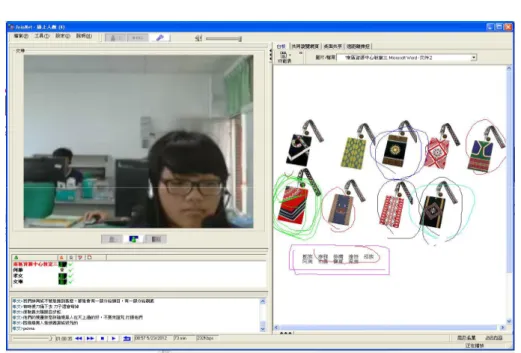
To construct the English learning platform, computer mediation, the Facebook were integrated with the synchronous HomeMeeting interactive online conference system, as shown in Figure 1 below. During the first semester, the Facebook was employed as the platform for asynchronous
232 Effects of Online Culturally Responsive Pedagogy Wen-Chuan Lin & Shu-Ching Yang
Table 2
E-tutors’ Demographic Details
e-tutors Gender Age Ethnicity Personalities
Zoey F 21 Non-indigenous Caring and patient
Cathy F 20 Non-indigenous Outgoing and forthright
Tracy F 20 Non-indigenous Caring and easy-going
Sabrina F 21 Non-indigenous Caring and humorous
Mike M 21 Non-indigenous Sporty and outgoing
Oliver M 25 Non-indigenous Mature and patient
Figure 1. The Synchronous HomeMeeting Interactive Online Conference System
interaction, such as the sharing of online tutorial responses among peers. These were augmented with a number of interactive features, such as real-time voice, video, and text dialogue. The learning material was the English textbook used in the first grade of high school. The e-tutors and the indigenous students were requested to complete a tutoring feedback form at the end of the online tutoring. The feedback was used to investigate the response of the students to the online tutoring, including opinions regarding the effect of e-tutoring on individual English teaching and learning motivation. A teaching reference was provided in a timely manner every other week for further analysis in this study. The tutoring feedback form was based on the study’s objective and the content
Wen-Chuan Lin & Shu-Ching Yang Effects of Online Culturally Responsive Pedagogy 233
of the online tutoring. The feedback form primarily surveyed the participating students’ cognitive perception and the relevant ensuing information regarding the online tutoring, including the technical aspects of the system interface design, the learner’s general perception of the CRT course, open-ended questions, and each learner’s basic personal data.
Research Procedure
With close collaboration between tutors and students, this study upheld the attitude of respect among participants (e-tutors and indigenous students) whereby the field study was conducted with the intention of not increasing the e-tutors’ and students’ schoolwork burden. There was one hour of online interaction each week for online tutoring. During the first semester, the process of interaction on the Facebook platforms was examined. During the second semester, synchronous online tutoring through HomeMeeting was conducted in response to the indigenous students’ specific learning style of oral expression, which was identified as the problem students encountered in the first semester (See Table 3). The online tutoring lasted a total of 36 hours during the two semesters. During synchronous online tutoring, three to four students interacted with one e-tutor as a group. The indigenous students were brought to the school’s computer laboratory by the English teacher, and the e-tutors went online at home or school.
Table 3
Treatment of the Online CRT
Category Description Teaching Intervention Culturally responsive teaching
Theoretical Perspectives Socio-cultural theoretical perspectives, Interactive Teaching Schedule Second semester
Interaction Model
Student-centered approach
Emphasis on online dialogue and interactive discussion between e-tutors and indigenous students
Teaching Material
English Textbook
E-tutors use students’ indigenous cultural knowledge as resources to achieve cultural bridging between communities and classrooms
E-tutors act as facilitators, leading students towards active learning and collaborative knowledge construction
234 Effects of Online Culturally Responsive Pedagogy Wen-Chuan Lin & Shu-Ching Yang
Because before-job and on-the-job training were important to the success of the online tutoring, we held a workshop for the e-tutors to understand the basic quality of their online tutoring and English teaching skills at the beginning of this study. More importantly, because they did not share an indigenous identity with the students, at the outset the e-tutors were given basic knowledge of indigenous culture and were expected to appreciate other cultures, eliminate stereotypes toward indigenous people and achieve a sense of “multicultural teacher” (Wang, 2009). One-hour weekly workshops were also held as on-the-job training for the tutors to strengthen their knowledge and skills in online tutoring. Each week, based on e-tutors’ journal reflections, one of the e-tutors was invited to share his or her online tutoring experience with other e-tutors. Relevant issues that emerged from the tutoring process were raised for discussion. In particular, the course included CRT theory and practice, which included instruction on using the indigenous culture as a medium. One of the researchers, with his knowledge and skill in teaching English and past experience of working with young indigenous students using CRT, provided a scaffolding system to e-tutors throughout these workshops.
Data Collection and Analysis
Qualitative research methods were primarily used including case interview, focus group and observations. Data collection included the comments and responses posted online (Facebook) by the participating students, the recording (HomeMeeting online conference system) of the online tutoring and discussion between the e-tutors and the indigenous students, the transcription of the student interview and their reflective discussion during the focus interview. Analysis of the observation of the online tutoring and the recorded interview data was divided into two steps. First, the recording of the interaction during online tutoring was transcribed to enable the researchers and e-tutors to reflect on specific tutoring sessions. As shown in Table 4, an observation schedule was developed as a guide for identifying the key features of tutor-student interactions, which involved tutors’ modes of questioning and response across regulative and instructional categories. This schedule was derived from Bernstein’s (1990) ideas on pedagogic discourse, Edwards and Mercer’s (1987) notions of “common knowledge” and Mercer’s (1995) concepts of “guided construction of knowledge”, which aimed to develop guidelines to inform the analysis. The notion of common knowledge was employed specifically to investigate the extent to which tutors and students may construct a shared understanding about what was learned and how far that joint knowledge was given to the students through the tutors’ “scaffolding” (Woods, Bruner, & Ross, 1976).
Wen-Chuan Lin & Shu-Ching Yang Effects of Online Culturally Responsive Pedagogy 235
Table 4
A Schedule of Tutors’ Instruction Modalities
Tutors’ Questioning Type
Regulative Instructional
Housekeeping
(e.g., T: Did you bring your books?)
Direct elicitation
Rhetorical (No answer expected) Cued elicitation (scaffolding) Tutors’ Response Type
Ignoring Confirmation (e.g., T: Very good)
Rejection Repetition/ Elaboration
Tutors’ Joint-Knowledge Markers Royal plurals (‘We’ statements)
Continuity (connect past and now)
Appeal to shared experience (e.g., Apply indigenous cultural knowledge in tutoring) Recaps
Note. This schedule was derived from Lin’s (2008) socio-cultural inquiry into Taiwanese students’ English learning experiences.
reference to the field notes and research journal in accordance with the research questions. The analysis was employed as a gradual process to develop an interpretation through the “hermeneutic circle” (Boyatzis, 1998). In particular, an analysis on whether and how CRT tutoring strategies were used by e-tutors was explored. To keep significant, original Chinese meanings, certain elements were transcribed with the attached Chinese meaning in brackets.
Lastly, sincethe indigenous students were from a culturally vulnerable ethnic minority group in Taiwan, special attention was paid to showing respect to these participants during conversations and interactions, visits to community tribes and individual interviews. The participants remained anonymous throughout this study to protect their identities and to ensure compliance with research ethics.
Results and Discussion
In this section, we would like to foreground the following three emerging findings, based on the six e-tutors’ reflections, students’ responses to the tutorial and complemented with the field observations of the researchers and the English teacher of the participating indigenous class.
236 Effects of Online Culturally Responsive Pedagogy Wen-Chuan Lin & Shu-Ching Yang
Online CRT Enhanced English Learning Motivation
Through the asynchronous interaction on the Wikispaces learning platform during the first semester, the students shifted from the teacher-student vertical learning style in the classroom toward horizontal cross-age interaction with peers, whereby learning became interesting. At the beginning of the activity, Teacher Li thought as follows:
Apparently, this activity helped students to be exposed to more learning… Since the beginning of the semester, I had been spending lots of time and effort to manage students with low proficiency levels and to motivate them to learn. They found that compared with the boring classroom teaching, Wiki online learning was more interesting… Therefore, aside from certain problems, I thought this online course was very helpful and meaningful to students with low English learning motivation. (E-mail, October 13, 2011)
The traditional classroom teaching method of memorizing vocabulary and grammar was considered by the participating students to be tedious and boring. Therefore, “compared with the boring classroom teaching, Wiki online learning was more interesting”. On the one hand, the computer was used as a medium. On the other hand, the “elder brother” and “elder sister” e-tutors provided social scaffolding to make the online course a “very helpful and meaningful”, i.e., interesting, activity for students with low English learning motivation. However, as Teacher Li noted, this activity was not without difficulties. The statement “aside from certain problems” was a reference to the frequent difficulties and challenges of integrating IT and English learning. For example, certain students were easily distracted when using a computer. During tutoring, they tended to browse other webs or logged on to their Facebook accounts whenever possible.
Students appeared to be passive while using Wikispaces asynchronous online teaching during the first semester. The e-tutors and the English teacher were often required to prompt, watch closely, and constantly remind students to respond to the English questions posted on the platform by the e-tutors and to submit the English homework assigned by the e-tutors so that the homework could be corrected and discussed during online tutoring. During the entire course, other than a small number of active students, certain students appeared to be passive, which frustrated the majority of the e-tutors. For instance, after several months, Zoey, an e-tutor, felt that the online interaction with the indigenous students had been a significant challenge, which she noted as follows:
Wen-Chuan Lin & Shu-Ching Yang Effects of Online Culturally Responsive Pedagogy 237
Because we did not teach face-to-face and only interacted with them using text, it was a big challenge for us… This subject was probably difficult for them, so we were basically stimulating their learning motivation through text, so that their English could improve… For several assignments, we went online to correct the assignments but did not receive any response from them. We did not know what the problem was. (Focus interview, January 04, 2012)
Without face-to-face teaching, using “text” alone made it difficult to stimulate the students’ learning motivation. Another e-tutor, Cathy, had the same problem. She said, “I experienced basically the same situation. I posted and also corrected homework online but did not receive any response from them. I felt as if I was talking to myself and I was the one that was doing the grammar exercise.” (Focus interview, January 04, 2012). At the end of the semester, Sabrina also felt as if students were simply “turning in homework” during the asynchronous interaction:
We did not know whether the students did the homework or simply translated using online tools. But what I was responsible for was merely correcting their homework. Therefore, there was no real interaction... they only needed to turn in homework and there was no teacher to monitor how they spent their day, and tutors only needed to see the homework. (Focus interview, June 06, 2012)
Based on these circumstances, during the weekly workshop (on-the-job training), the researchers often boosted the morale of the e-tutors and determined how to use the synchronous CRT strategy to enhance English learning motivation and increase the interactive opportunities to promote learning.
It was important to address the challenges confronted by the researchers and e-tutors during the asynchronous online tutoring of the first semester. According to the literature, the learning style of indigenous students tends toward oral expression, the so-called traditional spoken representation (Huang & Lin, 2008; Lin, 2008). Therefore, the use of the indigenous students’ cultural response, e.g., the learning style of oral expression, would help improve English learning motivation and increase the opportunities for students to practice speaking English. During the second semester, the online tutoring interaction between the e-tutors and the students was changed. The CRT strategy was introduced into the lesson plan, as were the HomeMeeting online conference system and the workshop on hands-on practice for both the indigenous students and the e-tutors.
238 Effects of Online Culturally Responsive Pedagogy Wen-Chuan Lin & Shu-Ching Yang
energized the entire tutoring course. Based on the weekly teaching schedule, the e-tutors screened and selected hyperlinked vocabularies or sentences based on the indigenous students’ background and culture, and used CRT in tutoring. The elements of cultural “bridging” (Rogoff, 1990) included the indigenous students’ favorite English songs and storytelling. For instance, one e-tutor, Tracy, stimulated learning motivation by using animated pictorial storytelling. Prior to the activity, Tracy first helped review the textbook vocabulary and then integrated them into six pictures (a traveler, a boarding gate, an airplane, Europe, delighted people) and guided students to tell stories according to the six pictures. Each story included at least four complete sentences. Tracy reflected on the experience and noted the following:
This was the first time we played the game, and two students were really able to tell logical stories. I reckoned this game was helpful to learning because they knew how to use the vocabulary in the sentences rather than memorizing the vocabulary by rote memory as they did previously. In addition, this game also encouraged them to open their mouths to speak English. (Reflection journal, April 11, 2012)
Finally, when asked about the impact of CRT on the students’ learning attitude, Oliver, another e-tutor, noted the following: “One big difference was that we brought up things students recognized and were familiar with, so the students were more active during tutoring. In comparison, the students were more responsive. The students felt closer to the tutor” (Interview, May 30, 2012). The result of “feeling closer” to the tutor was also mentioned in the literature. The teacher-student classroom interaction that integrated the culture of an ethnic group could create the sense of teacher-student co-membership and achieve psychological intersubjectivity or common knowledge, thereby enhancing the indigenous students’ English learning motivation and improving their English learning results.
Regarding the indigenous students, when Teacher Li invited the students to post their responses to the e-tutors’ CRT on Facebook, the majority of students said that the process was “interesting, fun, helpful, interactive, and able to be learned”, albeit certain students felt “embarrassed” (see Table 5 below). As shown in Table 3, lots of social interaction appears to be one of the innovative experiences that interest students. “It was good… lots of interaction was very helpful to learning!!” although some were “not very active” and thus need to “keep it up” (Student I). These genuine and positive experiences from students may be complemented by Teacher Li’s comment at the end of the semester; “…with regard to the entire interaction on the online platform, both the tools and the
Wen-Chuan Lin & Shu-Ching Yang Effects of Online Culturally Responsive Pedagogy 239
Table 5
Indigenous Students’ Responses to Tutoring
Type of response Students Responses to tutoring
A Pretty good… we have interaction, although a bit embarrassing… but it was interesting to learn, wasn’t it?
B Although somewhat embarrassing… But this kind of interaction in learning was really good… Keep it up !!!!!!!:)
Embarrassing but interesting
C
I thought the tutoring atmosphere was good. Sometimes I was embarrassed about what to say, but this kind of learning was good for us and helped us understand lots of things we did not understand before.
D
Today, we used the learned vocabulary in the sentences, and everyone was happily learning. Although I did not know how to pronounce some vocabulary, the tutor was still willing to teach us wholeheartedly… Our English must have improved…
E
The tutoring atmosphere was great. The tutor’s patience made me love to answer the questions during tutoring more. It was really helpful. The tutoring time was too short -- but still, thank you, tutor:>
Happy, love it, helpful to learning
F
I felt as if I was learning more… To be honest, they used a variety of fun ways to let us learn. So during the learning process, I was not only happy but also learned English. I was really happy ya ~~~
G I thought it was pretty good. There was interaction with the tutor as well as chatting about the fourth part, which was also a review!!
H
I thought it was good. I could ask the tutor about some vocabulary that I did not understand, but I still needed to review and practice a lot after going back home.
I It was good… lots of interaction was very helpful to learning!! But the students were still not very active; keep it up.
Social interaction
J This was the first time for synchronous English learning with an outside tutor, and this was truly such a unique opportunity. But we were still not very serious. Thanks to the tutors for taking the time to come here to tutor us. So… keep it up, everyone (!!!)
Learning English K
Pretty good… We learned together!! Although we were all speaking English and could not understand each other, we could learn vocabulary we did not know. Hope the interaction became better and better:) Note. Facebook, April 11, 2012.
240 Effects of Online Culturally Responsive Pedagogy Wen-Chuan Lin & Shu-Ching Yang
content were more effective. I witnessed that they were indeed smiling during tutoring, which meant they were relaxing…, which did not occur in my class” (Interview at the end of semester, June 08, 2012).
Scaffolding Roles of the College E-tutors
As Salmon (2003) emphasized, there are many differences between online tutoring and face-to-face teaching with respect to the mentor’s role and communication. Therefore, online mentors require a paradigm shift to confront the online communication context (O’Neil, 2006). In this study, most e-tutors possessed face-to-face English teaching experience but had never attempted online tutoring. The experience was a significant challenge for the e-tutors. The general role played by these e-tutors, e.g., the online mentors, was that of “elder brother” or “elder sister” or of “friends” because the high-school students were close in age. For instance, during the focus interview at the end of the second semester, Sabrina said that she played the role of a friend during tutoring. Sabrina believed that the level of learning willingness among indigenous students was low and that a coercive approach would not be effective. On the contrary, such an approach would only cause the students to reject learning more than before. Sabrina said the following:
I played the role of a friend in the plan. For instance, I would say: this was fun! Let’s look at this together! Rather than: look, here’s how to pronounce this word. Because I found that if I tutored in that way, they would ignore me… The first step was to let them open their mouths, and then you would have opportunities to let them learn. (Focus interview, June 06, 2012)
Teacher Li expressed similar opinions during the interview. She found through her observation and conversational interaction during daily tutoring that the students had in fact regarded the e-tutors as “idols” or elder brothers and sisters who were worthy of imitation regarding English learning. Teacher Li noted as follows:
I thought they liked the e-tutors very much while learning English. In private, they were also interested in the e-tutors, so they would ask the e-tutors some questions. I felt a further extension and felt that they regarded the e-tutors as idols, as elder brothers and sisters, which stimulated their learning. (Interview at the end of semester, June 08, 2012)
Wen-Chuan Lin & Shu-Ching Yang Effects of Online Culturally Responsive Pedagogy 241
Extract 1:
(Note: Italics denotes the use of English.)
1 T: Do you see the first vocabulary word “affection”? Does that mean 2 “feeling” (gǎn-qíng) and “passion” (zhōng-ài)?
3 Ss: Yes.
4 T: Let’s apply it to your everyday life. What do you like about things such as 5 school or your tribe… In other words,… “do you like your tribe?” or 6 “do you like your daily life?” Please share your thoughts. One by one. […]
(The next few lines were followed by Cathy lecturing on the word “pattern”. A picture of nine baggies, with different patterns on each, was shown on the online whiteboard, as indicated in Figure 1.)
7 T: Do you see the little whiteboard on the screen? 8 Ss: Yes.
9 T: Ok, we have 9 patterns here. Can you tell which one belongs to which tribe? (Cathy went on to explain these patterns, helping them identify the graphic patterns.) 10 These patterns represent different tribal symbols. Are you familiar…? 11 S1: Only the “Paiwan tribe” (pái-wān-zú)!
12 S3: More about the Paiwan tribe. […]
13 T: Woo! Don’t you think the graphic patterns are cool?...
14 There are nine tribes’ symbols… which one is your tribal pattern? 15 S1: The one with a sun!
16 T: Wow! “Well-done” (hǎo-lì-hài)!… So, is the sun an important 17 symbol in your tribe?
18 Ss: Yes, that’s right!
19 T: So, do you pay great respect to the sun? 20 S3: Yeah, and the snake as well.
21 T: Oh,… and the snake!…
22 S2: Both the sun and the “snake” (bǎi-bù-shé).
23 T: All of you like your tribe very much, don’t you? Indeed, a great centripetal 24 force (xiàng-xīn-lì). We should visit your tribal community someday. 25 Ss: Yeah, come visit our tribe!
242 Effects of Online Culturally Responsive Pedagogy Wen-Chuan Lin & Shu-Ching Yang
Regarding the role of online mentors, Denis et al. (2004) noted that online tutors play seven roles. In fact, the role of elder brother, sister or good friend played by the six e-tutors during the English online tutoring integrated the seven roles. With the addition of CRT during the second semester and through the teaching strategy training prior to the tutoring and on-the-job training workshops, the six college e-tutors had developed the two most common habits of mind (open-mindedness and sensitivity to others) noted by Cheung and Hew (2008). Through the training and the workshops, the e-tutors understood how to play the role of friend and provide social scaffolding during the course of tutoring. Furthermore, the e-tutors identified with the indigenous students with a low level of motivation in an open-minded manner. Thus, the e-tutors developed sensitivity to culture, became aware of the students’ culturally specific learning style and needs, and then responded. For example, the online tutoring process between Cathy and three students, as shown in the following extract, revealed these two qualities: open-mindedness and sensitivity to others. In Extract 1, Cathy was teaching new vocabulary from the textbook, Lesson Nine. Most of her tutorial was conducted in Mandarin, translated here for convenience (Online tutorial via HomeMeeting, May 23, 2012).
Cathy was intent on introducing the new word “affection” to the students. Instead of directly teaching or asking them to recite the word, she illustrated it by applying the word to the students’ everyday life. As seen from lines 2 to 4, she invited the students to share their “feeling” (gǎn-qíng) and “passion” (zhōng-ài) about their own schools or tribes to achieve a sense of joint understanding. Questions such as “do you like your tribe?” (line 5) engendered an opportunity to elicit a sense of the students’ ethnic cultural identity and associated affection. When it came to learning another new word, “pattern”, Cathy illustrated it by showing different “patterns” of indigenous graphic design patterns on the online whiteboard. As seen from lines 9 to 14, she employed scaffolding strategies (cued elicitation) to guide the students through several inquiries to identify the exact graphic symbol of their own tribe. After taking a few turns on the topic of cultural symbols with which students were familiar, Cathy went on to say “We should visit your tribal community someday” (line 24), demonstrating her interest and open-mindedness toward the students’ cultural backgrounds. In addition, although Cathy was an indigenous cultural outsider, she employed CRT and shared the students’ native Paiwanese cultural identities in the tutoring process. We would argue that this was an effective “guided construction of knowledge” (Mercer, 1995) with both cognitive and affective significance.
Based on Vygotsky’s socio-cultural learning theories, with respect to English language teaching and learning interaction between e-tutors and indigenous students, both activities engendered social
Wen-Chuan Lin & Shu-Ching Yang Effects of Online Culturally Responsive Pedagogy 243
meaning (Kozulin, 1990). Both types of learning involved learning how to interact with the surrounding society and occurred through participation in a social context. Therefore, the e-tutors’ online CRT teaching was not only English language practice. This online tutoring practice engendered meaning negotiation and may lead to subsequent cognitive and affective development during the activity. Drawing on the online interactional processes between e-tutors and indigenous students, their interview accounts and the e-tutors’ reflection logs, we found that indigenous students’ motivations for learning English were developed.
Reflection of the Researchers
Benefits and Challenges of Technology
According to the research literature, IT displayed significant power in assisting learning. In our study, IT not only overcame the urban-rural distance but also inspired the college and high school students. In particular, the CRT online synchronous tutoring in the second semester helped eliminate the problems of lacking immediate interaction between interlocutors. This benefit echoes Chen, Wang, Wu, and Levy’s (2008) findings that online language learners were provided with more authentic opportunities to engage in listening, speaking and writing. Similarly, Pattillo’s (2007) study found that participants felt that synchronous audio conferencing increased communication between instructors and students. Following a series of live videoconference interactions between 227 Taiwanese students and a native English speaker, Wu and Marek (2010) also supported the benefits of online videoconferencing in building students’ confidence, leading to the result of improved ability. These findings are generally in line with this study where most students demonstrated positive responses to online synchronous tutoring, as shown in Table 3 above.
Although interactivity is a key advantage of synchronous conferencing (Greenberg, 2004), many studies suggested that it must overcome challenges in successful implementation, such as technical difficulties, audio and video quality, distractions and lack of physical human interaction (Knipe & Lee, 2002; Wilkinson & Hemby, 2000). For negative results have also been reported. For example, Freeman (1998) found that learning activities and interactions were not improved in multi-campus large classes by the use of videoconferencing technology. In our study, challenges also emerged during the process of using IT.
The long-distance digital learning practice in this study surmounted the spatial and temporal limits, and synchronous teaching interaction through the video system accommodated the students’ oral expression learning style. As noted previously, traditional spoken representation was the cultural
244 Effects of Online Culturally Responsive Pedagogy Wen-Chuan Lin & Shu-Ching Yang
response of indigenous students. However, the overt interest of the indigenous students in the Internet also reflected the enthusiasm of most students for the Internet and for Taiwanese society in general. During this study, a small number of students were easily distracted by the convenience of Internet access during the group interactive learning and found it difficult to focus on the e-tutor’s teaching. Certain students would take the opportunity to browse the websites of other communities (such as Facebook) or blogs. For instance, Tracy found that occasionally the students were easily distracted, and she joked that “during online tutoring, I found that one student wasn’t focused. So, next time, I had to control his computer from my end of the computer” (Reflection journal, April 11, 2012).
This might be the cause of the “digital gap” between cities and rural areas in Taiwan. These indigenous students did not have many opportunities to use computers at home. Moreover, because the opportunity to browse the Internet is often restricted by parents and teachers due to enthusiasm for the Internet among young people in Taiwan, the students may have wanted to use the opportunity during the tutorial to browse social network websites. Thus, browsing the Internet became naturally attractive. Future studies are needed to further clarify these causes.
Emerging Cognitive and Affective Development of E-tutors
During the course of the online tutoring, most of the e-tutors stated that they had matured and gained cognitive knowledge of English language and cross-cultural competence. For instance, Zoey believed that her knowledge of the English language had increased. Zoey believed that CRT was helpful for her future English teaching career. She said, “With CRT, we learned that indigenous students liked to sing, and then we could use English-language songs to help them learn English.” Another e-tutor, Sabrina, realized through her participation in tutoring that each culture strongly influences the individuals who live in the given culture. “Indigenous students were enthusiastic when talking about their cultures, but people like us who lived in cities did not seem to have that feeling.” Cross-cultural understanding and awareness helped the e-tutors respond to the students’ culturally specific learning styles with a more open mind.
In addition, the e-tutors also matured with respect to temperament, particularly regarding the cultivation of patience. For instance, Sabrina learned to have more patience “because there was still some gap between the students and us; whatever we did, we needed to have a little more patience, and the results were better.” In fact, Sabrina had substantial experience with teaching supplementary classes and tutoring. However, this study was her first opportunity to teach indigenous students. She recalled the following:
Wen-Chuan Lin & Shu-Ching Yang Effects of Online Culturally Responsive Pedagogy 245
At the beginning of my participation in the tutoring… I was merely treating them as ordinary students because in my previous teaching experience, I was only responsible for teaching, and I did not specifically learn about their lives and cultural backgrounds. Therefore, I took things for granted and thought, “Why could they not even master what seems to be a simple learning task?” But later, I learned that the differences in the students’ characters and desires would affect learning results. After that, I started to learn about the students’ cultural and family backgrounds, and through this process, I learned that only after understanding the other people would I be able to provide the most suitable teaching method for them” (Focus interview, June 06, 2012)
In fact, when she began tutoring the indigenous students, Sabrina experienced substantial frustration. She said, “I was wondering why students did not listen to me during tutoring. Sometimes I was simply asking for a short sentence, and they still would not reply… I was at my wit’s end.” However, with the help of the ongoing workshop and the sharing of experiences during tutoring, she learned to identify with the indigenous students’ background and culture. Later, Sabrina was able to use a variety of language games to help the students learn. Finally, she emphasized that her students may have learned a lot of English, and so did she. Meanwhile, “I learned that in education, there should be no class distinctions and teaching should be differentiated according to the student type.”
As mentioned above, based on socio-cultural language learning theories, Lave and Wenger’s (1991) concept of communities of practice, we understand that English language learning involves a negotiation of meaning while participating in activities and is also a process of social identification and formation. Therefore, e-tutoring enabled English language learning to occur in the communities of practice, and the negotiation of meaning was cognitively and emotionally beneficial for both the e-tutors and learners. Because this study focused more on exploring indigenous students’ learning motivations, the emerging cognitive and affective development of the e-tutors was somewhat unexpected. Future studies may explore further relevant development of e-tutors (e.g., cross-cultural competence) who are working with students from different cultural backgrounds.
Conclusions
Guided by Vygotsky’s learning theories which argue that learning is not an individual, single mental activity but is closely associated with social, historical, and cultural contexts, this study sought to explore the effects of integrating culturally responsive teaching pedagogy into indigenous students’ EFL learning online and the challenges of engaging indigenous students learning English
246 Effects of Online Culturally Responsive Pedagogy Wen-Chuan Lin & Shu-Ching Yang
through online tutorial. In Taiwan, there is a growing concern that students from resource-disadvantaged rural areas, historically have limited success in education and in learning English. The phenomenon suggests that in Taiwanese society, many disadvantaged groups, such as indigenous youngsters, have abandoned learning English. With the recent advance in information networks in Taiwan, the Internet has become popular and the new trend of e-learning has provided disadvantaged students with new opportunities to learn English. Therefore, this study invited college students from the English department who were enthusiastic in teaching English to receive professional training to conduct weekly synchronous and asynchronous group online tutoring during the course of one year.
The results of this study showed that English language learning occurs through interpersonal, social interaction and mutual assistance, and the learning style is “mediated” by the IT of today’s Internet generation. More importantly, the application of CRT in the process of online teaching which “bridge” (Rogoff, 1990) between indigenous students’ home and school knowledge effectively enhanced English learning motivation. In addition, during the tutoring process, the college e-tutors realized that meaningful English language practice helped others and themselves. All of the e-tutors could play the mentoring role with their cross-age peers and create social scaffolding, and they all exhibited improved English language teaching and learning cognition through systematic before-job and on-the-job professional training.
The English teaching practice and meaningful communication and interaction between the six e-tutors and the indigenous students creates a win-win situation. This interaction was consistent with Lave and Wenger’s (1991) notion of community of practice and the concept of social language communicative competence emphasized by Hymes (1972) because in language learning, communicative competence is acquired through communication in human cultural communities. Ultimately, languages are learned through active, individual participation in activities mediated by contextual factors, such as computer information and social companions in the learning environment. Finally, based on Vygotsky’s theory, learning is not an individual, single mental activity but a continuous, interactive construction with social, historical, and cultural contexts. This study created interaction among cross-age peers through the construction of an online learning community. The findings of this study may shed light on the theory and practice of combining online collaborative learning and culturally responsive pedagogy, and on the educationalists or policy makers who are keen to enhance indigenous students’ motivation in school learning.
Wen-Chuan Lin & Shu-Ching Yang Effects of Online Culturally Responsive Pedagogy 247
Acknowledgements
This research was supported by the Ministry of Science and Technology of Taiwan, grant number NSC100-2410-H-160-019. The authors would like to thank the college e-tutors and indigenous students for their participation and contribution to the completion of this research.
248 Effects of Online Culturally Responsive Pedagogy Wen-Chuan Lin & Shu-Ching Yang
References
Bernstein, B. (1990). Class, codes and control, Vol. 4: The structuring of pedagogic discourse. London, UK: Routledge.
Boyatzis, R. E. (1998). Transforming qualitative information: Thematic analysis and code development. Thousand Oaks, CA: Sage.
Cazden, C. B. (1988). Classroom discourse: The language of teaching and learning. Portsmouth, NH: Heinemann.
Chen, N.-S., Wang, Y.-P., Wu, P.-J., & Levy, M. (2008). Developing a pedagogically meaningful e-tutor training program for cyber face-to-face language teaching. In P. Díaz, Kinshuk, I. Aedo, & E. Mora (Eds.), The proceedings of 8th IEEE International Conference on Advanced Learning Technologies (ICALT-2008) (pp. 361-365). Los Alamitos, CA: IEEE Computer Society. doi:10.1109/ICALT.2008.37
Cheung, W.-S., & Hew, K.-F. (2008). Examining facilitators’ habits of mind and learners’ participation. Retrieved from http://www.ascilite.org.au/conferences/melbourne08/procs/cheung.pdf
Chou, H.-L. (2006). A Bunun teenager’s learning story between the tribe and school. National Report for Educational Research, 18, 49-74. (in Chinese)
Conrad, N. K., Gong, Y., Sipp, L., & Wright, L. (2004). Using text talk as a gateway to culturally responsive teaching. Early Childhood Education Journal, 31(3), 187-192. doi:10.1023/B:ECEJ. 0000012137.43147.af
Cosetti, A. (2002). Tutoring: A different background for the same role. In P. Barker & S. Rebelsky (Eds.), Proceedings of world conference on educational multimedia, hypermedia and telecommunications 2002 (pp. 355-356). Chesapeake, VA: AACE.
Denis, B., Watland, P., Pirotte, S., & Verday, N. (2004). Roles and competencies of the e-tutor. Retrieved from http://www.networkedlearningconference.org.uk/past/nlc2004/proceedings/ symposia/symposium6/denis_et_al.htm
Edwards, D., & Mercer, N. (1987). Common knowledge: The development of understanding in the classroom. London, UK: Methuen.
Fotos, S., & Browne, C. (Eds.). (2004). New perspectives on CALL for second language classrooms. Mahwah, NJ: Lawrence Erlbaum Associates.
Freeman, M. (1998). Video conferencing: A solution to the multi campus large classes problem? British Journal of Educational Technology, 29(3), 197-210. doi:10.1111/1467-8535.00064
Wen-Chuan Lin & Shu-Ching Yang Effects of Online Culturally Responsive Pedagogy 249
Gay, G. (2000). Culturally responsive teaching: Theory, research, and practice. New York, NY: Teachers College Press.
Gay, G. (2002). Preparing for culturally responsive teaching. Journal of Teacher Education, 53(2), 106-116. doi:10.1177/0022487102053002003
Gollnick, D. M., & Chinn, P. C. (2002). Multicultural education in a pluralistic society (6th ed.). Upper Saddle River, NJ: Pearson Education.
Goold, A., Coldwell, J., & Craig, A. (2010). An examination of the role of the e-tutor. Australasian Journal of Educational Technology, 26(5), 704-716.
Greenberg, A. (2004). Navigating the sea of research on video conferencing-based distance education. Retrieved from http://www.polycom.com/common/pw_cmp_updateDocKeywords/0, 1687,2898,00.pdf
Hammond, L. (1997). Teaching and learning through mien culture: A case study in community- school relations. In G. D. Spindlier (Ed.), Education and cultural process (3rd ed., pp. 215-245). Prospect Heights, IL: Waveland Press.
Howard, T. (2003). Culturally relevant pedagogy: Ingredients for critical teacher reflection. Theory into Practice, 42(3), 195-202. doi:10.1207/s15430421tip4203_5
Huang, C.-H., & Lin, F.-L. (2008). The analysis of the learning of Taiwanese Tayal junior high school students and the design of teaching activities utilizing activity theory. Chinese Journal of Science Education, 16(2), 147-169.
Hymes, D. H. (1972). On communicative competence. In J. B. Pride & J. Holmes (Eds.), Sociolinguistics: Selected readings (pp. 269-293). New York, NY: Penguin.
Inglebret, E., Jones, C., & Pavel, D. M. (2008). Integrating American Indian/Alaska native culture into shared storybook intervention. Language, Speech, and Hearing Service in Schools, 39(4), 521-527. doi:10.1044/0161-1461(2008/07-0051)
Kaur, A., Fadzil, M., & Ahmed, A. (2005). Supporting autonomous learning: How effective are online tutors? In P. Kommers & G. Richards (Eds.), Proceedings of World conference on educational multimedia, hypermedia and telecommunications 2005 (pp. 2856-2863). Chesapeake, VA: AACE.
Klingner, J. K., Artiles, A. J., Kozleski, E., Harry, B., Zion, S., Tate, W., …Riley, D. (2005). Addressing the disproportionate representation of culturally and linguistically diverse students in special education through culturally responsive educational systems. Education Policy Analysis Archives, 13(38). Retrieved from http://epaa.asu.edu/epaa/v13n38/
250 Effects of Online Culturally Responsive Pedagogy Wen-Chuan Lin & Shu-Ching Yang
Journal of Educational Technology, 33(3), 301-311. doi:10.1111/1467-8535.00265
Kozulin, A. (1990). Vygotsky’s psychology: A biography of ideas. Cambridge, MA: Harvard University Press.
Lanham, R. A. (1993). The electronic word: Democracy, technology, and the arts. Chicago, IL: The University of Chicago Press.
Lave, J., & Wenger, E. (1991). Situated learning: Legitimate peripheral participation. Cambridge, UK: Cambridge University Press.
Lin, W.-C. (2008). Culture, ethnicity and English language learning: A socio-cultural study of secondary schools in Taiwan (Unpublished doctoral dissertation). Cardiff University, UK. Lin, W.-C., & Ivinson, G. (2012). Ethnic cultural legacies and EFL learning: A socio-cultural study
in Taiwan. In E. Hjörne, G. M. van der Aalsvoort, & G. de Abreu (Eds.), Learning, social interaction and diversity-exploring school practices (pp. 69-84). Rotterdam, the Netherlands: Sense. doi:10.1007/978-94-6091-803-2_6
Lin, W.-C., & Yang, S.-C. (2011). Exploring students’ perceptions of integrating Wiki technology and peer feedback into English writing courses. English Teaching: Practice and Critique, 10(2), 88-103.
Lin, W.-C., & Yang, S.-C. (2013). Exploring the roles of Google.doc and peer e-tutors in English writing. English Teaching: Practice and Critique, 12(1), 79-90.
Lopez, A. (2011). Culturally relevant pedagogy and critical literacy in diverse English classrooms: A case study of a secondary English teacher’s activism and agency. English Teaching: Practice and Critique, 10(4), 75-93.
Mercer, N. (1995). The guided construction of knowledge: Talk amongst teachers and learners. Philadelphia, PA: Multilingual Matters.
Moll, L., Amanti, C., Neff, D., & Gonzalez, N. (1992). Funds of knowledge for teaching: Using a qualitative approach to connect homes and classrooms. Theory into Practice, 31(2), 132-141. doi:10.1080/00405849209543534
Nieto, S. (2000). Affirming diversity: The sociopolitical context of multicultural education (3rd ed.) London, UK: Routledge Falmer.
Northern Territory Department of Education and Training. (2010). Prioritising literacy and numeracy: A strategy to improve literacy and numeracy outcomes 2010-2012. Retrieved from http://www.education.nt.gov.au/__data/assets/pdf_file/0018/13086/LiteracyNumeracyStrategy. pdf
Wen-Chuan Lin & Shu-Ching Yang Effects of Online Culturally Responsive Pedagogy 251
Retrieved from http://proc.isecon.org/2007/2542/ISECON.2007.ONeil.pdf
Ou, C.-H. (2005). A study on the practice of culturally responsive teaching in English classes in a primary school (Unpublished master’s thesis). National Kaohsiung Normal University, Kaohsiung, Taiwan.
Pattillo, R. E. (2007). Decreasing transactional distance in a web-based course. Nursing Educator, 32(3), 109-112. doi:10.1097/01.NNE.0000270224.38543.2f
Rogoff, B. (1990). Apprenticeship in thinking: Cognitive development in social context. Oxford, UK: Oxford University Press.
Salmon, G. (2003). E-moderating: The key to teaching and learning online. London, UK: Routledge Falmer.
Savagea, C., Hindleb, R., Meyerc, L. H., Hyndsa, A., Penetitob, W., & Sleeterd, C. E. (2011). Culturally responsive pedagogies in the classroom: Indigenous student experiences across the curriculum. Asia-Pacific Journal of Teacher Education, 39(3), 183-198. doi:10.1080/1359866X. 2011.588311
Tan, G.-D. (2002). The study of aboriginal education in Taiwan: From ruins to reconstruction. Taipei, Taiwan: Shta Book. (in Chinese)
Thorne, S. L. (2003). Artifacts and cultures-of-use in intercultural communication. Language Learning & Technology, 7(2), 38-67.
Tsai, H.-C. (2003). The school experience and ethnic identity of aboriginal intellectual elites (Unpublished master’s thesis). National Taiwan Normal University, Taiwan. (in Chinese) Verplaetse, L. S., & Migliacci, N. (2008). Inclusive pedagogy: An introduction. In L. S. Verplaetse
& N. Migliacci (Eds.), Inclusive pedagogy for English language learners: A handbook of research-informed practices (pp. 3-13). New York, NY: LEA.
Vygotsky, L. S. (1987). Thinking and speech. In R. W. Rieber & A. S. Carton (Eds.), The collected works of L. S. Vygotsky (N. Minick, Trans.). New York, NY: Plenum Press.
Wang, Y.-H. (2009). Mapping a “multicultural teacher” and its critical reflection: The aboriginal teachers’ definitions of situations. Journal of Research in Education Science, 54(2), 1-27. (in Chinese) doi:10.3966/2073753X2009065402001
Ware, P. D., & O’Dowd, R. (2008). Peer feedback on language form in the telecollaboration. Language Learning & Technology, 12(1), 43-63.
Warschauer, M., & Kern, R. (2000). Network-based language teaching: Concept and practice. Cambridge, UK: Cambridge University Press.
252 Effects of Online Culturally Responsive Pedagogy Wen-Chuan Lin & Shu-Ching Yang
study of creative teaching for English learning effectiveness of aboriginal junior high students. Journal of Chinese Creativity, 1(1), 93-122. (in Chinese)
Wilkinson, K. L., & Hemby, K. V. (2000). An examination of perceptions of the use of virtual conferences in organizations: The Organizational Systems Research Association (OSRA) and the Association for Business Communication (ABC) members speak out. Information Technology, Learning, and Performance Journal, 18(2), 13-23.
Wlodkowski, R. J., & Ginsberg, M. B. (1995). Diversity of motivation: Culturally responsive teaching. San Francisco, CA: Jossey-Bass.
Wlodkowski, R. J., & Ginsberg, M. B. (2000). Creating highly motivating classrooms for all students: A schoolwide approach to powerful teaching with diverse learners. San Franscisco, CA: Jossey-Bass.
Woods, D. J., Bruner, J. S., & Ross, G. (1976). The role of tutoring in problem solving. Journal of Child Psychology and Psychiatry, 17(2), 89-100. doi:10.1111/j.1469-7610.1976.tb00381.x Wu, W.-C. V., & Marek, M. (2010). Making English a “habit”: Increasing confidence, motivation,
and ability of EFL students through cross-cultural, computer-assisted interaction. Turkish Online Journal of Educational Technology, 9(4), 100-112.