行政院國家科學委員會專題研究計畫 成果報告
微陣列及遺傳多型性基因體醫學核心實驗室 II
研究成果報告(完整版)
計 畫 類 別 : 個別型 計 畫 編 號 : NSC 95-3112-B-002-022- 執 行 期 間 : 95 年 05 月 01 日至 96 年 04 月 30 日 執 行 單 位 : 國立臺灣大學醫學院內科 計 畫 主 持 人 : 楊泮池 計畫參與人員: 碩士級-專任助理:王郁雯、蔡亞薇、陳俊杰、林琇萍、蔣景 程 博士班研究生-兼任助理:陳璿宇 博士後研究:吳宏一、王啟仲 處 理 方 式 : 本計畫可公開查詢中 華 民 國 96 年 07 月 27 日
TABLE OF CONTENTS
Page Table of Contents --- __1__
Introduction --- __2__
Specific Aims --- __4__
Results and Discussion --- _ 6__
A. Service Activity --- _ 6__
B. R&D Activity --- _ 7__
C. Education Activity --- _18__
D. Collaboration Activity --- _20__
E. Publications derived from this Core --- _21__
References --- _24__
Self-Assessment --- _30__
Introduction
Recent advances in genomics have greatly transformed the biomedical research by improving
molecular approaches of gene networks. As a result of the Human Genome Project, it is now known
that there are about 25,000 expressed genes in human genome. New technologies have been designed
and emerged to support the pressing needs for methods to address the functional significance of gene
sequences. The microarray technology is a powerful tool to meet this need that can provide
genome-wide biology studies. The microarray application can be used to identify differentially
expressed genes, to monitor gene expression, to provide gene expression profile for tissue-specific
disease signature, and to map signal transduction pathway. New technology in microarray can also
allow high throughput screening of mutation and genotyping for polymorphisms possible. These
technological advances have tremendous impact in clinical medicine. Large amount of data with
biomedical relevance can be extracted through microarray analysis. We can use this information to
identify biomarkers for early diagnosis of diseases, for molecular classification of cancer, for
prognosis prediction, for pharmcogenomic studies, for identification of new drug targets and
individualized treatment strategy.
Although all cells have same information contained in DNA, only approximately 3% to 5% of
genes are active in a particular cell at anytime. This selective control of the genome enables the
diversity of cellular functions unique to each cell and responses to environmental stimuli. Most of the
genome is silent or selectively repressed, and this adaptive property of multicellular organisms is
governed by gene expression regulation. Such control mostly occurs at the level of transcription or at
the level of translation. In the past, gene expression was assessed by transcript imaging limited to
gene-by-gene approaches. With the advent and benefit from Human Genome Project, DNA
microarray is one of the technologies that can supply genome-wide quantitative information on cell
transcriptomes, which cover the population of cellular transcripts in a given physiologic or
pathologic state. The transcriptome approaches can provide clues [1] to understand how cell
components work together to perform all functions of a given tissue, [2] to pinpoint changes in
patterns of expression in response to environmental stimuli or perturbations, and [3] to gain new
consequences of diseases, therapeutic outcome, and prognosis and diagnosis improvement
The main purpose of this project is to establish an up-to-date microarray core facility, dedicated
to provide high quality microarrays, technical supports and related services to the investigators
participating in NRPGM. By accessing to this high quality microarrays, researchers will be able to
develop cutting edge genomic research and reach the excellence. National Taiwan University
College of Medicine and National Taiwan University Hospital is the unique institute in Taiwan that
has both sufficient research manpower and tremendous clinical specimen with diversity of disease
phenotypes. The core facility has been established in National Taiwan University College of
Medicine for more than five years. Also, the Core Lab offered related research consultation and
education training to medical campus. The continuation of the core facility will further enhance their
research potential, particularly in genomic medicine. Right now, the microarray core facility offer
pre-spotted oligo microarrays, commercial microarrays, customized printing arrays, Quantitative
RT-PCR as well as microRNA quantification assays. The core facility also provides one-stop service
that includes RNA extraction, array preparation, hybridization, detection and preliminary statistical
analysis. To establish new array-based assays, we are developing the viral microarray, cell-based
microarray, promoter array, siRNA array, microRNA quantification assay and protein array. The core
Specific Aims
1. To provide commercialized oligonucleotide genechip service and develop oligonucleotide microarray.
We have established Affymetrix oligonucleotide microarray platform to analyze gene
expression profiling of whole genome in different organisms and provided another choice of
2-color fluorescence detection instead of colorimetric detection to perform the microarray
experiments. Glass-format arrays include 20k of human oligos. In addition, we will provide
home-made 2-color mouse oligochip containing 40K probes. We also plan to synthesize
gene-specific primers/oligonucleotides derived from online bioinformatic database approach to
prepare human and mouse oligonucleotide and cDNA microarray. We could provide stable,
reproducible human oligo chips to users with a reasonable price (1/3 price of Affymetrix).
2. To setup platform for microRNA quantification
Over the past few years a considerable number of studies indicated that microRNAs play
important roles in human gene regulation, but currently the well-versed service of microRNAs
screening seems to be lacking in Taiwan. We will provide microRNA assay service for quantify
mature microRNAs which are the biologically active form by TaqMan chemistry and use
endogenous control to normalize the expression levels of target genes by correcting the differences
in the amount of cDNA loaded into PCR reactions. Initially there are 250 microRNAs available for
users’ request. On the other hand, we will provide chip-format microRNA quantification system by
using commercial and self designed chips.
3. To develop comprehensive viral chip
We will establish a library of viral detection probes based on the sequenced viral genomes and
oligonucleotide microarray technology for detection of a wide variety of viruses.
4. To develop pathway analysis tool
This tool is a web-based service for mapping and visualizing microarraygene-expression data
affected by transcriptional changes in whole-genome expressionexperiments.
5. Education, training and cooperation between academia and industry
Giving the education courses of genomic medicine related lectures and practices, which will
promote the training and quality of researches. We will assist researchers to transfer their fruitful
Results and Discussion A. Service Activity
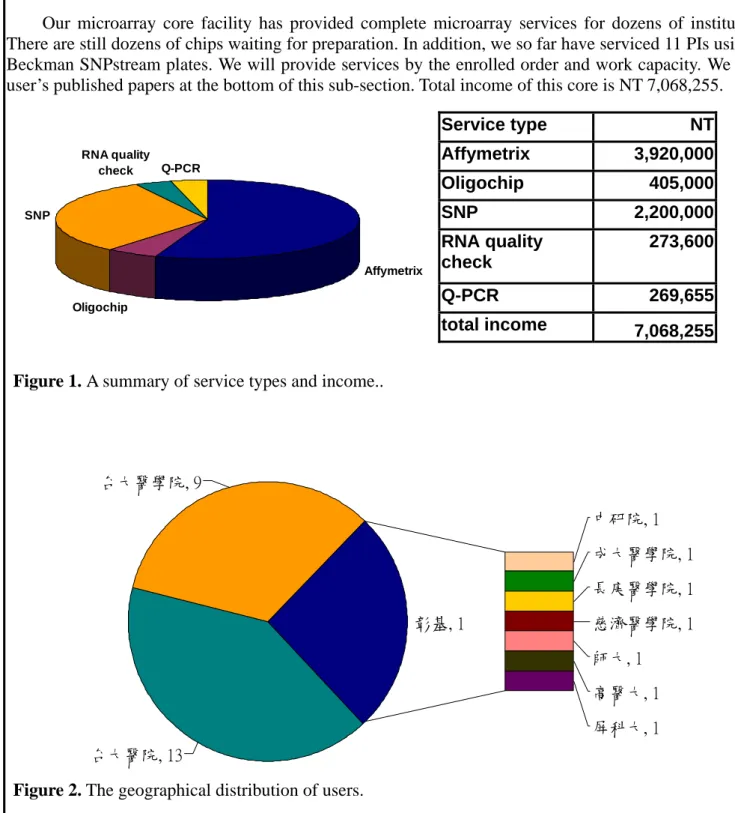
Our microarray core facility has provided complete microarray services for dozens of institutions, There are still dozens of chips waiting for preparation. In addition, we so far have serviced 11 PIs using 73 Beckman SNPstream plates. We will provide services by the enrolled order and work capacity. We listed user’s published papers at the bottom of this sub-section. Total income of this core is NT 7,068,255.
Affymetrix Oligochip
RNA quality check Q-PCR
SNP
Figure 1. A summary of service types and income..
彰基, 1 屏科大, 1 高醫大, 1 師大, 1 慈濟醫學院, 1 成大醫學院, 1 長庚醫學院, 1 中研院, 1 台大醫學院, 9 台大醫院, 13
Figure 2. The geographical distribution of users.
The publications of Core’s users:
1. Sher Singh, Hsiu-Yi Ou Yang, Mei-Ying Chen, Sung-Liang Yu (2006) A Kinetic-Dynamic Model for Regulatory RNA Processing Journal of Biotechnology In Press (SCI Impact Factor: 2.687)
2. Yu-Li Lin, Shiuh-Sheng Lee, Shin-Miao Hou, and Bor-Luen Chiang (2006) Polysaccharide Purified from Ganoderma lucidum Induces Gene Expression Changes in Human Dendritic Cells and Promotes T Helper 1 Immune Response in BALB/c Mice Molecular Pharmacology 70 (SCI Impact Factor: 4.612) 3. Steven Shoei-Lung Li, Yung-Hsien Liu, Chao-Neng Tseng, Tung-Liang Chung, Tzi-Yi Lee and Sher
Singh (2006) Characterization and Gene Expression Profiling of Five New Human Embryonic Stem Cell Lines Derived in Taiwan. Stem Cells and Development 15; 532–555 (SCI Impact Factor: 2.29)
Service type NT Affymetrix 3,920,000 Oligochip 405,000 SNP 2,200,000 RNA quality check 273,600 Q-PCR 269,655 total income 7,068,255
4. Steven Shoei-Lung Li , Yung-Hsien Liu, Chao-Neng Tseng, Sher Singh (2006) Analysis of gene expression in single human oocytes and preimplantation embryos Biochemical and Biophysical Research Communications 340; 48-53 (SCI Impact Factor: 3.00)
5. Chen YA, Chou CC, Lu X, Slate EH, Peck K, Xu W, Voit EO, and Almeida JS. (2006) A Multivariate prediction model for microarray cross-hybridization. BMC Bioinformatics 7 101 (SCI Impact Factor: 4.958)
6. Lu CC, Jeng YY, Tsai CH, Liu MY, Yeh SW, Hsu TY, and Chen MR. (2006) Genome-wide transcription program and expression of the Rta responsive gene of Epstein-Barr virus Virology 345; 358-372 (SCI Impact Factor: 3.080)
7. Wang, I. J., Chiang, T. H., Shih, Y. F.,Lu, S. C.,Lin, L. L., Shieh, J. W., Wang, T. H., Samples, J. R. & Hung, P. T. (2006) The Association of Single Nucleotide Polymorphisms at the MMP-9 Genes with Susceptibility to Acute Primary Angle Closure Glaucoma. Mol Vis 12:1223-1232 (SCI Impact Factor: 2.239)
8. Chang YT, Wu MS, Chang YJ, Chen CC, Lin YS, Hsieh T, Yang PC, Lin JT. (2006) Distinct gene expression profiles in gastric epithelial cells induced by different clinical isolates of Helicobacter pylori--implication of bacteria and host interaction in gastric carcinogenesis. Hepatogastroenterology. 53; 484-90. (SCI Impact Factor: 0.699)
9. Chou CC, Yang JH, Chen SD, Monteiro-Riviere NA, Li HN, Chen JJW. (2006) Expression Profiling of Human Epidermal Keratinocyte Response Following 1-Minute JP-8 Exposure. Cutaneous and Ocular Toxicology. 25; 141-153.
10. Chen HW, Su SF, Chien CT, Lin WH, Yu SL, Chou CC, Chen JJW, and Yang PC (2006) Titanium Dioxide Nanoparticles Induce Emphysema-like Lung Injury in Mice The FASEB Journal 20; 2393 – 2395 (SCI Impact Factor: 7.064)
11. Yu-Li Lin, Shiuh-Sheng Lee, Shin-Miao Hou, and Bor-Luen Chiang (2006) Polysaccharide Purified from Ganoderma lucidum Induces Gene Expression Changes in Human Dendritic Cells and Promotes T Helper 1 Immune Response in BALB/c Mice Molecular Pharmacology 70; 637-644. (SCI Impact Factor: 4.612)
12. Liu CC, Lin CC, Li KC, Chen WS, Chen JC, Yang MT, Yang PC, Chang PC, Chen JJ. (2007) Genome-wide identification of specific oligonucleotides using artificial neural network and computational genomic analysis. BMC Bioinformatics. 22;8:164. (SCI Impact Factor: 4.958)
13. Liu YL, Fann CS, Liu CM, Chang CC, Yang WC, Hung SI, Yu SL, Hwang TJ, Hsieh MH, Liu CC, Tsuang MM, Wu JY, Jou YS, Faraone SV, Tsuang MT, Chen WJ, Hwu HG. (2007) More evidence supports the association of PPP3CC with schizophrenia. Molecular Psychiatry Mar 6; (SCI Impact Factor: 9.335) [Epub ahead of print]
B. R&D Activity
Single Nucleotide Polymorphism (SNP):
We have assayed total of 98 SNPs from 723 samples, 84 of the SNPs were determined successfully in 2005. There are 14 of the 98 SNPs from the NCBI database were not detected in samples from our population. Among the 19316 SNP sits detected, 18500 of them were success, call rate 95.8%.
We have assayed total of 195 SNPs from 3642 samples, 177 of the SNPs were determined successfully in 2006. There are 18 of the 195 SNPs from the NCBI database were not detected in samples from our population. Among the 46674 SNP sits detected, 45896 of them were success, call rate 98.3%.
2006年使用紀錄 2006. 10. 31
眼科 神經科 內科 藥學所 精神科 total
SNP site數 12 7 120 39 17 195
SNP成功率 100% 100% 87.5% 92.3 100% 90.8% Sample數 760 328 1536 88 930 3642 成功點total sample數 9120 2296 16280 3168 15810 46674 成功的sample 9038 2166 16130 3104 15458 45896 成功率 99.1% 94.3 99% 98.0% 97.8% 98.3% 有意義的點數,多因未分析完而無法評估 Virus chip:
Figure 1. Virus probe database. This database contains more than 5700 viruses which is currently the largest one to our best knowledge.
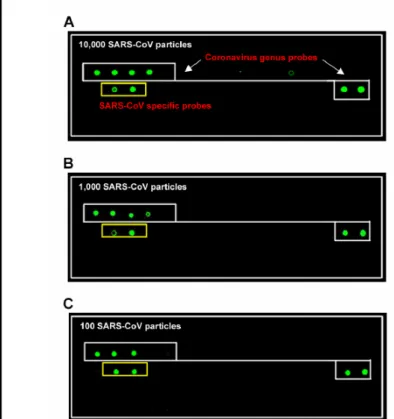
Figure 2. Determination of the sensitivity of virus chip. The virus chip can identify the virus even the virus copy less than 100.
Figure 3. Determination of the specificity of virus chip. The virus chip can accurately identify 7 test viruses.
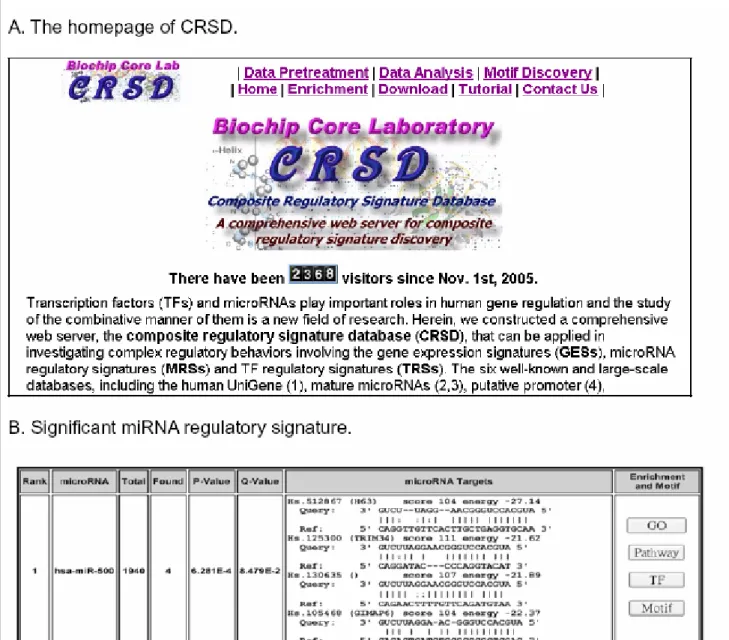
Figure 4. CRSD website. We develop a free web-based analysis tool for microarray data analysis, prediction of transcriptional factor binding sites, GO term, pathway analysis and prediction of microRNA targets.
Development of gene expression-based cancer prognostic models:
We use gene expression profiles of NSCLC to develop a cancer prognostic model that can predict survival and relapse of NSCLC patients.
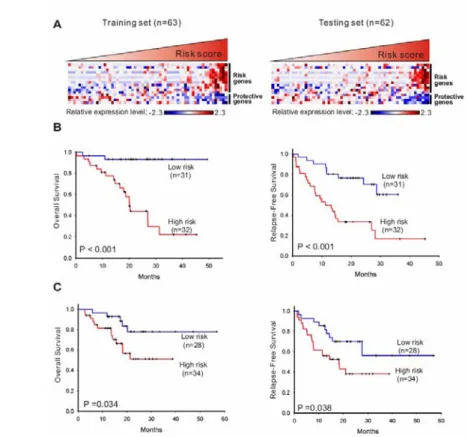
Figure 5. Microarray-based 16-gene risk-score analysis and survivals of 125 NSCLC patients:
(A) Color-gram of gene expression profiles of NSCLC patients; Rows represent risk and protective genes. Columns represent patients. (B) Kaplan-Meier estimates of overall and relapse-free survival according to the 16-gene microarray signature in the training set of NSCLC patients; (C) Kaplan-Meier estimates of overall and relapse-free survival according to the 16-gene microarray signature in the testing set of NSCLC patients. High risk: patients with high risk gene signature, Low risk: patients with low risk gene signature.
Development of microRNA-based cancer prognostic models:
We use microRNA expression profiles of NSCLC to develop a cancer prognostic model that can predict survival and relapse of NSCLC patients.
Figure 6. MicroRNA risk-score analysis of 112 NSCLC patients. Upper panel: MicroRNA risk-score distribution; Middle panel: Patients survival status; Bottom panel: color-gram of microRNA expression profiles of NSCLC patients; rows represent high-risk and protective microRNAs, columns represent patients. Blue dotted line represents the median microRNA signature cutoff dividing patients into low-risk and high-risk groups.
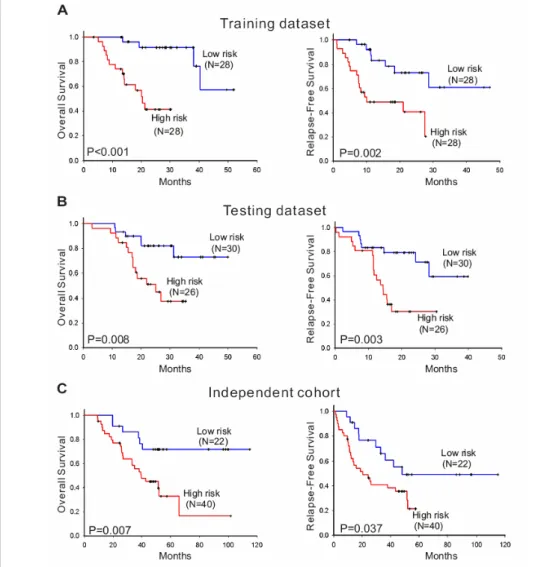
Figure 7. Kaplan-Meier estimates of overall survival and relapse-free survival of NSCLC patients
according to the microRNA signature. (A) 56 patients in the training dataset; (B) 56 patients in the testing dataset; (C) 62 patients in the independent cohort.
Figure 8. Kaplan-Meier estimates of overall survival and relapse-free survival according to the microRNA signature in sub-groups of NSCLC patients. (A) Stage I disease (n=47); (B) stage II disease (n=28); (C) Stage III disease (n=37); (D) adenocarcinoma patients (n=55); (E) squamous cell carcinoma patients (n=50).
Establishing a genomic profiling of DNA copy number by CGH array and analysis tool:
In order to establish the genomic profiling platform, we combine CGH array, gemonic quantitative
PCR, FISH, real-time RT-PCR, and GO term analysis to make up the one-stop solution. First we
investigated whether the alteration of DNA copy number is responsible for cancer initiation and cancer
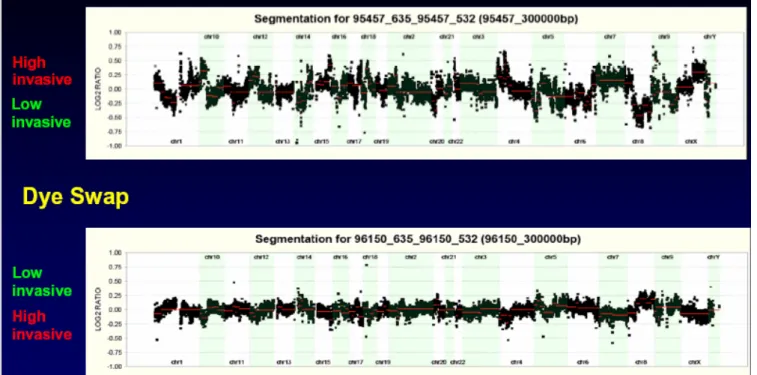
progression. We use CGH array to globally survey the highly alterative regions between high invasive lung
cancer cells and low invasive cells. After selection of the potential regions (log2 ratio>0.33 or <-0.33), the
genes encoded within these regions are analyzed for transcriptional expression and DNA copy number by
real-time quantitative PCR and whose cellular functions are evaluated by GeneSpring software.
Figure 9. Genomic profiling of DNA copy number by CGH array. The log2 ratio greater than 0.33 is suggested to harbor one DNA copy change.
Figure 10. The chromosome locations of genomic alteration regions with more than transcriptional 5-fold change
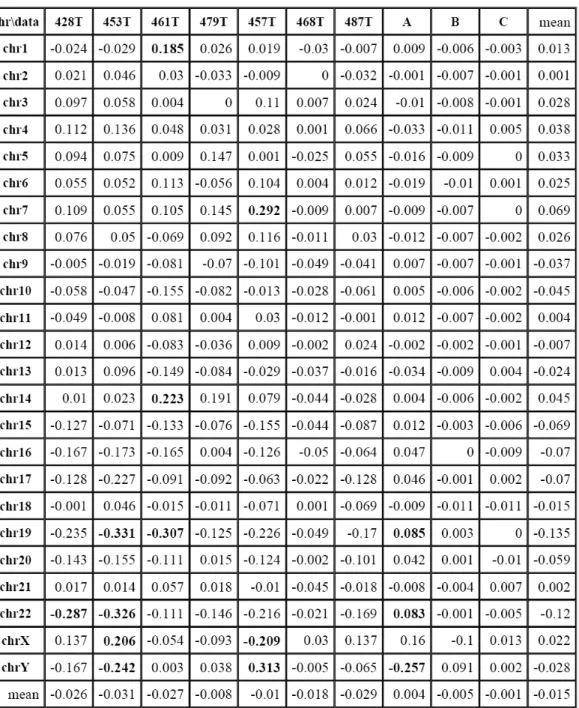
Figure 11. The statistic algorithm could calculate the aberration of gene copy number by chromosome-wise and length-wise (from 6K to 300K basepair).
Development of protein-protein interaction chip:
In order to establish the protein microarray platform, we setup a standard protocol for bait protein
construction, recombinant protein purification, protein microarray hybridization, and
Co-immunoprecipitation. The DNA open reading frame of interesting gene was amplified from total RNA
by RT-PCR using specific primers, and then cloned into a mammalian TA cloning expression vector. The
recombinant protein was purified by His-tag purification columns from HEK 293 transfected with resulting
Figure 12. A flowchart of protein-protein interaction analysis using protein microarray
Establishment of RNA extraction from FFPE for determination of gene expression:
The FFPE (formalin fixed paraffin embedded) is the most common type specimens from routine
diagnostic process especially in the endoscopic diagnosis. To extend the application of cancer-related
biomarkers we attempt to setup a standard protocol for RNA extraction from FFPE. Our preliminary results
showed that there is a good correlation between Ct and RNA loading (from 5 ng to 80 ng). The successful
rate of RNA extraction from FFPE is about 67% (59 cases/88 cases). That is, two third of FFPE can be
analyzed by real-time RT-PCR even the storage time is more than 5 years.
Figure 13. real-time RT-PCR by using RNA extracted from FFPE. A good correlation between Ct and RNA loading (1. 5 ng, 2. 10 ng, 3. 20 ng, 4. 40 ng, 5. 80 ng). y = -0.7298x + 35.463 R2 = 0.9985 31.50 32.00 32.50 33.00 33.50 34.00 34.50 35.00 0 1 2 3 4 5 6 00 17090 T B P Threshold Cyc le (Ct)
C. Education Activity
1. Education course and Practical course
We provided a 57-hour education course since 8/14-8/25 2006 for gene quantification by RT-PCR and disease-related SNP genotyping.
In addition, we also provided three opportunities for the students of NTU college of medicine to do their summer student’s programs this year. We also offer related research consultation and education training anytime if applicants request. We have trained more than 100 persons for microarray experiments and they can successfully carry out microarrays themselves in the past five years.
2. Promotion and Seminar
a. We held the Functional Genomic Approach in Life Science promotion conferences in Taipei since Oct 30 to Dec 8 2006. The information listed as following:
Topic: The Applications of Genomics in Life Science Research.
Speaker: SL Yu, Ph.D. Microarray and SNP Core Facility for Genomic Medicine Time: Oct. 30th, 2006, pm1:30~4:30
Host: Pan-Chyr Yang, Department of Internal Medicine, College of Medicine, National Taiwan University (NTUMC)
Place: Rm 103, NTUMC Number of participants: over 240
b. The High Content Screening technology is an up-to-date platform for large scale drug screening and library screening. Hence, we held a seminar to introduce this new concept and platform to users at Jul. 17th, 2007.
c. To share the excellent experience of discovery and development of prognostic biomarkers, we invited two experts from MD Anderson Cancer Center and California State Polytechnic University.
D. Collaboration Activity
Gene Expression profiling (Microarray):
Collaboration institution: Institute and Department of Pharmacology, School of Medicine, National Yang-Ming University
Collaboration PI: Chen HW
Titanium dioxide nanoparticles (nanoTiO2) have been widely used as a photocatalyst in air and water cleaning. However, these nanoparticles inhalation can induce pulmonary toxicity and its mechanism is not fully understood. In this study we investigated the pulmonary toxicity of nanoTiO2 and its molecular pathogenesis by using cDNA microarray. These results indicated that nanoTiO2 can induce severe pulmonary emphysema, which may be caused by activation of PlGF and related inflammatory pathways.
Publication: Chen HW, Su SF, Chien CT, Lin WH, Yu SL, Chou CC, Chen JJW, and Yang PC (2006) Titanium Dioxide Nanoparticles Induce Emphysema-like Lung Injury in Mice The FASEB Journal 20; 2393 – 2395 (SCI Impact Factor: 7.064)
Collaboration institution: National Taiwan University Center for Genomic Medicine, National Taiwan University College of Medicine
Collaboration PI: Sher Singh
A kinetic-dynamic model was proposed to simulate RNA processing by determining four essential reaction rates, including the rates of transcription, pre-mRNA turnover, pre-mRNA splicing, and mRNA decay. A family competition evolutionary algorithm (FCEA) was adapted herein to approximate these rates. Several artificial datasets were used to verify the correctness and robustness of the FCEA. The model was finally applied on time series data of yeast prp4-l mutant cells for determination of rates of RNA processing. Based on the FCEA, the model indicated that the pre-mRNA splicing was decreased in the mutant cells as well as the possible effects on transcription, pre-mRNA turnover, and mRNA decay, which was consistent with surveyed literature.
Publication: Sher Singh, Hsiu-Yi Ou Yang, Mei-Ying Chen, Sung-Liang Yu (2006) A Kinetic-Dynamic Model for Regulatory RNA Processing Journal of Biotechnology In Press (SCI Impact Factor: 2.687)
Collaboration institution: Department of Pediatric, National Taiwan University Hospital and National Taiwan University Medical College
Collaboration PI: Mei-Huei Chang
We have collaborated with Dr. Mei-Huei Chang in the Department of Pediatrics to perform microarray analysis of liver cells after cell therapy. Several host genes such as, NF kB, DUSP1 were identified to be correlated with hepatocyte engulfment.
Publication: Not yet
Collaboration institution: Department of Dermatology, National Taiwan University Hospital and National Taiwan University Medical College
Collaboration PI: Shin-Shih Yu
We collaborated with Dr. Shin-Shih Yu in Department of Dermatology to analyze the differentially expressed genes in skin keratinocytes treated with arsenites. The functional correlation of these differentially expressed genes with apoptosis, G2/M block and integrin abnormality are under investigation.
Publication: Not yet
Single Nucleotide Polymorphism (SNP):
Collaboration institution: Department of Neurology, National Taiwan University Hospital and National Taiwan University Medical College
Collaboration PI: Ruey-Mei Wu
We have established a collaboration research with Dr. Ruey-Mei Wu in the Department of Neurology to investigate the SNPs associate with Parkinson’s disease. The project entitled: Association Studies of Multiple Candidate Genes for Parkinson’s Disease using Single Nucleotide Polymorphisms (SNPs) and Correlation between SNPs and Susceptibility to Various Medication Side Effects. There are 386 PD patients and 100 control enrolled in this study. After genotyping of these patients, one SNP site on the NDUFV2 showed difference between sporadic PD and control groups. Another SNP site on the LRRK2 showed difference between young onset (onset age<50 years) and old onset PD. Other SNPs that may associate with Parkinson’s Disease are under investigation. The cellular functions of these two SNP sites are currently under investigation.
Publication: Not yet.
Integrative Cancer Biology
Collaboration institution: Institute of Statistical Sciences, Academia Sinica Collaboration PI: Ker-Chau Li
We have established a collaboration research with Prof. Ker-Chau Li in the Institute of Statistical Sciences, Academia Sinica to investigate the gene expression profiles associate with non-small cell lung cancer. The project entitled: Integrative Cancer Biology. There are 70 NSCLC patients with clinical outcome in this study. This study may illuminate that the etiological differences cause the NSCLC between eastern and western worlds.
Publication: Not yet.
E. Publications derived from this Core:
Publications by Core
1. Wang CC, Chen JJW, and Yang PC (2006) Therapeutic Target in Human Cancer? Expert Opinion on Therapeutic Targets 10; 253-266 (SCI Impact Factor: 2.458)
2. Chou CC, Yang JH, Chen SD, Monteiro-Riviere NA, Li HN, and Chen JJW (2006) Expression Profiling of Human Epidermal Keratinocyte Response Following One-Minute JP-8 Exposure. Journal of Toxicology-Cutaneous and Ocular Toxicology 25; 141-153 (SCI Impact Factor: 0.404)
3. Lin CS, Lai YH, Sun CW, Liu NT, Tsay HS, Chang WC, Chen JJW (2006) Identification of ESTs differentially expressed in green and albino mutant bamboo (Bambusa edulis) by suppressive subtractive hybridization (SSH) and microarray analysis. Plant Cell Tissue And Organ Culture 86; 169-175 (SCI Impact Factor: 1.113)
4. Liu CC, Lin CC, Chen WSE, Chen HY, Chang PC, Chen JJW, and Yang PC (2006) CRSD: a comprehensive web server for composite regulatory signature discovery. Nucleic Acids Research 34; W571-W577 (SCI Impact Factor: 7.552)
5. Liu CC, Chen WSE, Lin CC, Liu HC, Chen HY, Yang PC, Chang PC, and Chen JJW (2006) Topology-based cancer classification and related pathway mining using microarray data. Nucleic
Acids Research 34; 4069-4080 (SCI Impact Factor: 7.552)
6. Chou CC, Lee TT, Chen CH, Hsiao HY, Lin YL, Ho MH, YangPC, and Peck K. (2006) Design of microarray probes for virus identification and detection of emerging viruses at the genus level. BMC Bioinformatics 7; 232 (SCI Impact Factor: 4.958)
7. Tsai MF, Wang CC, Chang GC, Chen CY, Chen HY, Cheng CL, Yang YP, Wu CY, , Shih FY, Liu CC, Lin HP, Jou YS, Lin SC, Lin CW, Chen WJ, Chan WK, Chen JJW, and Yang PC (2006) A New Tumor Suppressor DnaJ-like Heat Shock Protein HLJ1 and Survival of Patients with Non–Small-Cell Lung Carcinoma. Journal of The National Cancer Institute 98; 825-838 (SCI Impact Factor: 15.17)
8. Chen HY, Yu SL, Chen CH, Chang GC, Chen CY, Yuan A, Cheng CL, Wang CH, Terng HJ, Kao SF, Chan WK, Li HN, Liu CC, Singh S, Chen WJ, Chen JJW, and Yang PC (2006) A 5-Gene Signature and Clinical Outcome of Non-small Cell Lung Cancer. New England Journal of Medicine In Press (SCI Impact Factor: 44.016)
9. Wang CC, Tsai MF, Dai TH, Hong TM, Chan WK, Chen JJ, Yang PC. (2007) Synergistic activation of the tumor suppressor, HLJ1, by the transcription factors YY1 and activator protein 1. Cancer Res. 67; 4816-26.
Publications by Core’s Users in 2006
10. Sher Singh, Hsiu-Yi Ou Yang, Mei-Ying Chen, Sung-Liang Yu (2006) A Kinetic-Dynamic Model for Regulatory RNA Processing Journal of Biotechnology In Press (SCI Impact Factor: 2.687)
11. Yu-Li Lin, Shiuh-Sheng Lee, Shin-Miao Hou, and Bor-Luen Chiang (2006) Polysaccharide Purified from Ganoderma lucidum Induces Gene Expression Changes in Human Dendritic Cells and Promotes T Helper 1 Immune Response in BALB/c Mice Molecular Pharmacology 70 (SCI Impact Factor: 4.612)
12. Steven Shoei-Lung Li, Yung-Hsien Liu, Chao-Neng Tseng, Tung-Liang Chung, Tzi-Yi Lee and Sher Singh (2006) Characterization and Gene Expression Profiling of Five New Human Embryonic Stem Cell Lines Derived in Taiwan. Stem Cells and Development 15; 532–555 (SCI Impact Factor: 2.29) 13. Steven Shoei-Lung Li , Yung-Hsien Liu, Chao-Neng Tseng, Sher Singh (2006) Analysis of gene
expression in single human oocytes and preimplantation embryos Biochemical and Biophysical Research Communications 340; 48-53 (SCI Impact Factor: 3.00)
14. Chen YA, Chou CC, Lu X, Slate EH, Peck K, Xu W, Voit EO, and Almeida JS. (2006) A Multivariate prediction model for microarray cross-hybridization. BMC Bioinformatics 7 101 (SCI Impact Factor: 4.958)
15. Lu CC, Jeng YY, Tsai CH, Liu MY, Yeh SW, Hsu TY, and Chen MR. (2006) Genome-wide transcription program and expression of the Rta responsive gene of Epstein-Barr virus Virology 345; 358-372 (SCI Impact Factor: 3.080)
16. Wang, I. J., Chiang, T. H., Shih, Y. F.,Lu, S. C.,Lin, L. L., Shieh, J. W., Wang, T. H., Samples, J. R. & Hung, P. T. (2006) The Association of Single Nucleotide Polymorphisms at the MMP-9 Genes with Susceptibility to Acute Primary Angle Closure Glaucoma. Mol Vis 12:1223-1232 (SCI Impact Factor: 2.239)
17. Chang YT, Wu MS, Chang YJ, Chen CC, Lin YS, Hsieh T, Yang PC, Lin JT. (2006) Distinct gene expression profiles in gastric epithelial cells induced by different clinical isolates of Helicobacter
pylori--implication of bacteria and host interaction in gastric carcinogenesis. Hepatogastroenterology. 53; 484-90. (SCI Impact Factor: 0.699)
18. Chou CC, Yang JH, Chen SD, Monteiro-Riviere NA, Li HN, Chen JJW. (2006) Expression Profiling of Human Epidermal Keratinocyte Response Following 1-Minute JP-8 Exposure. Cutaneous and Ocular Toxicology. 25; 141-153.
19. Chen HW, Su SF, Chien CT, Lin WH, Yu SL, Chou CC, Chen JJW, and Yang PC (2006) Titanium Dioxide Nanoparticles Induce Emphysema-like Lung Injury in Mice The FASEB Journal 20; 2393 – 2395 (SCI Impact Factor: 7.064)
20. Yu-Li Lin, Shiuh-Sheng Lee, Shin-Miao Hou, and Bor-Luen Chiang (2006) Polysaccharide Purified from Ganoderma lucidum Induces Gene Expression Changes in Human Dendritic Cells and Promotes T Helper 1 Immune Response in BALB/c Mice Molecular Pharmacology 70; 637-644. (SCI Impact Factor: 4.612)
21. Liu CC, Lin CC, Li KC, Chen WS, Chen JC, Yang MT, Yang PC, Chang PC, Chen JJ. (2007) Genome-wide identification of specific oligonucleotides using artificial neural network and computational genomic analysis. BMC Bioinformatics. 22;8:164. (SCI Impact Factor: 4.958)
22. Liu YL, Fann CS, Liu CM, Chang CC, Yang WC, Hung SI, Yu SL, Hwang TJ, Hsieh MH, Liu CC, Tsuang MM, Wu JY, Jou YS, Faraone SV, Tsuang MT, Chen WJ, Hwu HG. (2007) More evidence supports the association of PPP3CC with schizophrenia. Molecular Psychiatry Mar 6; (SCI Impact Factor: 9.335) [Epub ahead of print]
Development of lung cancer prognostic biomarkers Relative studies:
1. Hsuan-Yu Chen, Sung-Liang Yu, Chun-Houh Chen, Gee-Chen Chang, Chih-Yi Chen, Ang Yuan, Chiou-Ling Cheng, Chien-Hsun Wang, Harn-Jing Terng, Shu-Fang Kao, Wing-Kai Chan, Han-Ni Li, Chun-Chi Liu, Sher Singh, Wei J. Chen, Jeremy J.W. Chen, Pan-Chyr Yang (2007) A 5-Gene Signature and Clinical Outcome of Non-small Cell Lung Cancer. N Engl J Med 356: 11-20.
2. Sung-Liang Yu, Hsuan-Yu Chen, Gee-Chen Chang, Chih-Yi Chen, Huei-Wen Chen, Sher Singh, Chiou-Ling Cheng, Chong-Jen Yu, Yung-Chie Lee, Han-Shiang Chen, Te-Jen Su, Ching-Cheng Chiang, Han-Ni Li, Qi-Sheng Hong, Hsin-Yuan Su, Chun-Chieh Chen, Wan-Jiun Chen, Chun-Chi Liu, Wing-Kai Chan, Wei J. Chen, Ker-Chau Li, Jeremy J.W. Chen, and Pan-Chyr Yang (2007) MicroRNA Signature Predicts Survival and Relapse in Lung Cancer. (submitted)
肺癌在世界上或是台灣為主要的癌症死因1,根據衛生署民國 94 年的生命統計資料顯
示,惡性腫瘤占國人死因第一位,其中肺癌為男性癌症死因第二位,女性癌症死因第一位。 民國 91 年癌症登記年報資料中指出,男性肺癌發生率為所有癌症的第二位,女性肺癌發生率 為第五位。肺癌依組織細胞型態可分為小細胞癌 (small cell lung cancer;SCLC)與非小細胞癌 (non-small cell lung cancer;NSCLC),其中以 NSCLC 為最常見的型態。在 NSCLC 中,可以
細分成腺癌 (adenocarcinoma)和鳞狀細胞癌 (squamous cell carcinoma)等,以肺腺癌最多。 流行病學資料顯示,西方國家男女別肺癌發生率約為 3 比 1,在台灣則接近 2 比 1。台灣 女性吸煙盛行率遠低於西方,但是肺癌發生率仍佔女性癌症的第五位,且肺腺癌為主要的女 性肺癌發生型態。國人女性肺癌之分子流行病學及藥物基因體學與白種人不同,為相當特殊 的疾病。 93%的台灣女性無抽菸病史,肺腺癌佔 70%且近 50%有 EGFR 突變,對 EGFR 拮抗 劑治療效果良好。台灣女性肺腺癌在流行病學上的觀察中,目前還沒有科學上的證據能釐清 不吸菸的台灣女性得肺腺癌的成因以及其生物上的機轉。只有一些文獻上顯示上皮細胞生長
因子受體 (epidermal growth factor receptor, EGFR)突變情形東西方人種有差異2,其衍生的
藥物-艾瑞莎(Irresa)治療也在台灣女性肺腺癌較有效3, 4。
肺癌之另一特徵是早發轉移,80%病人在術後 2 年內會發生轉移。正常細胞發展至腫瘤細
胞的過程相當複雜,可以從三種層次來探討,基因體組 DNA (genomic DNA)、DNA 轉錄 (transcription)成 RNA 以及 RNA 轉譯 (translation)成蛋白質5-7。在 genomic DNA 層次來說,致 癌基因 (oncogene)可能在會有 copy number 增加,抑癌基因 (tumor suppressor gene)可能會有片 段缺失 (deletetion)的現象。參雜出現兩種現象時,正常細胞可能會逐漸朝向癌化模式,比較 性基因體雜合技術 (comparative genomic hybridization;CGH)探討 DNA 變異的情形為常用的
研究工具7-10。在 RNA 轉譯層次,致癌與抑癌基因在不同組織或是腫瘤細胞會有不同的基因
表現強度,可以利用基因表現強度的差異,探討癌症的特徵或是預測病人的存活,此種研究 大多利用同時測量大量基因表現的微陣列(microarray)基因晶片或 real time RT-PCR 進行
11-14。蛋白質轉譯的層次來說,現有一種新發現的微分子稱為微小核醣核酸(microRNA),其
能與目標基因的 3’非轉譯區 (3’UTR)結合。結合後能抑制目標基因的 RNA 轉譯成蛋白質5, 15,
16。
在現有的研究中,利用微陣列(microarray) 17, 18或即時反轉錄聚合酶連鎖反應(real time
RT-PCR) 13, 19方法測量基因表現,可以用來區分或預測包括肺癌11, 20-25或其他種癌症6, 26, 27 病人的存活。但即使微陣列方法在癌症研究上有相當大的幫助,但是仍有其技術上的問題(如 過多的基因當做生物標記和複雜的分析方法等28),使其在臨床應用上仍有相當大的限制。因 此,利用準確與快速的 RT-PCR 方法測量基因表現,為臨床應用上較為可行的工具,而且其 可以測量基因在石蠟切片檢體中的表現,更增加其在臨床上的應用性28。 為研究肺癌轉移之相關基因,我們建立癌轉移之體外模式,並利用全基因體基因微陣列 找出與肺癌轉移之相關基因31。其中之 16 個基因,可以評估肺癌病人預後發生轉移之危險
性,再利用 real time RT-PCR 方法測量 5 個基因表現,此五個基因分別為 DUSP6、MMD、 STAT1、ERBB3 以及 LCK,不只在原來建構預測模式的樣本中能準確預測肺癌病人存活與情
形(Fig.1),用額外的肺癌檢體驗證的結果中,亦能準確預測其預後(Fig.2A)。此結果不但可以
應用在華人族群,套用至歐美族群(Fig.2B)亦有顯著的成果12。上述研究刊登在最具影響力的
新英格蘭醫學期刊 (New England Journal of Medicine),該期社論 (editorial)評論上述研究利用 現有病人組織以及臨床資料建立基因預測模式,在肺癌個人化治療研究中,完成了第一階段 建立預測模式的工作32。除了上述五個基因模式外,在目前基礎與臨床研究相當熱門的微核 醣核酸(microRNA)中,本團隊也找到五個與肺癌病人存活與復發相關的微核醣核酸,能在早 期肺癌中另外分出高危險的病人 (Fig. 3)。本研究仍需要進一步的大規模試驗驗證,以評估臨 床應用的可行性。 這兩部分的研究成果,正在申請專利中,相關的資料請詳見附件。
the 5-gene signature (RT-PCR). (A) overall survival; (B) relapse-free survival. High risk: patients with high risk gene signature, Low risk: patients with low risk gene signature.
Fig. 2 Kaplan-Meier estimates of survival of NSCLC patients from external cohort according to the 5-gene signature (RT-PCR). (A) overall survival in an independent cohort of 60 patients; (B) overall survival of 86 patients in an independent set of published NSCLC microarray data (n=86). High risk: patients with high risk gene signature, Low risk: patients with low risk gene signature.
Fig. 3 Kaplan-Meier estimates of overall survival (left panel) and relapse-free survival (right panel) according to the microRNA signature of NSCLC patients stratified by stage. (A) Stage I disease (n=47); (B) stage II disease (n=28); (C) Stage III disease (n=37)
References
1. Jemal A, Siegel R, Ward E, et al. Cancer Statistics, 2006. CA Cancer J Clin 2006;56:106-30. 2. Shigematsu H, Lin L, Takahashi T, et al. Clinical and biological features associated with epidermal growth factor receptor gene mutations in lung cancers. J Natl Cancer Inst 2005;97:339-46.
3. Chou TY, Chiu CH, Li LH, et al. Mutation in the tyrosine kinase domain of epidermal growth factor receptor is a predictive and prognostic factor for gefitinib treatment in patients with non-small cell lung cancer. Clin Cancer Res 2005;11:3750-7.
4. Huang SF, Liu HP, Li LH, et al. High frequency of epidermal growth factor receptor mutations with complex patterns in non-small cell lung cancers related to gefitinib responsiveness in Taiwan. Clin Cancer Res 2004;10:8195-203.
5. Esquela-Kerscher A, Slack FJ. Oncomirs - microRNAs with a role in cancer. Nat Rev Cancer 2006;6:259-69.
6. Ludwig JA, Weinstein JN. Biomarkers in Cancer Staging, Prognosis and Treatment Selection. Nat Rev Cancer 2005;5:845-56.
7. Sidransky D. EMERGING MOLECULAR MARKERS OF CANCER. Nat Rev Cancer 2002;2:210-9.
8. Feuk L, Carson AR, Scherer SW. Structural variation in the human genome. Nat Rev Genet 2006;7:85-97.
9. Freeman JL, Perry GH, Feuk L, et al. Copy number variation: new insights in genome diversity. Genome Res 2006;16:949-61.
10. Sharp AJ, Hansen S, Selzer RR, et al. Discovery of previously unidentified genomic disorders from the duplication architecture of the human genome. Nat Genet 2006;38:1038-42.
11. Beer DG, Kardia SL, Huang CC, et al. Gene-expression profiles predict survival of patients with lung adenocarcinoma. Nat Med 2002;8:816-24.
12. Chen H-Y, Yu S-L, Chen C-H, et al. A Five-Gene Signature and Clinical Outcome in Non-Small-Cell Lung Cancer. N Engl J Med 2007;356:11-20.
13. Endoh H, Tomida S, Yatabe Y, et al. Prognostic model of pulmonary adenocarcinoma by expression profiling of eight genes as determined by quantitative real-time reverse transcriptase polymerase chain reaction. J Clin Oncol 2004;22:811-9.
14. Potti A, Mukherjee S, Petersen R, et al. A genomic strategy to refine prognosis in early-stage non-small-cell lung cancer. N Engl J Med 2006;355:570-80.
15. Calin GA, Ferracin M, Cimmino A, et al. A MicroRNA signature associated with prognosis and progression in chronic lymphocytic leukemia. N Engl J Med 2005;353:1793-801.
16. Yanaihara N, Caplen N, Bowman E, et al. Unique microRNA molecular profiles in lung cancer diagnosis and prognosis. Cancer Cell 2006;9:189-98.
17. Hoheisel JD. Microarray technology: beyond transcript profiling and genotype analysis. Nat Rev Genet 2006;7:200-10.
18. Schena M, Shalon D, Davis RW, Brown PO. Quantitative Monitoring of Gene Expression Patterns with a Complementary DNA Microarray. Science 1995;270:467-70.
19. Lossos IS, Czerwinski DK, Alizadeh AA, et al. Prediction of Survival in Diffuse Large-B-Cell Lymphoma Based on the Expression of Six Genes. N Engl J Med 2004;350:1828-37.
20. Bhattacharjee A, Richards WG, Staunton J, et al. Classification of human lung carcinomas by mRNA expression profiling reveals distinct adenocarcinoma subclasses. Proc Natl Acad Sci U S A 2001;98:13790-5.
the lung. Proc Natl Acad Sci U S A 2001;98:13784-9.
22. Gordon GJ, Jensen RV, Hsiao L-L, et al. Translation of Microarray Data into Clinically Relevant Cancer Diagnostic Tests Using Gene Expression Ratios in Lung Cancer and Mesothelioma. Cancer Res 2002;62:4963-7.
23. Granville CA, Dennis PA. An overview of lung cancer genomics and proteomics. Am J Respir Cell Mol Biol 2005;32:169-76.
24. Tsao M-S, Sakurada A, Cutz J-C, et al. Erlotinib in Lung Cancer -- Molecular and Clinical Predictors of Outcome. N Engl J Med 2005;353:133-44.
25. Wigle DA, Jurisica I, Radulovich N, et al. Molecular profiling of non-small cell lung cancer and correlation with disease-free survival. Cancer Res 2002;62:3005-8.
26. Golub TR, Slonim DK, Tamayo P, et al. Molecular Classification of Cancer: Class Discovery and Class Prediction by Gene Expression Monitoring. Science 1999;286:531-7.
27. Ramaswamy S, Ross KN, Lander ES, Golub TR. A molecular signature of metastasis in primary solid tumors. Nat Genet 2003;33:49-54.
28. Ramaswamy S. Translating Cancer Genomics into Clinical Oncology. N Engl J Med 2004;350:1814-6.
29. Sher YP, Shih JY, Yang PC, et al. Prognosis of non-small cell lung cancer patients by detecting circulating cancer cells in the peripheral blood with multiple marker genes. Clin Cancer Res 2005;11:173-9.
30. Chen JJ, Lin YC, Yao PL, et al. Tumor-associated macrophages: the double-edged sword in cancer progression. J Clin Oncol 2005;23:953-64.
31. Chen JJ, Peck K, Hong TM, et al. Global analysis of gene expression in invasion by a lung cancer model. Cancer Res 2001;61:5223-30.
32. Herbst RS, Lippman SM. Molecular Signatures of Lung Cancer -- Toward Personalized Therapy. N Engl J Med 2007;356:76-8.
Self-Assessment
It has been more than one year since the C4 Core Facility merged with the C5 starting from Nov. 1st, 2005. The microarray facilities including Scanner, Fluidic Station, and Hybridization Oven of the Affymetrix system are fully used by both core members to increase productivity. Quantitative RT-PCR consultation service, free of charge, has provided in-time support to people who need assistance in validating gene expression results derived from array data. Laser Capture Microdissection (LCM) service has provided excellent results for Optimal Cutting Temperature (OCT) embedding tissue samples when it was linked to Affymetrix gene expression platform. As for paraffin embedding tissues, inconsistent results might occur and most likely they resulted from initial stage of sample preparation. This also applies to various LCM platforms and has nothing to do with LCM technique itself. Currently, the Core is working on immuno-stained tissue samples and hopes to diversify types of samples that LCM can service in the near future. In addition, Professors of Core held a NTU Biotechnology Summer Course, in the summer session 2006. Students in the class were instructed to handle clinical samples in a correct manner and to acquire high quality genomic DNA/RNA used in SNP or Microarray gene expression experiments. The feedbacks derived from students are quite encouraging and we plan to open more positions in the class next year.
In past year, we and core users have published high quality papers (core: 9 papers, users: 13 papers and 12 out of 22 articles were published in the top 15% journals). It reaches and even goes beyond that we proposed in application grant (more than 5 papers published per year). Moreover, we also file 2 patents derived from this grant. To accelerate the high-quality publications of core uses and provide one-stop services, we will provide CGH microarray, protein microarray and microRNA functional analyses in the coming year. All platforms have been successfully setup and passed the quality controls.