行政院國家科學委員會專題研究計畫 成果報告
中藥食品與西藥之交互作用(2/2)
計畫類別: 個別型計畫 計畫編號: NSC92-2320-B-039-016- 執行期間: 92 年 08 月 01 日至 93 年 07 月 31 日 執行單位: 中國醫藥大學藥學系 計畫主持人: 李珮端 計畫參與人員: 徐素蘭 侯鈺琪 報告類型: 完整報告 處理方式: 本計畫可公開查詢中 華 民 國 93 年 10 月 15 日
中文摘要 槲皮素廣泛分布於植物界,主要以配醣體的形式存在。槲皮素配醣體必須於 腸道中水解成槲皮素方能吸收。槲皮素有調控CYP3A4 與 Pgp 之作用,先前本 實驗室之研究發現槲皮素顯著降低環孢靈之生體可用率。金絲桃草、銀杏葉與洋 蔥皆含有槲皮素配醣體,因此本研究之目的乃為評估金絲桃草、銀杏葉與洋蔥於 大鼠體內是否與環孢靈發生動力學交互作用。 大鼠經口服或靜脈注射單獨投予環孢靈及經口併服金絲桃草、銀杏葉與洋 蔥。給藥後於預定時間點,分別以心臟穿刺或頸靜脈採血。利用單株抗體螢光偏 極免疫分析法定量血中環孢靈之濃度。 大鼠併服金絲桃草、銀杏葉與洋蔥時,顯著降低口服環孢靈之生體可用率, 而當靜脈注射投予環孢靈併服金絲桃草、銀杏葉與洋蔥時,則對環孢靈動力學無 顯著影響,顯示交互作用主要發生在吸收部位。服用環孢靈的病人,應注意金絲 桃草、銀杏葉與洋蔥之攝取,以確保環孢靈芝療效。 關鍵詞 環孢靈; 金絲桃草; 銀杏葉; 洋蔥; 交互作用; 動力學; P-糖蛋白 英文摘要
Quercetin is a flavonol ubiquitously present in fruits, vegetables and herbs, predominantly existing in glycoside form. Quercetin glycosides were known to be absorbed as quercetin through hydrolysis in gastrointestinal tract. Quercetin was reported to modulate CYP isoenzymes and P-glycoprotein (Pgp), a drug efflux transporter. Our previous study found that quercetin significantly decreased the bioavailability of cyclosporin, a substrate for CYP3A4 and Pgp, in rats and pigs. St. John’s wort, ginkgo and onion contain quercetin and its glycosides. This study aimed to investigate the influences of St. John’s wort,
ginkgo and onion on the pharmacokinetics of cyclosporin in rats.
Cyclosporin was administered orally and intravenously to rats with and without an oral dose of St. John’s wort, ginkgo or onion in crossover designs. Blood samples were collected via cardiopuncture and blood cyclosporin concentration was assayed by a specific monoclonal fluorescence polarization immunoassay. Everted gut sac was used to investigate the effects of St. John’s wort, ginkgo and onion on the function of intestinal Pgp.
Our results showed that oral coadministration of St. John’s wort, ginkgo and onion significantly decreased the Cmax and AUC0-t of cyclosporin. However, when cyclosporin was given intravenously, St. John’s wort, ginkgo and onion did not affect the pharmacokinetics of cyclosporin, indicating that these interactions occurred mainly at the absorption site. In conclusion, coadministration of St. John’s wort, ginkgo and onion markedly decreased the oral bioavailability of cyclosporin. The concurrent use of St. John’s wort, ginkgo and onion with cyclosporin should be avoided to ensure the efficacy of cyclosporin.
Key words: cyclosporin; St. John’s wort; ginkgo; onion; interaction; pharmacokinetics; P-glycoprotein
Introduction
In recent years, quercetin attracted great interest of investigators because of its various beneficial biological activities (Takahama 1985; Ohnishi and Bannai, 1993; Alarcon-de-la-Lastra et al., 1994; Murray 1998; Davis et al., 2000). Quercetin is widely distributed and predominantly present as glycosides in plant food, beverage and herbs (Liu and Sheu, 1989; Hertog et al., 1992; Hertog et al., 1995; Griffiths et al., 2002;). Quercetin glycosides were known to be absorbed as quercetin through hydrolysis by lactase phlorizin hydrolase secreted by the small intestine (Daya et al., 2003) or β-glucosidase secreted by enterobacteria (Ioku et al., 1998). Quercetin was reported to modulate CYP 3A4 and Pgp, a drug efflux transporter, therefore, it might affect the bioavailability of drugs that are metabolized by CYP 3A4 or effluxed by Pgp (Miniscalco et al., 1992; Shapiro and Ling, 1997). Our previous study reported that quercetin significantly decreased the bioavailability of cyclosporin (Sandimum®), a substrate of CYP 3A4 and Pgp (Kronbach et al., 1988; Lown et al., 1997; Edward et al., 1999) in pigs and rats (Hsiu et al., 2002). Furthermore, our rat model demonstrated interaction between St. John’s Wort and cyclosporin (Yang et al., 2003) as clinical findings in humans (Ruschitzka et al., 2000; Barone et al., 2000).
St. John’s Wort (SJW), a herbal antidepressant, consists of the leaves and flowering tops of Hypericum perforatum. The alcoholic extract contains 0.1-0.3% phloroglucinol derivatives (e.g. hyperforin), 2-4% flavonoids (e.g. catechin, quercetin, rutin, kaempferol, luteolin, apigenin and quercitrin) and up to 6% naphthodianthrones (e.g. hypericin, pseudohypericin) (Bilia et al., 2002).
Ginkgo is a popular herbal medicine worldwide. EGb 761 is the extract from the leaves of Ginkgo biloba and is used widely for treating cerebral insufficiency in clinical therapy (Maurer et al., 1997; Oken et al., 1998). Many researches have reported that EGb 761 possesses beneficial activities including free radical scavenging, antagonist of platelet-activating factor, inhibition of monoamine oxidase and modulation on immune function (Ellnain-Wojtaszek et al., 2003; Porsolt et al., 2000; Puebla-Pe´rez et al., 2003). Ginkgo leaves contain glycosides of quercetin, kaempferol and isorhamnetin, terpene trilactones, carboxylic acids (ascorbic acid, D-glucaric acid) etc. (Teris, 2002).
Onion is a daily diet and has been reported to possess bioactivities including reduction of serum cholesterol, decrease of osteoporosis incidence, antithrombotic and anticancer effects (Campos et al., 2003; Jung et al., 2002; Muhlbauer and Li, 1999). Onion contains quercetin-3,4’-diglucoside and quercetin-4’-glucoside etc. (Gee et al., 1998).
Cyclosporin is an important immunosuppressant with a narrow therapeutic window. Maintenance of therapeutic cyclosporin concentrations following transplantation is critical to ensure adequate immunosuppression. Subtherapeutic cyclosporin concentrations can be associated with an increased risk for acute cellular rejection, while supratherapeutic concentrations can result in hepatotoxicity, nephrotoxicity and neurotoxicity (Edwards et al., 1995; Sijpkens et al., 2001; Voiculescu et al., 2003). Neoral® is the first microemulsion product which has improved immunosuppressive efficacy due to a better oral bioavailability, lower pharmacokinetic variability, and better dose-linearity in cyclosporin exposure compared with the former dosage form Sandimmun® (Dunn et al., 2001). This study attempted to investigate the influences of ginkgo and onion, which contain quercetin glycosides, on the absorption and disposition of cyclosporin (Neoral®)in rats. Moreover, the possible mechanism of the drug absorption involving Pgp was explored.
Materials and Methods
Materials
properly diluted with water before use. St. John’s Wort(standardized herbal extract 300 mg in each caplet)was produced by Albertson’s Inc (U.S.A.). Ginkgo leaves (Ginkgo biloba L.) were collected at Taichung County, Taiwan, in September 2001. Onion was purchased from a traditional market in Taichung City, Taiwan. Quercetin dihydrate was purchased from Sigma Chemical Co. (St. Louis, MO, USA). Rhodamine 123 was purchased from Aldrich Chemical Company (Milwakee, WI, USA). Milli-Q plus Water (Millipore, Bedford, MA, USA) was used for all preparations. TDx kit was supplied by Abbott Laboratories (Abbott Park, IL, USA). Preparations and acid hydrolysis of ginkgo decoction and onion juice
Dried ginkgo leaves (20 g) was boiled in 400 mL H2O on a gas stove until the volume was reduced to less than 80 mL and then water was added to reach a volume of 80 mL. One onion bulb (outer skin removed) was processed with a juicer and the juice was collected for later use.
In a glass tube 0.5 mL of ginkgo decoction and onion juice were each added with 0.5 mL of 1.2 N HCl and 5 mg of ascorbic acid. The mixture was heated at 80 ℃ for 1 h and then allowed to cool and made up to 1 mL with water. Acid hydrolysis was performed in triplicates for each sample. The hydrolysate was filtered through a 0.45-µm membrane prior to HPLC assay.
Quantitation of quercetin in the hydrolysates of ginkgo decoction and onion juice The hydrolyzed samples were analyzed using an HPLC system equipped with a Shimadzu SIL-10AD VP automatic sample injector, a Shimadzu SPD-10A VP Wavelength Absorbance Detector and two Shimadzu LC-10AT VP pumps. Reversed-phase separation was carried out using a RP-18 column (Cosmosil, 150 × 4.0 mm, 5 µm) equipped with a prefilter. The mobile phase consisted of acetonitrile and 0.01% phosphoric acid and eluted in a gradient manner: 19:81 (0-7 min), 30:70 (9-30 min), at a flow rate of 1.0 mL/min. After each run, the column was washed with methanol for 2 min, then returned to 19% acetonitrile and re-equilibrated for 5 min before the next analysis. The detection wavelength was set at 370 nm.
The precision and accuracy of the analysis system was evaluated by intra-day and inter-day of triplicate standards within one day and over a period of three days. A recovery study was performed by spiking quercetin standard solutions into the hydrolysates of ginkgo decoction and onion juice of known quercetin concentration to further assess the accuracy of this method
Male Sprague-Dawley rats weighing 200 – 250 g were randomly divided into two groups and fasted for 12 h before drug administration. SJW caplet was sonicated overnight in water. Rats were given cyclosporin (1.25 mg/kg) with and without SJW suspension (containing 37.5 mg SJW extract), ginkgo decoction (8.0 mL/kg, equivalent to 2.0 g/kg of ginkgo leaves) or onion juice (8.0 mL/kg), respectively, in crossover designs. The control rats received an equal volume of water. Oral administration was given via gastric gavage. Ginkgo and onion were administered right before cyclosporin. One week was allowed for washout.
Another study gave an intravenous bolus of cyclosporin (0.8 mg/kg) via tail vein with and without an oral dose of SJW suspension (containing 37.5 mg SJW extract), ginkgo decoction (8.0 mL/kg) and onion juice (8.0 mL/kg) in crossover designs. SJW, ginkgo decoction and onion juice were given per oral immediately after the bolus of cyclosporin. The control rats received an equal volume of water orally. One week was allowed for washout. The animal studies adhered to “The Guidebook for the Care and Use of Laboratory Animals (2002)” (Published by the Chinese Society for the Laboratory Animal Science, Taiwan, ROC).
Blood collection
Blood samples (0.3 mL) were withdrawn via cardiopuncture at 0, 0.33, 0.66, 1, 3, 5 and 9 h after oral cyclosporin and at 0, 0.08, 0.17, 0.33, 0.66, 1, 3, 5 and 9 h after intravenous cyclosporin. Water was supplied at 2 h intervals via gastric gavage during the experiment. The blood samples collected in vacutainer tubes containing EDTA (Becton Dickinson, Franklin Lakes, NJ, USA) were stored at 4℃ and analysis was performed within 24 h.
Quantitation of blood cyclosporin concentration
The cyclosporin concentration in blood was measured by a specific monoclonal fluorescence polarization immunoassay using an Abbott TDx kit. The assay was calibrated for concentrations from 25.0 to 1500.0 ng/mL.
Data analysis
The peak serum concentration (Cmax) and the time to peak concentration (Tmax) were obtained from experimental observation. Pharmacokinetic parameters of cyclosporin were calculated by a noncompartment model for oral cyclosporin and a two-compartment model of WINNONLIN (version 1.1, SCI software, Statistical Consulting, Inc., Apex, NC, USA) for intravenous cyclosporin. The area under the serum concentration-time curve (AUC0-t) was calculated by the trapezoidal rule to the last point. Statistical comparisons were made using paired Student’s t-test and p <
0.05 was considered significant. Everted rat gut sac study
Nine Sprague-Dawley rats were sacrificed for each study. The jejunum and ileum were isolated. After flushing with ice-cold saline, each segment was everted and both ends were ligated tightly to prepare a 25 cm long everted intestine. It was then immersed in 50 mL of medium 199 prewarmed at 37℃and preoxygenated with a mixture gas of 95% O2 / 5% CO2. After incubating under the same condition for 20 min, 3 mL of rhodamine 123 solution (20 µg/mL in medium 199) was introduced into the everted rat intestine (serosal side). The transport of rhodamine 123 solution from the serosal to mucosal surfaces across the intestine was then measured fluorometrically (Luminescence Spectrometer LS-50B, Perkin Elmer, USA) as a control from the mucosal medium sampled every 20 min for 100 min. SJW, ginkgo decoction and onion juice were diluted with medium 199 and added to the mucosal medium to give designated final concentrations of SJW (0.75 mg/ml and 0.38 mg/ml), ginkgo decoction (GD) (0.02 and 0.04 mL GD/mL) and onion juice (OJ) (0.04 and 0.08 mL OJ/mL). The transport of rhodamine 123 was measured as described for the control.
Results
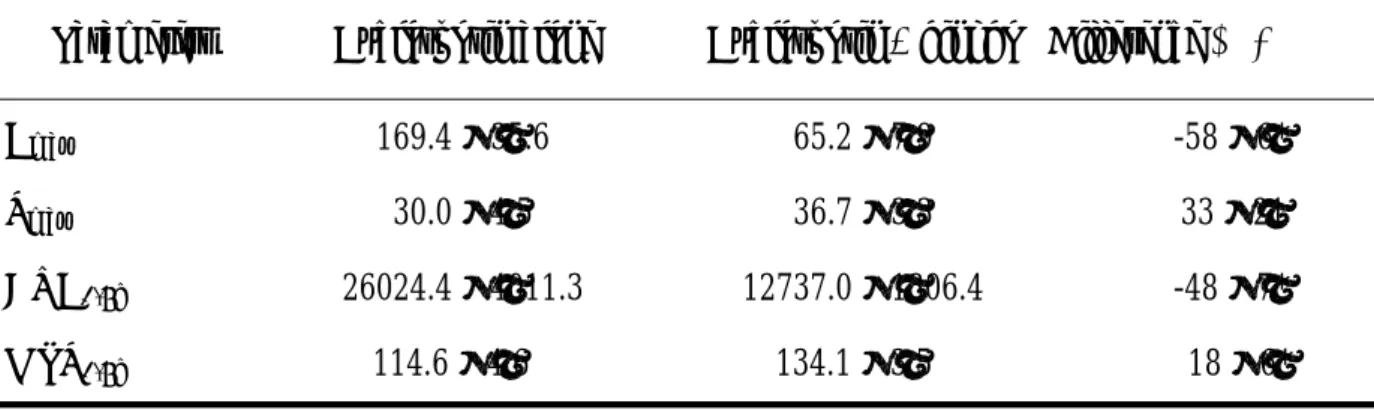
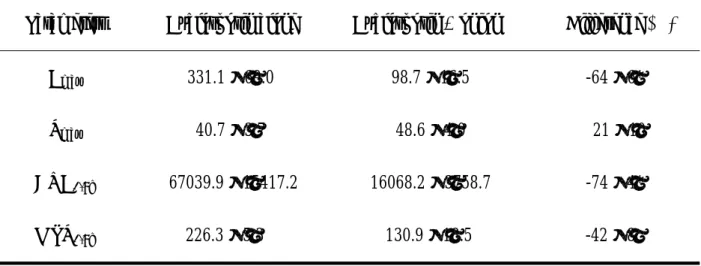
HPLC/UV methods were developed in this study for the determination of quercetin in the hydrolysates of ginkgo decoction and onion juice. The present methods showed satisfactory precision and accuracy, the recoveries of quercetin from ginkgo decoction and onion juice were 92.4 – 109.0 % and 100.8 –109.7 %, respectively. Table 1 lists the quercetin contents in the acid hydrolysates of ginkgo decoction and onion juice, indicating that the content of quercetin glycosides in onion juice was 2.5-fold greater than ginkgo decoction. Figures 1 and 2 depict the blood cyclosporin concentration - time profiles after oral and intravenous dosing of cyclosporin alone and coadministration of SJW, respectively. Figures 3 and 4 depict the blood cyclosporin concentration - time profiles after oral and intravenous dosing of cyclosporin alone and coadministration of ginkgo decoction, respectively. Figures 5 and 6 depict the blood cyclosporin concentration - time profiles after oral and intravenous dosing of cyclosporin alone and coadministration of onion juice, respectively. Tables 1, 2 and 3 list the pharmacokinetic parameters of cyclosporin after various treatments. The oral coadministration of SJW, ginkgo decoction and onion juice significantly decreased the Cmax of cyclosporin by 90% , 58% and 64%, and reduced the AUC0-t by 86%, 48%
and 74 %, respectively.
The blood profiles of intravenous cyclosporin with SJW, ginkgo or onion coadministration did not display significant difference from those after receiving cyclosporin alone and onion coadministration showed less influence. This indicated that the distribution and elimination of cyclosporin were not significantly affected by SJW, ginkgo decoction and onion juice.
Figs. 5 and 6 show the effects of ginkgo and onion on the efflux of rhodamine 123 in jejunum and ileum, respectively. The results indicated that ginkgo significantly inhibited the efflux of rhodamine 123 from serosal side to mucosal side for both jejunum and ileum, whereas onion did not show significant effect.
Discussion
Flavonoids mainly exist in plants as glycoside form, but the authentic standards of quercetin glycosides are often not commercially available, therefore, acid hydrolysis was conducted in order to measure the total contents of quercetin glycosides in ginkgo decoction and onion juice. The strategy for protecting quercetin from oxidation followed that reported in our previous study (Hsiu et al., 2001). The validation of assay method indicated that the established method is reliable. Based on the results of acid hydrolysis, the doses of ginkgo and onion administered to rats were 776.2 and 1927.2 nmol/kg of quercetin glycosides, respectively. Quercetin glycosides are realized to hydrolyze into quercetin in gastrointestinal tract and become absorbable. Therefore, the ingestion of quercetin glycosides from onion juice was about 2.5-fold of ginkgo.
St. John’s Wort (SJW) was reported to reduce cyclosporin bioavailability significantly and cause graft rejection (Barone et al., 2000; Ruschitzka et al., 2000; Yang et al., 2003). In this study, marked decreases in cyclosporin absorption were also found when onion and ginkgo were coadministered. SJW contains polyphenols like quercetin and its glycosides, including rutin, hyperoside, isoquercitrin, quercitrin, and other napthodianthrones (hypericin, pseudohypericin), phenolic acids (chlorogenic acid) and the phloroglucinols (hyperforin, adhyperforin) (Kopleman et al., 2001). Quercetin glycosides are the common constituents contained in ginkgo, onion and SJW. Therefore, we speculate that quercetin and its glycosides were the potential causative agents for lowering the blood cyclosporin level.
When cyclosporin was intravenously administered to rats, the oral coadministration of ginkgo and onion did not significantly alter the pharmacokinetic behavior of cyclosporin, indicating that distribution, hepatic metabolism and elimination of cyclosporin were not affected. Accordingly, the interactions between oral cyclosporin and ginkgo or onion can be inferred to occur at the absorption site.
Many reports indicated that flavonoids modulated the cell multidrug resistance mediated by Pgp (Di-Pietro et al., 2002; Vaidyanathan and Walle, 2003) which plays a role in the barrier function of the intestine. Because cyclosporin is a substrate of Pgp, modulation on Pgp might be a mechanism to explain these interactions. In this study, an in vitro study using rhodamine-123 as a specific Pgp substrate was conducted on the everted rat gut sac to assess the effects of ginkgo decoction and onion juice on Pgp-mediated efflux. The results showed that ginkgo significantly inhibited the function of intestinal Pgp both in jejunum and ileum, whereas onion juice resulted in insignificant inhibition. The down regulation on intestinal Pgp cannot solely explain the reduction in AUC of cyclosporin caused by both ginkgo and onion. Alternatively, it may be speculated that other effect like immediate activation of intestinal CYP 3A4 might overwhelm the inhibition on intestinal Pgp, A recent study demonstrated that the contents and activities of CYP enzymes significantly increased after treatment with ginkgo can explain our result (Sugiyama et al., 2004). Moreover, dangerous interactions of SJW with many drugs including cyclosporin were reported to be associated with pregnane X receptor (PXR), a nuclear xenobiotic receptor (Watkins et al., 2003; Moore et al., 2000). Our previous study demonstrated that SJW significantly inhibited the function of intestinal Pgp (Yang et al., 2003). The inhibition of Pgp may prolong the access of drugs to CYP3A4 and increase the opportunity for drug metabolism (Cummins et al., 2002). The inhibition of Pgp by SJW resulted in more cyclosporin available for metabolism by CYP3A4. Because ginkgo and onion share common constituents, i.e. quercetin glycosides with SJW, therefore, we speculate that ginkgo and onion might be like SJW in activating PXR to induce CYP3A4 expression, and resulted in increased metabolism of cyclosporin.
Our previous study had found that quercetin significantly lowered the oral bioavailability of cyclosporine in rats (Hsiu et al., 2002). However, quercetin is present in onion and ginkgo mainly as glycosides, which is indispensable to be hydrolyzed by intestinal enzymes or enterobacteria before absorption by the small intestine (Victor and Winter, 1987). Many pharmacokinetc studies of quercetin and rutin indicated that the conjugated metabolites of quercetin were the major molecules present in the circulation and no quercetin was detected in rats and humans (Schwedhelm et al., 2003; Hou et al, 2003). To investigate the effects of quercetin sulfates/glucuronides on CYP3A4 and Pgp should be more important than quercetin and rutin themselves for elucidating the underlying mechanism of these herb-cyclosporine interactions. Further studies are needed to clarify the mechanism.
In summary, ginkgo and onion markedly decreased the oral bioavailability of cyclosporin. We suggest that concurrent intake of quercetin-rich herbs or foods with cyclosporine are better avoided in order to ensure the efficacy of oral cyclosporin.
Acknowledgements
This work was supported by the National Science Council, ROC (NSC 91-2320-B-039-024 and NSC 92-2320-B-039-016).
References
Alarcon-de-la-Lastra, C., Martin, N.J., Motilva, V., 1994. Antiulcer and gastro-protective effects of quercetin: a gross and histologic study. Pharmacology 48, 56–62.
Barone, G.W., Gurley, B.J., Ketel, B.L., Lightfoot, M.L., Abul-Ezz, S.R., 2000. Drug interaction between St. John’s Wort and cyclosporine. The Annals of Pharmacotherapy 34, 1013-1016.
Bilia AR, Gallori S, Vincieri FF. St. John’s Wort and depression efficacy, safety and tolerability-an update. Life Sci 2002;70:3077-96.
Campos, K.E., Diniz, Y.S., Cataneo, A.C., Faine, L.A., Alves, M.J., Novelli, E.L., 2003. Hypoglycaemic and antioxidant effects of onion, Allium cepa: dietary onion addition, antioxidant activity and hypoglycaemic effects on diabetic rats. International Journal of Food Science and Nutrition 54, 241-246.
Cummins, C.L., Jacobsen, W., Benet, L.Z., 2002. Unmasking the dynamic interplay between intestinal P-glycoprotein and CYP3A4. [Journal Article] Journal of Pharmacology & Experimental Therapeutics 300, 1036-1045.
Davis, W., Lamson, M.S., Matthew, S., Brignall, N.D., 2000. Antioxidants cancer III: Quercetin. Alternative Medicine Review 5, 196–208.
Daya, A.J., Jennifer, M., Geeb, DuPontb, M.S., Johnsonb, I.T., Williamson, G., 2003. Absorption of quercetin-3-glucoside and quercetin-4’-glucoside in the rat small intestine: the role of lactase phlorizin hydrolase and the sodium-dependent glucose transporter. Biochemical pharmacology 65, 1199-1206.
Di-Pietro, A., Conseil, G., Perez-Victoria, J.M., Dayan, G., Baubichon-Cortay, H., Trompier, D., Steinfels, E., Jault, J.M., de Wet, H., Maitrejean, M., Comte, G., Boumendjel, A., Mariotte, A.M., Dumontet, C., McIntosh, D.B., Goffeau, A., Castanys, S., Gamarro, F., Barron, D., 2002. Modulation by flavonoids of cell multidrug resistance mediated by P-glycoprotein and related ABC transporters. Cellular and molecular life sciences 59, 307-322.
Dunn, C.J., Wagstaff, A.J., Perry, C.M., Plosker, G.L., Goa, K.L., 2001. Cyclosporin an updated review of the pharmacokinetic properties, clinical efficacy and tolerability of a microemulsionbased formulation (Neoral)1 in organ transplantation. Drugs 61, 1957-2016.
Edward, D.J., Fitzsimmons, M.E., Schuetz, E.G., Yasuda, K., Ducharme, M.P., Warbasse, L.H., 1999. 6’, 7’-Dihydroxybergamottin in grapefruit juice and Seville orange juice: effects on cyclosporin disposition, enterocyte CYP 3A4, and P-glycoprotein. Clinical pharmacology and therapeutics 65, 237-244.
of cyclosporine toxicity associated with bone marrow transplantation. Acta Neurologica Scandinavica 94, 358-364.
Ellnain-Wojtaszek, M., Kruczynski, Z., Kasprzak, J., 2003. Investigation of the free radical scavenging activity of Ginkgo biloba L. leaves. Fitoterapia 74, 1-6.
Gee, J.M., DuPont, M.S., Rhodes, M.J.C., Johnson, I.T., 1998. Quercetin glucosides interact with the intestinal glucose transport pathway. Free radical biology & medicine 25, 19-25.
Griffiths, G., Trueman, L., Crowther, T., Thomas, B., Smith, B., 2002. Onions--a global benefit to health. Phytotherapy Research 16, 603–615.
Hertog, M.G.L., Hollman, P.C.H., Venema, D.P., 1992. Optimization of a quantitative HPLC determination of potentially anticarcinogenic flavonoids in vegetables and fruits. Journal of Agricultural Food Chemistry 40, 1591–1598.
Hertog, M.G.L., Kromhout, D., Aravanis, C., Blackburn, H., Buzina, R., Fidanza, F., Giampaoli, S., Jansen, A., Menotti, A, Nedeljkovic, S., Pekkarinen, M., Pekkarinen, B., Simic, S., Toshima, H., Feskens, E.J.M., Hollman, P.C.H., Katan, M.B., 1995. Flavonoid intake and long-term risk of coronary heart disease and cancer in the seven countries study. Archives of Internal Medicine 155, 381–386.
Hou, Y.C., Chao, P.D.L., Ho, H.J., Wen, C.C., Hsiu, S.L., 2003. Profound difference of pharmacokinetics between morin and its isomer quercetin in rats. J Pharm Pharmacol 55, 199-203.
Hsiu, S. L., Tsao,C. W., Tsai,Y. C., Ho, H. J., Chao, P. D. L., 2001. Determination of morin, quercetin and their conjugate metabolites in serum. Biological and Pharmaceutical Bulletin 24, 967-969.
Hsiu, S.L., Hou, Y.C., Wang, Y.H., Tsao, C.W., Sue, S.F., Chao, P.D.L., 2002. Quercetin significantly decreased cyclosporin oral bioavailability in pigs and rats. Life Sciences 72, 227-235.
Ioku, K., Pongpiriyadacha, Y., Konishi, Y., Takei, Y., Nakatani, N., Terao, J., 1998. β-Glucosidase activity in the rat small intestine toward quercetin monoglucosides. Bioscience, biotechnology, and biochemistry 62, 1428-1431.
Jung, Y.S., Kim, M.H., Lee, S.H., Baik, E.J., Park, S.W., Moon, C.H., 2002. Antithrombotic effect of onion in streptozotocin-induced diabetic rat. Prostaglandins, Leukotrienes, and Essential Fatty Acids 66, 453-458.
Kopleman, S.H., Augsburger, L.L., NguyenPho, A., Zito, W.S., Muller, F.X., 2001. Selected physical and chemical properties of commercial hypericum perforatum extracts relevant for formulated product quality and performance. American Association of Pharmaceutical Scientists 3, 1-18.
Identification of a cytochrome P-450 III gene family as the major cyclosporin-metabolizing enzyme explains interactions of cyclosporin with other drugs. Clinical Pharmacology and Therapeutics 43, 630-635.
Liu, M.I., Sheu, S.J., 1989. Analysis and processing of Chinese herbal drugs. VIII: the study of sophorae floe. American Journal of Chinical Medicine 17, 179-187
Lown, K.S., Mayo, R.R., Leichtman, A.B., Hsiao, H.L., Turgeon, D.K., Schmiedlin-Ren, P., Brown, M.B., Guo, W., Rossi, S.J., Benet, L.Z., Watkins, P.B., 1997. Role of intestinal P-glycoprotein (mdr 1) in interpatient variation in the oral bioavailability of cyclosporin. Clinical Pharmacology and Therapeutics 62, 248-260.
Maurer, K., Ihl, R., Dierks, T., Frolich, L., 1997. Clinical efficacy of Ginkgo biloba special extract EGb761 in dementia of the Alzheimer type. Journal of Psychiatric Research 31, 645-655.
Miniscalco, A., Landahl, J., Regardh, C.G., Edgar, B., Eriksson, U.G., 1992. Inhibition of dihydropyridine in rat and human liver microsomes by flavonoids found in grapefruit juice. Journal of Pharmacology and Experimental Therapeutics 261, 1195–1198.
Moore, L.B., Goodwin, B., Jones, S.A., Wisely, G.B., Serabjit-Singh, C.J., Willson, T.M., Collins, J.L., Kliewer, S.A., 2000. St. John’s wort induces hepatic drug metabolism through activation of the pregnane X receptor. Proceedings of the National Academy of Sciences of the United States of America 97, 7500-7502. Muhlbauer, R.C., Li, F., 1999. Effect of vegetables on bone metabolism. Nature 23,
343-344.
Murray, M.T., 1998. Quercetin: Nature’s antihistamine. Better Nutrition 60, 10.
Ohnishi, E., Bannai, H., 1993. Quercetin potentiates TNF-induced antiviral activity. Antiviral Research 22, 327–331.
Oken, B.S., Storzbach, D.M., Kaye, J.A., 1998. The efficacy of Ginkgo biloba on cognitive function in Alzheimer disease. Archives of Neurology 55, 1409-1415. Porsolt, R.D., Roux, S., Drieu, K., 2000. Evaluation of a Ginkgo biloba extract (EGb
761) in functional tests for monoamine oxidase inhibition. Arzneimittelforschung 50, 232-235.
Puebla-Pe´rez, A.M., Lozoyac, X., Villasen˜or-Garcı´a, M.M., 2003. Effect of Ginkgo biloba extract, EGb 761, on the cellular immune response in a hypothalamic–pituitary–adrenal axis activation model in the rat. International Immunopharmacology. 3, 75-80.
Ruschitzka, F., Meier, P.J., Turina, M., Lüscher, T.F., Noll, G., 2000. Acute heart transplant rejection due to Saint John’s wort. Lancet 2, 548.
of antioxidants and their impact on systemic oxidative stress. Clin Pharmacokinet 42, 437-459.
Shapiro, A.B., Ling, V., 1997. Effect of quercetin on Hoechst 33342 transport by purified and reconstituted P-glycoprotein. Biochemical Pharmacology 53, 587–596. Sijpkens, Y.W., Mallat, M.J., Siegert, C.E., Zwinderman, A.H., Westendorp, R.G.., de
Fijter, J.W., van Es, L.A., Paul, L.C., 2001. Risk factors of cyclosporine nephrotoxicity after conversion from Sandimmune to Neoral. Clinical Nephrology 55, 149-155.
Sugiyama, T., Kubota, Y., Shinozuka, K., Yamada S., Yamada K., Umegaki, K., 2004. Induction and recovery of hepatic drug metabolizing enzymes in rats treated with Ginkgo biloba extract. Food and Chemical Toxicology 42, 953–957.
Takahama, U., 1985. Inhibition of lipoxygenase-dependent lipid peroxidation by quercetin: mechanism of antioxidative function. Phytochemistry 24, 1443–1446. Teris, A.B., 2002. Chemical analysis of Ginkgo biloba leaves and extracts. Journal of
Chromatography A 967, 21–55.
Vaidyanathan, J.B., Walle, T., 2003. Cellular uptake and efflux of the tea flavonoid (-)epicatechin-3-gallate in the human intestinal cell line caco-2J. The Journal of Pharmacology and Experimental Therapeutics 307, 745-752.
Victor, D, Winter, J. 1987. Hydrolysis of dietary flavonoid glycosides by strains of intestinal bacteroides from humans. The Biochemical Journal 248, 953-956.
Voiculescu, M., Ionescu, C., Ismail, G.., Mandache, E., Hortopan, M., Constantinescu, I,. Iliescu, O., 2003. Acute pancreatitis, acute hepatitis and acute renal failure favourably resolved in two renal transplant recipients. Romanian Journal of Gastroenterology 12, 41-46.
Watkins, R.E., Davis-Searles, P.R., Lambert, M.H., Redinbo, M.R., 2003. Coactivator binding promotes the specific interaction between ligand and the pregnane X receptor. Journal of molecular biology 331, 815–828.
Yang, C.Y., Wang, Y.H., Hou, Y.C., Hsiu, S.L., Chao, P.D.L., 2003. St. John’s Wort – cyclosporin interaction in rats and pigs. Mid-Taiwan Journal of Medicine 8, 127-133.
Time (min) 0 120 240 360 480 600 720 840 960 1080 1200 1320 1440 B lood concentrat ion of cyclos por in (ng/m L ) 10 100 cyclosporin alone
cyclosporin with St. John's wort
Fig. 1. Mean (± S.E.) blood concentration-time profiles of cyclosporin in 6 rats after oral administration of cyclosporin alone (●) and coadministrations with St. John’s Wort (○).
Fig. 2. Mean (± S.E.) blood concentration-time profiles of cyclosporin in 6 rats after intravenous administration of cyclosporin alone (●) and coadministration with St. John’s Wort (○).
Fig. 3. Mean (± S.E.) blood concentration-time profiles of cyclosporin in 6 rats after oral administration of cyclosporin alone (●) and coadministration with ginkgo decoction (○). Time(min) 51020 40 60 180 300 540 Bl ood concent rat ion of cycl ospor in (ng/ m L ) 100 1000 cyclosporin alone
cyclosporin with St. John's Wort
20 Time (min) 20 40 60 180 300 Bl ood c oncent ra tion of cyc los por in ( ng/ m L ) 10 100 1000 cyclosporin alone cyclosporin with ginkgo
Tim e (m in) 0 6 0 1 20 18 0 24 0 30 0 36 0 4 20 4 80 54 0 Bl oo d c on ce nt ra tio n of c yc los pori n (ng/ m L ) 10 0 1 00 0 cyclosporin alone
cyclosporin w ith ginkgo
Fig. 4. Mean (± S.E.) blood concentration-time profiles of cyclosporin in 6 rats after intravenous bolus of cyclosporin alone (●) and coadministration with ginkgo decoction (○).
Fig. 5. Mean (± S.E.) blood concentration-time profiles of cyclosporin in 6 rats after oral administration of cyclosporin alone (●) and coadministration with onion juice (○). Time (min) 20 40 60 180 300 540 Bl oo d co ncen tr at io n o f cy cl os po ri n ( ng/ m L ) 10 100 1000 cyclosporin alone cyclosporin with onion
Time (min) 0 60 120 180 240 300 360 420 480 540 B lo od co nc entra tion of cyclo spo rin (n g/mL) 100 1000 cyclosporin alone cyclosporin with onion
Fig. 6. Mean (± S.E.) blood concentration-time profiles of cyclosporin in 6 rats after intravenous bolus of cyclosporin alone (●) and coadministration with onion juice (○).
Table 1. Comparison of pharmacokinetic parameters of cyclosporin in 6 rats between oral administration of cyclosporin alone and coadministration with St. John’s Wort.
Parameters
Cyclosporin alone Cyclosporin + St. John’s Wort Difference (%) AUC0-24 h 338128.7 ± 48379.7 43773.5 ± 4560.5 -86 ± 3 * Tmax 46.7 ± 4.2 176.7 ± 45.7 292 ± 103 *** Cmax 932.4 ± 85.5 95.6 ± 10.8 -90 ± 1 ** MRT0-24 h 360.2 ± 29.1 412.9 ± 20.8 18 ± 9
Dataexpressed as mean ± SE
AUC 0-24 h (ng•min•ml-1) : area under the blood concentration-time curve from time zero to 24 h.
Tmax (min): time to reach Cmax.
Cmax (ng•ml-1) : the peak blood concentration. MRT0-24 h (min) : mean residence time.
*p < 0.05; **p < 0.01; ***p < 0.001.
Table 2. Comparison of pharmacokinetic parameters of cyclosporin in 6 rats between oral administration of cyclosporin alone (1.25 mg/kg) and coadministration with ginkgo decoction (2.0 g/kg).
Parameters Cyclosporin alone Cyclosporin + ginkgo Difference (%)
Cmax 169.4 ± 35.6 65.2 ± 7.9 -58 ± 6* Tmax 30.0 ± 4.5 36.7 ± 3.3 33 ± 21 AUC0-5h 26024.4 ± 4011.3 12737.0 ± 1306.4 -48 ± 7* MRT0-5h 114.6 ± 4.6 134.1 ± 3.5 18 ± 6*
Table 3. Comparison of pharmacokinetic parameters of cyclosporin in 6 rats between oral administration of cyclosporin alone (1.25 mg/kg) and coadministration with onion juice (8.0 mL/kg).
Parameters Cyclosporin alone Cyclosporin + onion Difference (%) Cmax 331.1 ± 69.0 98.7 ± 16.5 -64 ± 6* Tmax 40.7 ± 3.7 48.6 ± 4.0 21 ± 10
AUC0-9h 67039.9 ± 15417.2 16068.2 ± 3758.7 -74 ± 4* MRT0-9h 226.3 ± 5.3 130.9 ± 18.5 -42 ± 8