ACADEMIA SINICA
ACADEMIA SINICA
2010–2012
A Message from the President
Academia Sinica, established in 1928, has flourished to become the most eminent research institution in Taiwan. From its inception, Academia Sinica has been committed to the unimpeded quest for knowledge and the pursuit of academic excellence. Today, Academia Sinica has expanded from its initial 5 research institutes to encompass 24 research institutes and preparatory offices and 7 research centers. Over the past years, dedicated researchers across the disciplines have made outstanding contributions to their fields of study, leading to path-breaking research discoveries, new knowledge paradigms, and innovative applications of newly acquired knowledge.
As the most prominent academic research institution in Taiwan, Academia Sinica has the mission to conduct cutting-edge research in the humanities and sciences, nurture academic talents, and issue policy advisories. Academia Sinica has been working wholeheartedly to formulate new approaches for academic research, assess research organization and reforms, facilitate academic cooperation and liaison between domestic and overseas institutes, as well as pursue projects to foster academic excellence.
In the past decade, researchers of Academia Sinica have demonstrated exceptional research capabilities. The number of papers published has steadily increased. According to the Institute for Scientific Information (ISI) of the US, 11 research fields of Academia Sinica rank in the top 1% of the world’s research institutes for the number of times papers have been cited. The publications are remarkable both in terms of quality and quantity.
In order to promote closer international academic exchange, Academia Sinica held the Academy Presidents’ Forum in 2008, inviting leaders of major scientific academies worldwide to combine their efforts to create a better future for humanity. Some of the key issues addressed at this forum were the restructuring of modern scientific academies to drive knowledge-based development and the role of science and technology in assuring sustainable development. In 2009, Academia Sinica held the International Forum on Technology Innovation and Social Responsibility. Internationally renowned scholars and entrepreneurs were invited to propose new directions for the role of scientific research and technological innovation in resolving
3
ACADEMIA SINICA
pressing ecological and economic challenges. Numerous other international conferences and lectures including the “Academia Sinica Lecture” given by two Nobel Prize laureates Dr. Roger Y. Tsien and Dr. Roger D. Kornberg were also held. In the past decades, Academia Sinica has advanced to the forefront of research in many areas of the humanities and the sciences, and has attracted many international collaborations and joint international conferences.
Creating an ideal climate for research and fostering young research talent has also been one of the primary goals of Academia Sinica. Over the past years, Academia Sinica has cooperated with research universities in Taiwan to establish Ph.D. programs in cutting-edge research fields, culminating in the establishment of the Taiwan International Graduate Program (TIGP) in 2002. Many Ph.D. dissertations published in leading international journals have received broad acclaim. Most graduates continue to pursue research at internationally renowned research institutions and bio-technology companies. Some join companies in other areas of industry. Regardless of which direction they embark upon, the vast majority of TIGP graduates show excellent performance in their chosen fields.
Academia Sinica is committed to making important contributions to society through its research achievements. By assuring the protection of intellectual property rights, encouraging patent applications, increasing technology transfer, and holding joint conferences on research achievements with other domestic research institutions, Academia Sinica hopes to strengthen the cooperation between research and industry and assist the government in developing emerging industries. Academia Sinica researchers also have the responsibility to guide policy direction and formulate social issues. To accomplish these tasks, Academicians as well as domestic and foreign scholars are commissioned to form teams to carry out research on the most important academic-related development issues and subjects of concern to society. Suitable policy advisories are then submitted to the government for reference. A number of policy advisories have been issued in recent years, including “Energy Strategies in Response to Global Warming,” “Analysis of Academic Competitiveness of Academia Sinica and Prospective Planning for Scientific and Technological Developments in Taiwan,” and “Recommendations for Health Care Policies.” Other policy advisories are currently underway including “Recommendations for Population Policies,” “Environmental Change and Land Use Planning Proposals,” “Recommendations for Laws for Differentiating Professors and Researchers from Civil Servants,” and “Coping Strategies for Emerging Infectious Diseases.”
In the future, Academia Sinica will continue to make every effort to build a superior research environment and raise the quality of academic research in Taiwan. In addition to integrating the existing resources, Academia Sinica is also planning the establishment of the National Biotechnology Research Park including a biotech incubator and various other research centers for translational research. Using sustainable eco-green architecture, an excellent research environment will be created for the formation of a biotechnology platform. The spirit of innovation and dedication to excellence among our researchers will undoubtedly allow Academia Sinica to conduct further ground-breaking research in the upcoming years, making lasting contributions to developments in Taiwan and throughout the world.
Institutes (Preparatory Offices),
Research Centers, and Libraries
A Message from the President
2
12
8
8
8
9
11
11
14
15
16
17
18
19
20
21
22
23
24
25
26
27
28
29
30
31
32
33
34
35
36
37
38
History Mission Past Presidents OrganizationInstitutes (Preparatory Offices) and Research Centers Research Fellows and Research Specialists
Division of Mathematics and Physical Sciences
Institute of MathematicsInstitute of Physics Institute of Chemistry Institute of Earth Sciences Institute of Information Science Institute of Statistical Science
Institute of Atomic and Molecular Sciences Institute of Astronomy and Astrophysics Research Center for Applied Sciences Research Center for Environmental Changes
Research Center for Information Technology Innovation
Division of Life Sciences
Institute of Plant and Microbial Biology Institute of Cellular and Organismic Biology Institute of Biological Chemistry
Institute of Biomedical Sciences Institute of Molecular Biology Genomics Research Center Biodiversity Research Center
Agricultural Biotechnology Research Center
Division of Humanities and Social Sciences
Institute of History and PhilologyInstitute of Ethnology Institute of Modern History Institute of Economics
Institute of European and American Studies Institute of Sociology
ACADEMIA SINICA
Institute of Chinese Literature and Philosophy Institute of Taiwan HistoryInstitute of Linguistics
Institute of Political Science (Preparatory Office) Institutum lurisprudentiae (Preparatory Office) Research Center for Humanities and Social Sciences Libraries
Secretariat Office Public Affairs Office General Affairs Office Academic Affairs Office Computing Center Scientific Instrument Center Personnel Office
Ethics Office Accounting Office
International Affairs Office Public Relations Office Campus Planning Office
Development Program of Industrialization for Agricultural Biotechnology
National Research Program for Genomic Medicine Taiwan National Science and Technology Program for Nanoscience and Nanotechnology
Taiwan e-Learning and Digital Archives Program The Graduate Programs at Academia Sinica
Hu Shih Memorial Hall Chien Shih-liang Memorial Hall Wu Ta-You Memorial Hall Biodiversity Research Museum
Museum of the Institute of History and Philology Museum of the Institute of Ethnology
Lingnan Fine Arts Museum
39
40
41
42
43
44
45
48
48
49
49
50
50
51
51
51
52
53
53
56
57
58
59
60
64
65
66
67
68
69
70
46
Central Office of Administration
62
Memorial Halls and Museums
54
National Science and Technology Programs,
The Graduate Programs at Academia Sinica
Significant Research Achievements
71
2009 Significant Research Achievements
Division of Mathematics and Physical Sciences
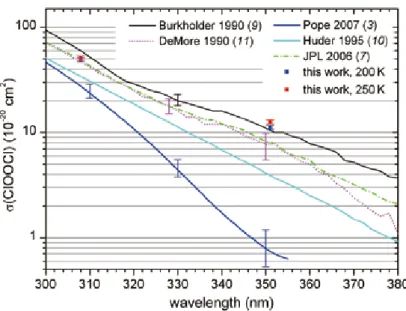
UV Absorption Cross Sections of ClOOCl Are
Consistent with Ozone Degradation Models
Hsueh-Ying Chen, Chien-Yu Lien, Wei-Yen Lin, Yuan T. Lee, and Jim J. Lin
CH Stretching Excitation in the Early Barrier
F+CHD
3Reaction Inhibits CH Bond Cleavage
Weiqing Zhang, Hiroshi Kawamata, and Kopin Liu
Three-dimensional Characterization of Active
Membrane Waves on Living Cells
Chien-Hong Chen, Feng-Ching Tsai, Chun-Chieh Wang, and Chau-Hwang Lee
Temperature Dependence of Global Precipitation
Extremes
Shaw Chen Liu, Congbin Fu, Chein-Jung Shiu, Jen-Ping Chen, and Futing Wu
Mapping RNA Exit Channel on Transcribing RNA
Polymerase II by FRET Analysis
Chin-Yu Chen, Chia-Chi Chang, Chi-Fu Yen, Michael T.-K. Chiu, and Wei-Hau Chang
Division of Life Sciences
CHL1 Functions as a Nitrate Sensor in Plants
Cheng-Hsun Ho, Shan-Hua Lin, Heng-Cheng Hu, and Yi-Fang Tsay,CPAP Is a Cell-cycle Regulated Protein that Controls
Centriole Length
Chieh-Ju C. Tang, Ru-Huei Fu, Kuo-Sheng Wu, Wen-Bin Hsu, and Tang K. Tang
Deltex1 Is a Target of the Transcription Factor NFAT
that Promotes T Cell Anergy
Huey-Wen Hsiao, Wen-Hsien Liu, Chen-Jhe Wang, Yu-Hsun Lo, Yung-Hsuan Wu, Si-Tse Jiang, and Ming-Zong Lai
Ligand-activated Peroxisome Proliferator-activated
Receptor-gamma (PPAR-γ) Protects against Ischemic
Cerebral Infarction and Neuronal Apoptosis by
14-3-3ε Upregulation
Jui-Sheng Wu, Wai-Mui Cheung, Yau-Sheng Tsai, Yi-Tong Chen, Wen-Hsuan Fong, Hsin-Da Tsai, Yu-Chang Chen, Jun-Yang Liou, Song-Kun Shyue, Jin-Jer Chen, Y. Eugene Chen, Nobuyo Maeda, Kenneth K. Wu, and Teng-Nan Lin
72
76
78
80
82
84
86
88
90
92
ACADEMIA SINICA
94
96
98
100
102
104
106
108
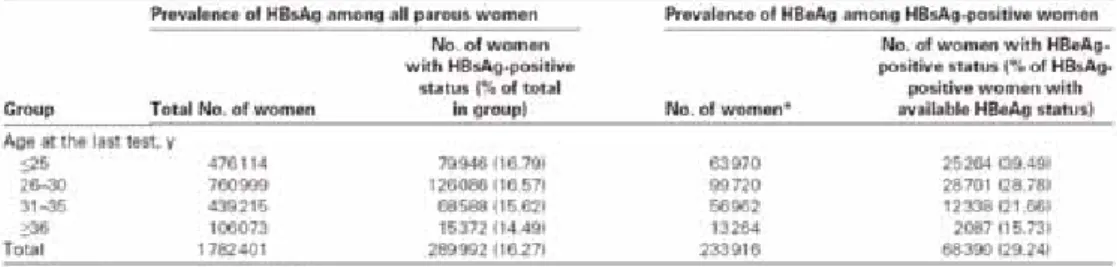
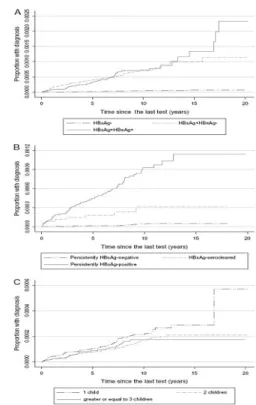
Hepatitis B Virus Infection and Hepatocellular Carcinoma Among
Parous Taiwanese Women: Nationwide Cohort Study
Chyng-Wen Fwu, Yin-Chu Chien, Gregory D. Kirk, Kenrad E. Nelson, San-Lin You, Hsu-Sung Kuo, Manning Feinleib, and Chien-Jen Chen
Division of Humanities and Social Sciences
The Nomad's Choice: The First Encounter Between Northern
Nomads and Imperial China
Ming-Ke Wang
Mental Disorder of the Tao Aboriginal Minority in Taiwan:
Modernity, Social Change, and the Origin of Social Suffering
Yu-Yueh Tsai
The World of Medicine in Chinese History
Jianmin LiPrescribing Colonization: The Role of Medical Practice and Policy in
Japan-Ruled Taiwan (1895-1945)
Michael Shiyung Liu
Taiwan in Japan’s Empire-Building: An Institutional Approach to
Colonial Engineering
Hui-yu Caroline Ts’ai
Venturing into “Barbarous” Regions: Trans-border Trade Among
Migrant Yunnanese Between Thailand and Burma, 1960s–1980s
Wen-Chin ChangThe Poet-historian Qian Qianyi
Lawrence C. H. Yim
Abstracts of Other Significant Publications
Campus of Academia Sinica
110
Yuan-Pei Tsai
(April 1928–March 1940)Chia-Hua Chu
(Sept. 1940–Oct. 1957)Shih Hu
(Dec. 1957–Feb. 1962)Shih-Chieh Wang
(May 1962–April 1970)History and Mission
Academia Sinica, the most preeminent academic institution in the Republic of China, was founded in 1928 to
promote and undertake scholarly research in the sciences and humanities. After the government moved to Taiwan
in 1949, Academia Sinica was re-established on its current premises in Taipei. The growth of Academia Sinica
during this transitional period was initially slow due to political instability and meager budgets.
Thanks to the strenuous efforts of the past presidents, especially former President Yuan-Tseh Lee, Academia
Sinica overcame many difficulties to reach its present success. It is now a modern research institution with
a worldwide reputation and a proud tradition. Under the leadership of current President Chi-Huey Wong,
Academia Sinica is making further progress in improving research facilities and output. Many of the
twenty-four research institutes and seven research centers are now headed by world-renowned scholars and staffed by
highly trained, motivated, and creative young investigators. Major strides have also been made toward raising the
standards of academic research, and Academia Sinica is presently positioning itself to move its research activities
to the international level. Aside from placing greater emphasis on opening up new areas of intellectual endeavor,
Academia Sinica is also taking a leading role in launching new initiatives in applied research to meet a broad
spectrum of social needs in Taiwan.
In order to fulfill these goals, Academia Sinica has adopted various measures to promote the internal integration
of research activities in the three research disciplines of mathematics and physical sciences, life sciences, and
humanities and social sciences; to improve the planning, implementation, and evaluation of long-term projects
in order to enhance the impact of the research activities; to harness basic research results for applications and
technology transfer; to engage the entire academic and research community in Taiwan in a modern and
forward-looking collective academic vision; to cultivate an intellectual environment that is conducive to the nurturing of
young scholars and the recognition of outstanding scholarship in Taiwan; and to promote international cooperation
and scholarly exchanges that will accelerate the overall development of academic research in Academia Sinica and
the Republic of China.
Past Presidents
ACADEMIA SINICA
Organization
The current President of Academia Sinica is Dr. Chi-Huey Wong, and
the Vice Presidents are Dr. Chao-Han Liu, Dr. Andrew H.-J. Wang, and
Dr. Fan-Sen Wang.
Convocation of Academicians
The Convocation of Academicians, consisting of all the academicians
of Academia Sinica with the president serving as chairman, is held once
every two years to elect new academicians with outstanding academic
achievements.
As of January 2010, there are 241 academicians – 83 reside in Taiwan,
147 abroad, and 11 in mainland China. Academicians are grouped into
three divisions according to their expertise: Mathematics and Physical
Sciences (101), Life Sciences (81), and Humanities and Social Sciences
(59).
The title of academician in Academia Sinica denotes an honorary
position (with no remuneration). The duties of the academicians are as
follows:
1. To elect academicians and honorary academicians.
2. To elect members to the Council of Academia Sinica.
3. To make policies on academic research.
4. To plan and carry out research at the government's request.
Academic Advisory Committees for the Institutes (Preparatory Offices) and
Research Centers Institutes (Preparatory Offices) and
Research Centers President
Vice
Presidents Central Academic
Advisory Committee Convocation of Academicians Council of Academia Sinica General Assembly Central Office of Administration
ACADEMIA SINCA
Shih-liang Chien
(May 1970–Sept. 1983)Ta-You Wu
(Oct. 1983–Jan. 1994)Yuan-Tseh Lee
(Jan. 1994–Oct. 2006)Chi-Huey Wong
(Oct. 2006–Present)Council of Academia Sinica
The Council of Academia Sinica is a decision making body of 68 members, consisting of 32 ex officio members (the
president, vice presidents, and directors of the institutes) and 36 members elected for three-year terms, as of January
2010. Of all the members, 24 members are from the Division of Mathematics and Physical Sciences, 21 members from
the Division of Life Sciences, and 23 members from the Division of Humanities and Social Sciences. The council’s
functions are as follows:
1. To establish and review research policies.
2. To evaluate proposals concerning changes to the institutes and research projects.
3. To promote domestic and international academic cooperation.
4. To make plans for academic development when requested by the government.
5. To elect the candidates for the presidency of Academia Sinica when the presidency is vacated.
6. To formulate rules as authorized by the by-laws of Academia Sinica.
Central Academic Advisory Committee
The Central Academic Advisory Committee was set up on August 1, 1991. It is composed of the chairpersons of
the advisory committees of individual institutes and six to nine distinguished scholars nominated by the president of
Academia Sinica.
Dr. Andrew H.-J. Wang, Vice President of Academia Sinica, serves as the chairperson of the committee. The other
two Vice Presidents, Dr. Chao-Han Lin and Dr. Fan-Sen Wang, serve as its vice chairpersons.
Dr. Ting-Kuo Lee of the Institute of Physics currently serves as the executive secretary of the committee, and is
assisted by three vice executive secretaries – Dr. Y. Henry Sun of the Institute of Molecular Biology, Dr. Wan-Wen Chu
of the Research Center for Humanities and Social Sciences, and Dr. Sue Lin-Chao of the Institute of Molecular Biology.
The committee fulfills its mission through:
1. Gathering the latest research information relevant to the academic development of Academia Sinica.
2. Undertaking in-depth review of research programs of institutes so as to promote research advancement at Academia Sinica.
3. Establishing standard academic review procedures, and assisting individual institutes with their recruitments,
promotions, and reappointments of research fellows.
4. Promoting international academic cooperation and exchange.
5. Planning and implementing academic assignments as instructed by the president of Academia Sinica.
ACADEMIA SINICA
Institutes (Preparatory Offices) and Research Centers
At present, there are twenty-four institutes (including preparatory offices) and seven research centers in Academia
Sinica under three divisions: The Division of Mathematics and Physical Sciences, Division of Life Sciences, and
Division of Humanities and Social Sciences. Academia Sinica's annual budget is about NT$11.8 billion.
Research Fellows and Research Specialists
As of December 2009, there are 961 research fellows and research specialists in Academia Sinica, including 68
distinguished research fellows, 318 research fellows, 222 associate research fellows, 182 assistant research fellows, 76
research assistants, 8 assistants, 13 research specialists, 22 associate research specialists, 50 assistant research specialists,
and 2 research technicians.
Division of Mathematics and Physical Sciences
1. Institute of Mathematics 2. Institute of Physics 3. Institute of Chemistry 4. Institute of Earth Sciences 5. Institute of Information Science 6. Institute of Statistical Science
7. Institute of Atomic and Molecular Sciences 8. Institute of Astronomy and Astrophysics 9. Research Center for Applied Sciences 10. Research Center for Environmental Changes 11. Research Center for Information Technology
Innovation
Division of Life Sciences
1. Institute of Plant and Microbial Biology 2. Institute of Cellular and Organismic Biology 3. Institute of Biological Chemistry
4. Institute of Biomedical Sciences 5. Institute of Molecular Biology
6. Agricultural Biotechnology Research Center 7. Genomics Research Center
8. Biodiversity Research Center
Division of Humanities and Social Sciences
1. Institute of History and Philology 2. Institute of Ethnology
3. Institute of Modern History 4. Institute of Economics
5. Institute of European and American Studies 6. Institute of Sociology
7. Institute of Chinese Literature and Philosophy 8. Institute of Taiwan History
9. Institute of Linguistics
10. Institute of Political Science (Preparatory Office)
11. Institutum Iurisprudentiae (Preparatory Office)
12. Research Center for Humanities and Social Sciences
ACADEMIA SINCA
ACADEMIA SINICA
Institutes (Preparatory Offices),
Research Centers,
ACADEMIA SINICA
ACADEMIA SINICA
Significant Research Achievements
Important research results from the past two years include:
1. Quantitative Analysis of the Boltzmann Equation
For the Boltzmann equation of kinetic theory, exact quantitative studies were conducted of the boundary layers. Of particular interest is the analysis of the rich bifurcation phenomena for the transonic condensation/bifurcation.
2. Heisenberg geometry and spherical CR manifolds
a. We deduced an ODE of p-area along the characteristic curves on a C1 surface in the Heisenberg group and used it to study the behavior of the singular set.
b. We proved the uniformability of spherical CR manifolds for either dimension≧7 or dimension=5 with an integrability condition on the Green’s function.
3. Connections between symmetry and super-symmetry
We proved that the general linear Lie algebras and the general linear Lie superalgebras share certain common important representation-theoretical invariants, called Kazhdan-Lusztig polynomials. Subsequently related results for infinite-dimensional Lie superalgebras were established.
↑ Mathmedia and Bulletin, the official publications of the
Institute of Mathematics.
↑ Poster for "2009 Spring School &
Workshop on Kinetic Theory." ↑ Poster for "2009 Workshop on
Complex Geometry." ↑ Poster for "2009 Fourth Trilateral Meeting on Analysis and Applications
Australia-Italy-Taiwan."
Research Projects
The Institute of Mathematics has 26 research staff specializing in the most important areas of mathematics. Recent research projects cover the following areas:
Applied Mathematics and Analysis: Non-linear partial differential equations,
kinetic theory, geometric analysis, dynamical systems
Geometry and Mathematical physics: Complex geometry, knot theory,
integrable systems
Combinatorial Mathematics and Applications: Graph theory, combinatorial
model theory, finite group theory and applications
Computing Mathematics
Probability Theory and Applications: Stochastic analysis, financial
mathematics
Number Theory and Algebra: Arithmetic geometry, diophantine problem,
commutative algebra, representation theory
Institute of Mathematics
Foreword
The Institute of Mathematics was founded in 1947, though initial planning for its operation in China had already begun in 1941. It was eventually relocated to Taiwan in 1949. Despite the difficulties faced during its initial years, it managed to train talented young scholars and was the focal point of research for several areas of mathematics in Taiwan. The institute began major expansion the late ’70s and early ’80s as resources and funding increased. It currently has twenty-six research staff in a diverse range of fields including: Applied Mathematics and analysis, geometry and mathematical physics, combinatorial mathematics and applications, probability theory and applications, and number theory and algebra.
In recent years, the institute has actively promoted the coordination of mathematical research while also nurturing the next generation of mathematicians in Taiwan. These efforts include the provision of a number of postdoctoral and research assistant positions, six-week summer research projects for undergraduate students and offering a core curriculum for graduate study. In addition, the institute has invested its resources into sponsoring international conferences and hosting academic exchanges.
ACADEMIA SINICA
ACADEMIA SINICA
Division of Mathematics and Physical Sciences
Institute of Physics
Research Projects
1. Theoretical and experimental nuclear physics 2. LHC (Large Hadron Collider) experiment in
CERN
3. HEP World-wide LHC Computing Grid 4. CDF experiment in Fermi Lab
5. Neutrino physics
6. AMS experiment in the space shuttle 7. Particle phenomenology in B physics 8. Astro-particle physics and cosmology
9. Development of state-of-the-art research tools for nanoscience
10. Study on transport and thermoelectric properties in nanostructured materials
11. Manipulation and control of single atoms and single molecules
12. Theoretical modeling and simulations of nano-systems
13. Hydrodynamics and atmospheric physics 14. Physics of granular gas, granular flow and
granular chain
15. Statistical and computational physics approach to complex systems
16. Biology-inspired physics
17. Macroporous 3D ordered structures for tissue engineering scaffolds
18. Single molecule studies of highly confined biological macromolecules
19. Dynamics of biological macromolecules and complex fluids
Long Term Research Areas
1. Nanoscience 2. Complex systems
3. Medium and high energy physics
Significant Research Achievements
In the past two years, the Institute of Physics has made important break- throughs in several areas including:
1. Precision measurement of the neutrino anomalous magnetic moment—the world’s best limit at the lowest threshold.
2. Explained the density perturbation in the inflationary universe. 3. Resolved the B-CP puzzles in QCD factorization.
4. Studied the mechanism of nonperturbative interactions between photon and quarks at few GeV.
5. The only Asia Tier-1 Centre in WLCG—ASGC is participating in the WLCG to build the biggest production Grid system in the world.
6. Observed that the energies of the empty quantum well states in Pb islands grown on Cu (111) surface are affected by the image potential.
7. Observed that the work function of the thin film can be precisely measured with high order Gundlach oscillation in scanning tunneling spectroscopy. 8. Development of high speed high resolution phase contrast X-ray
microscopy and microradiology—achieved a world record resolution of 30nm with 8 keV photon.
9. Development of state-of-the-art nanoelectronic and nanofluidic devices— achieved sub-10nm features in size and channel height, respectively.
10. Studied novel physical properties of heavy fermion nanoparticles.
11. Fabricated nanoparticles, nanosphere lithography and inert gas condensation.
12. Development of the guiding algorithm for 3D x-ray diffraction microscopy of nanostructures—achieved a world record resolution of 17nm.
13. Development of the technique and setup for thermodynamic measurements for single nanowires.
14. Understood the mechanism of the stretching of DNA by the viscoelastic properties of the flow field.
15. Used replicators in a fine-grained environment to establish a theory of polymorphism.
16. By means of particle-based simulations, we obtained the phase diagram that separates the occurrence of marching, rotating and swamping state of flocking.
17. Chondrocytes were successfully cultured in the 3D ordered foam for more than a month.
Foreword
The Institute of Physics was founded in Shanghai in 1928 and was reestablished in Taiwan in 1962. The physics building was named the Ta-You Hall in 2000 to commemorate its first director, Dr. Ta-You Wu, who passed away on March 4th of that year.
The logo for the Institute of Physics was created in 2003. The letters I.O.P display the additive primary colors blue, green, and red. Also shown are G, ε, h, k, the 4 fundamental constants which represent classical mechanics, electromagnetism, quantum mechanics, and statistical mechanics. At present, the Institute of Physics has 43 principle investigators. Currently the research activities cover three major areas: nanosciences, complex systems, and medium and high energy physics.
← We invented a simple, inexpensive and fast microfluidic method to fabricate
three-dimensional ordered macroporous gel and use it as tissue engineering scaffolds. The microfluidic device consists of two concentric micropipettes where one is nested inside the other. Nitrogen gas and aqueous alginate solution with Pluronic F127 are pumped through the inner and the outer channel respectively. The bubble flow exhibits interesting dynamic patterns at different flow rates and gas pressures. Under appropriate conditions, bubbles of a uniform size are generated within the device at few thousand Hz. Monodispersed bubbles are collected and self-assembled into crystal structures as wet foam. The alginate solution between bubbles is cross-linked by divalent calcium ions and turns into 3D ordered macroporous gel where the pores are highly interconnected. Chondrocytes were successfully cultured in the 3D ordered foam for more than a month. (a) and (b), Flow patterns at different air pressures and liquid flow rates. (c) 3D confocal image of scaffold. (d) Chondrocytes cultured on the 3D scaffolds. (a) (b) (c) (d)
ACADEMIA SINICA
ACADEMIA SINICA
↑ The RNA exit channel on RNA
polymerase II was located.
↑ Nitrite reduction reaction mechanism
was established by N-confused porphyrin iron complex on nitrite reductase.
Significant Research Achievements
In 2009, the institute published more than 110 research papers in more than 50 internationally renowned journals, including
Angew. Chem. Int. Ed., Pro. Natl. Acad. Sci. U. S. A., J. Am. Chem. Soc., etc.
1. Electrical bistability was observed in field-effect transistors based on pentacene embedding Au nanoparticles, with the memory window and retention ability depending on the size and the surface modification of the Au-NPs.
2. Non-metal containing organic dyes for high-performance dye-sensitized solar cells.
3. For the first time, high efficiency and brightness blue fluorescent Alq3 derivatives were successfully developed in the application for
organic light-emitting diodes.
4. Self-assembled luminescent organogels with tunable fluorescence and liquid crystalline properties.
5. Molecules with exceedingly small internal reorganization energies for charge transport can be realized with the design strategy of strong nonbonding character in frontier molecular orbitals. 6. Innovative development of self-assembled arrays of discrete
single-walled metal−organic nanotubes.
7. A facile process involving flaking the anodic TiO2
-nanotube-array (TiNT) film off the Ti-metal substrate to obtain open-ended TiNT films that exhibit high energy conversion efficiency in both photoelectrocatalytic water splitting and dye-sensitized solar cells. 8. A new type of competitive human GST inhibitors has been
developed; we report their discovery and synergetic effect upon chemotherapy drugs against breast cancer cells.
9. The RNA exit channel on RNA polymerase II was located by FRET analysis and the results are summarized by a model of RNA polymerase II.
10. Nitrite reduction on N-confused porphyrin iron complex provides supporting evidence for the reaction mechanism on nitrite reductase and establishes a new metalloporphyrin-based nitric oxide reaction cycle.
Institute of Chemistry
Foreword
The Institute of Chemistry was established in 1928 in Shanghai, China. During the next two decades, despite difficulties encountered due to World War II, the institute managed to grow and contribute to chemistry research in China. In 1957, the Institute was reestablished in Nankang, Taiwan. The institute has expanded and evolved into a modern research center over the past 50 years. In the past decade, research efforts have focused on materials chemistry, chemical biology, and catalysis. Presently, the institute occupies 8000 m2 and has 26 research laboratories and a total work force of 190, plus about 150 graduate students
from various universities.
Research Projects
The Institute of Chemistry strives to play a major role in cutting-edge research in the 21st century. The current research areas
cover important topics in chemistry with particular emphasis on materials chemistry and nanoscience/technology, chemical biology, and synthetic chemistry and catalysis. More specific topics include: Small molecule-biomacromolecule interactions, protein structure, biocatalysis, solar cells, OLED, OFET, surface chemistry, self-assembly, molecular electronics and machines, heterogeneous and homogeneous catalysis, organic catalysis and synthetic applications, etc.
↑ Electrical bistability was observed in field-effect transistors based on pentacene
embedding Au nanoparticles.
↑ A facile process involving flaking the anodic TiO2-nanotube-array (TiNT) film
off the Ti-metal substrate to obtain open-ended TiNT films. ↑ Non-metal containing organic dyes for high-performance
dye-sensitized solar cells.
ACADEMIA SINICA
ACADEMIA SINICA
Division of Mathematics and Physical Sciences
Institute of Earth Sciences
Research Projects
Study of the structure, dynamics and constitution of the earth’s interior, phase transformation of minerals in high pressure conditions, origin of earthquakes, early history of the solar system, genesis and evolution of the continental crust, petrogenesis of magmatic rocks, paleo-environmental change in Asia, hydrology and neotectonics of Taiwan, etc.
Significant Research Achievements
Reconstruction of two-dimensional surface ground motions of the Chi-Chi earthquake. Documentation of the finite fault rupture sequences of the Chi-Chi mainshock and its large aftershocks. Study of co-, post- and inter-seismic slip distributions of the Chi-Chi earthquake. Proposition of a two-body dynamic model with viscous stresses to study earthquake rupture. Evaluation of the magnitudes of potential earthquakes rupturing along the Shangiao fault in the Taipei metropolitan area. Development of the algorithm for computing the sensitivity kernels of seismic waveform phase and amplitude anomalies to the earth’s Q structure. Numerical modeling of three-dimensional wave propagation in the Taipei basin. Development of broadband ocean bottom seismometers. Seismic monitoring at the Tatun volcanic area. Discovery of the youngest volcanic eruption (~5.5 Ka) of the Tatun volcano. Derivation of a high spatial resolution structural and geomorphic map of the Hsincheng active fault region on the basis of field observations and LiDAR DEM analyses. Studying fault behaviors and seismotectonics in the longitudinal valley. Study of the characteristics of the summer and winter monsoon system in Taiwan and its vicinity and their impact on the paleo-climate and paleo-environmental changes in Taiwan. Established a very comprehensive database on fallout radionuclides in modern marine sediments around Taiwan. Examined the relationship between climate and hydrology in Taiwan in the last century. Studied the tectonic evolution of the Tananao metamorphic basement of Taiwan. Application of Ca isotope study of foraminifera to understanding paleoclimatic change. Extended the coral-based C14 age calibration curve to 50,000 years. Confirmation of significant crustal growth in the Phanerozoic era through studies of accretionary orogens. Discovery of Archean rocks in Vietnam. Studied the evolution of the continental lithosphere by analysis of Re-Os isotopes of mantle xenoliths in the Cenozoic basalt of the Central Asian Orogenic Belt. Analyzed the elastic properties and structure of aluminosilicate supercooled melts. Unraveled the early history of the solar system.
Foreword
The principal mission of the Institute of Earth Sciences (IES) is two-fold: To promote fundamental research to enhance our knowledge of the earth and to apply the acquired knowledge to mitigation of loss by natural disasters and better management of natural resources. Taiwan is situated on a plate boundary, so it is tectonically highly active and prone to natural disasters. IES re-searchers are actively engaged in numerous relevant research programs.
↑ Dilatation and principal strain rates derived from GPS (Global Positioning System) velocities. The color scale indicates dilatation rate in μstrian/yr. Black (contraction) and grey (extension) vectors denote the two principal strain-rate axes. Major faults are indicated as green lines. The star denotes the epicenter of 1999 Chi-Chi earthquake.
↑ PGV (Peak Ground Velocity) amplification depending on source depth: (a) 15 km, (b) 40
km, and (c) 2 km. The lower map shows the distribution of PGV amplification in northern Taiwan. The upper diagrams show the topography, basin structure, and relative change in PGV along Profile A-A'.
ACADEMIA SINICA
ACADEMIA SINICA
↑ Gapped motifs. The GAL4 motif contains CGG and CCG at two flanking
regions respectively, but the in-between positions are degenerate.
↑The flow chart of the proposed method.
↑ An illustration of a wireless backhaul
network. ↑Throughput of TAPs.
Research Projects
The mission of the IIS is to conduct fundamental but high quality research in the area of information science, and to develop advanced, application-driven systems that utilize and enhance cutting-edge technologies. Our research focuses on eight main categories that include bioinformatics, computer systems, information processing and discovery, multimedia technologies, natural language and knowledge processing, network systems and services, programming languages and formal methods, and theory and algorithm.
Institute of Information Science
Significant Research Achievements
1. BIOSMILE Web Search: Biomedical literature is accumulating
so rapidly that it has become impossible to keep track of important biological findings manually. To cope with this problem, we designed BIOSMILE web search (BWS), a web-based NCBI-PubMed search application, which can analyze and extract important semantic relations from sentences of biomedical abstracts, such as subject, object, negation, extent, location, manner, and time. After receiving keyword queries, BWS retrieves matched PubMed abstracts and lists them along with snippets by the order of relevancy to protein–protein interaction (PPI). Users can then select articles for further analysis, and the BWS will annotate biomedical relations in the selected text. The analyzed results can be viewed directly in text form or in a summary table. To date, the BWS has been tested by many biologists in several countries to measure user satisfaction, usefulness, practicability, and ease of use. Overall, our users are highly satisfied with BWS’s capabilities and ease of use.
2. An Incentive-based Fairness Mechanism for Multi-hop Wireless Backhaul Networks with Selfish Nodes: In this
paper, we examined the fairness problem from the game-theoretical perspective and proposed a monetary incentive mechanism to achieve fair resource sharing for wireless backhaul networks in the presence of selfish TAPs. The goal of a typical game theoretical design is to combine the preference of each player into the outcome which satisfies the “social choice”: The desired outcome is that each player can optimize his/her profit according to the rules of the game. We proved that our mechanism is correct and truthful, and evaluated the performance of our mechanism via ns-2 simulations. To the best of our knowledge, this is the first work which achieves fair resource sharing and acts truthfully for wireless backhaul networks in the presence of selfish TAPs.
3. Discovering Gapped Binding Sites of Yeast Transcription Factors: The transcription of genes is mainly controlled by
interaction between transcription factors (TFs) and their recognized binding sites (TFBSs). Transcription factors regulate gene expression by binding to specific cis-regulatory elements (TFBSs) in gene promoters that direct the initiation of transcription and expression rate. To identify and characterize the binding sites of a TF is a challenging issue since TFBSs are usually short and degenerate. A gapped transcription factor binding site (TFBS) contains one or more highly degenerate positions. Discovering gapped motifs is difficult, because allowing highly degenerate positions in a motif greatly enlarges the search space and complicates the discovery process. Therefore, we proposed a new method for discovering TFBSs, especially gapped motifs.
Foreword
The Institute of Information Science (IIS) was formally established in September 1982 after a five-year preparation period, and is one of the ten institutes and research centers within the Division of Mathematics and Physical Sciences. The IIS presently has 37 full-time research fellows, 29 postdoctoral research fellows and over 300 full-time information technology specialists and part-time research assistants supporting research and development of information science and engineering. These are exciting and challenging times for IT research and the IT industry in Taiwan. Many emerging technologies and opportunities are on the horizon. The IIS, in working with the newly established CITI, looks forward to making concerted efforts in leading the fundamental and practical research in this important field. All members of the IIS prescribe to the motto, “Every job is a self-portrait of those who did it; autograph your work with quality,” emphasizing excellence and synergistic teamwork effort.
ACADEMIA SINICA
ACADEMIA SINICA
Division of Mathematics and Physical Sciences
Institute of Statistical Science
Research Projects
The Institute of Statistical Science conducts fundamental research related to statistics and probability. The Institute currently has 38 research fellows, 14 postdoctoral fellows, and approximately 62 research assistants. Major research areas include probability and its applications, mathematical statistics, biostatistics, bioinformatics and genetics, functional brain images, educational and behavioral statistics, mathematical finance, time series, spatial and environmental statistics, experimental designs, statistical machine learning, and generalized association plots (GAP).
Significant Research Achievements
In the past 3 years, researchers of the institute have published some 161 articles in SCI journals. In addition, 174 other articles and monographs have been published. The international journal Statistica Sinica published by the institute has become one of the major statistical journals in the world.
↑ Novel invasion-associated genes from the nine lung cancer
cell lines in the NCI-60 panel are identified and the invasion-associated four-gene signature (ANKRD49, LPHN1, RABAC1, and EGLN2) had good survival prediction power for NSCLC patients.
Foreword
In July 1980, during the 14th Convocation of Academicians of Academia Sinica, a group of twenty-one academicians, including Professors Yuan-Shih Chow, George C. Tiao and Ching Chun Li, drafted a resolution calling for the establishment of an Institute of Statistics. On July 1, 1982, the Preparatory Office was founded with Dr. Min-Te Chao as the director. Five years later, on August 3, 1987, the Institute of Statistical Science was officially established and Dr. Chao served as the founding director from 1987 to 1993. The successive directors were Dr. Ching-Zong Wei (August 1993-August 1999), Dr. Chen-Hsin Chen (August 1999- December 2002) and Dr. Ching-Shui Cheng (January 2003-December 2005). Since January 2006, Dr. Gwo Dong Lin served as acting director from January to June 2006. Dr. Ker-Chau Li has assumed the directorship since July 2006.
↑ Statistica Sinica
↑ EMSICA (electromagnetic spatiotemporal independent component
analysis) decomposition finds a matrix of cortical maps using leadfield parameters that give their projections to the scalp sensors using a biophysical model. Thus, EMSICA separates EEG features into activities of fixed cortical maps rather than as activities of fixed scalp maps.
ACADEMIA SINICA
ACADEMIA SINICA
Institute of Atomic and Molecular Sciences
Significant Research Achievements
The IAMS has made significant progress in the following areas during the last few years. It has:
1. Probed a reactive resonance in the Cl+CHD3 reaction by using
cross-molecular beam and ion imaging techniques.
2. Fabricated anodic alumina films with custom-designed arrays of nanochannels by using focused-ion-beam lithographic techniques. 3. Fabricated nanomaterials for energy applications in fuel cells and solar
cells.
4. Fabricated bright fluorescent nanodiamonds (FND) in large quantities by irradiating synthetic diamond with helium ions and proved FND is an ideal probe for long-term tracking and imaging in vivo with good temporal and spatial resolution.
5. Used an existing fluorescent dye that binds to the G-quadruplex structure of human telomeric structure, a common feature of several different cancers, to develop and manufacture a microarray for detecting cancerous cells.
6. Precisely measured the photodissociation cross sections of ClOOCl by used the molecule-beam technique to clarify ozone degradation models. 7. Used the crossed-molecule beam technique to discover that exciting the
C-H stretching mode in the reaction F+CHD3 leads to unexpected slow
down of the reaction DF+CHD2.
Research Projects
The Institute of Atomic and Molecular Sciences (IAMS) was established as an advanced institution for fundamental research related to the atomic and molecular sciences. The ultimate goal is to improve our understanding of the chemical and physical principles relevant to the development of the applied sciences, such as biophysical analysis, material science, energy research, and laser technology. At present, there are thirty-seven principal investigators (including 9 adjunct principle investigators) in four research groups: (1) Chemical Dynamics and Spectroscopy, (2) Advanced Materials and Surface Science, (3) Biophysics and Bio-analytical Technology, and (4) Atomic Physics and Optical Science.
↑ (Left) Reaction path energetics for reactant CHD3 initially in the ν = 0 (black arrow) and ν 1 = 1 (red)
vibrational states. (Right) Two normalized REMPI spectra of the probed CHD2 products, with IR-on
(red) and IR-off (black), at Ec = 3.6 kcal/mol. Published in Science 325: 303-306, 2009.
↑ The color indicates the ozone concentration and the
Antarctic ozone hole; the chemical processes represent the ClOOCl catalytic cycle which contributes most to ozone hole formation. The precise measurement of UV absorption cross sections of ClOOCl consistent with ozone degradation models was published in Science 324: 781-784, 2009.
Foreword
In July 1982 during the 15th Convocation of Academia Sinica, fifteen academicians led by Dr. Y. T. Lee recommended that an Institute of Atomic and Molecular Sciences be founded. After the proposal was approved, a preparatory office was inaugurated on September 23, 1982 to lay the foundation for the new institute. An advisory board, headed by Dr. Y. T. Lee, was organized to provide guidance for its future development. On December 11, 1982 Dr. C. T. Chang was appointed director of the Preparatory Office. Later, in July 1993, Dr. S. H. Lin replaced him as director of the Preparatory Office. In April 1995 the institute was formally established and Dr. S. H. Lin became the first director. In October of 2001, Dr. K. Liu took the helm. Since October 2004, Dr. Y. L. Wang has assumed the directorship.
ACADEMIA SINICA
ACADEMIA SINICA
Division of Mathematics and Physical Sciences
↑ The four 12-meter diameter antennas built by
ALMA-↑ AMiBA has been upgraded to its new 13-element 1.2m
reflector configuration in 2009, and resumed operations on Mauna Loa in Hawaii. (Photo by Chia-You Shih)
Institute of Astronomy and Astrophysics
Significant Research Achievements
1. The Submillimeter Array (SMA)The SMA project has been carried out by the ASIAA in collaboration with the Smithsonian Astrophysical Observatory since 1996. It consists of eight 6-meter radio telescopes, with two of them delivered by the ASIAA in collaboration with universities and industries in Taiwan. Dedicated in November 2003, the SMA is the first submillimeter array in the world. As of November 2009, some 220 papers have been published, 100 of which have Taiwanese co-authors.
2. The Taiwan-America Occultation Survey (TAOS)
The TAOS is a system of four 0.5-meter optical telescopes located on Lulin Mountain in Taiwan. It is a joint project between the ASIAA, National Central University, the Harvard-Smithsonian Center for Astrophysics, and Yonsei University. The four telescopes automatically monitor 1,000 stars every clear night to search for Trans-Neptunian objects (TNOs) through stellar occultations. By studying the TNOs, we can better understand the early history of our solar system.
3. The Yuan Tseh Lee Array for Microwave Background Anisotropy (AMiBA)
The AMiBA is a platform-mounted interferometer sited on Mauna Loa in Hawaii to measure the polarization of the cosmic microwave background and to detect clusters of galaxies at high redshift. It is designed, constructed, and operated by the ASIAA, in major collaboration with National Taiwan University. A dedication ceremony of the initial 7-element interferometer was held in October 2006. Science operations have started. An expansion to the 13-element configuration has been completed in 2009.
4. The Optical and Infrared (OIR) Instrumentation Program
To support follow-up observations of high-redshift clusters, the ASIAA negotiated for the observing time on the 3.6-meter Canada-France-Hawaii Telescope (CFHT) from 2003. Financial contribution from the ASIAA is in the form of support for the development of the Wide Field Infrared Camera (WIRCam), which was installed on the CFHT. The ASIAA is now participating in the HyperSuprime Cam (HSC) project on the Subaru Telescope.
5. Theoretical Institute for Advanced Research in Astrophysics (TIARA)
The TIARA was established in 2004 to provide an integrated program of research and education in theoretical astrophysics. The concept of the TIARA was to take advantage of the growing body of observational data gathered by the astronomical community in Taiwan and elsewhere. At the institute, forefront theoretical research is carried out in a cooperative effort with National Tsing Hua University. The TIARA aims to facilitate the efforts of researchers and the training of future theoretical astrophysicists throughout Taiwan and Asia.
6. Atacama Large Millimeter/Submillimeter Array - Taiwan (ALMA-T)
The ALMA is the largest ground-based astronomical telescope to be built. It will consist of up to 80 telescopes operating as an interferometer at millimeter and submillimeter wavelengths. This array is now under construction in the Atacama desert in Chile, scheduled to be completed in 2012. It will be the preeminent instrument for studies of relic radiation from the early universe, and of the formation and evolution of stars, planetary systems, and galaxies. The ALMA has three main partners: North America, Europe, and Japan. Taiwan has been invited to participate both by Japan and ALMA-North America.
↑ The two elements of SMA built by Taiwan.
(Photo by Ming-Tang Chen)
Foreword
The Institute of Astronomy and Astrophysics (ASIAA) was established in 1993, with Frank H. Shu chairing the advisory panel, and with Typhoon Lee as the first director. Succeeding directors were Dr. Chi Yuan, Dr. Kwok-Yung Lo, Dr. Sun Kwok, and Dr. Paul T. P. Ho. The ASIAA currently has about 180 members. Research topics carried out at the ASIAA range from solar system studies to cosmology, with our staff utilizing many of the frontier ground-based and space-borne observing facilities.
886-2-3365 2200 FAX 886-2-2367 7849 http://www.asiaa.sinica.edu.tw
Research Projects
The ASIAA conducts research in all important areas of astronomy and astrophysics with the aim of becoming one of the world’s leading academic research institutions.
ACADEMIA SINICA
ACADEMIA SINICA
Research Center for Applied Sciences
Research Projects
The center pursues fundamental and innovative research with the potential for scientific and engineering applications in collaboration with industries, governmental institutions, and universities. Currently, nanotechnology is the major research area. Subjects of research interest include: bio-sensors and tags, nano-electronic and photonic devices, nanometrology, multiscale mechanics, biomedical mechanics, electronic structure calculations, electron transport, near- and far-filed optics simulation, etc.
Significant Research Achievements
1. The Nano-biotechnology GroupIn nano-biotechnology group, we have developed super-resolution microscopes with lateral resolution superior to 20 nm. By a combination of a microfluidic system and office projector, integrated DNA microarray synthesis and hybridization have been achieved on a microfluidic device. In addition, we have synthesized multi-functional nanoparticles such as quantum dots and Raman probes for live imaging. The three dimensional trajectories of individual nanoparticles inside living cells have been investigated.
2. The Mechanics and Engineering Science Group
A new microarray for dynamical studies of surface biomolecular interactions without fluorescent labeling is proposed. We employed gold nanostructures to excite surface plasmons on the microarray surface and detected the intensity changes in the extraordinary transmission. The calculation and measurement results indicate that the nanoslit array has an intensity sensitivity much higher than the nanohole array due to its narrower resonant bandwidth. In addition, the sensitivity is increased as the slit width decreases. Using the intensity changes, we demonstrate a 10×10 microarray for real-time measurements of antigen-antibody and DNA-DNA interactions.
3. The Optoelectronics and Advanced Materials Group
High Performance Room-Temperature Single-Photon Sources
The most significant achievement of the optoelectronics group this year is the demonstration of blinking suppression of single quantum dots which could be used as high performance single-photon sources. Blinking is very common in single molecule/particle spectroscopy but is a hindrance as biological markers and single photon emitters. By surface plasmonic effects through coupling to silver nanoprisms, we demonstrated blinking suppression, increased fluorescence intensity and enhanced radiative decay rates.
4. The Advanced Computation and Modeling Group
Optical metrology of randomly-distributed Au colloids on a multilayer film. Spectroscopic ellipsometry (SE) measurements combined with efficient theoretical modeling based on finite-element Green's function approach were used to determine the size, shape, and average inter-particle distance of randomly-distributed gold nanoparticles on a glass substrate. The mean particle sizes of Au colloids analyzed cover a range from 20 to 80 nm. A multiple scattering theory for light scattering from randomly distributed particles on a substrate was developed, in which we introduce a “structure factor” in the scattering integral equation. The structure information of the scatterers is determined when our model calculations produce a best fit to
↑ SE measurements and model calculations of Au
nanoparticles samples with nominal sizes of (a) 20 (b)
↑ The centrograde propagation of membrane waves on
moving fibroblasts.
↑ (a) The optical and SEM images of a 10x10 gold nanoslit
microarray. (b) The measured optical transmission images and real-time responses of antigen/antibody interactions.
↑ A single-photon emitter, with sandwiched layers of
dispersed QDs, PMMA polymeric film and silver nanoprisms, showing suppressed blinking (blue trace) and single-photon emission with anti-bunching.
Foreword
The Institute of Applied Science and Engineering was inaugurated in June 1999. In 2003, Academia Sinica passed a by-law for establishing research centers. In February 2004, the institute was renamed as the Research Center for Applied Sciences (RCAS). Currently, the RCAS is an interdisciplinary research center, containing four research groups: Nano-biotechnology, Optoelectronics, Mechanics & Engineering Science, and Advanced Computation & Modeling. The center will continue to hire prominent research fellows, set up core facilities, and carry out interdisciplinary research projects.
886-2-2652 5200, 2789 8000 FAX 886-2-2782 6672, 2782 6680 http://www.rcas.sinica.edu.tw -200 -100 0 100 200 Autocorrelation function Delay time (ns) 0 5 10 15 20 0 100 200 300 400 500 600 Counts/bin Time (s) Incident pulseSingle QDs
Silver nanoprisms Single-photon emission hv 3 6 9 12 15 18 21 65o 60o 55o Ψ 1 2 3 4 5 6 7 8 0 30 60 90 120 150 55o 60o 65o experiment model
Photon energy (eV)
∆ (a) (b) (c) (d) 3 6 9 12 15 18 21 65o 60o 55o Ψ (degree) 1 2 3 4 5 6 7 8 0 30 60 90 120 150 180 55o 60o 65o experiment model
Photon energy (eV)
∆ (degree) 4 8 12 16 65o 60o 55o Ψ (degree) 1 2 3 4 5 6 7 8 9 0 30 60 90 120 150 180 55o 60o 65o experiment model
Photon energy (eV)
∆ (degree) 4 8 12 16 65o 60o 55o Ψ (degree) 1 2 3 4 5 6 7 8 9 0 30 60 90 120 150 55o 60o 65o experiment model
Photon energy (eV)
∆ (degree) (degree) (degree) 4 8 12 16 1 2 3 4 5 6 7 8 9 o o o 4 8 12 16 65o 60o 55o Ψ ( deg ree ) 1 2 3 4 5 6 7 8 9 0 30 60 90 120 150 55o 60o 65o experiment model
Photon energy (eV)
Δ ( deg ree ) 3 6 9 12 15 18 21 65o 60o 55o Ψ ( deg ree ) 1 2 3 4 5 6 7 8 0 30 60 90 120 150 55o 60o 65o experiment model Photon energy (eV)
Δ ( deg ree ) (a) (b) (c) (d) 3 6 9 12 15 18 21 65o 60o 55o Ψ ( deg ree ) 1 2 3 4 5 6 7 8 0 30 60 90 120 150 180 55o 60o 65o experiment model Photon energy (eV)
Δ ( deg ree ) 4 8 12 16 65o 60o 55o Ψ ( deg ree ) 1 2 3 4 5 6 7 8 9 0 30 60 90 120 150 180 55o 60o 65o experiment model Photon energy (eV)
Δ (
deg
ree
)
ACADEMIA SINICA
ACADEMIA SINICA
Division of Mathematics and Physical Sciences
Research Center for Environmental Changes
Research Projects
The major research projects of the RCEC are focused on atmospheric chemistry, air quality, biogeochemical cycles of fresh water systems in Taiwan and surrounding oceans, water resources, and regional climate changes.
Significant Research Achievements
1. Extreme Weather Changes in a Warming GlobeScientists from the Research Center for Environmental Changes have successfully quantified the relation between precipitation extremes and global temperature changes. The top 10% bin of precipitation intensity increases by about 110% for each degree increase in global temperature, while 30%-60% bins decrease by about 20%, about one order of magnitude greater than results from the latest climate models. Global warming has a greater effect on Taiwan, causing more extreme rain falls. The top 10% bin of rain intensity almost doubled in the last 45 years, and will keep increasing with temperature, resulting in more floods. Droughts due to reduced light rain will also increase.
New national strategies for land-use, flood control and water resource management are imperative.
2. Urban Ozone Formation and Ozone Trends in East Asia
An observation constrained 3-dimensional photochemical-transport model should be able to use the measurements at Mauna Loa to “invert-model” the trends of background ozone in Asia. 3-dimensional OBM plots of Ox (O3+NO2) vs. initial VOC and NOx
show that the concentration of O3+NO2 will decrease significantly when VOC is reduced. When NOx is reduced, O3 will increase.
Therefore, we conclude that O3 levels in southern Taiwan are VOC-limited, but more data are needed.
3. Enhanced Burial of Fossil Organics in the Okinawa Trough since the LGM, Implying Humid Climate in Taiwan
Sea level rise and/or cotemporaneous climate change may account for substantial changes in the burial of terrestrial organic carbon in the Okinawa Trough, of which fossil organic matter is an important component. Sedimentary rock erosion from the highlands of Taiwan is the most likely source of the FOC. A wetter climate with higher runoff and bedrock incision on land are inferred for the Holocene. This is the first report of global climate-driven variations in the relative burial rates of fossils and modern organics, thus providing new insight into the carbon biogeochemical cycle over the glacial-interglacial timescale.
↑Changes in rain intensity in Taiwan from 1961 to 2005. ↑ 3-dimensional depiction of the relationship between ozone and its precursors.
Foreword
Since the rapid economic development in the 1970’s, the environment in Taiwan has deteriorated severely. Per unit area emissions of air pollutants now are among the highest countries of the world. Air and water pollutants are health hazards and can adversely affect the entire ecosystem. In addition, air pollutants and land use changes can perturb regional climate significantly. The environmental impacts and scientific questions involved are multi-disciplinary, region-specific and complex. In order to effectively address these questions, Academia Sinica initiated an Environmental Change Research Project hosted by the Institute of Earth Sciences in November 1999. After about four years of development, the Research Center for Environmental Changes (RCEC) was officially established on January 1, 2004.
↑ Enhanced burial of fossil organics in the Okinawa Trough
since the LGM, implying humid climate in Taiwan.
ACADEMIA
Research Center for Information Technology Innovation
Research Projects
The CITI currently has four thematic centers, including (1) Digital Content & Technology Center (2) Grid & Scientific Computing Center(3) Taiwan Information Security Center and (4) Intelligent & Ubiquitous Computing Center.
In addition, the CITI also supports several mission-oriented projects. To meet the demands of the knowledge-based and service-based industries, the CITI aims to promote the innovation and application of information technologies, with emphases on multidisciplinary technology integration and value creation from pioneering technologies.
Significant Research Achievements
1. Thematic Center for Digital Content & TechnologyAs a part of a National Science and Technology Program of the National Science Council, this thematic center has promoted the national digital archives using the newest information technologies. This includes the digitization of valuable collections and exploring the value-added possibilities derived from these collections. This thematic center is involved in the development of digital contents, including various rich collections of fishes, shells, plants, and aboriginal artifacts in Taiwan, as well as Chinese historical artifacts. The research and development of related information technologies, such as standards, the long-term preservation of digital collections and web 2.0 have been the main focus of our efforts.
2. Thematic Center for Grid & Scientific Computing
The concept of grid computing is an extension of the Internet used to share widespread computing power, storage capabilities, and many other resources. Over the past few years, it has gradually gained prominence in academic and research communities. Many fields, such as high energy physics, bio-informatics, and digital archives demand greater storage capacities due to the deluge of data and information
being created. Grid computing has made the on-demand allocation and management of integrated computing resources possible.
3. Thematic Center for Taiwan Information Security
Founded to integrate the resources and expertise in information security scattered among the universities and research institutes in Taiwan, a research program entitled the Taiwan Information Security Center (TWISC), was initiated in April 2005. The TWISC is currently funded by the National Science Council, and reflects an integrated effort to boost research and development activities in information security, promote public awareness and foster partnership in information security among government, academia, and the private sector. Three regional centers have been established in northern, central, and southern Taiwan. Research results include those on cryptology, network security, software security, multimedia security, and information security management.
4. Thematic Center for Intelligent & Ubiquitous Computing
This thematic center was founded in February 2009 to meet the emerging demand for intelligent and ubiquitous computing. As the computing paradigm shifts to cloud, mobile devices tend to be slim and light-weight, and more values are expected from their solution, application, and service. Intelligent and ubiquitous computing has played an increasingly important role as an effective approach to
Foreword
The Research Center for Information Technology Innovation (CITI) at Academia Sinica was founded in February 2007, and started to operate with its committees in September 2009. The CITI was founded to integrate research and development activities in information technologies among various organizations of Academia Sinica, and to promote IT-related multi-disciplinary research. The distinct features of the CITI can be summarized by the word of IMPACT where I means innovative (for technology, process, business model), M means multi-disciplinary (for interdisciplinary research topics), P means pragmatic (for the goals and deliverables), A means adaptive (for evaluation systems), C means choosing (in research areas), and T means teaming (for collaborating with others).
↑ Taiwan e-Learning & Digital Archives Portal http://www.digitalarchives.tw/
↑ Exhibition of Cyber Island, Taiwan http://cyberisland.teldap.tw/
↑ Digital Taiwan – Culture & Nature
http://culture.teldap.tw/culture/
↑ Union Catalog of Digital Archives http://catalog.digitalarchives.tw/dacs5/System/Main.jsp
↑ E-Learning Quality Certification Center http://www.elq.org.tw/en/index.aspx
↑ Learning Object Repository in Taiwan http://www.lort.org.tw/