行政院國家科學委員會專題研究計畫成果報告
* * * * * * * * * * * * * * * * * * * * * * * * *
*
機能性民族風味發酵乳之開發
*
*
Development of national flavor fermented milk with
*
*
physiological functionality
*
* * * * * * * * * * * * * * * * * * * * * * * * *
計畫類別:特約研究員專案計畫
計畫編號:NSC 89-2313-B002-142
執行期間:88 年 8 月 1 日至 91 年 7 月 31 日
計畫主持人:林慶文
處理方式:一年後可對外提供參考
執行單位:台灣大學畜產系
中華民國 90 年 4 月 30 日
Microencapsulation of probiotics and chiu-niang extract in
1
Kou Woan Lao (an oriental style dairy product) by
2 spray-drying 3 4 5 6
Laboratory of Chemistry & Technology of Animal Products, Department
7
of animal science, National Taiwan University, Taipei, Taiwan, ROC
8 9 10 11 12
Key words: probiotics, lao -chao, Kou Woan Lao, microencapsulation
13 spray- drying, 14 15 16 17 18 19 20
*Corresponding author: Prof. Chin- Wen Lin
21
No. 50, Lane 155, Keelung Rd. Sec. 3,
22
Taipei, Taiwan, Republic of China
23
Phone: 886-2-27336312
24
Fax: 886-2-27324070
ABSTRACT
26
This objective was to combine the physiological functionality of
27
probiotics and the unique flavor and milk-clotting activity of culture
28
filtrate from lao-chao for the development of a new dairy product so
29
different from the commercial yogurt. Two probiotic strains,
30
Lactobacillus acidophilus and Bifidobacterium longum were applied to
31
skim milk before acid-curd formation, and then culture filtrates were
32
added for the formation of milk curd. The higher percentage of SNF, the
33
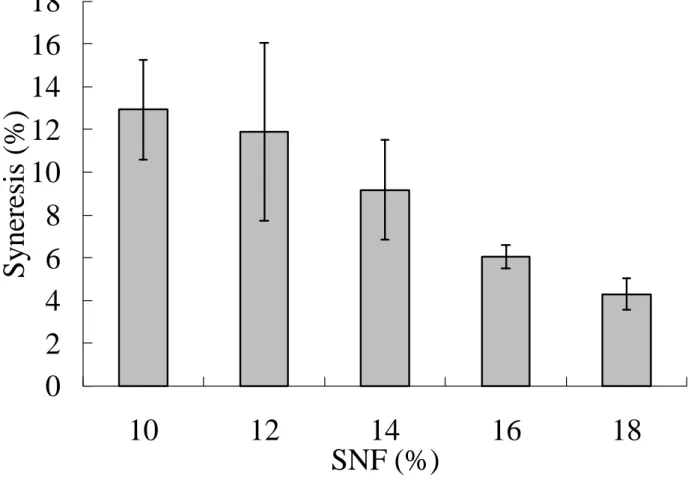
stronger curd firmness (P<0.05). The percentage of syneresis decreases
34
significantly when the level of SNF rising (P<0.05). As the SNF
35
increasing from 10% to 18%, the percentage of syneresis decreases from
36
12.9% to 4.3%. The pH value and probiotic counts of 1% L. acidophilus
37
group did not significantly decrease during 14 days storage at 4 ℃. The
38
counts of probiotics decrease about 1 log CFU/ml after spray-drying
39
process at 50℃ outlet temperature. The final total probiotic counts are
40
about 6.58 log CFU/ml. Regarding resuspension methods, it is found that
41
there are no significant difference of using stomacher or vortex to release
42
probiotics (P>0.05). The counts of probiotics significantly decrease when
43
the outlet temperature getting higher. Therefore, when the spray-drying
44
outlet temperature cools down, the survival percentage of probiotics
increases. In order to increase the probiotic counts of Kou Woan Lao, it is
46
suggested to choose the lower temperature of microencapsulation. In the
47
same time, the product quality and storage period could be effected due to
48
the spray-drying process. It will be a challengeable task to adjust different
49
production procedure in order to meet market needs.
50 51 52 53 54 55 56 57 58 59 60 61 62 63 64
INTRODUCTION
65
The use of Lactobacillus acidophilus and/or Bifidobacterium spp. in
66
fermented or culture-containing dairy products became popular by the
67
end of the 1970s as a result of the increase in knowledge encompassing
68
the properties of bifidobacteria. The nutritional benefits of probiotics
69
have been mostly studied in milk-based products fermented with
70
lactobacilli and bifidobacteria. They are characterized by a lower level of
71
residual lactose and higher levels of free amino acids and certain vitamins
72
than non-fermented milks. Furthermore, they preferentially contain
73
L(+)-lactic acid (that is more easily metabolized by human beings than
74
D(-)-lactic acid) produced by bifidobacteria in addition to acetic acid.
75
Moreover, the L(+)-lactic acid absorbed in the intestine is used as energy
76
source, with an energy yield of 15 kJ/g, that compares well with 16 kJ/g
77
for lactose(Gurr, 1987). During the past years, numerous healthy and
78
nutritional benefits have been claimed including maintenance of normal
79
intestinal microflora, alleviation of lactose intolerance, reduction of
80
serum cholesterol levels, potential antitumor activity, and some
81
therapeutic effects on intestinal disturbances and intestinal infections. The
82
intact intestinal epithelium, together with the normal intestinal microflora
83
represents a barrier to movement of pathogenic bacteria, antigens and
other noxious substances from the gut lumen to the blood. In healthy
85
subjects this barrier is stable, thus protecting the host and assuring normal
86
intestinal function. When either the normal microflora or the epithelial
87
cells are disturbed, as triggered by dietary antigens, pathogens, chemicals
88
or radiation, defects in the barrier mechanisms become apparent; altered
89
permeability facilitates blood invasion by pathogens, foreign antigens and
90
other harmful substances (Gomes and Malcata, 1999). Experiments
91
performed in animal models showed that a few strains of L. acidophilus
92
and Bifidobacterium spp. are able to decrease the levels of enzymes
93
responsible for activation of some procarcinogens, and consequently
94
decrease the risk of tumor development. (Mital and Garg, 1992). A
95
number of studies indicate that administration of bifidobacteria or
96
lactobacilli alone or with fermentable carbohydrate (defined as a prebiotic)
97
can alter colonic microflora populations and decrease the development of
98
early preneoplastic lesions and tumors. Many of the antitumor activities
99
attributed to lactic cultures have been suggested to involve an enhanced
100
function of the immune response (Hirayama and Rafter, 2000). The
101
anticarcinogenic, antitumorigenic, and antimutagenic activities of these
102
probiotic bacteria have been proposed to occur via some modification of
103
mutagens in vitro (Vorobeva et al., 1995), reduction in
carcinogen-generating fecal enzymes in vivo (Kulkarni and Reddy, 1994),
105
and suppression of precancerous lesion or tumor formation (Reddy and
106
Rivenson, 1993).
107
A new oriental-style dairy product coagulated with culture filtrates
108
from lao-chao (chiu-niang), a fermented rice product well known in
109
China, has been developed to meet consumer preferences for a low-acid
110
or non-sour tasting yogurt-like product (Kuo et al., 1996 ; Lin and Chen,
111
1996). Culture filtrates from lao-chao, which is produced through
112
fermentation by inoculating steamed glutinous rice with commercial
113
starter (chiu-yao) or fungal cultures, have been used as both milk-clotting
114
agents and flavoring agents. The resultant yogurt-like products with soft
115
curd appearance are characterized by a sweet, fruity and slightly alcoholic
116
flavor. Therefore, this objective was to combine the physiological
117
functionality of probiotics and the unique flavor and milk-clotting activity
118
of culture filtrate from lao-chao for the development of a new dairy
119
product so different from the commercial yogurt.
120
Microencapsulation is a technique in which a membrane encloses
121
small particles of solid, liquid, or gas, with the objective of offering
122
protection to the sensitive core material from adverse environmental
123
conditions such as undesirable effects of light, moisture, and oxygen, thus
contributing to an increase in the shelf life of the product and promoting a
125
controlled liberation of the encapsulate (Shahidi and Han, 1993). Many
126
methods for preparing microcapsules have been developed and improved
127
significantly. They can briefly classify as mechanical and chemical
128
processes (Thies, 1996). Spray-drying is the microencapsulation
129
technique most widely used in the chemical, pharmaceutical, and food
130
industries (Gibbs, 1999). Spray-drying emulsions is a particularly
131
effective means of microencapsulating chemically reactive oils, volatile
132
oils, and flavor compounds. Spray-dried powder particles contain the
133
encapsulated material as minute droplets embedded within its wall
134
(McNamee et al., 1998).
135
Gum arabic (gum Acacia) is a hydrocolloid produced by the natural
136
excudation of arabic trees and is an effective encapsulation agent due to
137
its high water solubility, the low viscosity of concentrated solutions
138
relative to other hydrocolloid gums, and its ability to act as an
139
oil-in-water emulsifier. Gum arabic is composed of a highly branched
140
arrangement of the simple sugars galactose, arabinose, rhamnose, and
141
glucuronic acids (Street and Anderson, 1983) and also contains a protein
142
component (~2%w/w) covalently bound within its molecular arrangement
143
(Anderson et al., 1985). The protein fraction plays a crucial role in
144
determining the functional properties of gum arabic (Randall et al., 1988).
Maltodextrins and chemically modified starches have been investigated
146
as replacers for gum arabic in spray-dried emulsions (Amandaraman and
147
Reineccius, 1987). To wholly or partially replace gum arabic as an
148 encapsulating agent. 149 150 151 152 153 154 155 156 157 158 159 160 161 162 163 164 165
MATERIALS & METHODS
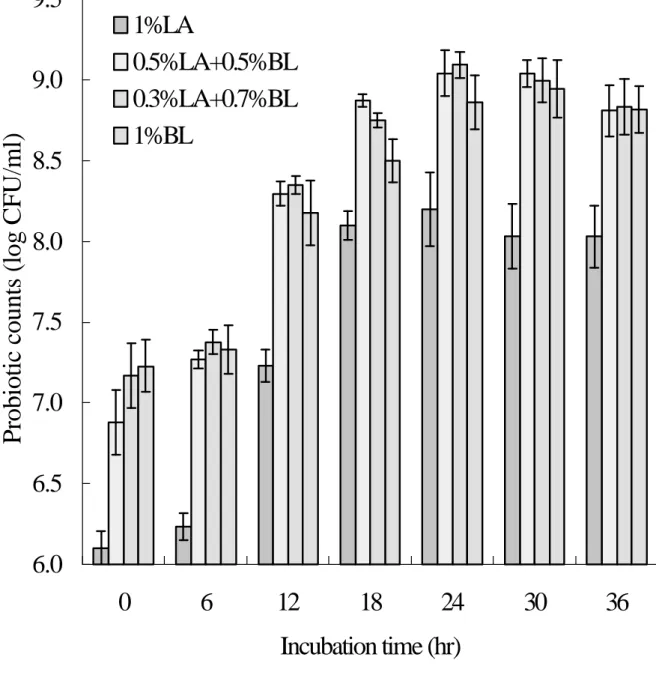
166
Preparation of inocula
167
The two strains of fungal cultures, Rhizopus javanicus (CCRC 30288)
168
and Saccharomyces cerevisiae (CCRC 21685), from the Culture
169
Collection and Research Center, Taiwan, R. O. C., were used to inoculate
170
steamed glutinous rice. Before use, R. javanicus and S. cerevisiae were
171
transferred to slants of YM agar and those of potato dextrose agar,
172
respectively, and incubated at 30±1 ℃ for 6-8 days. In addition, the
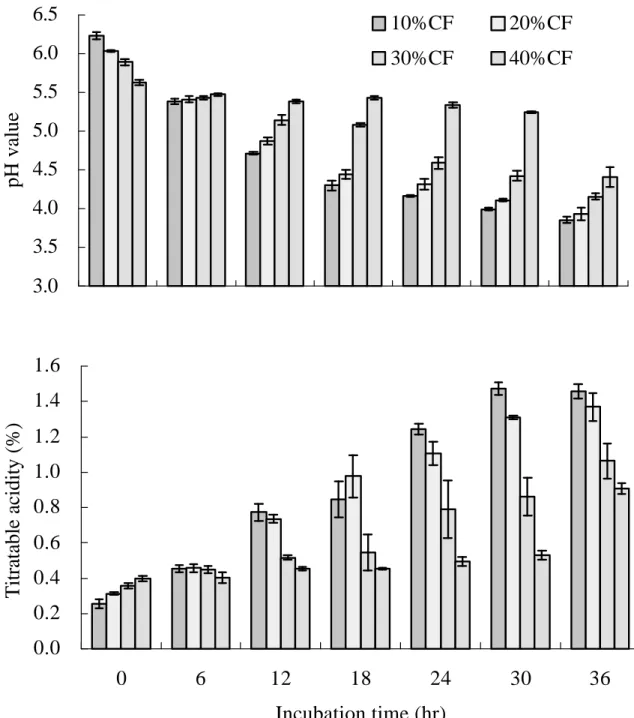
173
probiotics strains, Lactobacillus acidophilus (CCRC 14079) and
174
Bifidobacterium longum (CCRC 14605) were transferred to Lactobacilli
175
MRS (deMan, Rogosa and Sharpe) and MGL (modified Garche’s
176
lithium-chloride) media. Fungal spore suspensions and yeast cell
177
suspensions for inoculation were prepared by adding sterilized distilled
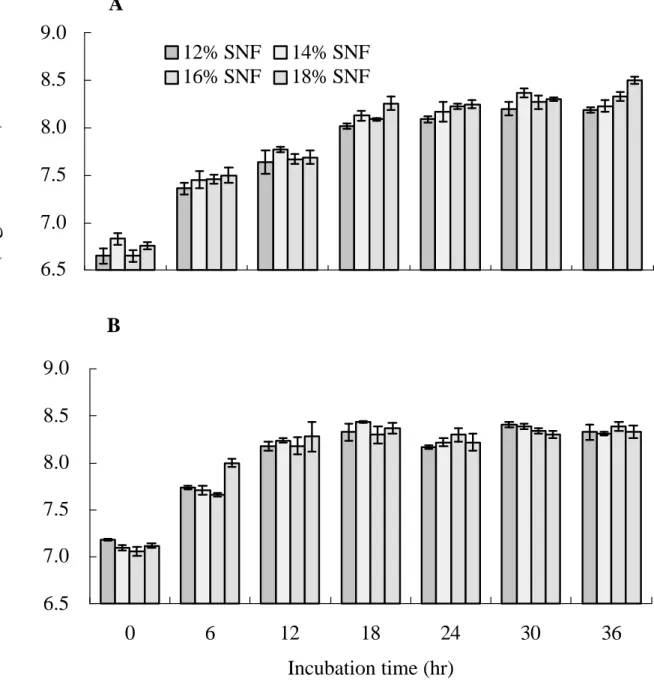
178
water containing 0.1 gL-1 Tween 80 to slants and shaking the cultures
179
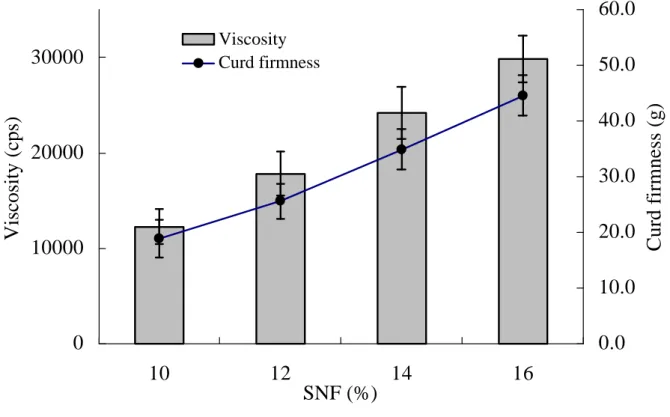
vigorously for 1 min.
180
Preparation of fermented rice (lao-chao) and culture filtrates
181
Glutinous rice was purchased from a local market (Taipei, Taiwan,
182
R.O.C.). One hundred grams of glutinous rice, which had been washed
183
with distilled water and drained, was soaked in 75 ml distilled water at
184
room temperature (20-25℃) for 12 hr, sterilized at 121℃ for 15 min, and
185
then cooled to 35℃. The steamed glutinous rice was inoculated with 5 ml
186
suspensions containing 107 cells of S. cerevisiae and 107 spores of R.
javanicus and mixed completely, followed by static incubation at 30±1
188
℃ for the designated period. After fermentation, the culture filtrates were
189
obtained by filtering the fermented rice through 4 layers of cheesecloth.
190
The sediment in the culture filtrate was eliminated by centrifuging at
191
1,480×g for 30 min (Kubota, KR-20000T, Japan).The culture filtrates
192
were stored at 4 ℃ for further analysis.
193
Preparation of Kou Woan Loa and determination of viable probiotics
194
Pasteurized skimmilk contains various ratios of SNF was inoculated
195
with probiotics and then incubated at 37 ℃. The viable probiotics were
196
determined during the periods of incubation and storage (4℃ ) by
197
according to the method of Teraguchi et al.(1982).
198
Determination of the firmness of product
199
The firmness, as measured by the breaking force of the Kou Woan
200
Loa product, was determined by using a rheometer (Fudoh
201
NRM-2010J-CW, Tokyo 141, Japan) with a rheoplotter (Rikadenki Kigyo,
202
FR 801, Tokyo 113, Japan). Adaptor No.4 (20 mm diam.) of the
203
rheometer was used and table speed was 50 mm min-1.
204
Viscosity of Kou Woan Loa
205
The apparent viscosity was determined by using a Viscometer
206
(Brookfield, LVDV-II+Viscometer, U. S. A.) with a No. 3 disc spindle at
207
a speed of 0.3rpm.
Encapsulation procedure
209
Preparation of probiotics and culture filtrates emulsion
210
All glassware, and solution used in the protocols were sterilized at
211
121 ℃ for 15 min. Gum arabic obtained from Hayashi Pure Chemical
212
Industries, Ltd. (Osaka, Japan). Maltodextrins and chemically modified
213
starches obtained from Gemfont Co. (Taipei, Taiwan, R.O.C.). Emulsion
214
with different gum arabic ratios were prepared and agitated with magnetic
215
stirrer bars for 30 min.
216
Spray-Drying the Emulsion
217
The emulsions were spray-dried using a laboratory mini spray drier
218
(model B-190, Buchi Co., Flawil, Switzerland) by control inlet air
219
temperature, compressed air for spray-flow, compressed air consumption
220
and feed rate to obtain outlet temperatures ranging from 50 to 60 ℃. The
221
residence time of the product was very low. The dried powders were
222
collected and analysis immediately or subsequently stored in sealed glass
223
bottles at 4 ℃.
224
Determination of probiotic viability in spray-dried powders
225
We assessed the viability of the probiotics in the inoculated
226
emulsions preparations before spray drying and in the resulting powders
227
by examining MRS and MGL pour plates after 72 hrs of incubation at
228
37°C (aerobically or anaerobically). To 1g of powder, 9ml of diluents
were added (1:10 dilution); the powders were allowed to rehydrate by
230
stomacher (Stomacher 400 Lab Blender, Sewad Medical, London, UK) at
231
normal speed (230 rpm 65%) for 1 min or by mixing with a vortex (Maxi
232
Mix II, Barnstead Thermolyne, Iowa, U.S.A.) for 1 min to release
233
microencapsulated probiotics and then diluted further with diluent, and
234
appropriate dilutions were pour plated.
235
Statistical analysis
236
Data were analyzed using the general linear model procedure of the
237
SAS software package (SAS/STAT, 1987), and Duncan’s multiple range
238
test (Montgomery, 1991) were used to detect differences between
239
treatment means, statistical significance was tested at the 5% level. All
240
experiments were replicated three times.
241 242 243 244 245 246 247 248 249
RESULTS & DISCUSSIONS
250
Two probiotic strains, Lactobacillus acidophilus (CCRC 14079) and
251
Bifidobacterium longum (CCRC 14605) were applied to skim milk before
252
acid-curd formation. Different culture ratios on total probiotic counts
253
during incubation period examined are shown in Fig. 1. In the beginning
254
of incubation period, the counts of 1% L. acidophilus was lower than the
255
other three treatments significantly (P < 0.05). When the single starter
256
treatment compares with the mix of 1% L. acidophilus and 1% B. longum
257
treatments, the counts of L. acidophilus was lower than the counts of B.
258
longum significantly (P < 0.05). Synergistic growth-promoting effects
259
between L. acidophilus and B. longum are occur. L. acidophilus is
260
beneficial to B. longum as the former organism acts as an oxygen
261
scavenger.
262
According preliminary screening tests for suitable fungal and yeast
263
cultures, Rhizopus javanicus (CCRC 30288) and Saccharomyces
264
cerevisiae (CCRC 21685) were selected as starters of lao-chao and the
265
resultant culture filtrates were used as the milk-clotting agents and
266
flavoring agents. Effects of various ratios of culture filtrate on pH value
267
and titratable acidity in Kou Woan Lao during incubation period are
268
shown in Fig. 2. As the incubation period increasing, the pH value
269
decreases and titratable acidity rising gradually since the number of
probiotics increase. However, when the percentage of culture filtrate
271
increases, the growth of probiotics is inhibited. As long as the percentage
272
of culture filtrate getting higher, the increasing level of the titratable
273
acidity decreases. If the percentage of culture filtrate was controlled in
274
40%, the titratable acidity was keeping in the same level. The acidity
275
increases significantly during the 30th to 36th incubation hours.
276
During the 18th –36th incubation hour, there are no significant
277
differences among the four SNF treatments on probiotic counts of Kou
278
Woan Lao (Fig. 3).
279
Fig. 4 shows the higher percentage of SNF, the stronger curd
280
firmness (P<0.05). When the SNF of skim milk increasing from 10% to
281
16%, the curd firmness grows from 18.9g to 44.6g. In the mean time, the
282
viscosity significantly increases from 12200cps to 29800cps (P<0.05). In
283
Fig. 5, the percentage of syneresis decreases significantly when the level
284
of SNF rising (P<0.05). As the SNF increasing from 10% to 18%, the
285
percentage of syneresis decreases from 12.9% to 4.3%.
286
These results are similar to the finding of Parnell-clunies et al.
287
(1988). According to Parnell-clunies et al. (1988), the curd firmness and
288
viscosity depend on if the structure of casein micelle is complete or not.
289
They also indicate the curd firmness has positive relationship with the
290
viscosity.
In order to produce better quality of Kou Woan Lao, the increase of
292
SNF will help to improve the curd firmness and viscosity. It is also
293
helpful to decrease the percentage of syneresis. However, in order to meet
294
consumer flavor expectation and lower the production cost, it is
295
suggested to keep SNF between 12 and 14%.
296
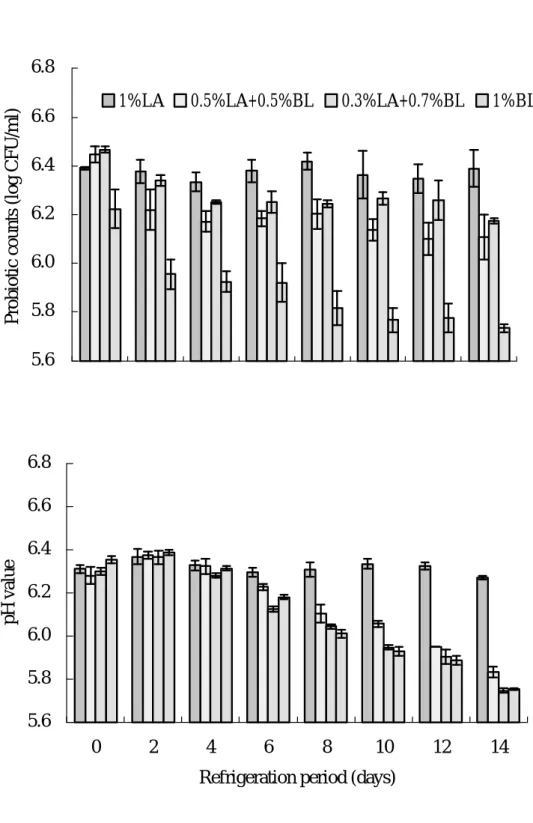
After adding culture filtrate, the total probiotics counts in other three
297
treatment groups decrease significantly (P<0.05), except the 1% L.
298
acidophilus group (Fig. 6). The counts of 1% B. longum group decrease
299
from 6.3 log CFU/ml to 6.0 log CFU/ml. The 1% B. longum group has
300
dramatically decreased when compared with other groups. The pH value
301
and probiotic counts of 1% L. acidophilus group did not significantly
302
decrease during 14 days storage at 4 ℃.
303
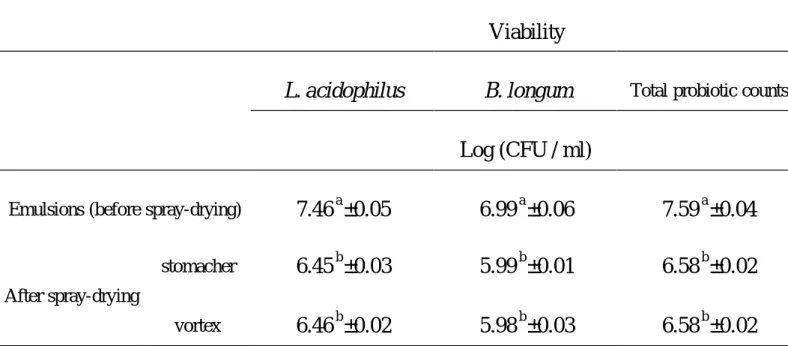
In Table 1, the counts of probiotics decrease about 1 log CFU/ml
304
after spray-drying process at 50℃ outlet temperature. The final total
305
probiotic counts are about 6.58 log CFU/ml. Regarding resuspension
306
methods, it is found that there are no significant difference of using
307
stomacher or vortex to release probiotics (P>0.05). It is attribute to the
308
high solubility of gum arabic (about 50 %).
309
The viability of probiotics differs in various spray-drying outlet
310
temperature showed as Fig. 7. The counts of probiotics significantly
311
decrease when the outlet temperature getting higher. Therefore, when the
spray-drying outlet temperature cools down, the survival percentage of
313
probiotics increases. However, it may cause the poor condition of
314
spray-drying process, which will decrease the efficiency of
315
microencapsulation and the stability of storge.
316
There are four separate phases of spray-drying methods : 1.
317
Nebulization of the solution in the form of an aerosol. 2. Contact of the
318
nebulized solution with the warm air. 3. Drying of the aerosol. 4.
319
Separation of the dried product and the air charged with the solvent.
320
During these process, the probiotics are easily vanished. In order to
321
increase the probiotic counts of Kou Woan Lao, it is suggested to choose
322
the lower temperature of microencapsulation. In the same time, the
323
product quality and storage period could be effected due to the
324
spray-drying process. It will be a challengeable task to adjust different
325
production procedure in order to meet market needs.
326 327 328 329 330 331 332 333
ACKNOWLEDGMENTS
334
This research was conducted using funds provided by the R.O.C.
335
Administrative Yuan’s National Science Committee, Plan NSC–
336
89-2313-B002-142 Subsidy. We express our gratitude.
337 338 339 340 341 342 343 344 345 346 347 348 349 350 351 352 353 354
REFERNCES
355
Amandaraman, S. and G. A. Reineccius. 1987. Analysis of encapsulated
356
orange peel oil. Perfum. Flavor. 12:33-39.
357
Anderson, D. M. W., J. F. Howlett, and C. G. A. McNab. 1985. The
358
amino acid composition of the proteinaceous component of gum
359
arabic (Acacia senegal (L.)) Willd. Food Addit. Contam. 2:159-164.
360
Gibbs, B. F., S. Kermasha, I. Alli, and N. Mulligan. 1999. Encapsulation
361
in the food industry : a review. Int. J. Food Sci. Nutr. 50:213-224.
362
Gomes A. M. P. and F. X. Malcata. 1999. Bifidobacterium spp. and
363
Lactobacillus acidophilus : biological, biochemical, technological and
364
therapeutical properties relevant for use as probiotics. Trends Food Sci.
365
Technol. 10:139-157.
366
Gurr, M. I. 1987. Nutritional Aspects of Fermented Milk Products. FEMS
367
Microbiol. Rev. 46:337-342.
368
Hirayama, K. and J. Raffter. 2000. The role of probiotic bacteria in cancer
369
prevention. Microbes and Infection 2:681-686.
370
Kulkarni, N. and B. S. Reddy. 1994. Inhibitory effect of Bifidobacterium
371
longum cultures on the azoxymethane-induced aberrant crypt foci
372
formation and fecal bacterial ß-glucuronidase. Proc. Soc. Exp. Biol.
373
Med. 207:278-283.
Kuo, C. Y., F. S. Wang , and C. W. Lin. 1996. Factors affecting milk
375
clotting activity of sweet leavening extract involved in coagulation of
376
a yoghurt-like product. Food Chem. 55:129-131.
377
Lin, C. W. and H. L. Chen. 1996. Screening and characterization of
378
fungal cultures for a milk-clotting enzyme for use in an oriented style
379
dairy product. J. Dairy Res. 63:459-466.
380
McNamee, B. F., E. D. O’Riordan, and M. O’Sullivan. 1998.
381
Emulsification and microencapsulation properties of gum arabic. J.
382
Agri. Food Chem. 46:4551-4555.
383
Mital, B. K. and S. K. Garg. 1992. Acidophilus milk products :
384
manufacture and therapeutics. Food Reviews International 8:347-389.
385
Montgomery, D. C. 1991. Experimented with a single factor : the analysis
386
of varience. In Design and Analysis of Experiments, D. C.
387
Montgomery(Ed.), p.75-77. John Wiley & Sons, New York.
388
Parnell-clunies, E., Y. Kakuda, and J. M. Deman. 1988. Gelation profiles
389
yogurt as affected by heat of milk. J. Dairy Sci. 71:582-588.
390
Randall, R. C., G. O. Phillips., and P. A. Williams. 1988. The role of the
391
proteinaceous component on the emulsifying properties of gum arabic.
392
Food Hydrocolloids 2:131-140.
393
Reddy, B. S. and A. Rivenson. 1993. Inhibitory effect of Bifidobacterium
longum on colon, mammary, and liver carcinogenesis induced by
395
2-amino-3-methylimidazo[4,5-f]quinoline, a food mutagen. Cancer
396
Res. 53:3914-3918.
397
SAS/ STAT. 1987. SAS/STAT User’s guide. SAS Institute Inc., Cary,
398
NC.
399
Shahidi, F. and X. Q. Han. 1993. Encapsulation of the food ingredients.
400
Crit. Rev. Food Sci. Nutr. 33:501-547.
401
Street, C. A. and D. M. W. Anderson. 1983. Refinement of structures
402
previously proposed for gum arabic and other Acacia gum exudates.
403
Talanta 30:878-893.
404
Teraguchi, S., T. Kawashima, and M. Kuboyama. 1982. Test tube method
405
for counting bifidobacteria in commercial dairy and pharmaceutical
406
bacteria products. J. Food Hygienic Soc. Jap. 23(1):39-44.
407
Thies, C. 1996. A survey of microencapsulation processes. 1-19. In : S.
408
Benita (ed.), Microencapsulation methods and industrial applications.
409
Marcel Dekker, Inc. New York.
410
Vorobeva, L. I., T. A. Cherdyntseva, and S. K. Abilev. 1995.
411
Antimutagenic action of bacteria on mutagenesis induced by
412
4-nitroquinoline-1-oxide in Samonella typhimurium. Microbiol.
413
64:187-192.
Fig. 1. Effects of different culture ratios on total probiotic counts in skim milk during incubation period (n = 9 ; error bars indicate 95% confidence intervals).
LA : L. acidophilus. BL : B. longum.
6.0
6.5
7.0
7.5
8.0
8.5
9.0
9.5
0
6
12
18
24
30
36
Incubation time (hr)
Probiotic counts (log CFU/ml)
1%LA
0.5%LA+0.5%BL
0.3%LA+0.7%BL
1%BL
Fig. 2. Effects of culture filtrate on pH value and titratable acidity in Kou Woan Lao during incubation period (n = 9 ; error bars indicate 95% confidence intervals).
*CF : culture filtrate.
3.0 3.5 4.0 4.5 5.0 5.5 6.0 6.5 pH value 10%CF 20%CF 30%CF 40%CF 0.0 0.2 0.4 0.6 0.8 1.0 1.2 1.4 1.6 0 6 12 18 24 30 36 Incubation time (hr) Titratable acidity (%)Fig. 3. Effects of solids-not-fat on probiotic counts in Kou Woan Lao during incubation period (n = 9 ; error bars indicate 95% confidence intervals).
*A : L. acidophilus .
B : B. longum .
A 6.5 7.0 7.5 8.0 8.5 9.0 12% SNF 14% SNF 16% SNF 18% SNF B 6.5 7.0 7.5 8.0 8.5 9.0 0 6 12 18 24 30 36 Incubation time (hr)0 10000 20000 30000 10 12 14 16 SNF (%) Viscosity (cps) 0.0 10.0 20.0 30.0 40.0 50.0 60.0 Curd firmness (g) Viscosity Curd firmness
Fig. 4. Effect of SNF content on curd firmness and viscosity of
0
2
4
6
8
10
12
14
16
18
10
12
14
16
18
SNF (%)
Syneresis (%)
Fig. 5. Effect of SNF content on syneresis of curd (n = 5 ; error
5.6 5.8 6.0 6.2 6.4 6.6 6.8
Probiotic counts (log CFU/ml)
1%LA 0.5%LA+0.5%BL 0.3%LA+0.7%BL 1%BL
Fig. 6. Effects of different culture ratios on total probiotic counts and pH value in Kou Woan Lao during refrigeration period (n = 9 ; error bars indicate 95% confidence intervals). 5.6 5.8 6.0 6.2 6.4 6.6 6.8
Probiotic counts (log CFU/ml)
1%LA 0.5%LA+0.5%BL 0.3%LA+0.7%BL 1%BL
5.6 5.8 6.0 6.2 6.4 6.6 6.8 0 2 4 6 8 10 12 14
Refrigeration period (days)
Table 1. The viability of probiotics during the spray-drying process (outlet temperature : 50 ℃)
Viability
L. acidophilus B. longum Total probiotic counts
Log (CFU / ml)
Emulsions (before spray-drying) 7.46 a±0.05 6.99 a±0.06 7.59 a±0.04
stomacher 6.45 b±0.03 5.99 b±0.01 6.58 b±0.02
After spray-drying
vortex 6.46 b±0.02 5.98 b±0.03 6.58 b±0.02
Fig. 7. Effect of outlet temperature on probiotic counts during the spray drying (n = 4 ; error bars indicate 95% confidence intervals).
L. acidophilus 4.50 5.00 5.50 6.00 6.50 7.00 7.50 8.00 8.50 before spray-drying after spray-drying B . l o n g u m 4 . 5 0 5 . 0 0 5 . 5 0 6 . 0 0 6 . 5 0 7 . 0 0 7 . 5 0 8 . 0 0 8 . 5 0 5 0 5 5 6 0 outlet temperature (℃) before spray-drying after spray-drying