行政院國家科學委員會專題研究計畫 成果報告
利用 DNA 突變分析儀來建立結節性硬化患者中 TSC1 及 TSC2
之基因突變資料庫
計畫類別: 個別型計畫 計畫編號: NSC92-2314-B-002-319- 執行期間: 92 年 08 月 01 日至 93 年 07 月 31 日 執行單位: 國立臺灣大學醫學院婦產科 計畫主持人: 李建南 共同主持人: 謝豐舟,鄭文芳 計畫參與人員: 蘇怡寧 報告類型: 精簡報告 處理方式: 本計畫可公開查詢中 華 民 國 93 年 10 月 7 日
1 一、中文摘要 結節性硬化(TSC)是一種自體顯性遺 傳疾病,估計其盛行率約為 1/10000。其臨 床表現為多發性地在腦、腎臟及皮膚等等 器 官 形 成 過 誤 囊 腫 ( hamartomutous growths)。此類患者臨床上容易會發生痙 攣,智能低下及行為異常等問題。目前研 究瞭解,已知有兩個基因之突變與結節性 硬化有關,分別是 TSC1 及 TSC2。TSC1 基因位於染色體 9q34 之位置,由 21 個外 顯子構成,TSC2 基因位於染色體 16p13.3 之位置,由 41 個外顯子構成。依過去之文 獻報告,有關 TSC1 及 TSC2 之突變皆多屬 於單點突變,且不同之患者突變點點位皆 不相同,約 60∼70%之患者屬於新發生之 突變,而與過去確認之突變點皆不相同, 對突變分析而言,相當因難進行大規模之 分析及突變資料庫之建立。就我們所知, 目前在台灣仍無本土結節性硬化患者有關 TSC1 及 TSC2 突變流行病學之大規模資料 及盛行率之調查。 在這類基因檢驗中,DNA 序列分析乃 是最基本且是最重要的,當基因體計劃已 將人類及其他物種基因體漸漸解構完成之 同時,如何發展出一種敏感度高,有效率 且不昂貴之技術,來偵測序列中微小之變 異,乃變得極為關鍵,對於結節性硬化(TSC) 而言,基因分析是一非常有用之診斷工 具,尤其是在對於那些在影像診斷上無法 獲得確定診斷之患者身上。然而,由於 TSC1 及 TSC2 基因之複雜性,使得基因診 斷在過去變得相當困難。而目前新進發展 出之 DNA 突變分析儀(DHPLC)乃利用自 動化之偵測來找出微小甚至是單一核苷酸 之突變,將其合併直接序列分析,將是快 速建立台灣本土結節性硬化突變基因資料 庫之最有效率之利器。 在本計劃中,我們利用 DNA 突變分析 儀此一新技術合併直接序列分析之方法來 建立台灣本土結節性硬化之 TSC1 及 TSC2 突變基因資料庫,而能針對此類病患提供 適切之遺傳諮詢及後續相關治療,以期能 真正落實預防醫學之觀念,而增進全民健 康福祉。 關鍵詞:TSC1 基因、TSC2 基因、結節性 硬化症(TSC) 、DNA 突變分析儀、基因診 斷 Abstract
Tuberous sclerosis complex (TSC) is an autosomal-dominant genetic disorder that leads to the formation of benign tumors known as hamartomas in the kidneys, brain, heart, eyes, and skin. These slowly proliferating growths are disorganized yet differentiated and often contain giant cells, leading to renal complications and neurological abnormalities such as autism, mental retardation, and epilepsy. Genetic studies show that TSC is caused by mutations within the TSC1 or TSC2 genes that encode the protein products hamartin (130 kDa) and tuberin (200 kDa), respectively, resulting in their inability to function as a tumor suppressor. TSC exhibits locus heterogeneity with genes at 9q34 (TSC1) and 16p13.3 (TSC2) that have 21 and 41 coding exons, respectively. The mutational spectrum at both loci is wide and previous studies have shown that 60%-70% of cases are sporadic and represent new mutations.
The analysis of DNA sequence variation is of fundamental important importance in such genetic studies. With the increasing availability of primary sequence from the human genome and other genomes, the implementation of sensitive, efficient, and inexpensive technologies for detecting variation that can match the pace of primary sequencing becomes critical. A more recently developed technique, denaturing high-performance liquid chromatography (DHPLC), allows the automated detection of single base substitutions as well as small insertions and deletions had met this purpose. DHPLC had the advantages of increased sensitivity and reduced labour costs when compared with more traditional approaches to exon
2
screening.
In this study, we used denaturing high performance liquid chromatography (DHPLC) for rapid screening of all coding exons of TSC1 and TSC2 in patients with tuberous sclerosis complex (TSC). It help to evaluate the possibility to provide the genetic testing of TSC1/TSC2 and other hereditary syndromes in our clinical service.
Keyword: TSC1 gene, TSC2 gene,
Tuberous sclerosis complex (TSC), denaturing high-performance liquid chromatography (DHPLC), genetic diagnosis
二、Purpose
TSC exhibits locus heterogeneity with genes at 9q34 (TSC1) and 16p13.3 (TSC2) that have 21 and 41 coding exons, respectively. The mutational spectrum at both loci is wide and previous studies have shown that 60%-70% of cases are sporadic and represent new mutations. We formatted denaturing high performance liquid chromatography (DHPLC) for rapid screening of all coding exons of TSC1 and TSC2.
三、Materials & Methods
All the patients and his family members diagnosed as tuberous sclerosis were enrolled in this study. Optimization of DHPLC analysis of each exon was carried out by design of primers with minimum variation in the melting temperature of the amplicon, and titration of both elution gradient and temperature. The sequence variations identified by DHPLC were then confirmed by direct sequence.
四、Results
DHPLC analysis detected likely disease-causing mutations in 45 of 60 unrelated cases (75%). In these disease-causing mutations, 7 different mutations were in TSC1 gene (16%) and 35
different mutations were contributed by TSC2 gene (84%). The tuberous sclerosis patients with TSC1 gene tends to be hereditary and milder clinical manifestations. The most of the TSC2 mutations were sporadic.
五、Discussion
DHPLC had the advantages of increased sensitivity and reduced labour costs when compared with more traditional approaches to exon screening. We conclude that DHPLC is an ideal first-line tool for detection of DNA sequence variation in TSC1 and TSC2 gene, particularly for single base substitution mutations.
六、計畫成果自評 我們完成對於 TSC1 及 TSC2 基因之 PCR 產物所有 DHPLC 條件之設定與疑難 排除,並且就目前臺大醫院所擁有之檢體 庫,完成對所有已知突變點之圖形判讀與 比對,並與直接序列分析之結果進行比 對,以進一步確認 DHPLC 之效能與應用在 TSC1 及 TSC2 基因突變分析上之敏感度及 特異度,完成 60 位結節性硬化(TSC)患者 TSC1 及 TSC2 基因突變分析及資料庫建 立。 鑑於 DHPLC 對於不定點核苷酸突變 之優越分辨能力,此項技術之成熟與發 展,對於目前大多數單點基因突變疾病之 研究,實有莫大之助益,故此項篩檢技術 之落實,不僅僅是發展基因體醫學之重要 磐石,更能有助於評估對於台灣不久之將 來發展和提供將此項技術應用於其他單 一核苷酸突變遺傳基因疾病或致癌基因 篩檢。 七、Reference
1. Benit, P. et al. Denaturing
high-performance liquid
chromatography (DHPLC)-based prenatal diagnosis for tuberous sclerosis. Prenat Diagn 21, 279-83 (2001).
3
Hoogendoorn, B., Cohen, D. & Cheadle, J. P. Application and evaluation of denaturing HPLC for molecular genetic analysis in tuberous sclerosis. Hum Genet 106, 663-8 (2000).
3. Dabora, S. L. et al. Mutational
analysis in a cohort of 224 tuberous sclerosis patients indicates increased severity of TSC2, compared with TSC1, disease in multiple organs. Am
J Hum Genet 68, 64-80 (2001).
4. Roberts, P. S., Jozwiak, S.,
Kwiatkowski, D. J. & Dabora, S. L. Denaturing high-performance liquid chromatography (DHPLC) is a highly sensitive, semi-automated method for identifying mutations in the TSC1 gene. J Biochem Biophys Methods 47, 33-7 (2001).
Figure 1. The sequence variations
(disease-causing mutations) identified for TSC1 and TSC2 gene in this study.
A)
B)
Figure 2. The family pedigree with the
DHPLC chromatography and sequence analysis. A) A family with a inherited disease-causing mutation identified in TSC1 gene. B) A family with a de novo diasease-causing mutation identified in TSC2 gene.
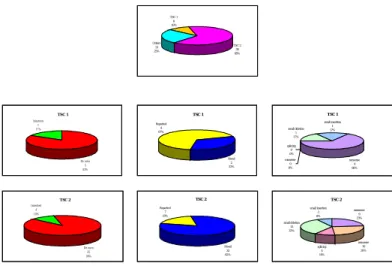
Figure 3. The characteristics and statistics of
the mutations identified in TSC1 and TSC2 genes in our study.
TSC 2 39 65% Others 15 25% TSC 1 6 10% TSC 1 Inherited 1 17% De novo 5 83% TSC 2 Inherited 4 10% De novo 35 90% TSC 1 Novel 2 33% Reported 4 67% TSC 2 Novel 32 82% Reported 7 18% TSC 1 nonsense 4 66% missense 0 0% splicing 0 0% small deletion 1 17% small insertion 1 17% TSC 2 nonsense 9 23% missense 10 26% splicing 4 10% small deletion 13 33% small insertion 3 8%