國立臺灣體育運動大學運動管理學系碩士班
碩士學位論文
The Influences of Personality, Basic Psychological
Needs on Exercise Motivation and Exercise
Behavior of Sport Management Students
研 究 生:潘成英科– Pham, Thanh Anh Khoa
指導教授:
王瓊霞 博士
中
華
民
國
1
0
3
年
6
月
I
Title of Thesis: The Influences of Personality, Basic Psychological Needs on Exercise
Motivation and Exercise Behavior of Sport Management Students
Name of Institute: Graduate Institute of Sport Management
Graduate date: June, 2014 Degree Conferred: M.P.E Name of Student: Pham, Thanh Anh Khoa Advisor: Chiung, Hsia Wang
ABSTRACT
The major purpose of this study was to identify the influences of personality and basic psychological needs on individual exercise motivation, which then impact exercise behavior of sport management students. A pilot study (N=100 students) was conducted to test the reliability and validity of the measurement. A comprehensive model was developed, based on an extensive literature review, and empirically tested using by using sport management student (N= 395) of National Taiwan University of Physical Education and Sport (NTUPES), Ton Duc Thang University (TDTU) and Hochiminh University of Sport (HUS) as respondent.
All the hypotheses of this study were supported. The results indicate that individuals with high level of personality ( emotional stability, extraversion, openness to experience, agreeable ness and conscientiousness) will have positive influence on basic psychological needs and exercise motivation then impact on exercise behavior. It also suggested that extraversion, openness to experience and conscientiousness could be the predictors of basic psychological needs, autonomous motivations (identified regulation and intrinsic motivation) and exercise participation. Student’s basic psychological needs have significantly associated with their exercise motivation and exercise behavior. Lastly, amotivation has negative impact on exercise behavior, but autonomous motivation has positive association with exercise behavior. The study results offer
II
valuable suggestions to physical lecturer to promote exercise participation through stimulating exercise motivation.
III
ACKNOWLEDGEMENTS
For the completion of this thesis, I would like to thank Dr. Chiung- Hsia, Wang for her professional training, advice, kindness and guidance throughout the thesis process. Her deliacation in preparing me to effectively conduct the research study lead to the achievement of this thesis. Secondly, I would like tho say thank the committee member, Dr. Shih- Kuei, Huang for his advice and guidance. His contributions to this thesis gave it more professional outcome.
Additionally, I would like to say thank Dr. Yen- Hsiang, Huang who initiated my desire to study, learn and continue growing. Without him, I would never have a reached this stage of my education and career. In addition, I would like to say thank Dr. Le Vinh Danh, Dr Bui Trong Toai and Mr Nguyen Van Bac for giving me a chance to study in Taiwan that help me improve my skill and life. In addition, I would like to thank my parents, my brother for their support and encouragement.
Finally, I would like to thank my wife, Huong, for her great love, support and caring my baby while I was kept occupied by my studies for endless hours. Without her support and encouragement, the completion of this thesis would never be possible.
IV
TABLE OF CONTENTS
ABSTRACT………I ACKNOWLEDGEMENTS………. III TABLE OF CONTENTS……… IV LIST OF FIGURES………VII LIST OF TABLES……… VIIICHAPTER I – INTRODUCTION……….1
1.1 Statement of the Problem ... 4
1.2 The Subproblems ... 4
1.3 Hypotheses of the Study ... 5
1.4 Definition of Terms ... 6
1.5 Scope of the Study ... 6
1.6 Delimitations ... 7
1.7 Limitations ... 7
1.8 Significant of the Study ... 8
CHAPTER II - LITERATURE REVIEW………... 10
2.1 Personality ... 10
2.2 Basic Psychological Needs ... 12
2.3 Exercise Motivation ... 15
2.4 Exercise Behavior ... 17
2.5 Personality and Basic Psychological Needs. (H1) ... 18
2.6 Personality and Exercise Motivation. (H2) ... 19
2.7 Personality and Exercise Motivation (H3) ... 21
V
2.9 Basic Psychological Needs and Exercise Behavior. (H5) ... 24
2.10 Exercise Motivation and Exercise Behavior. (H6) ... 26
2.11 Summary ... 27
CHAPTER III- METHODOLOGY………. 30
3.1 The Research Design ... 30
3.2 Selection of the Subjects ... 31
3.3 Instrumentation ... 31
3.3.1 Personality……….. 31
3.3.2 Exercise Motivation………31
3.3.3 Basic Psychological Needs………. 32
3.3.4 Exercise Behavior………... 32 3.4 Procedures ... 32 3.4.1 Translation of Questionnaires……….. 33 3.4.2 Data Collection……… 33 3.4.3 Pilot Study………... 34 3.5 Data Analysis ... 34
CHAPTER IV- RESULTS………...37
4.1 Demographic Profile ... 37
4.2 Test Factor Reliability and Validity ... 39
4.3 Comparisons of Opinions among NTUPES, TDTU, and HUS students ... 46
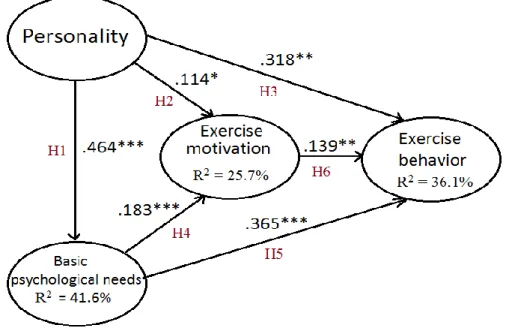
4.4 Overall Hypotheses testing ... 48
4.5 Test of Interrelation between Internal Factors of the Construct ... 50
4.6 Summary ... 58
CHAPTER V - DISCUSSIONS, SUGGESTIONS AND LIMITATIONS……... 59
VI
5.2 Suggestions ... 65
5.3 Limitations ... 66
REFERENCES……… 68
APPENDIXES………. 81
Appendix A: Letter for Permission to Survey ... 81
Appendix B: Cover Letter of Questionaire ... 82
Appendix C:Translation of Measurement Instrument and Measurement Instrument for Second Revision ... 83
Appendix D: Formal Questionnaire of Study ... 94
Appendix E: Formal Questionnaire of Study Chinese Version ... 100
VII
LIST OF FIGURES
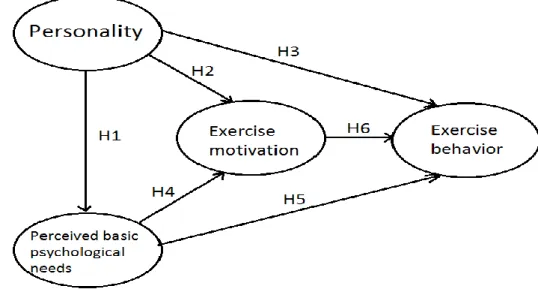
Figure 3.1: Hypothesis of this study ... 30 Figure 4.1: Standardized for regression weights for whole model ... 48
VIII
LIST OF TABLES
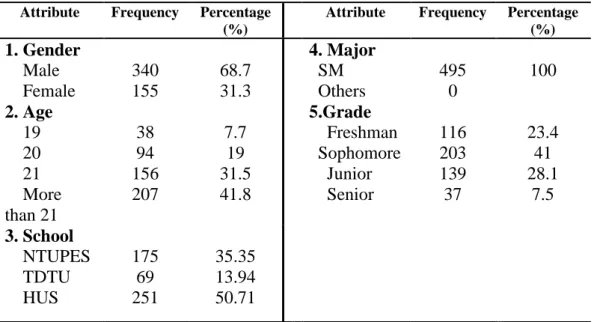
Table 4.1: Comparisons of student’s personal demographic among three schools. ... 38
Table 4.2: Personal demographic data of subjects ... 39
Table 4.3: Factor analysis and Reliability of the personality construct ... 42
Table 4.4: Factor analysis and Reliability of the exercise motivation construct ... 43
Table 4.5: Factor analysis and Reliability of the exercise behavior construct ... 44
Table 4.6: Comparisons of opinions among NTUPES, TDTU and HUS students ... 45
Table 4.7: Regression analysis for the influences of personality, basic psychological needs on exercise motivation and exercise behavior. ... 47
Table 4.8: Summary of Hypothesis. ... 59
Table 4.9: Regression analysis for the relationship of personality, basic psychological needs and exercise motivation on exercise behavior. ... 50
Table 4.10: Regression analyses factors between personality and basic psychological needs ... 51
Table 4.11: Regression analyses factors between personality and exercise motivation . 52 Table 4.12: Regression analyses factors between personality and exercise behavior .... 53
Table 4.13: Regression analyses for factors between basic psychological needs and exercise motivation. ... 54
Table 4.14: Regression analyses for factors between basic psychological needs and exercise behavior. ... 55
Table 4.15: Regression analyses for factors between exercise motivation and exercise behavior. ... 56
1
CHAPTER I – INTRODUCTION
Exercise cannot only improve one's physiological development, but can also promote psychological well-being. There are numerous physical, social, and psychological benefits of regular physical activity involvement, including a reduced risk of cardiovascular disease, diabetes, osteoporosis, and cancer, as well as reduced anxiety, stress, and depression (Biddle & Mutrie, 2001; Warburton, Nicol, & Bredin, 2006).
Participation in exercise dramatically improved the well-being of people suffering from chronic health conditions (Graham, Kremer & Wheeler, 2008), while individual components of well-being, including fortitude, stress management and coping, have all been shown to significantly improve when associated with a regular exercise schedule (Edwards, 2006). In addition, regular exercisers perceive themselves as having more autonomy, personal growth, purpose in life, positive relations with others and conditioning than nonexercisers (Edwards, Ngcobo, Edwards & Palavar, 2005).
Yet according to the National Health Service in the United Kingdom 2006, only 35% of men and 24% of women reported achieving the physical adult recommendations of 30 minutes of moderate intensity exercise at least 5 times a week in 2004. With the evidence indicating that the notion of 'healthy body, healthy mind' really can exist, Jones, Harris, Waller & Coggins (2005) note that encouraging exercise is an essential area of health promotion.
Despite the fact that the significant role of exercise on reducing negative emotional states and enhancing positive has been established, the mechanism through which this occurs remains unclear (Stathopoulou, Powers, Berry, Smiths, & Otto, 2006). For this reason, encouraging exercise, as well as the understanding of factors related to physical activity, is important research fields for promoting health and the prevention of serious disease (Jones, Harris, Waller, & Coggins, 2005). Several studies have
2
attempted to explain this process, stressing the role of personality traits, sport motivation and mood states, in order to understand what it is that makes people less active or excessively engaged in physical exercise (Ingledew, Markland, & Sheppard, 2004).
Because physical activity is associated with numerous health benefits and many young people are insufficiently active to achieve these benefits, an important public health initiative is to determine effective methods for improving the physical activity levels of young people. To develop effective physical activity interventions, the correlates of physical activity, and specifically the social cognitive and motivational factors that influence physical activity participation need to be identified and understood. Therefore, there is a critical need to conduct theoretical research to understand the social cognitive factors associated with physical activity in adolescents to determine what variables can be targeted as mediators in interventions for behavior change (Kohl III & Hobbs, 1998). Theoretical frameworks that are commonly used to understand and predict physical activity participation are the theory of reasoned action (Ajzen & Fishbein, 1980) and the theory of planned behavior (Ajzen, 1985, 1991, 2002).
Identifying the individual factors, which encourage exercise participation, and gaining a deeper understanding of the relationship between personality, exercise motivation and exercise participation is therefore important in order to help promote healthy lifestyles.
Various theoretical models have been adopted to explain individuals' exercise behavior. Among others, TPB has been applied more frequently to predict exercise behavior. TPB asserts that individuals' exercise behavior can be predicted from their intention (including attitudes and subjective norms) to perform the behavior and their perceptions of control over the behavior (Hagger, Chatzisarantis, & Biddle, 2002; Rhodes, Blanchard, & Matheson, 2006).
3
In addition to TPB, personality traits have been regarded as critical factors for exercise motivation and exercise participation. Recent studies by Ingledew, Markland, and Sheppard (2004), and Lochbaum and Lutz (2005) have indicated that the five personality factors (i.e., emotional stability, extraversion, agreeableness, conscientiousness, and openness to experience) have a positive influence on exercise motivation and participation.
Furthermore, SDT has been adopted to explain the influences of individuals' personality on their exercise participation (Deci & Ryan, 2000). According to SDT, there are three innate psychological needs (i.e., needs for competence, reiatedness, and autonomy) which account for the basis of individuals' self-motivation and personality and for the conditions that influence their behavior.
Ingledew, Markland & Sheppard (2004) suggest that it is insufficient to only look at the surface motivations of exercise, as they do not reveal valuable information about the underlying reasons for exercise, and recommend using SDT (Deci & Ryan, 2000) because it allows for a more differentiated view of motivation. SDT examines the extent to which human behaviors are self-determined and the degree to which people's actions are influenced by internal and external forces.
According to Huang et al, 2007, it found the influences between personality, motivation on exercise participation behavior and quality of life; however, this study used physical and psychological motivation for the exercise motivation variable and did not include basic psychological needs to examine the relationships of this variables to exercise motivation and exercise behavior. Although the results of this study are fruitful and may contribute to the existing literature, several limitation was conducted. First, the ability to generalize the current findings is limited by the fact that only individuals who exercise in fitness centers were sampled. Thus, it is not known to what extent our findings represent other respondents. Second, the study gathered only 142
4
questionnaires from the members of fitness centers in Europe, American, and Taiwan. The sample size may be too small to represent all fitness centers. Future study should resolve these research issues through the collection of data from more representative samples. Third, there are many reasons for participating in physical activity, and the exercise motivations examined in this study may not represent an exhaustive list. Other motivations that may significantly influence participation in physical activity should be considered in future studies.
Despite these findings, the exploration of the interaction between individual characteristics, motivation and emotional aspects in predicting exercise behavior is still at an early stage and for this reason it is necessary to explore the mechanisms that underlie physical activity participation. Based on the foregoing discussion, none of the previous studies has integrated these theories to explain the influences of personality and basic psychological needs on exercise motivation and exercise behavior. For this reason, this study aimed to analyze the influences of personality and basic psychological needs on exercise motivation and exercise behavior applied for sport management student by empirically test the research hypotheses as developed in this study.
1.1 Statement of the Problem
The purpose of this study was to identify the influences of personality and perceived basic psychological needs on individual exercise motivation which then influences exercise participation behavior among sport management students by using sport management of National Taiwan University of Physical Education and Sport (NTUPES), Ton Duc Thang University (TDTU) and Hochiminh University of Sport (HUS) as respondents.
1.2 The Subproblems
5
1. The first sub-problem was to compare the opinion about personality, basic psychological needs, exercise motivation and exercise behavior of sport management student among NTUPES, TDTU and HUS.
2. The second sub-problem was to explore the influences of personality and perceived basic psychological needs on exercise motivation, which then impact on exercise behavior.
3. The third sub-problem was to clarify the interrelationship between factors of these variables (personality, basic psychological needs, exercise motivation and exercise behavior).
1.3 Hypotheses of the Study
According to the purpose of this study and base on literature review, the six hypotheses were proposed:
H1: The personality of students (including emotional stability, extraversion, conscientiousness, agreeableness, and openness to experience) will have a positive and direct impact on their basic psychological needs.
H2: The personality of students (including emotional stability, extraversion, conscientiousness, agreeableness, and openness to experience) will have a positive and direct impact on their exercise motivation.
H3: The personality of students (including emotional stability, extraversion, conscientiousness, agreeableness, and openness to experience) will have a positive and direct impact on their exercise behavior.
H4: The basic psychological needs of students (autonomy, competence and relatedness) will have a positive and direct impact on their exercise motivation.
H5: The basic psychological needs of students (autonomy, competence and relatedness) will have a positive and direct impact on their exercise motivation.
6
H6: The exercise motivation of students (amotivation, external regulation, introjected regulation, identified regulation and intrinsic motivation) will have a positive and direct impact on their exercise behavior.
1.4 Definition of Terms
For the purpose of this study, the following terms were operationally defined: 1. Personality: Personality is the set of psychological traits and mechanisms within the
individual that are organized and relatively enduring and that influence his or her interactions with, and adaptations to, the intrapsychic, physical, and social environments (Larsen & Buss, 2005).
2. Basic psychological needs: According to SDT (Deci & Ryan, 1985), basic psychological needs are evolved experiential requirements that all people must have in order to grow to their fullest potential.
3. Exercise motivation: Exercise motivation is defined as the forces acting on or within a person to initiate a behavior or participation in exercise or physical activity. (Deci & Ryan, 2002).
4. Exercise: Planned, structured, and repetitive physical activity that is done with the purpose of maintaining or improving physical fitness or health (Sallis & Owen, 1999).
5. Sport management student: is undergraduate student who is studying sport management program.
6. Self-determination: A relatively enduring aspect of a person’s personality, which reflects being more aware of their feelings and their sense of self, and feeling a sense of choice with respect to their behavior (Thrash & Elliot, 2001).
7
The study involved sport management students from three universities NTUPES, TDTU and HUS, with NTUES is the school from Taiwan, and the other are Vietnamese schools. Especially, this study focused on NTUPES, Chaiyi Campus. There are many faculties in the sport University; however, this study is focused on sport management student. The questionnaire, consisting of personality, basic psychological needs, exercise motivation and exercise behavior scale was used as the instrument and conducted in these schools during spring, 2014.
1.6 Delimitations
The following delimitations were chosen the assist with the development of the study:
1. This study did not include students of other faculties, excepted sport management. 2. This study did not include students of other Universities, excepted NTUPES, TDTU
and HUS.
3, Participants will be both male and female.
4. The questionnaires will be completed directly in class.
1.7 Limitations
The purpose of this study may lead to the following limitations:
1. Human resources: This is an individual study not a team or group stuy, it was completed by myself. So the distribution of questionnaires were limited in sport management student of NTUPES, TDTU and HUS.
2. Financial budget: The budget is limit, it is just enough to collect the data in three Universities. The results are only generalizable to sport management student in Vietnam and Taiwan.
3. Respondents: The entire student understood the questionnaire because they were translated into both Taiwanese and Vietnamese. The self-report assessment of exerciser behavior is typically inferior to objective indicators of physical activity.
8
4. This study attempted to examine the influences of personality and basic psychological needs on exercise motivation and exercise behavior; however, the factor that might mediate the variables such as Social factors (e.g. teacher's or peers' behavior in PE) were not study.
1.8 Significant of the Study
The low rates of regular physical activity, coupled with the documented health benefits of a physically active lifestyle, warrant continued efforts to understand the determinants of physical activity in order to examine potential opportunities to promote active lifestyles.
The current study tests the SDT tenets of psychological needs satisfaction in the exercise domain. Although there is increased attention in the role of personality in determining exercise motivation then impacts on exercise behavior, much of the research has focused on instrument development issues or has focused on the relationship between dimension of personality and self-regulations. Furthermore, although past research has examined role of basic psychological needs in determining exercise behavior and the model of the basic psychological needs within the exercise setting, activity levels were assessed by self-report measures that may be subject to participation biases (Wilson, Mack, Muon & Leblanc, 2007). In addition, many of the past studies were researched in many countries such as the United States, Taiwan, Greece, so on calling into question the generalizability of SDT in predicting exercise behaviors (Vlachopoulos & Karageorghis, 2005). However, no study combined all the variables together, and use applied it to test the influences among the sport management student. More research is needed on SDT in a variety of populations with different measures of exercise behavior. The current study attempts to fill in the gaps within the literature and investigate the influences of personality (i.e., emotion stability, extraversion, agreeableness, conscientiousness, openness to experience) and three
9
constructs of basic psychological needs under SDT (i.e., competence, relatedness, and autonomy) on exercise motivation (i.e., amotivation, intrinsic regulation, External regulation, Introjected regulation and Identified regulation) to predict exercise behavior among sport management student.
10
CHAPTER II - LITERATURE REVIEW
The literature review was divided into 10 sections: (1) Personality; (2) Basic psychological needs; (3) Exercise motivation; (4) Exercise behavior; (5) Personality and basic psychological needs; (6) Personality and exercise motivation; (7); Personality and exercise behavior; (8) Basic psychological needs and exercise motivation; (9) Basic psychological needs and exercise behavior; (10) Exercise motivation and exercise behavior; and (11) Summary.
2.1 Personality
Personality can be defined as a cluster of traits that determine individual-specific responses to the environment (Musek, 1999). Therefore, on the one hand, the concept of personality explains why one individual differs from all other individuals and, on the other hand, it explains his/her behavioural consistency in diverse situations (Asendorpf & van Aken, 2003; Macdonald, Bore, & Munro, 2008; Knezović, Kulenović, Šakić, Zarevski & Žužul, 1989).
Every personality theory tries to embrace as wide a range of human behavioural patterns as possible by its limited system of assumptions or constructs (Buško, 1990). The Big Five Model or the Five-Factor Model (FFM) is substantially descriptive, with the emphasis on the taxonomic aspect, that is, on the way in which personality can be divided into a smaller number of fundamental constructs (Bucik, Boben, & Hruševar-Bobek, 1997; Macdonald, Bore, & Munro, 2008).
According to that theory, personality can be described by means of five factors: Extraversion (the tendency to be assertive, sociable and outgoing), Agreeableness (warm, generous and trusting as opposed to more self-focused and untrusting), Conscientiousness (organised, thorough and dependable), Emotional Stability (calm and unperturbed through most of life's events; the opposite pole of this trait is often referred
11
to as Neuroticism) and finally Openness to Experience (the extent to which a person is imaginative, curious and creative). (Pervin & John, 1997). These five factors represent personality in the highest degree of abstraction, and each of these dimensions includes a large number of distinct specific characteristics.
Factor EXTRAVERSION accounts for the amount and intensity of social interaction, activity level, the need for external stimulation and the feature of joy. Individuals scoring high on that dimension can be described as sociable, active, venturous, talkative, and optimistic, as ones who like parties and fun, who are warm-hearted. Opposite to them, persons low on that dimension are described as unsociable, quiet, reserved, unexuberant, balanced, serious, aloof, and task-oriented.
Factor AGREEABLENESS assesses quality of interpersonal orientation towards the others along a continuum from pity and compassion to adversary, antagonism in thoughts, emotions and actions. Persons scoring high on that dimension can be described as soft-hearted, as a being of a good nature, trusting, helping, forgiving, open persons, straightforward, honest, whereas those on the opposite pole of the dimension are seen as cynical, mocking, rude, irritable, suspicious, vengeful, ruthless, uncooperative, and manipulative.
Factor CONSCIENTIOUSNESS describes taskoriented and goal-oriented behaviour and socially required impulse control. Individuals scoring high on that dimension are known as organized, reliable, assured, self-disciplined, punctual, scrupulous, neat, polite, considerate, ambitious, committed, and persevering. Opposite to them, persons with low scores are unreliable, lazy, careless, negligent, imprudent, inconsiderate, indifferent, weak-willed, inert, hedonistic, aimless, and with no aspirations.
12
Factor NEUROTICISM/ EMOTIONAL STABILITY identifies persons who tend to feel negative emotions (anxiety, bitterness, sorrow), who suffer from unrealistic ideas, excessive yearning and urges and have or suffer from maladaptive stress-coping strategies. Persons highly positioned on that dimension exemplify as worrying, nervous, irritable, easy jumping, too emotional, insecure, unreliable, inadequate, and frequently hypochondriacal. Low positioned individuals are calm, relaxed, not too emotional, hardy, secure, and self-satisfied.
Factor INTELLECT/OPENESS TO EXPERIENCE assesses proactive seeking and appreciation of experience for its own sake, tolerance for the unknown and exploration of the unfamiliar; in other words, it assesses the width, depth and complexity of one’s “spiritual world” and life experience. Persons scoring high on this dimension are described as curious, of broad interests, creative, operational, imaginative and non-conventional. On the contrary, those scoring low are traditional, down-to-earth, narrow-hearted, limited, inartistic, not curious and not interested to explore (Pervin & John, 1997).
The Five-Factor Model of personality (FFM) allows researchers to examine the effects that the five distinct individual traits (extraversion, emotional stability, conscientiousness, agreeableness, and openness to experience) have on behavioral outcomes (Costa & McCrae, 1992).
2.2 Basic Psychological Needs
Human needs are diverse. They may be physiological, psychological and social. Needs are very different, depending on individual and social-economic development of society. Individuals in different environments have different needs. A part of these needs appear in the work environment.
By definition, a “need” indicates some deficient state within and individual. Psychologists have proposed the humans have psychological needs that serve to drive
13
much of human behavior (Jex, 2002). The concept of basic psychological needs has played an important, though often implicit, role in SDT and each of its mini-theories from the time the work began. To qualify as a need, a motivating force must have a direct relation to well-beings. Needs, when satisfied, promote well-being, but when thwarted, lead to negative consequences.
SDT is a positive psychological motivation theory based on the premise that people actively seek opportunities to satisfy their basic psychological needs for competence, relatedness and autonomy (Greguras & Diefendorff, 2009).
SDT suggests that the type of motivation an individual experiences toward a specific activity is related to how well the context fulfills their core psychological needs. According Deci and Ryan, people are always trying to overcome challenges to meet their needs for competence and self-determination. We identified three, the needs for competence, relatedness, and autonomy, (Deci & Ryan, 2000). Everyone is assumed to have these innate needs (regardless of the strength of their reported desires for those outcomes). The needs are: autonomy (to be self-regulation, to be the maker or at least the owner of one’s choise); competence (to be effective in what one does mastering new skills in the process); and relatedness (to feel connected an in sympathy with at least some others) (Martocchio, & Ferris, 2003). Individual perceptions of the three core needs can explain variations in the degree of self-determination of motivated behaviors.
Need for competence refers to the needs to experience ourselves as capable and competent in controlling the environment and being able to reliably predict outcomes. The need for competence is met when an individual feels efficacious with respect to the challenge presented and is able to achieve a desired outcome (Vallerand, Fortier, & Guay, 1997).
The need for autonomy refers to our need to actively participate in determining our own behavior. It includes the need to experience our actions as result of
14
autonomous choice without external interference. The need for autonomy is satisfied when athletes feel they have choices and are in control of their own behaviour (Deci & Ryan, 1985).
The need for relatedness refers to our need to care for and be related to others, includes the need to experience authentic relatedness from others and to experience satisfaction in participation and involvement with the social world (Contento, 2011). The need for relatedness is met when an athlete feels connected to others and involved in the social context of the sport (Deci & Ryan, 1991).
The SDT postulates that the type of regulation guiding the behavior in an activity is dependent on the extent to which the social factors (e.g. teacher's or peers' behavior in PE) facilitate individuals' basic psychological needs for competence (i.e. a desire to be effective in his or her environment), autonomy (i.e. a desire to be the origin of his or her behavior), and relatedness (i.e. a desire to be socially connected to others) (Deci & Ryan, 2000).
Factors in the person or situation that facilitate autonomy, competence, and relatedness are thus expected to enhance well-being, whereas factors that detract from fulfillment of these needs should undermine well-being (Reis, Sheldon, Gable, Roscoe, & Ryan, 2000). Whether or not one is aware of “needing” autonomy, competence or relatedness, one’s access to them will impact upon one’s tendencies toward growth and integration, and thus the experience of wellbeing and health. Not only are one’s conscious desires not definitional of needs; conscious wants and desires may often run counter to basic needs. For example, because of various dynamic and cultural influences, an individual may come to consciously vale “independence” and be strong oriented to avoid relying on others. Such a value may conflict with relatedness needs and thus have deleterious consequences for integration and well-being. Similarity, one may place a high value on material success and thus enslave oneself to attain it, thereby losing one’s
15
autonomy in the process. These examples show one advantage of defining psychological needs independently of acquired desires and values (Ryan, 1995).
2.3 Exercise Motivation
Motivation is the construct used to describe the internal and/or external forces that generate a particular behavior (Deci & Ryan, 1985). Deci and Rya’s Self Determination Theory (SDT; 1985, 1991, 2000a, 2000b) is a conceptual model that is well suited to study motivation in sport. SDT focuses on the degree to which human behaviors are self-determined, and the social-contextual factors that facilitate the development of motivation (Deci & Ryan, 2000a, 2000b).
It distinguishes between different motives in contexts that reflect the reasons why individuals choose to participate in an activity. In line with SDT, student who takes part in PE because s/he enjoys the fun derived from the PE (i.e. intrinsic motivation) or because s/he realizes the importance of the activities performed in PE (i.e. identified regulation) holds a self-determined motivational orientation.
SDT specifies that motivated behaviour lies on a continuum of autonomy, ranging from least self-determined to most self-determined (Deci & Ryan, 1985, 1991, 2000a, 2000b; Gagné, Ryan, & Bargman, 2003). The least-self determined form of motivation is amotivation, which is characterized by a complete lack of motivation to engage in behaviour (Deci & Ryan, 2000a).
Amotivation stems from not valuing an activity, not feeling competent to
complete the activity, or not expecting it to yield a desirable outcome (Ryan, 1995; Deci & Ryan, 2000a).
In contrast, intrinsic motivation refers to engaging in an activity in the absence of external rewards because it is inherently satisfying, interesting, or enjoyable (Deci & Ryan, 1985, 2000a, 2000b; Vallerand & Rousseau, 2001). Vallerand and colleagues (Pelletier, Fortier, Vallerand, Tuson, Briere, & Blais, 1995; Vallerand,
16
1997; Vallerand & Losier, 1999) have indicated that there are three forms of intrinsic motivation: motivation to know, motivation toward accomplishment, and motivation for stimulation.
On the continuum of self-determined motivation, in between amotivation and intrinsic motivation, lies extrinsic forms of motivation. Extrinsically motivated behaviours are not undertaken for inherent enjoyment, but rather to achieve a specific outcome that lies outside of the behaviour itself (Deci & Ryan, 1985, 2000, 2000a; Vallerand & Rousseau, 2001). There are four types of extrinsic motivation. These forms of extrinsic motivation vary in the degree to which their regulation is self-determined (Deci & Ryan, 2000a).
The least autonomous form of extrinsic motivation is external regulation, followed by introjected regulation, identified regulation, and finally, the most self-determined extrinsic motivation is integrated regulation.
The less self-determined form of extrinsic motivation is based on External Regulation, to which the behavior is driven by external contingencies and means taking action with the sole purpose of receiving a reward or avoiding punishment. The
Introjected Regulation is, however, a motivation controlled by internal factors; the
subject has not fully identified with the values of the behavior and performs the action driven by contingencies, such as pride or avoiding feelings of guilt and shame. Individuals with an Identified Regulation perceive and consider the action as important and almost fully integrated with their cultural models. Finally, the Integrated
Regulation consists in the most complete form of extrinsic motivation, because it not
only involves identifying behavior, but the action is perfectly integrated with other self-aspects. Although the last two types of motivation share many characteristics with the intrinsic one, they are still considered forms of extrinsic motivation, because the
17
behaviors are emitted to achieve important results from a personal point of view, rather than interest and pleasure.
An appealing feature of SDT is that motivation is considered from a multidimensional perspective, distinguishing between autonomous and controlled types of motivational regulation and their differential impact on an individual ’ s psychological well-being, behavioral quality, persistence, functioning, and learning (Ryan & Deci, 2000).
Autonomous motivation is underpinned by two behavioral regulations, namely intrinsic motivation and identified regulation.(Ryan & Deci, 2000).
Referring to a relatively autonomous form of extrinsic motivation (i.e., an individual ’ s engagement in an activity is governed by some separable consequence), when an individual freely chooses to perform an activity because they accept and identify the underlying value of a behavior they are acting out of identified regulation.
In contrast, when one ’ s behavior is governed by external and/or internal pressures such as being coerced, persuaded, and/or seduced their motivation is classed as being controlled (Moller, Deci, & Ryan, 2006). The behavioral regulations underpinning controlled motivation are introjected regulation and
external regulation.
2.4 Exercise Behavior
Behaviours that are characterized by internal desire and free choice are described as self-determined, while behaviours that are initiated as a result of factors that lie outside the self are described as non-self determined (Deci & Ryan, 1985).
Operational definitions of exercise behavior have differed strongly across studies. First, a distinction can be made between studies querying “pure” exercise activities (jogging, gymnasia, and all individual or team sports) versus studies including all
18
physical activities which may improve cardiorespiratory health but are not primarily intended that way (gardening, walking the dog, or bicycling to school/work) (Caspersen, Powell, & Christenson, 1985). Even when we restrict ourselves to pure exercise activities in leisure time, exercise definitions differ across studies. Only two very specific phenotypes have been defined in a highly comparable way.
Sedentary subjects simply do not engage in any type of leisure time physical activity, whereas vigorous exercisers perform activities above the intensity and frequency thresholds required to maintain a continued increase in aerobic fitness above their sedentary level. To achieve such an increase, subjects need to engage in large muscle dynamic exercise activities requiring more than 50% of their maximal oxygen consumption for at least three times a week for 20 minutes or more per occasion (Blair, Sellars, Strickland, Clark, Williams & Smith, 1996; Pate, Pratt, Blair, Haskell, Macera & Bouchard, 1995).
Measures of light-to-moderate exercise, i.e., all activity levels in between sedentary and vigorous exercise, are much harder to compare across studies. Studies use different criteria for the minimum frequency and the minimum intensity that is required to classify participants as “regular exercisers”. Criteria for frequency have varied from once per 2 weeks (Haase, Steptoe, Sallis & Wardle, 2004; Steptoe, Wardle & Filler, 1997) to five or more times a week (Caspersen, Pereira, & Curran, 2000).
2.5 Personality and Basic Psychological Needs. (H1)
It is suggested that conscientious individuals are able to feel self-determined because exercise satisfies their need for competence. In the same vein, openness (inversely associated with external regulation) may reflect the need for autonomy. The behavior of extraverts is induced by their need for relatedness. Emotion stability is positively related to the need for relatedness and autonomy (Sheldon & Niemiec, 2006).
19
People scoring high on emotional stability typically present as pleasant, relaxed and confident. Individuals scoring high on extraversion tend to be sociable, outgoing, affable, gregarious, warm, expressive, and energized by social interaction. An individual, who scores high on openness to experience, is characterized as creative, forward thinking, artistic, rational, and thoughtful. High scorers on the agreeableness scale tend to be regarded as participative, helpful, obliging, and motivated to interact peaceably with others. Highly conscientiousness individuals would likely be described as reliable, consistent, responsible, trustworthy, and rule bound. (McCrae & Costa, 1990, 1992, 1997). With these five factors personality, people tend to want to have the relationship with peer exerciser, they want to achieve more in their ability and also free choice when making decision. All of these are autonomy, competence and relatedness in basic psychological needs.
H1: The personality of students (including emotional stability, extraversion, conscientiousness, agreeableness, and openness to experience) will have a positive and direct impact on their basic psychological needs.
2.6 Personality and Exercise Motivation. (H2)
Although exercise is widely regarded as beneficial, particularly to physical health (Blair, Kohl III, Paffenbarger, Clark, Cooper & Gibbons, 1989), only a fraction of the population exercises regularly. Fifty percent of the American population exercises less than current recommendations and 25% do not exercise at all (Stephens, 1988). Therefore, motivating people to develop lifelong exercise habits is a major challenge.
The Big Five traits are positively associated with exercise motivations including health, appearance, stress management, enjoyment and weight control, with Extraversion and Openness identified as the traits that most positively related to exercise enjoyment (Courneya & Hellsten, 1998). Emotional stability and extraversion
20
are positively related to weight control, sexual attractiveness, general appearance, health, and enjoyment. (Davis, Fox, Brewer & Ratusny, 1995)
Lin, Chen, Wang and Cheng (2007) suggested that people who score highly on Extraversion would be highly motivated to attend fitness centers because of their energy and outgoing nature, and identified a positive correlation between Extraversion and four leisure motivation dimensions: intellectual, social, competence-mastery and stimulus-avoidance (or relaxation).
Given that personality and motivation have separately been linked to exercise, Ingledew et al. (2004) investigated the relationship between personality and exercise motivation, finding that Neuroticism was associated with more introjected regulation. Extraversion with both more intrinsic and identified regulation. Openness with less external regulation. Conscientiousness with more intrinsic regulation and finally, Psychoticism (not one ofthe Big Five) with more extemal regulation. Agreeableness was not treated as a separate construct.
Research on personality traits and motivation generally concludes that the two systems are independent elements of personality but that they interact to predict behaviour (Winter, John, Stewart, Klohnen & Duncan, 1998), both have been studied extensively in relation to sport and exercise behaviour.
Specifically, previous study found that the more autonomous types of behavioural regulation (Intrinsic, Identified) are associated with higher Extraversion, Conscientiousness and Openness, while the more controlled types of regulation (Extemal) are associated with lower Emotional Stability. The study will also extend previous research by including the Agreeableness trait and Amotivation.
H2: The personality of students (including emotional stability, extraversion, conscientiousness, agreeableness, and openness to experience) will have a positive and direct impact on their exercise motivation.
21
2.7 Personality and Exercise Motivation (H3)
Studies, based on the five-factor personality model, have demonstrated a significant relationship between personality characteristics and sport participation. The Big Five personality traits have been associated with many health-related behaviours, including smoking (Cosci, Corlando, Fomai, Paoletti & Carrozzi, 2009), alcohol consumption (Goldstein & Flett, 2009), healthy eating (MacNicol, Murray & Austin, 2003) and exercise (Huang, Lee & Chang, 2007).
Specifically, higher levels of extraversion and conscientiousness and lower neuroticism seem to be related to higher exercise frequency and time spent training (Bogg & Roberts, 2004; Bogg, Voss, Wood & Roberts, 2008; Courneya, Bobick, & Schinke, 1999; Rhodes & Smith, 2006), though findings are often contradictory. Yeung & Hemsley (1997a) associated high levels of Extraversion amongst women with low attendance on an eight-week aerobics exercise program. However, Rhodes (2006) identified Extraversion and Conscientiousness as consistent positive correlates of physical activity, with Neuroticism a consistent negative correlate. These findings were further corroborated and extended by work suggesting that regular exercise is associated with low levels of Neuroticism, anxiety and depression, and high levels of Extraversion and sensation seeking (De Moor, Beem, Stubbe & Boomsma, 2006).
Conscientiousness is most strongly related to participation in exercise behavior, and its effect is mediated by intentions to the goal (health protection) and the specific behavior (exercising) (Coumeya & Hellsten, 1998; Lochbaum & Lutz, 2005; Marks & Lutgendorf, 1999). The positive relationship between Extraversion and fitness was further supported by Bogg, Voss, Wood & Roberts (2008).
Other evidence indicates that extraverts tend to be more sociable and active, and are typically characterized by exuberance and optimism (Marshall, Wortman, Kusulas,
22
Hervig, & Vickers, 1992; Williams, 1992). Thus, extraversion is associated with positive affect toward exercise (Diener, Sandvik, Pavot, & Fujita, 1992).
In addition. Extraversion, Conscientiousness and Agreeableness predicted exercise frequency, with further analysis indicating that the Extraversion and Conscientiousness effects were mediated by Intrinsic and External motivation. Agreeableness was not mediated; however, and indicates that individuals who are more self-focused are likely to engage in a more frequent exercise regime.
The strong relationship correlates between personality and physical activity which provides new insights into the study of the psychological aspects related to exercise behavior. It is well known that exercisers who have a poor self-perception tend to decrease involvement in physical exercise and practice sport mainly with the aim of reducing their weight and improving their physical appearance (Ingledew & Sullivan, 2002). However, this particular extrinsic motivation may deprive athletes of their sense of autonomy and, as consequences, their sport engagement and performance could be strongly reduced (Markland & Ingledew, 2007).
H3: The personality of students (including emotional stability, extraversion, conscientiousness, agreeableness, and openness to experience) will have a positive and direct impact on their exercise behavior.
2.8 Basic Psychological Needs and Exercise Motivation. (H4)
Sport psychology research has found that coaches who satisfied athletes‟ core psychological needs promoted the development of self-determined motivation (e.g., Vallerand & Losier, 1999). This relationship is important, as there is a link between self-determined motivation and success in sport (e.g., Gould, Dieffenbach, Moffett, 2002; Sarrazin, Vallerand, Guillet, Pelletier, & Cury, 2002; Vallerand, Deci & Ryan, 1987). Athletes who had input in the decision making process had significantly higher
23
perceptions of autonomy, competence, and relatedness, and therefore, self-determined motivation toward sport (Sarrazin et al., 2002).
Taking into account the postulates of the SDT, it is interesting to analyse pupils’ perceptions of their autonomy, competence and relatedness, since they will have an influence on their motivation towards physical education and probably on how important and useful they think the subject is.
The three needs will influence motivation, to the extent that an increase in the perception of competence, autonomy and relatedness will create a type of intrinsic motivation, while frustrating these needs will be associated with less intrinsic motivation and more extrinsic motivation and amotivation. The theory further proposes that as one ’ s motivational state moves towards intrinsic motivation, increases in cognition (e.g. deeper understanding), behaviour (e.g. increased participation) and affect (e.g. attitude) will result. These postulates have been demonstrated in physical education classes by different research studies. High levels of intrinsic motivation in students are desirable because students will participate for reasons not limited to the influence of setting grades, the teacher, or forced participation. In other words, they are more likely to become physically active on their own.
Deci (1975) suggested that intrinsically motivated behaviors are based on individual needs to feel competent and self-determined. This means that the satisfaction of basic needs leads individuals to experience intrinsic motivation. The fulfillment of basic needs also has an effect on behavior internalization. An individual feeling autonomous, competent and connected to others in a given context is expected to have a more internalized motivation.
That is, fulfilling students' basic psychological needs is proposed as central to the promotion of the self-determined forms of motivation (i.e. intrinsic motivation and identified regulation), whereas failing to satisfy students' basic psychological needs in
24
PE should result in the non-self-determined forms of motivational regulation (i.e. introjected and external regulation) or even amotivation.. Pelletier, Fortier, Vallerand, & Brière (2001) demonstrated that athletes experienced intrinsic motivation and self-determined extrinsic motivation (i.e., identified regulation and introjected regulation) when their needs for autonomy, competence, and relatedness were fulfilled.
H4: The basic psychological needs of students (autonomy, competence and relatedness) will have a positive and direct impact on their exercise motivation.
2.9 Basic Psychological Needs and Exercise Behavior. (H5)
According to the SDT, human behaviour is motivated by three primary and universal psychological needs: autonomy, competence and relatedness, which seem to be essential to facilitate optimum functioning of natural tendencies for growth and integration, as well as for social development and personal welfare.
The SDT postulates that the type of regulation guiding the behavior in an activity is dependent on the extent to which the social facilitate individuals' basic psychological needs for competence, autonomy, and relatedness (Deci & Ryan, 2000a).
In a study comparing workplace environments in the United States and Bulgaria, Deci and colleagues explored whether the concept of needs satisfaction was generalizable across cultures. The researchers surveyed 676 employees of large corporations (548 Bulgarians, 128 Americans), and used the Work Climate Survey to measure the degree to which employees felt the company supported their autonomy, competence, and relatedness. Offering opportunities for choice and encouraging self-initiation were two examples of a company actively supporting their employees‟ autonomy. As well, the Need Satisfaction Scale was used to measure workers‟ perceived satisfaction of the three psychological needs (Deci et al., 2001). In both American and Bulgarian cultures, a significant link was found between an autonomy supportive work environment and self-determined motivation. Workers with increased
25
perceptions of autonomy support and needs satisfaction reported more positive job attitudes, higher task engagement and self-esteem, as well as lower anxiety (Deci et al., 2001).
In this study just concentrated on the self- activities after school, means there is no instruction from trainer or teacher. Hence, the social factor or the automomy support (e.g. teacher's or peers' behavior in PE) was removed from the model.
The impact of the basic psychological needs on exercise behavior has also been demonstrated through experimental manipulation. For example, Vansteenkiste, Simon, Lens, Sheldon, & Deci (2004) examined the impact of need satisfaction on high school students’ exercise engagement in physical education. In the study, exercises were presented in a need supportive or controlling way. This was accomplished by giving students the option to participate in exercises or forcing them to engage in the activity. Results indicated that, compared to the controlling context, participants in the need supportive condition displayed greater effort and were more likely to persist and receive higher performance scores from teachers. Likewise, Edmunds, Ntoumanis & Duda (2008) examined the impact of need supportive teaching styles on psychological need satisfaction and exercise behavior. Female group fitness class participants in a 10-week exercise class were assigned to an based or typical teaching style. In the SDT-based class, the instructor provided need support by taking the perspective of the exercisers into account, acknowledging their feelings, and providing rationale for exercise. Compared to the control group, participants in the SDT condition displayed a significantly greater linear increase in relatedness and competence need satisfaction. Participants in the SDT condition also attended class significantly more often.
H5: The basic psychological needs of students (autonomy, competence and relatedness) will have a positive and direct impact on their exercise motivation.
26
2.10 Exercise Motivation and Exercise Behavior. (H6)
In sports, studies aspects related to sport motivation play a crucial role in fostering the greater involvement of athletes and, above all, depend on the outcome of athletic performance.
As predicted by SDT, more autonomous forms of exercise motivation were more strongly correlated with increased exercise participation while External behavioural regulation and Amotivation were negatively correlated with exercise participation.
In this sense, Ryan & Deci (2007) have shown that intrinsic motivation and more autonomous forms of extrinsic motivation are associated with a greater involvement and engagement in sport (Vlachopoulos & Karageorghis, 2005), better performance (Pelletier, Vallerand, Brière, & Blais, 2003), greater psychological well-being (Burton, Lydon, D’Alessandro, & Koestner, 2006), and negligible levels of diseases (Vansteenkiste, Ryan, & Deci, 2008).
People with intrinsic motivation have a greater likelihood of maintaining a regular exercise routine and making it a continuing part of their life. Furthermore, intrinsic motivations are more likely to lead to an increased sense of psychological well-being, may be implicated in long-term maintenance.Moreover, enjoyment and competence factors appear to be associated with both intrinsic motivation and a regular pattern of exercise.
Most individuals participate in fitness programs for extrinsic reasons. These concerns include losing weight or becoming more attractive. Such reasons for participation are likely to be related to poor adherence, because extrinsically focused individuals may derive less enjoyment from the activity itself. Although extrinsic motives may be important in getting individuals initially involved in fitness programs, they are usually not enough to maintain regular exercise. There is evidence that
27
extrinsic motives to exercise lead to stress, whereas intrinsic motives increase feelings of well-being.
What is known thus far is that motives for exercise participation tend to vary by age, sex, and personality.For example, younger adults are more motivated by challenge and fitness, whereas older adults are increasingly concerned with their health.
An investigation of college students23 found that about one-half of the participants
were primarily motivated to look better rather than being motivated by health concerns. Moreover, 29% reported that they were not at all satisfied with their current exercise program. There is considerable evidence that participation in all types of physical activity declines as children progress through school.The tendency toward a more sedentary lifestyle is likely because of not developing a sufficient amount of intrinsic motivation for regular physical exercise.
Similarly, field-based studies in education (e.g., Vallerand & Bissonnette, 1992) and sport (e.g., Pelletier et al, 2001) have shown autonomous forms of motivation to positively predict behavioral persistence.
Indeed, extant work has shown autonomous types of motivation to positively predict higher levels of moderate-intensity self-reported exercise behavior (e.g., Gillison, Standage, & Skevington, 2006; McDonough & Crocker, 2007; Wilson, Rodgers, Blanchard, & Gessell, 2003; Wilson, Rodgers, Fraser, & Murray, 2004).
H6: The exercise motivation of students (amotivation, external regulation, introjected regulation, identified regulation and intrinsic motivation) will have a positive and direct impact on exercise behavior.
2.11 Summary
This chapter reviewed the literature about each variable including in this study; they are Personality, Basic psychological needs, exercise motivation and exercise
28
behavior the relationship of them. This chapter was written based on the Self-determination theory, theory of personal traits, Five Factor model.
Personality can be defined as a cluster of traits that determine individual-specific responses to the environment (Musek, 1999). In present study, we applied the FFM to examine relationships between these factors and other factors of each variable. According to FFM, there are five personality factors:
Emotion stability Extraversion Conscientiousness Agreeableness
Openness to experience
Basic psychological needs: According to self-determination theory, there are three innate psychological needs that account for the basis of individuals' self-motivation and personality and for the conditions that influence their behavior. The needs are: autonomy (to be self-regulation, to be the maker or at least the owner of one’s choise); competence (to be effective in what one does mastering new skills in the process); and relatedness (to feel connected an in sympathy with at least some others) (Martocchio, & Ferris, 2003)
Exercise motivation is the construct used to describe the internal and/or external forces that generate a particular behaviour (Deci & Ryan, 1985). It distinguishes between different motives in contexts that reflect the reasons why individuals choose to participate in an activity. SDT specifies that motivated behaviour lies on a continuum of autonomy, ranging from least self-determined to most self-determined (Deci & Ryan, 1985, 1991, 2000a, 2000b; Gagné, Ryan, & Bargman, 2003). Exercise motivation includes five dimensions:
29 Amotivation External regulation Introjected regulation Identified regulation Intrinsic motivation
Exercise behavior: Operational definitions of exercise behavior have differed strongly across studies. There are three level of exercise behavior: Sedentary, Vigorous exercise, Light-to-moderate exercise.
In the domain of exercise, SDT seems to also demonstrate the ability to predict positive behavior such as enhanced performance and exercise participation. In particular, the satisfaction of the basic psychological needs may be a possible avenue through which exercise motivations can be fostered. However, given the limited research and mixed findings concerning the needs, more research is needed to verify the theory’s claims and add to the literature on ways health professionals can espouse motivation for exercise.
30
CHAPTER III- METHODOLOGY
The purpose of this study was to explore the influences of personality, basic psychological needs on exercise motivation then impact on exercise behavior of sport management students of NTUPES. TDTU and HUS. The subjects of this study were sport management students in these universities. A survey was utilized and the questionnaires were collected in person.
3.1 The Research Design
With an in-depth review of the literature and the reference of results from prior studies, the structure of the research was built as shown in Figure 1:
Figure 3.1: Hypothesis Model of this study
The purpose of this study was to identify the influences of personality and perceived basic psychological needs on individual exercise motivation which then influences exercise participation behavior among sport management of National Taiwan University of Physical Education and Sport (NTUPES), Ton Duc Thang University (TDTU) and Hochiminh University of Sport (HUS).
31
3.2 Selection of the Subjects
The subjects of this study were undergraduate sport management students in three universities: National Taiwan University of Physical Education and Sport, Ton Duc Thang University and Hochiminh University of Sport.
NTUPES (Taiwan, Chaiyi campus) has two faculties: Sport information and sport management. In the sport management faculty, there are about 150 students including four grades.
TDTU (Vietnam) has begun sport management education for two years. The number of students are 100, including 30 first grade student and 70 second grade. HUS (Vietnam) the number of sport management student are about 200 students, including four grades .
3.3 Instrumentation 3.3.1 Personality
Personality was assessed by the revised NEO Personality Inventory (NEO-PI-R) developed by Costa & McCrae (1992). The NEO-PI-R contains 25 items that measure five personality dimensions labeled emotional stability, extraversion, openness to experience, agreeableness, and conscientiousness. Each item was rated on a seven-point scale with verbal anchors for strongly disagree (1) to strongly agree (5). A sum of the five items from each scale provides a total score for each personality dimension which can range from 5 to 25. The measurement scale items have been empirically tested to support construct validity, intemal consistency, and test-retest reliability (Costa & McCrae, 1992; Coumeya & Helisten, 1998; Ingledew et al., 2004)
3.3.2 Exercise Motivation
The Behavioural Regulation in Exercise Questionnaire-2 (BREQ-2) developed by Markland & Tobin (2004) was used to assess exercise motivation. The scale comprises five subscales: Amotivation with 4 items (e.g., “I don’t see why I should have to
32
exercise”), external regulation with 4 items (e.g., “I exercise because other people say I should”), introjected regulation with 3 items (e.g., “I feel guilty when I don’t exercise”), identified regulation with 4 items (e.g., “I value the benefits of exercise”), and intrinsic motivation with 4 items (e.g., “I exercise because it’s fun”). Responses were provided on a 5-point Likert-type scale ranging from 1 (strongly disagree) to 5 (strongly agree)
3.3.3 Basic Psychological Needs
The Basic Psychological Needs in Exercise Scale (BPNES; Vlachopoulos & Michailidou, 2006) was used to assess the degree to which the basic psychological needs for autonomy, competence, and relatedness are fulfilled during exercise. The BPNES comprises 12 items (4 per subscale). Items follow the stem: “In the present exercise setting,…” and include for autonomy: “The exercise program I follow is highly compatible with my choices and interests”, for competence: “I feel I have been making a huge progress with regard to the end result I pursue”, and for relatedness: “I feel that I associate with the other exercise participants in a very friendly way”. Participants were asked to report their agreement with the 12 statements by providing their responses on a 5-point Likert-type scale ranging from strongly disagree (1) to strongly agree (5).
3.3.4 Exercise Behavior
Exercise behavior was assessed using the Godin Leisure Time Exercise Questionnaire (Godin & Shepard, 1985). Participants responded to three questions assessing the frequency of strenuous, moderate, and mild exercise performed for a minimum of 15 min in a typical week.
3.4 Procedures
This section is designed to elaborate the procedures of this study. To collect data, this study administrated the following steps:
33
3.4.1 Translation of Questionnaires
The original context of the instruments used for this study were described in English. Therefore, the translation of instruments into Taiwanese version and Vietnamese version to accommodate the subject’s understanding to the questions was mandatory. According to Lee (2000), the translation of questionnaire not only needs to be loyalty to the original context of the source instrument, but also should reflect a cultural understanding and cultural effectiveness of the target language. The translator should know well both source and the target language and should be familiar with the subject matter. Moreover, both the translator and researcher should be sensitive to the subject’s cultural experiences, their beliefs, customs, religion and cultural mores and practices (Bracken & Barona, 1991).
For that reason, this study adopted two translation techniques which suggested by Brislin (1986), the use of interpreter and committee approach to create a reliable and valid measurement tool. The researcher first translated all questions from English to Chinese and Vietnamese. Then both version were given to two English teachers with a master’s degree in English (one in Vietnam and one in Taiwan) for correction of any words or sentences that have not reflected the original context of the source instrument or carried an unclear message.
3.4.2 Data Collection:
Data will be collected directly in person. Before collecting the data, an invitation (see appendix A) was sent to the director of physical education office of three universities to request permission to conduct a survey and all the permissions were accepted, then universities will arrange the timetable for collecting the data.