઼ϲϹ఼̂ጯ!
!
ᑕϡᘹఙࡁտٙ!
!
Ⴧ̀ኢ͛!
! ! ! ! !!
ଣВវរనࢍ۞͘ڱᄃड़ڍ̝၆ᑕ!
Co-experience through design: an example of sharing show watching experience ! ! ! ! ! ! ! ! ! ! ! ! ! ! ! ! !!!!!!!!!!!!!!!!!!!!!!!!ࡁ!տ!ϠĈӓܚ۾! !!!!!!!!!!!!!!!!!!!!!!!!ጱିĈዒِ!ି! ! ! ! ̚!ර!ϔ!઼!˝Ȉ˝!ѐ!ˬ!͡
ଣВវរనࢍ۞͘ڱᄃड़ڍ̝၆ᑕ!
Co-experience through design: an example of sharing show watching experience ! ! ! ! ࡁ տ ϠĈӓܚ۾ StudentĈTsai-Fang Wu ጱିĈዒِ AdvisorĈYi-Shin Deng ! ! ! ઼ϲϹ఼̂ጯ! ᑕϡᘹఙࡁտٙ! Ⴧ̀ኢ͛!
!
!
! A ThesisSubmitted to Institute of Applied Arts College of Humanities and Social Science
National Chiao Tung University in partial Fulfillment of the Requirements
for the Degree of Master in Art in Design ! ! ! ! ! March 2010
Hsinchu, Taiwan, Republic of China
i
ၡ!!!!!!!ࢋ!
!
ˠࣇ૱ѣྫྷڈٕ̓छˠ̶ֳགྷរ۞௫ၚĄ࿅Νˠࣇͽࢬ၆ࢬ఼۞͞ё̶ֳྤੈ ٕགྷរĄᐌშྮᄃࡊԫ۞൴ण̈́Ăშྮ˯Ϻѣֽк۞གྷរ̶ֳπέĄЯѩĂ тң౹ౄр۞Вវរ̏གྷјࠎܨᅮଣ۞ᛉᗟĄ҃ĂВវរ۞πέనࢍ̂кԵ۞ ᆸࢬྵᇃĂ҃ϫ݈֭՟ѣ࠹ᙯ۞నࢍֻనࢍरણ҂Ăనࢍर่ਕણ҂ᙷҬ۞९ּĄ ЯѩĂώࡁտ۞ϫ۞ӈߏᒢྋனѣπέ۞ВវរĂ֭ซ˘Վኢనࢍ͘ڱᄃड़ڍ۞ᙯ ܼĂԓ୕೩నࢍޙᛉֻనࢍरٕనࢍဥฤણ҂Ą! ! ᔵშྮ˯ѣֽк۞ВវរπέĂ҃၁វ۩ม̚˵ᅮࢋВវរπέ۞నࢍĄ ̳҃В۩มЯࠎ౯ѣЇңˠౌਕซˢ۞পᕇĂӈߏटٽ൴ϠВវរ۞ಞાĄາѻ۞ ڌܝݱߏܢܕاϔ۞̳̂Ăπٕ͟ฉϐॡ૱ѣሄဥٕႇ͘۞ܑႊĂاϔϺົזѩ߿ જĄЯѩώࡁտ੫၆ڌܝݱ۞࠻ܑႊ̶ֳ߿જઇࡁտĄࢵАĂ੫၆࠻ܑႊ߿જઇణኘĂ ྙયˠࣇ၆ٺ࠻ܑႊ߿જͽ̶ֳ̈́۞གྷរĂͽᒢྋனѣπέ̚ˠࣇ۞གྷរߏтң็ᅍᄃ ߹જĄତĂ੫၆ڌܝݱ۞ᒖဩᏴˬ࣎Вវរ۞ໄهనࢍĂ֭నཉٺڌܝݱ۞ಞ ા̚Ă٢๒ֹϡ۰ઇஎޘణኘĂଣ৶ֹϡ۰၆ٺВវរπέనࢍ۞ͅᑕăഇޞᄃତצޘć ֭ͧྵనࢍ͘ڱᄃड़ڍ၆ᑕ۞ᙯܼĄ! ! ซ˘Վኢֹϡ۰͕ந۞ഇޞᄃֹϡ۞ᜪԟĂ̈́ଣ̙Т͘ڱѣ۞̙ТຍཌྷĂ֭ ͷ೩Вវរ߹۞ሀݭĂͽֻనࢍरઇ͘ڱ۞Ᏼፄᄃనࢍॡ۞҂ณĂֹ֭Вវរ۞ந ኢՀΐᄃԆፋĄώࡁտ೩۞నࢍޙᛉࢋ̶ࠎĈ˘ăЪВវរ߹۞ޙᛉĂ˟ă ྿זр۞Вវរड़ڍ̝ޙᛉĂˬăВវរπέ۞నࢍᅮڦຍ۞ࢋᕇĄώࡁտ၁ᅫፆүВ វរπέ۞నࢍĂ֭ͷ෭ܕֹϡ۰ͽᒔֹϡ۰၆ٺВវរ۞࠻ڱĂΒ߁၆ٺВវរπ έ۞ഇޞăഇ୕జ႕֖۞͕நᅮՐăͽ̈́υᅮ҂ᇋ۞̢જ͞ёĄ೩̝నࢍޙᛉ၆ٺన ࢍरٕనࢍဥฤѣ၁ᅫ۞ણ҂ᆊࣃĄдϏֽĂޙᛉΞ੫၆̙Т͘ڱ၆ᑕ̝ૻޘĂٕ۰၆ ٺᑢπέᄃ၁វ۩ม၆ˠ۞ᇆᜩ̈́тңລ੨ઇซ˘Վ۞ࡁտĄ! ! ᙯᔣфĈ̶ֳăВវរăࣧݭăనࢍ͘ڱăड़ڍ!!
ii
ABSTRACT
People have the habits of sharing experiences with friends, families, or even strangers. In the past, people shared their information and experiences through face-to-face communication. With the popularization and development of internet and technology, there are more and more experience-sharing platforms on the network.
As a designer, designing a product which has an inviting appearance and practical function does no longer satisfy users nowadays. Consequently, how to create a good user experience in social interaction has become a significant issue which designers pay attention to. However, there were not enough design guidelines for designers to follow up. The aim of this research is to reveal the users’ experiences in co-experience, and to discuss design techniques and the reception expectations of users. Moreover, to provide design suggestions for designing co-experience platform is the ultimate goal.
The research plan could be separated into two stages. Firstly, the primary investigating stage was to collect and analyze data from interviewees to obtain a general understanding about current sharing platform. Secondly, the users’ opinions were brought up by means of designed prototypes and field-testing. With the investigation of interview, a thorough understanding of current experience-sharing platform was explored. By means of prototype testing we discovered the thoughts of users and presented design suggestions of co-experience to designers.
In the end, users’ expectation and concern in co-experience platform were discovered. The roles of different design techniques were also compared to discuss the effects to users. Furthermore, the co-experience model was built up. Moreover, the design suggestions which acquired from the discussion about the design techniques and the effects might be a valuable reference for designers. The suggestions contained three parts: satisfying the process model of co-experience, achieving good effects of co-experience, and the key points need to be noticed. This research gained the user-ended data to understand users’ need and worry with prototypes as a research tool. In the future, the intensive of different design techniques could be on direction to be further investigated.
iii
ᄫ!!!!!!!ᔁ!
! ٺĂז˞ޢᆷᄫᔁ۞ॡגĄ! д࣎ॡגĂаຐൺൺೀѐ۞ࡁտٙϠĂ̙გߏࡁտ˯۞ጯ௫ăෛ˯۞ᕖ णăనࢍຐڱ˯۞јܜĂ͕྆ࢋຏᔁ۞ˠ͉к˞Ą! ! ޝضྻ˵ޝฟ͕ĂਕૉซˢϹ̂ᑕᘹٙ࣎̂छलĄд࣎г͞Ăԧ࠻זనࢍ̙֭ Ϊߏԧͽ݈ٙᄮࠎ۞నࢍĂనࢍϒߏЯࠎѣֹϡ۰дԧࣇ͕̚Ă҃ѣᆊࣃĄд༊̚Ă ࢋຏᔁዒِҁर۞͔ጱĂੵ˞ឰԧдຽᅳા˯ವԱזϏֽ൴ण۞ྮĂТॡ˵ឰ ԧጯזĂ̙ኢߏనࢍ̈́ࡁտĂౌѣྍિ۞г͞Ąቔኢ͛˵ࢋᔁᔁᏐڈр̙̓̈́ᄮᙊ ۞צణ۰ࣇ۞ᑒӄĂͽ̈́ᔁᔁ˾ྏ؎ࣶୂ̮ҁर̈́ఄځॎҁरĂЯࠎҰࣇ۞ጱĂֹ ቔኢ͛ਕૉՀΐԆፋĄ! ! ! ຏᔁ iaa95 ۞рТጯĂ̈โăܩҦăR ͨ̂ằಜඈĂдኢ͛ӧॡ˘ኢĂᑒ ѓઇ̶ژćВវរనࢍ̈۞ָԠăᚈᚈă♛ಕ˘Νڌܝݱ៍၅ăనࢍăٮͯćຏᔁ рؗ؏ׂឈ˘ѐֽ۞̢࠹χঈĂ!Mike ̂۞ᙯ͕̈́ฮ͛ăฮ͕ඈѻဥݵр̓ࣇ۞كѩ ᘤᄃΐڵĄՀຏᔁࣰϔֱֽ̄͟۞ౖҡĂග̟ԧ̂۞͚̈́ᑒӄĄ˵পҾຏᔁᇇ ઼ Berlin Technology University ۞ Anna ̶ֳԧ HCI ᅳા۞ۢᙊĂ˵ග̟ԧధкኢ͛˯ ۞ޙᛉĄдࣣаֽॡĂѣफ͉ࢡаछ۞ຏᛇĄ͍ࢋᔁᔁܥࢆ̶ֳс۞ळҜј ࠎԧࣇ۞ co-experience seatĂኝܜܠ۞፬ᐽăࡊඈጯԙ؏ࣇ˾ྏ݈۞ᑒѓĄ˵ᔁᔁ ̈छ۞ࡻ͛ማቇĄ! ! ! ޢĂ˵ߏࢦࢋ۞Ăࢋᔁᔁԧ۞छˠĄЯࠎی۞Б˧͚ĂឰԧΞͽઇԧຐઇ ۞Ăጯԧຐጯ۞ć˵ᔁᔁ࣯࣯۞ᆷኢ͛གྷរ̶ֳĂឰԧдຊॡѣֶٙೈćͽ̈́ԙԙд ޢॡגᑒԧԯኢ͛Ϲז˾ྏҁर͘̚Ą! ! ߏቔྭॡѣֱܜ˳۞ኢ͛ࡁտĂࢋຏᔁ۞ˠ͉к˞Ą! ࢋຏᔁ۞Ăಶߏຏᔁ˯ޓٙኲ۞˘̷Ą!iv
CONTENTS
ၡ!!!!!!!ࢋ ...i ABSTRACT ...ii ᄫ!!!!!!!ᔁ ...iii CONTENTS ...iv FIGURES ...vii TABLES...vii - Chapter 1 - INTRODUCTION ... 1 1.1 Background ... 1 1.2 Motivation ... 3 1.3 Objectives ... 4 1.4 Research issue ... 4 1.5 Scope ... 5 1.6 Limitations ... 6 1.7 Outline of thesis ... 6 - Chapter 2 - LITERATURE REVIEW ... 7 2.1 Co-experience... 7 2.1.1 Definition of co-experience ... 72.1.2 Interaction-centered framework of an experience ... 7
2.1.3 Principles of co-experience ... 9
2.1.4 Designing for co-experience... 9
2.2 Social interaction ... 10 2.2.1 Social relationship... 11 2.2.2 Social influence ... 11 2.2.3 Sharing emotions ... 12 2.3 Research methodology ... 13 2.3.1 In-depth interview ... 13 2.3.2 Affinity Diagram ... 14 2.3.3 Means-End Analysis ... 14
2.3.4 Group discussion with prototypes ... 15
- Chapter 3 - METHODOLOGY ... 17
v 3.2 Research structure... 17 3.2.1 Interview... 18 3.2.2 Analysis ... 19 3.2.3 Concept Design ... 20 3.2.4 Prototype sieving... 21 3.2.5 Field testing ... 22 - Chapter 4 - RESULTS AND FINDINGS ... 25
4.1 Current platform ... 25
4.1.1 Affinity diagram results ... 26
4.1.2 Means-end-attribute framework... 29
4.1.3 Current sharing platform ... 30
4.1.4 Summary ... 31
4.2 Discussion with prototypes ... 31
4.2.1 Prototypes... 32
4.2.2 Users opinions about prototypes ... 35
4.2.3 Summary ... 39
4.3 Design techniques and effect... 40
4.4 Findings ... 42
4.4.1 Purpose of attending the show... 42
4.4.2 Assistance: to increase inclination... 43
4.4.3 Resistance: to block inclination ... 44
4.4.4 Expectation to the platform ... 44
4.4.5 Opinions about co-experience ... 45
- Chapter 5 - DISCUSSIONS ... 46
5.1 Roles of different design techniques... 46
5.2 Mental expectation ... 49
5.2.1 Purpose for sharing ... 49
5.2.2 Need satisfaction ... 50 5.3 Mental worry ... 52 5.3.1 Personal privacy ... 52 5.3.2 Platform usage ... 52 5.4 Co-experience process ... 53 5.4.1 Co-experience happens ... 53 5.4.2 Co-experience continues ... 54
5.4.3 Co-experience process model... 55
vi
- Chapter 6 -
CONCLUSIONS... 60
6.1 Conclusions of findings ... 60
6.2 Contributions ... 61
6.3 Recommendation to future work ... 62
REFERENCE ... 63
Appendix A : Questionnaire for interview ... 66
Appendix B : Scenarios of three prototypes... 68
Appendix C : Affinity Diagram result of “ends” ... 73
Appendix D : Affinity Diagram result of “means” ... 77
Appendix E : Affinity Diagram result of “attributes” ... 81
Appendix F : Means-end-attributes routes ... 84
Appendix G: Affinity Diagram of prototype A ... 85
Appendix H : Affinity Diagram of prototype B ... 87
Appendix I : Affinity Diagram of prototype C ... 89
!
!
!
!
!
!
!
!
!
!
!
!
vii
FIGURES
Fig.1-1 The East-Gate City in Hsinchu ... 5
Fig.1-2 Variety of activities in East-Gate ... 5
Fig.2-1 The dynamics of experience in interaction ... 8
Fig.3-1 The research structure including the process and the deliveries... 18
Fig.3-2, 3-3 Affinity diagram operation process. ... 20
Fig.3-4 Design sketches of co-experience platforms... 21
Fig.3-5 Card-boarding prototypes ... 22
Fig.3-6.3-7 Field testing in The East Gate... 24
Fig.4-1 Affinity Diagram result of “ends”... 26
Fig.4-2 Affinity Diagram results of “means” ... 27
Fig.4-3 Affinity Diagram results of “attributes”... 28
Fig.4-4 Current ways of sharing show watching information ... 31
Fig.4-5 Photo sharing platform displayed on the screen in East Gate... 32
Fig.4-6 Furthered information and action screen ... 33
Fig.4-7 The screen shows the atmosphere of the live show was set outside The East Gate .... 33
Fig.4-8 The bell changed colors with the frequency of shaking ... 34
Fig.4-9 The East Gate passport... 34
Fig.4-10 The postcard for inviting friends... 34
Fig.4-11 Affinity Diagram of prototype A... 35
Fig.4-12 Affinity Diagram of prototype B... 36
Fig.4-13 Affinity Diagram of prototype C... 37
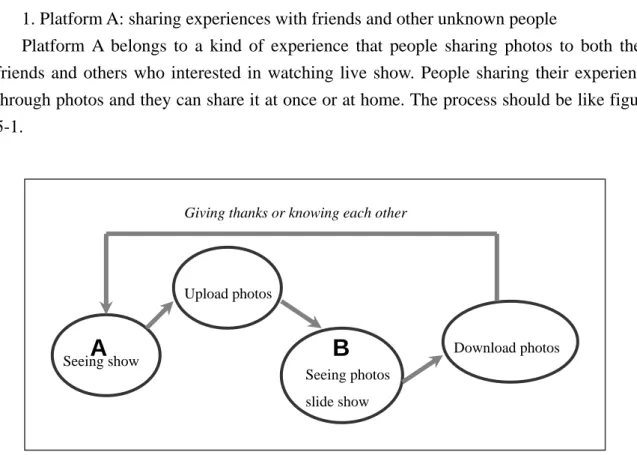
Fig. 5-1 Process flow of platform A (A and B represents one of audiences)... 55
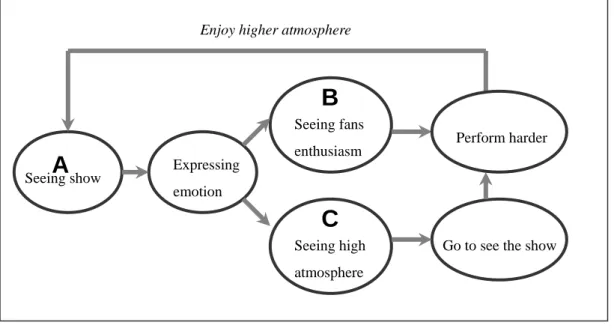
Fig. 5-2 Process flow of platform B ... 56
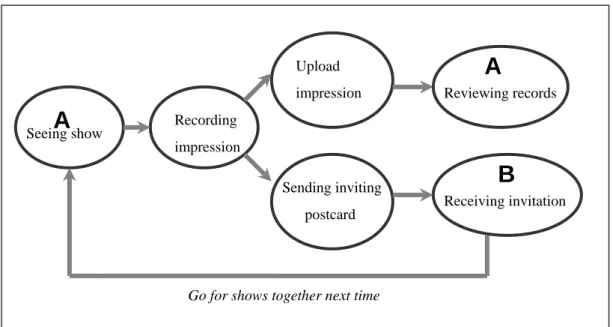
Fig. 5-3 Process flow of platform C ... 57
Fig. 5-4 Co-experience process model ... 57
TABLES
Table. 3-1. The issues and following questions in the questionnaire. ... 19Table. 3-2 The framework of prototyping attributes analysis... 22
Table. 3-3 The issues and following questions in the interview script... 23
Table. 4-1 The means-end-attribute framwork of show-watching ... 29
Table.4-2 The synthetic framework of three prototypes... 38
viii
Table. 5-1 The effects of different medias of sharing... 47
Table. 5-2 The effects of physical artifacts... 47
Table. 5-3 The effects of different length of remaining... 48
Table. 5-4 The effects of time and location ... 48
Table. 5-5 The effects of virtual or real space ... 49
1
- Chapter 1 -
INTRODUCTION
People do sharing their life experiences with friends, families, or even strangers. In the past, people shared their daily life through face-to-face communication. With the popularization and development of internet and technology, there are more and more experience-sharing platforms on the network. There were more and more related sharing activities are shifting to virtual platform. For example, people shared their daily life or impression on blogs, or they shared their photos on Flicker or Facebook. A survey of social networks conducted by comScore (2010) has shown that Facebook and MySpace are now the largest social network in the world. In the end of 2009, Facebook had more than 300 million visitors, and they are also the fastest growing social network in the world. With the growing of virtual social platform, it shows that people have more diverse channels to communicate with others by means of new technologies.
In order to explore the new directions for designing future social interaction platform, the essence of social interaction has become the key issue in the research. We especially focus on the social interaction in the experience-sharing platform, such as BBS, blogs, or Facebook. Therefore, the idea of co-experience talked about the user experience in social interaction was brought into the investigation. A study on sharing experiences of show-watching in the public space was conducted to explore the user experience and the requirement in the whole sharing process through different kinds of communication mediums. We argued that investigating the activity of sharing experience could provide the insights of users’ experiences, and point out the new directions for future co-experience platform design.
1.1 Background
As a designer, designing a product with an inviting appearance and a practical function is fundamental. In the past 20 years, designers have exerted themselves to design impressive products. They put aesthetic elements into real-life products and gave them more attractive appearances. They have also taken the relationship between the form and the functions into consideration. Designers have become magicians who grant new life to a product.
2
However, there is a gap between users and designers. (Norman, 1988) Besides appearances and functions of products, user experience has become one of the significant issues that designers and researchers pay attention to. Nowadays, users’ demands no longer focus on functional realizations and good usability. In order to satisfy users’ needs, designers need to produce products that can raise users’ experiences in the reception level. In the era of “experience economy”, people look forward to gaining more and more pleasant experiences than function-oriented products. (Joseph & Gilmore, 1998) How people feel has become a more significant aspect than what products provide in the first place.
More noteworthy is the user experience found in social interaction, which is called “co-experience”. (Battarbee, 2003a) Comparing with a simply attractive product, creating more chances to interact with family members or friends brings much deeper user experience to users. People like to have joyful user experience when communicating with friends through products or devices. Therefore, how to create a good co-experience has become a new issue which designers pay attention to. This subject deserves more than a passing notice.
Human being lives in groups. In other words, people can not live without their families or friends. Gregarious instinct is the reason why human beings have social meanings. (McDougall, 1924) People like to spend time hanging together, keeping each other company and that’s why social activities exist in people’s daily life. From the western party culture to the reunion dinner of easterners, it’s clearly demonstrated that not only do people need to cluster with others but they also enjoy it. Therefore, for designers, it is much more important to provide more opportunities for users toenjoy being together with family and friends. (Battarbee, 2003a)
As sociable beings, people also like to share their daily life or life experience to their friends, (Battarbee, 2005) whether it is good or bad experience. For example, when a person finds a particular cuisine from a restaurant delicious, he would share the news with friends and finds it satisfying to know they likewise enjoy the meal. On the contrary, if his experience in the restaurant is as bad as having unsavory food or incompetent services, he would inform his friends.
Through sharing experiences, emotions could be expressed psychologically. By telling their experience, as if telling a story, people expect it to influence their friends, and to gain good interactions with others. Through the exchange of feelings, emotions and affections, people know each other more and deeper.
3
With the exception of interacting with friends or family, providing a better user experience in social interaction will lead to a finer and more valuable life. While it is beneficial to human being, little attention has been dedicated to it. If designers can promote social and emotional interactions, extra satisfaction will be obtained psychologically by users. Therefore, how to promote social interactions through designs has become an important issue.
Meanwhile, public spaces, such as town squares, parks, or government buildings, are important platform for co-experience. A public space refers to an area or place that is open and accessible to all citizens, regardless of gender, race, or age. People go there without paying any tickets so that it becomes the gathering place of citizens. A variety activities were took place here, such as walking, relaxing in a cool place, chatting, or playing chess. Therefore, the public space is the most frequently place that people have chances to interact with each other.
1.2 Motivation
Nowadays, the concept of “co-experience” is still novel to most people and the current references for designers to follow up are extremely limited. What designers could do is referring to other similar cases, but the key concept is still beyond reach, and they have no means to follow up the design cases of co-experience. In addition, most of co-experience design cases were complicated and the users’ emotional feelings should be considered by ways of psychology. That is to say, a co-experience design usually involves a spectrum of aspects and therefore not easy to carry out.
In addition to face-to-face communication, it is common for people to share with each other via virtual environment. With the popularization and development of internet, more and more experience-sharing platforms can be found on the network. For example, BBS is one of the oldest experience-sharing platforms in the world. There are various “discussion boards” featuring a wide variety of topics---- studying abroad, shopping, exercising, etc. Enthusiastic discussions and debates fill the boards on BBS. Nowadays, people write articles more often on their own blogs to record their life experiences. The articles have become not only the record of life, but also the references of other blog viewers. Other social platforms, like “Yahoo! Knowledge+”, “Flicker”, and “Facebook”, are especially popular with the younger generation. Through sharing their experiences on those platforms, people could express their emotions in mind. By telling their experiences, making them stories, people expect their experiences to affect their friends. In addition, they are eager to gain connection with their friends through any possible mediums.
4
Meanwhile, technological progresses have freed designers of some limitations. They could make use of information and communication technology---- such as RFID (Radio-frequency identification), WiMax (Worldwide Interoperability for Microwave Access) ---- to assist them in designing platforms or service. In response to the coming era where the users’ demands may undergo dramatic changes, how to make good apply technology and information to create a better interaction experience can be regarded as an important and urgent topic.
1.3 Objectives
Though there is no denying that the social interaction design plays a more and more significant role in our communication life, designers are still mired by the fact that designing such complex systems is challenging. Therefore, our objectives in this research are as follows:
a. to have a understanding about the user experience in watching shows and how co-experience happened in the current platform.
b. to figure out what users care about in co-experience platform
c. to comprehend the mapping between the designing approaches and its corresponding effects in users’ co-experience.
d. to present to designers design suggestions based on social interaction or co-experience.
1.4 Research issue
The research aims to figure out what users’ need and how users feel in co-experience. We would like to obtain users’ opinions on sharing experience of shows watching. The research issue is to discover what kind of design techniques ware corresponding to high effect of co-experience, including how users sharing their experience, whether they need a better ways to share, and how they think about the co-experience platforms.
Thinking of public space as a gathering place, we chose The East Gate in Hsinchu specifically to be our researching area. The East Gate is the heart of Hsinchu city, and a famous historic spot for sightseers. It also functions as a city park for residents to spent time in. On weekends, there are outdoor live shows in The East Gate. Most shows are underground live bands, and some are sentimental folk music. We choose to observe the sharing live show watching experience in here as our research object.
5
Fig.1-1 The East-Gate City in Hsinchu
The data was collected from the common publics who went to The East Gate to watch the show. Target users include both the local citizens and students from cities other than Hsinchu. Please be noted that all informants are Taiwanese users.
Fig.1-2 Variety of activities in East-Gate, such as children feeding fishes, students dancing, live-band singing.
The research of the current sharing platforms can applied to all activities of sharing experiences----sharing experience is the keyword. When people share their own experience, they would simultaneously share their opinions, information, and emotions. All kinds of experience-sharing will be looked into in this research.
1.5 Scope
This paper is intended as an investigation to mediums of experience-sharing. Therefore, the commercial propaganda applied, the types of show, and their related contents are not our concerns here. The results of this study could be possible references for design in the domain of social interaction; yet, they are not suitable for purposes of propagation or management.
6
1.6 Limitations
Since the study was planned under geographical limitations, the informant as a whole was chosen from Taiwan; and the limited time constrained researchers to budge down the informants by recruiting between ages twenty to thirty. And we are also limited financially and therefore were not allowed to make original-sized models as seen in the reality field.
1.7 Outline of thesis
This thesis consists of five chapters. The background, the motivation, the objectives, the research issue, the scope, the limitations, and the outline of thesis are introduced in Chapter One. Relevant studies of co-experience, sharing experience, and research methodologies are reviewed in Chapter Two. The method for data collection and analysis are described in Chapter Three. The analyzed results of two research phases and summarized findings are presented in Chapter Four. The discussion and the design suggestions are in Chapter Five. In the end, the conclusion of this thesis is in Chapter Six.
7
- Chapter 2 -
LITERATURE REVIEW
The purpose of this thesis is to obtain the present understanding of users’ sharing experiences via face-to-face communication or digital media in show-watching activities. In order to facilitate the following discussion about the research scope and its main direction, we begin by reviewing existing researches that are relevant to user experience, especially those on social interaction and the methodologies for user experience research.
2.1 Co-experience
As time progresses, designers’ focus has been gradually shifted to the user experiences about the interaction of using product, and also the experience of interacting with others. In other words, the concept of user experience needs to be expanded to encircle not only the aspects of individual experience, but also to take into account the social aspects. (Battarbee, 2003a) For this reason, designers should no longer focus solely on a product. To good designers, a successful design aims at “co-experience” and all the elements that would help achieving interactions will be taken into consideration. (Forlizzi & Ford, 2000)
2.1.1 Definition of co-experience
The user experience which is created in social interaction is called “co-experience” (Battarbee, 2003a). Through the development of personal communication technologies and digital media products (Battarbee, 2003b), the first idea of co-experience was brought up by James (1996). Co-experience has been broaden and completed the ways in which user experience and design professions has concentrated. (Battarbee & Koskinen, 2005)
As Katja Battarbee(2003b) pointed out, “co-experience is the seamless blend of user experience of products and social interaction.” When people use technological products to communicate with others, they produce much more creativity and interesting experiences. (Sanders, 2002)And to do something together for fun will bring out different emotions and satisfaction while social ties will be strengthened as well.
2.1.2 Interaction-centered framework of an experience
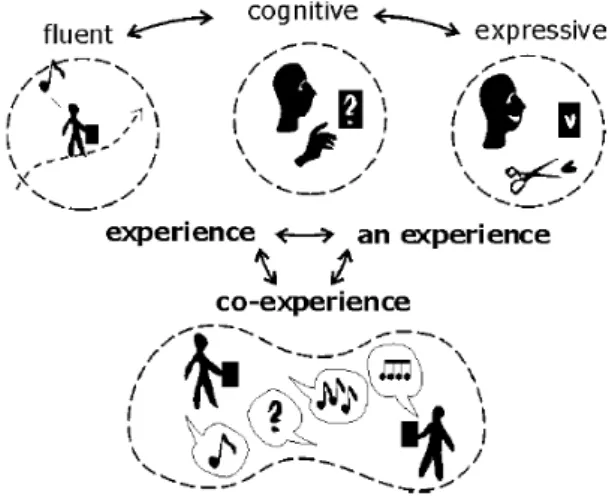
To talk about experience in a systematic way, a framework of user experience in the interactive system is applied here. The framework yielded by Forlizzi & Ford (2004)
8
states three levels of experience: “experience”, “an experience”, and “co-experience”. The first one, experience, is the constant stream of“self-talk” that happens while we are conscious. “An experience” is something that could be expressed or articulated, and it often inspires emotional or behavioral influences on others. Finally, “co-experience” takes place when experiences are created together, or when lifting up experiences are shared with others.
An easy instance to explain: to go visit a restaurant is “experiencing,” which is a continuous “self-talk” that happens when we interact with products. After experiencing, you talk to your friend about the restaurant in ways of storytelling. (Forlizzi & Ford, 2000) At the moment, “experiencing” became “an experience”. If the friend goes to the same place and comments on it as feedbacks to you, then both of you are having “co-experience”.(see Fig. 2-1)
Fig. 2-1 The dynamics of experience in interaction
Note. Cited from “Understanding experience in interactive systems”, by Jodi Forlizzi &
Katja Battarbee(2004), Proceedings of the 5th conference on Designing interactive systems: processes, practices, methods, and techniques, August 01-04, 2004, Cambridge, MA, USA
Furthermore, there are migrations happened between different levels, from the center of attention to the periphery or into stories and acts of personalization and back again. We could see the general ways of migrations as bellows,
a. Lifting up experiences to shared attention
Through a social process, subconscious experience often migrates to become “an experience”. People constantly lift things from their everyday life and communicate them to others. They will evaluate whether the event is worthy to be told or not.
9
b. Exchanging experiences
Once experience is lifted up, recipients’ would react accordingly in terms of acknowledge, information, and their responses. For example, they may reciprocate by sharing their own similar experiences or simply offer a sympathetic response.
c. Rejecting experiences
Finally, experiences brought to the attention of others may also be rejected or downgraded by others. For example, something that is important for one person may be too familiar, uninteresting or even offensive to others. They may indicate this in various ways to soften the rejection. (Battarbee & Koskinen, 2005)
2.1.3 Principles of co-experience
Since the concept of co-experience was brought up, the role of designers in co-experience should be considered. That is to say, what designer cared about will be the essence of co-experiences. In other words, high quality of co-experience designs should conform to the following criteria:
a. Co-experience is social
Co-experience depends on human communication. In social interaction, the responses will create the incentive to respond and continue.
b. Co-experience is multi-mode
With various communication technologies, co-experience takes place in many forms. Except face-to-face communication, there are many other ways to technologically connect with others.
c. Co-experience is creative
People shared their focus of everyday life. Co-experience should be a creative resource which motivates social innovation. It is the way with which participants make things meaningful for others, as well as the way people use to gain experiences.
d. Co-experience is for fun
Co-experience is something people do for pleasure. They do it to have fun together, to keep in touch with one another and to strengthen social ties. (Battarbee & Koskinen, 2005)
2.1.4 Designing for co-experience
For the purpose of co-experience, Battarbee(2004) proposed some principles on designing:
a. People are involved and present in a user-centered process to overcome studio-based contemplation of irrelevant issues.
b. More than one person is involved in a unit of study, to create the conditions for co-experience in a manner that is appropriate for the design context.
10
c. The interactions and co-experiencing take place in a real context, not a laboratory. d. People are the authors of their own experiences. They are involved as creative
actors, who can and will engage with available products that support them in their interests, their social interaction and experiences that they find meaningful.
e. Experiences are followed over time, with an eye to trace the trajectory and path of the experiences after the “first five minutes” and the “first five days” and to be sensitive to the process of exploration and redefinition that takes place.
2.1.5 Summary
Based on the definition and the principles of co-experience yielded by several savants, the essences and the characters of co-experience were comprehended. In the following research, we referred their definition and findings to develop co-experience concepts. Except for being the help for concept phase, the principles are also the standard of evaluating if achieving the effect of co-experience.
According to the principles on designing co-experience proposed by Battarbee (2004), the design principles also influenced our research structure. For example, he mentioned that the interactions and co-experience would happen in a real context instead of a laboratory, so we chose a real public space, The East Gate, for our research field. It became the platform we designed for and the field we did research as well.
2.2 Social interaction
In the past, many methodologies or theories have been constructed assist in the effort to understanding user experience. In order to adapt to and thus satisfy designers’ demands, more and more ethnographic methods is being applied to the field of design in both academic and business sense. Moreover, designers also use ethnographic methods adapted from anthropology, and methods from social and behavioral science to explore the form, the function, and the content of the products. Even so, the focus is the interactions between human and products, and the experiences results from the interactions. These experiences include physical, sensual, cognitive, emotional, and aesthetic ones. (Forlizzi & Battarbee, 2004)
A particular example is the interaction design, to which more designers have devoted themselves. Their concerns no longer fixate on single product attribute. Instead, they need to refocus on user experiences that are generated from the interaction of using product, its context, and also the interactions with others. (Liu & Deng, 2004)
11
2.2.1 Social relationship
People are believed to be group-oriented. As long as there are social interactions, people would gain senses of satisfaction and even happiness. In the discipline of social psychology, “gregarious instinct” could be the explanation of why people tend to interact with others. (McDougall, 2000) Nowadays we can easily see the effects of “gregarious instinct” in our civilized society. To cite an instance: instead of watching TV broadcast alone at home, people like to watch football or baseball game as live entertainment where crazy fans fill the court. Even when they have no options but to watch the broadcast, they would choose to watch the game with friends or with a group of strangers accidentally met at the bar. That’s because people enjoy the atmosphere of shouting and clapping at the same time, especially the idea that everyone is caring about the same thing. (McDougall, 2000)
People establish all sorts of interpersonal relationships through associating with others such as friends, families, classmates, and the instructor-apprentice relationships. The relationships give first place to the mental affections which is the reason why it was different from other social relationships. The interpersonal communication which people exchange information, thoughts, and emotions is also the most important interaction behavior. (Chen, Chung, Feng, Chou &Yen, 2004) Moreover, these relationships usually include some level of “interdependence.” People in a relationship tend to influence each other, share their thoughts and feelings, and engage in activities together. Consequently, through the interdependence, most things that change or impact one member of the relationship will have some level of impact on the other member as well. (Joseph & Gilmore, 1998)
McMillan & Chavis (1986) defined “sense of community” as “a feeling that members have of belonging, a feeling that members matter to one another and to the group, and a shared faith that members’ needs will be met through their commitment to be together.”. He also proposed that “sense of community” is composed of four elements:membership、 influence、exchange of support among members、shared emotional connections. He said that shared emotional connections include shared history and shared participation (or at least identification with the history).
2.2.2 Social influence
Referring to McMillan & Chavis’s(1986) theory, the elements of “sense of community”, in purpose of influence was pointed out as followed: “Influence works both ways: members need to feel that they have some influence in the group, and some influence by the group on its members is needed for group cohesion.”
12
Social influence occurs when an individual's thoughts or actions are affected by other people. Social influence takes many forms and can be seen in conformity, socialization, peer pressure, obedience, leadership, persuasion, sales, and marketing. Herbert Kelman identified three broad varieties of social influence.
a. Compliance -when people appear to agree with others, but actually keep their dissenting opinions private.
b. Identification - when people are influenced by someone who is liked and respected, such as a famous or a favorite celebrity.
c. Internalization - when people accept a belief or behavior and agree both publicly and privately. (Kelman, 1958)
2.2.3 Sharing emotions
In social interaction, empathy has been taken as the foundation for people to understand each other. Empathy is one of the emotion and affect functions. When someone has emotions, he can not only feel it by himself but also be conscious by others through his expression. Once the feeling became unanimous, the affection sympathy would come into existence. (Chen et.al, 2004)
Through constant sharing emotions with others, people attempt to find satisfactions. When someone shares our emotions, they would be further strengthened by empathy, and therefore more happiness would be produced.(Mc Dougall, 2000) In other words, the affect will change or strengthen the original feeling through sharing what they feel. (Chen et.al, 2004)
2.2.4 Summary
Through the related social psychology research, we knew that people have the instinct to interact with others, and then construct social relationships. In the varieties of relationships, people gradually develop sense of interdependence. From the social influence aspects, everyone needs to see their impact on others. Besides, by means of understanding the elements of “sense of community”, they indicate what helps co-experiences happen in the public space. Based on those references, what people need and how people behave were brought out. They were referred to in the following concept design, data interpretation, and discussion the co-experience process phases.
13
2.3 Research methodology
There are several main methodologies which were applied in the research. The “In-depth interview” is the method of acquiring data from users’ thoughts. The “Affinity Diagram” and “Means-End Analysis” are the method to analyze a great quantity of data. Furthermore, “Group discussion with prototypes” is the way to probe users’ ideas about the design and the issues.
2.3.1 In-depth interview
In-depth, qualitative interviews are excellent tools to use in probing users’ thoughts and evaluating systems. An in-depth interview is an open-ended, discovery-oriented method that is well suited for describing both system processes and outcomes from the perspective of the target audience. The goal of the interview is to deeply explore the respondent's point of view, feelings and perspectives. In this sense, in-depth interviews yield information.
There are key characteristics that differentiate an in-depth, qualitative research interview from a regular interview. Some key characteristics of in-depth interviews include:
a. Open-ended Questions.
Questions should be worded so that respondents cannot simply answer yes or no, but must expound on the topic.
b. Semi-structured Format.
Although you should have some pre-planned questions to ask during the interview, you must also allow questions to flow naturally, based on information provided by the respondent.
c. Seek understanding and interpretation.
You should try to interpret what you are hearing, as well as seek clarity and a deeper understanding from the respondent throughout the interview.
d. Conversational.
You should be conversational, but your role is primarily that of a listener. There should be smooth transitions from one topic to the next.
e. Record responses.
The responses are recorded, typically with audiotape and written notes (i.e., field notes)
f. Record observations.
You observe and record non-verbal behaviors on the field notes as they occur. g. Record reflections.
You record your views and feelings immediately after the interview as well. (Guion, 2001)
14
In this research, this method was adopted in the investigation stage to interview the informants about their past experience watching live shows. In this phase, the questions were easier to answerer and the total time is shorter around 30 to 45 minutes, because the purpose of the first stage is to comprehend the overall situation. Though, the process of interviewing still followed the guidelines above. In addition, the method was also applied in the discussion with prototypes stage. When the informants were invited to The East Gate, they were interviewed with more deep questions in around 1 to 1.5 hour to find out what they think about the prototypes.
2.3.2 Affinity Diagram
The Affinity Diagram was devised by Jiro Kawakita in the 1960s and is sometimes referred to as the KJ Method. The affinity diagram is a tool used to gather and organize ideas, opinions, issues, etc. The tool is commonly used within project management and allows large numbers of ideas to be sorted into groups for review and analysis. Ishikawa(1990) recommends using the affinity diagram when facts or thoughts are uncertain and need to be organized, when preexisting ideas or paradigms need to be clarified, and when unity within a team needs to be created.
In this study, the Affinity Diagram is used for sorting and organizing informants’ opinions about sharing experiences into related groups. After interviewing several informants, we need to organize and consolidate each idea from different informants. Some statements were similar and some were not so important to be notice. In this purpose, we simply marked keynotes from interviews and wrote on 3" x 5" cards or Post-it (cards are more durable, but Post-its stay where they are put–even on vertical surfaces). The cards with similar statements or ideas may then be moved into similar groups. Each group is named with a header card and the groups are again grouped into larger groups. In this way a hierarchy or tree is built, bottom-up. The result is known as an Affinity Diagram. From the diagram, some issues which were worthy to be noticed would be raised up. Then the results would help us to do further qualitative interpretations. To sum up, it is the method that helps us researchers to have a clear standpoint to control a large number of gathered information from users’ opinions.
2.3.3 Means-End Analysis
Means-End Analysis(MEA) is one of the oldest ideas in Artificial Intelligence for controlling search in problem solving computer programs. It was named and studied by Newell, Shaw, and Simon in the 1950s, and was the key idea behind the General Problem Solver (GPS) (McDermott, 1966) It is also a technique used as a creativity tool, most frequently mentioned in engineering books on design methods. Means-End Chain is also a
15
technique in marketing for categorizing customer goals.
The Means-End Chain theory is based on the assumption that consumers connect the motivation to purchase a product with positive emotions. A hierarchical value system (eg, comfort) of the consumers towards a product mean that buyers ask for brands as a set of characteristics (means) to achieve desirable states (ends) to. Often these value hierarchies are unconscious and therefore difficult to measure the resulting decision behavior. The Means-End Chain theory provides methods represent these cognitive mental decision processes. (Herrmann Andreas, 1996)
In this research, MEA is used to organize keynotes from interviews to three levels which are ends (objectives), means (methods), and attributes (characteristics). The operation process of Means-End Analysis for analyze data from interview are as follows,
a. Take out the functional, social or psychological objectives and put them in the “ends” category.
b. Collect the following ways or actions for the individual purpose and put them into “means” category.
c. Gather concrete and abstract characteristics of a product or an activity and put them into “attributes” category.
After sorting all data into three categories, three categories were arranged and presented horizontally as a framework. Meanwhile, the MEA method was collocated with an Affinity Diagram in this research. All keynotes gathered from each informants were sorted into three categories followed with MEA, then arranged those keynotes in each categories with Affinity Diagram. From the framework, researchers could find out the association in each subcategory and interpret the relationships in between.
2.3.4 Group discussion with prototypes
Prototyping puts concrete interfaces into the hands of users much earlier than the final product, albeit limited in features, shows and stability. A prototype is an original type, form, or instance of something serving as a typical example, basis, or standard for other things of the same category. Prototypes are used to confirm and verify consumer interest in a proposed design whereas other prototypes will attempt to verify the shows or suitability of a specific design approach.
In general, an iterative series of prototypes will be designed, constructed and tested as the final design emerges and is prepared for production. With rare exceptions, multiple
16
iterations of prototypes are used to progressively refine the design. A common strategy is to design, test, evaluate and then modify the design based on analysis of the prototype.
Interaction designers use a variety of prototyping techniques to test aspects of design ideas. These can be roughly divided into three classes: those that test the role of an artifact, those that test its look and feel and those that test its implementation. Sometimes, these are called experience prototypes to emphasize their interactive nature. Prototypes can be physical or digital, high or low-fidelity. (Borchers, 2001)
To let informants experience prototypes is any kind of representation, in any medium, that is designed to understand, explore or communicate what it might be like to engage with the product, space or system we are designing. Obviously this can include design prototyping techniques such as storyboards, scenarios, sketches, videos, or steps through simulations, all of which certainly add value by communicating elements that make up an experience. (Buchenau & Suri, 2000)
In order to gain what users care for and their reception about the design techniques in this research, the method of prototyping was adopted to probe informants’ idea about the co-experience design concepts. In the prototyping phase, we developed concepts and chose three designs which has different attributes, then made the prototypes on card boards and put them in the research field. Several informants were invited to the field and experienced those prototypes. After experiencing, they discuss what they have experienced and how they felt. In a word, prototypes as a probing research tool to grasp users’ ideas about the design and help researcher to sort users’ thoughts about design techniques.
17
- Chapter 3 -
METHODOLOGY
This research aims at discussing designing techniques and corresponding effects by way of analyzing users’ feeling and thoughts in co-experience. The prototypes serve as research tools to explore what users care and need in co-experience platforms. The research plan could be separated into two stages. Firstly, the primary investigating stage was to collect and analyze data from interviewees to obtain a general understanding about current sharing platform. Secondly, the users’ opinions were brought up by means of designing prototypes and field-testing.
In this research, the main issues involved the whole context of sharing experiences in social interactions and unintelligible thoughts of users. We focus on the shared-experience of watching live-show, such as music, drama show, or any kinds of ball games, as our main investigated activities. The results can be applied to all sorts of sharing experience platforms.
3.1 Research issues
The research aims to figure out what users’ need and how users feel in co-experience. The first phase is to understand how people shared their information and experiences about the show-watching and why they tend to share. Moreover, we tried to understand the characteristics and the advantages and disadvantages in different ways of sharing. In the second phase, the main issue is to know how users feel about different prototypes with different attributes. To discover users’ true desire is the main objective of co-experience designers. In the second phase, we compared users’ corresponding feelings toward different design prototypes.
3.2 Research structure
To explore the issues, there are two phases in our research.(see figure 2) The first is the investigation procedure where we try to reach a general understanding of current ways of sharing in terms of show-watching experience. It was carried out by holding interviews and doing Means-Ends Analysis. With full-scale understanding, design elements and the users’ perspectives of present communication platform are emerged. The second phase is to discuss prototyping processes. According to the exploration in the previous stage, three
18
prototypes were designed with different attributes as probes to find out in depth about users’ reception.
Fig.3-1 The research structure including the process and the deliveries
3.2.1 Interview
In the first stage, we tried to understand how audience shares their show-watching experiences and what they think about them. Fifteen informants, from teenagers to youths, were recruited to participate in the interviews. All the participants had enjoyed live shows such as theatre show, music concerts, baseball games, or street acrobatics, for more than twice. To thoroughly apprehend how the idea of sharing experience works, informants’ past experiences have been conducted during the interview: how they had been informed of the show, what had encouraged them to join, and finally the sharing experience they had had with their family and friends.
In interviews, the first part includes informants’ personal information---- names, ages, sex, occupations, and so on. The second part is to record their past experience of going to a live show. The type of the show, the appeal that attracted them to watch the show, and the channels through which they gathered related information. Finally the third part, we explore the sharing experience. It involves the targets they shared with, ways of sharing,
Means-End Analysis Concept design User experience in current platform Interview Affinity Diagram Phase1 Phase2 Discussion with prototypes Investigating procedure Findings Prototypes sieving Field testing Discussion Suggestion Prototypes making
19
and how they consequently felt about it.
In the questionnaire, there were few main issues that we would figure out, such as the motivation to attend the show or the channels of expressing the information about the show. Meanwhile, several questions were drawn up to investigate those issues. For example, in order to know the motivations to attend the show, we asked their past experiences and the reasons why they decide to do it. The following table shows the mapping between the issues which we were curious about and the questions in the questionnaire. (see Table. 3-1, for details please refer to Appendix A) The list of questions was standardized only in part since we did not want to limit our observation to a narrow scope in the first phase. Therefore some questions were listed as standard ones while others were included as open questions that could be applied according to actual circumstance.
Table. 3-1. The issues and following questions in the questionnaire.
Issues Questions 1. What kind of show did you ever attend?
Motivation to attend the show
2. Why did you go for the show in the beginning? 3. How did you get the information or messages about the show?
4. Will you search more related information about the show?
Channels to express the show information
5. Have you ever join a show under someone’s influence? 6. Who would you share with after watching the show? Objects of sharing experiences 7. Will you give the feedback to someone who provide
you the information?
8. How would you share the experience?
Ways of sharing experiences 9. If you write your experience on your blog, what would you post on?
Feelings after sharing 10.How did you feel after sharing?
3.2.2 Analysis
After interviewing 15 informants, we gathered four designing experts who had over four years of designing experience to analysis the data. First of all, we reviewed the interview recording and picked up the important sentences as keynotes, then wrote down on Post-it. Secondly, for the purpose of clearly understand the current sharing platform of The East Gate, all the extracted keynotes were sorted into three groups following the Means-End Analysis. Means-End Analysis is a method of categorization process which is
20
borrowed from marketing. Three groups were defined separately as: “ends” means the purpose (why); “means” indicates the channel (what); and “attributes” implies the content (how).
At one time, in order to simplify all the opinions from each informants and extracting key issues, we did data-sorting with Affinity Diagram. Affinity Diagram is an approach applied to organize those notes into hierarchic clusters that disclose certain issues. First step is to collect similar keynotes in one group and name it with one header. Then do the same step until each keynotes were sorted and there were around three to four groups.
Fig.3-2, 3-3 Affinity diagram operation process.
The analyzed data were then arranged to form a framework showing the overall understanding about users’ experiences of show watching. From the framework, we can see the content of different levels and their interactive relationships. It also reveals the unapparent social interaction in the experiences. Besides, we focus on the co-experiences which people communicating their experiences about show watching. The sharing contents are such as their feelings, points of views or the related information about shows.
3.2.3 Concept Design
In order to discuss the design techniques and the effects, co-experience concept designs were involved into The East Gate. After investigating the user experience in the current sharing platform, several concepts which aim to make The East Gate become a co-experience platform of sharing the experience of show watching were developed. Hence, four design experts which had more than three years designing experiences were invited to develop the co-experience design to The East Gate. In concept development, the primary research results are as the references of the current ways that people sharing their experiences. Referring to Battarbee & Koskinen’(2005) research and comparing to several design cases (see p.11), the essence of co-experience was captured by designers. Those references and the design cases helped designers to create ideas about making The East
21
Gate a co-experience platform.
The concept design goal is to add new design activities or equipments which can make users have co-experience in The East Gate. Besides, for the sake of discussing different design techniques, we planed to design different co-experience activities in The East Gate which have different gradation. For example, the design may be different on the sharing targets, such as sharing experience with close friends or family, their friends who have the same interests, or those who they don’t know each other. During concept development, the technological limitations and costs were not included in our consideration. (see Fig.3-4)
Fig.3-4 Design sketches of co-experience platforms
3.2.4 Prototype sieving
We aim at sieving three prototypes from those concept designs to compare and further discuss the design techniques and their actual effects. By examining the attributes of each of our design solutions, a framework using all the concepts obtaining from the examination was established. From the framework, three designs which have the most diverse characteristics in each dimension were selected. Meanwhile, we adjusted the designs to make each selected designs has different characteristic in different dimension, so that we can discuss the effects in the end. Demonstrated clearly in the framework (Table. 3-2) were the three prototypes with different contents, different mediums for sharing, different special relations, and different physical properties to enhance co- experience. Then the prototypes were displayed with card boards (Fig.3-5) to simulate the actual situation. (see three prototypes in Appendix B)
22
Table. 3-2 The framework of prototyping attributes analysis
Fig.3-5 Card-boarding prototypes
3.2.5 Field testing
To test the prototypes by obtaining users’ opinions, instead of staying in the laboratory, we organized the collected prototypes in East Gate of Hsincu as a filed study. (see Fig.3-6,3-7)The properties, prototypes in card boards, and the indicator lines were set up in East Gate.
In order to collect people’s opinions on the design prototypes, seven informants were recruited to experience these three prototypes as actual design implements and were interviewed in depth afterwards. All informants are from the younger generation and had had several past experiences of watching live band shows in The East Gate before.
The impressions on and feeling about the prototypes were proposed as questions in the interview. The main issues we desired to survey are: their acceptance toward design implications displayed in a co-experience environment; which ways of sharing are more
23
effective to users; and what they expect to acquire psychologically. The questions were open-structured and they were individually about the advantages and disadvantages of three prototypes, the feelings, and the comparison with the current platform. (see Table. 3-3) For example, we were curious about what users care for in co-experience platforms, then we introduced the prototypes and asked their point of views and feelings, and any part are what they like or dislike most. Moreover, the reasons why they like or dislike were dogged out.
Table. 3-3 The issues and following questions in the interview script.
Issues Questions
‧How do you think of the prototype if it is real in The East Gate? ‧Which part do you like it? And why?
What they care for in co-experience platform
‧Which part do you dislike it? And why?
‧Would you desire to use it to share your experience? Why yes? Why not?
‧Anything is attractive to you? Receptance to co-experience designs
‧Anything is unconvenient to you?
‧Which part do you think needed to be improved? ‧How about your suggestion to the prototypes? Expectation to the co-experience platform
‧What do you expect to get after experiencing the prototype as real equipments?
‧What do you think about the prototype in comparison with the existing way?
‧Which part is better? And why? Difference between the current platform
‧Which part is worth? And why?
‧In comparison with three prototypes, which one do you like most? And Why?
‧In comparison with three prototypes, which one do think you would have more interaction with others?
‧In comparison with three prototypes, which one do think you would have deeper interaction with others?
Co-experience feelings between three prototypes
‧In comparison with three prototypes, which one do think you would enjoy it most?
24
Fig.3-6.3-7 Field testing in The East Gate
Users’ opinions about the reasons why they like or dislike the platform, the acceptance of the usage, and the improvement they expected were appeared through the informants answering these questions in the interview. The data collecting and analyzing approach are qualitative. All the relevant information on the designed experience sharing platforms gathered through the field testing is detailed, disorderly, and confused. Therefore after the field testing, the taped interview conversations were transferred into transcripts and key notes. Later those notes of three prototypes were analyzed by affinity diagram and interpreted. Finally, the results of overall understanding about the present sharing platform, users’ thoughts on the three designed prototypes, and the findings about the design techniques were presented in the next chapter.
25
- Chapter 4 -
RESULTS AND FINDINGS
In this chapter, the results were presented after analyzing the two researching stages. The primary investigation stage is to understand through interviews how people shared their information and experiences about the show-watching; and the interview was then followed by Means-End Analysis and affinity diagram. The results of this phase demonstrate user experience about sharing experience of current show-watching platform. Meanwhile, the current platform was collected. In the second phase, the purpose is to figure out users’ opinions on three platforms which were designed to achieve the effect of co-experience by interviewing in actual surroundings. The results here present users’ concerns and expectations. Finally, the mapping between design techniques and their possible effects were produced in the end.
4.1 Current platform
In the investigating phase, a large number of notes were taken out from fifteen interviews with different informants. Notes related to sharing experience of show-watching were sorted out to three groups which were categorized respectively as “ends”, “means”, and “attributes”---- the three constitute a hierarchic relationship. On the top is the “Ends,” the motivation of sharing experience. Under it is “means,” how people share the experience, followed by “Attributes,” which is what people get through sharing experiences.
The first group, “Ends”, is the reason or purpose for actions. They may be the reason that attracts people to or encourage them to make decisions about watching a show. “means,” on the other hand, is how gaining and sharing of experience are performed. For example, the information of the show, how viewers get to know more about the content, and the time of the show----all these information is acquired in advance. “Attributes,” last but not least, includes the contents or the information people share about the show, such as the quality of singers in a particular show or simply viewers’ points of view are included.
26
4.1.1 Affinity diagram results
After sorting, the notes in three different groups were analyzed with affinity diagram. Affinity diagram is also a sorting method which can handle a great quantity of data.
1. Ends— purpose or reasons (Fig.4-1, and see details in Appendix C )
Fig.4-1 Affinity Diagram result of “ends”
The figure was ordered and simplified. There two main groups which has “The sense of growth” and “the experience of watching show” are also the highest level of them. “The sense of growth” includes two aspects, self-growth and the growing sentiments. Self-growth is to feel like being leveled-up since the increase in proclivity and the broadening of visions. A sense of satisfaction is also acquired from the process. Another growth is the growth in sentiments gained by sharing with others. Moreover, growth feeling with sharing with others includes “enjoyment of sharing” and “growth with family
27
members”.
a. There are four main motivations they attend the show which are affected by peers, just to relax, self-interest, expect the new show. Except for the influence by friends such as the invitation or recommendations, others are they have related experiences in watching the same or related shows.
b. If they got interested on the show, they would do some preparation or preview the related information about the show, such as the programs, the introductions, or the news.
2. Means— ways or manners (Fig.4-2, and see details in Appendix D)
Fig.4-2 Affinity Diagram results of “means”
a. The ways of circulating information contain the communication platforms, such as websites or blogs, the advertising mediums, and the “word-of-mouth”.
28
recommend or introduce to others. Another one is exchange experiences which include the information and their impression, and sometimes they would exchange their points of views through discussing it afterwards.
3. Attributes— contents (Fig.4-3, and see details in Appendix E)
Fig.4-3 Affinity Diagram results of “attributes”
a. The information contents delivered through the show-watching process embraced the show related information, such as the introduction about the show or the famous singer’s name. Moreover it also contained the points and views and some internalized or specialized impression.
b. In the whole process, when people shared their points of views, they experienced the self reflection, such as the emotions at the moment and the self- examination. Then they would share their impression after settling themselves.
29
4.1.2 Means-end-attribute framework
The complete structure of show-watching were presented in a parallel way which included “ends”, “means”, and “attributes”. Then reviewed the interview record, the routes between three columms were marked the connection. (see details in Appendix F) The connected lines represent the relationship between three levels. The more lines they have between two columns, the stronger relationships they are. For example, through exchanging self-impression to each other, people gain senses of growth. We found that “exchanging of impresion” and “growth with sharing with others” have inseparable relationship. Besides, their relationship between two columns are hierarchical.
Based on the routes, the means-end-attribute framwork which shows three levels and their main conneciton were arranged. According to the framework, we found the intersection of “co-experience”, “sharing”, and “show-watching” as our marin scope that we were interested in this research. For example, co-experience is the user experience happened in social interaction, so the one-way advertising platform such as official websites or TV is not in our field of research. Then, the means-end-attribute framwork of show-watching which marked the main scope and the main routes was proposed as Table. 4-1. According to the structure, we’ve reached some concluding results:
30
a. From “end” and “means” columns, we found that exchanging experience is the main approach to achieve co-experience. Communicating experience includes changing show information and audience’s impression is the main way for people to enhance their interactions. Meanwhile, they would gain sense of growth and enjoyment of sharing. Besides, we found that except for self-interests, influences from friends and family are also common reasons for show-goers. Recommendations or invitation by friends would gradually grow interests in it.
b. From “means” and “attributes” columns, we found that people share their impression through the communication platform, such as blogs and websites, or face-to-face communication. However, what they share about is different from the medium of sharing. For example, people may share their points and views and introduce the show related information through communication platforms. And the internalization such as advanced background introduction may be the further searching after the show. In the meantime, some experienced information such as tips or gossips about the actors may be exchanged through face-to-face chatting.
c. From the whole framework, we found that sharing self and others’ points of view through different kinds of communicating platform will bring forth a sense of growth and obtainment. Furthermore, sharing self impression would also influence others’ willing to watch the show. In other words, when making a decision, people were influenced by someone else’s points of view or what the information their friends shared. The user experience related to the show became others’ reference to make a decision. For example, if you shared more about your past experience and the feeling on the show or the performer when inviting your friend to the show together, your friend would be aroused the interest to the show more.
4.1.3 Current sharing platform
We had discovered from the interview that there are few sharing platforms. From the result of Means-End Analysis, the tools of delivering information were collected in the category “means”. The tool contains “communication platform” and “media for advertising”, however, the advertising mediums are not in our consideration. The platforms include physical advertisement, virtual websites, and interpersonal communication. The virtual websites are such as the drama forum in the BBS, blogs or the websites which recommend popular shows or articles. The physical advertisements such as posters were the extra information that people use when talking about their experience. By gathering those present platforms of sharing experience, interpersonal communication is the recommendation or the invitation from friends. (see Fig.4-4)
31
However, the current platform has only limited effect on exchanging experience. For example, it is good to express ideas face-to-face, but it is not easy to pass around the entire information package related to the show. On the other hand, blogs or facebook is a good platform to post complete information, yet it is still limited when emotions were made through mere words to express how touching the show was.
Fig.4-4 Current ways of sharing show watching information
4.1.4 Summary
In the first exploring stage, the means-end-attribute framework about the activity of show watching were constructed. An overall and clear understanding was shown. We found that people’s experience fluting was the most important way to make co-experience occur. Nevertheless, we knew that the current platform has limited effect to obtain co-experience. Therefore, in the next section, some intensive concepts were designed to dig out what users think about the co-experience platform.
4.2 Discussion with prototypes
In the second stage, in order to discuss users’ acceptance and their thought about co-experience, there were three design prototypes chosen with different attributes